
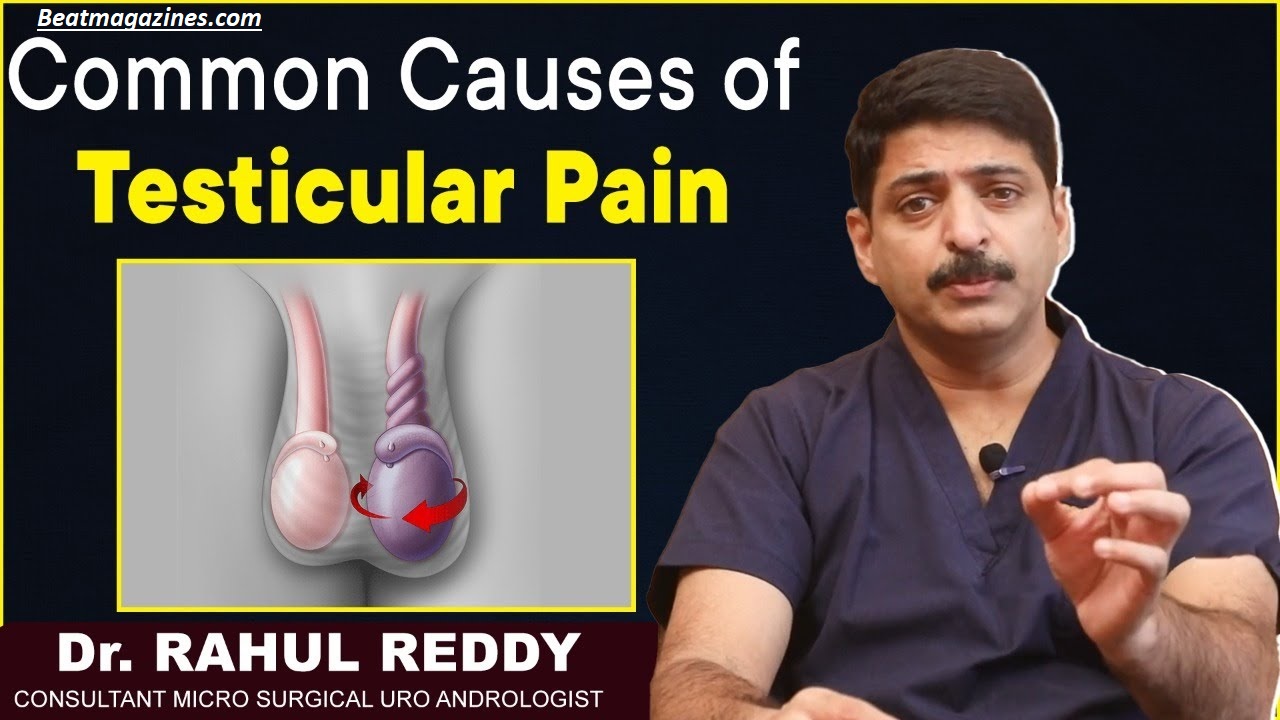
Why Do My Balls Hurt? Testicle pain can happen for many reasons, ranging from minor issues to medical conditions that need attention.
Common causes include injury, infections, inflammation, or strain from physical activity.
Conditions such as epididymitis (inflammation of the tube behind the testicle), testicular torsion, or hernia can also cause pain.
Sometimes discomfort occurs due to tight clothing, prolonged sitting, or sexual arousal without ejaculation, often called “blue balls.”
Symptoms may include swelling, tenderness, or aching in the scrotum. Mild pain may go away on its own, but severe or sudden pain should be treated as a medical emergency, especially if accompanied by nausea or swelling.
Table of Contents
Quick Table
| Cause | Common Symptoms | Pain Type | Serious? | Treatment |
|---|---|---|---|---|
| Injury | swelling, tenderness | dull ache / sharp pain | Sometimes | rest, ice pack, NSAIDs |
| Infection (STI / epididymitis) | burning urination, swelling | sharp pain | Yes | antibiotics |
| Varicocele | lump, dragging feeling | dull ache | Usually mild | monitoring / surgery |
| Testicular torsion | severe swelling, nausea | sudden sharp pain | Emergency | surgery |
| Hernia | groin bulge, discomfort | pressure pain | Can worsen | surgery |
| Prostatitis | pelvic pain, urinary issues | dull ache | Yes | antibiotics, NSAIDs |
What Causes Testicle Pain?
Testicle pain causes vary widely—from simple physical strain to serious medical conditions. The testicles are sensitive organs, so even minor issues can cause discomfort. Understanding the root cause is key to proper treatment.
Pain may come from:
- Direct injury
- Infections (including STI)
- Circulation issues (like varicocele)
- Structural problems (hernia, hydrocele)
- Inflammation (prostatitis, epididymitis)
Let’s break down each major cause.
Injury
A direct hit or trauma is one of the most common reasons for sore testicles. This can happen during sports, exercise, or even accidental impact.
Symptoms often include:
- swelling
- tenderness
- dull ache or sharp pain
Most minor injuries heal on their own with rest, ice pack, and NSAIDs. However, if pain persists longer than a few days or worsens, it could indicate internal damage.
Important: Severe trauma can lead to complications like rupture or internal bleeding, so don’t ignore intense pain.
Infection
Infections are a major reason people ask, “why do my testicles hurt?”
Common infections include:
- epididymitis (inflammation of the epididymis)
- STI / infection such as chlamydia or gonorrhea
Symptoms may include:
- burning urination
- swelling
- tenderness
- fever
This type of pain in testicles usually requires antibiotics. Left untreated, infections can lead to fertility issues.
If you notice discharge or urinary symptoms, see a doctor quickly.
Varicocele
A varicocele is an enlargement of veins inside the scrotum, similar to varicose veins.
It often causes:
- dull ache
- feeling of heaviness
- visible or palpable lump
The pain usually worsens after standing for long periods. While not always dangerous, varicocele can affect fertility in some cases.
Treatment ranges from monitoring to surgery if symptoms become severe.
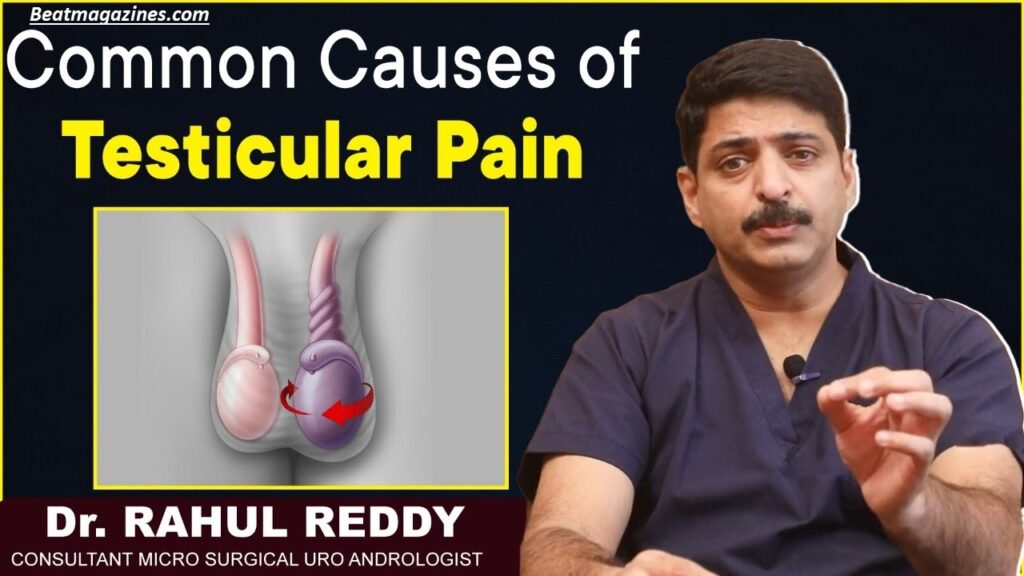
Testicular Torsion
This is a medical emergency and one of the most serious answers to “why do my balls hurt.”
Testicular torsion occurs when the spermatic cord twists, cutting off blood flow.
Symptoms include:
- sudden severe sharp pain
- swelling
- nausea or vomiting
Without immediate surgery, the testicle can be permanently damaged within hours.
If you suspect torsion, go to the emergency room immediately.
Hernia
A hernia happens when tissue pushes through a weak spot in the abdominal wall.
It can cause:
- groin bulge
- pressure or discomfort
- pain that spreads to testicles
This type of testicle pain may worsen when lifting heavy objects or straining.
Treatment often involves surgery, especially if the hernia grows or becomes painful.
Prostatitis
Prostatitis is inflammation of the prostate gland and can lead to pain in testicles.
Symptoms include:
- pelvic pain
- burning urination
- dull ache in scrotum
- difficulty urinating
It’s often caused by bacterial infection and treated with antibiotics and NSAIDs.
Chronic prostatitis can cause long-term discomfort if not managed properly.

Symptoms You Should NEVER Ignore
Not all sore testicles are dangerous, but some symptoms are red flags.
Watch out for:
- sudden sharp pain
- severe swelling
- a noticeable lump
- persistent dull ache
- burning urination
- fever or nausea
These symptoms may point to serious conditions like testicular torsion, epididymitis, or hernia.
A lump could also indicate a hydrocele or, in rare cases, something more serious.
Key rule:
If pain lasts more than a few days or gets worse, don’t ignore it.
Early diagnosis makes treatment much easier and prevents complications.
When to See a Doctor Immediately
You should seek urgent medical care if you experience:
- sudden severe pain in testicles
- swelling that appears quickly
- nausea or vomiting with pain
- fever with testicular pain
- pain after injury that doesn’t improve
- signs of infection (burning urination, discharge)
These symptoms may indicate:
- testicular torsion (emergency)
- severe infection
- advanced hernia
Delaying treatment can lead to permanent damage or fertility issues.
Even if symptoms seem mild, it’s better to get checked early than risk complications.
How to Relieve Testicle Pain
Treatment depends on the cause, but here are general ways to relieve discomfort:
Home Remedies
- rest: Avoid physical strain
- ice pack: Reduce swelling
- supportive underwear: Minimize movement
- NSAIDs: Reduce pain and inflammation
Medical Treatments
- antibiotics for infections
- surgery for torsion, hernia, or severe varicocele
- drainage for hydrocele (if needed)
Lifestyle Tips
- avoid heavy lifting
- practice safe sex (prevent STI / infection)
- maintain hygiene
If your balls hurt after sex, it could be due to temporary congestion or minor strain, but persistent pain should be evaluated.
Frequently Asked Questions
Why do my balls hurt suddenly?
Sudden pain may indicate testicular torsion, which is an emergency.
Is testicle pain normal?|
Occasional mild discomfort can happen, but persistent pain is not normal.
Why do my balls hurt after sex?
This may be due to temporary pressure buildup, but ongoing pain could signal infection or prostatitis.
Can testicle pain go away on its own?
Yes, minor injuries may heal with rest, but infections and torsion require treatment.
What does a lump in the testicle mean?
It could be a varicocele, hydrocele, or hernia, but should always be checked by a doctor.
Conclusion
If you’ve been wondering “why do my balls hurt”, the answer can range from harmless issues like minor injury to serious conditions like testicular torsion or infection.
The key is understanding your symptoms. A mild dull ache may not be urgent, but sharp pain, swelling, or burning urination are warning signs you should never ignore.
Most cases of testicle pain are treatable with simple solutions like rest, ice packs, NSAIDs, or antibiotics. However, some conditions require immediate medical care or even surgery.
The biggest mistake men make is ignoring the pain or hoping it goes away.
Your body is sending a signal—listen to it. Early diagnosis can prevent complications, protect fertility, and ensure long-term health.
If something feels off, don’t wait. Getting checked could make all the difference.