
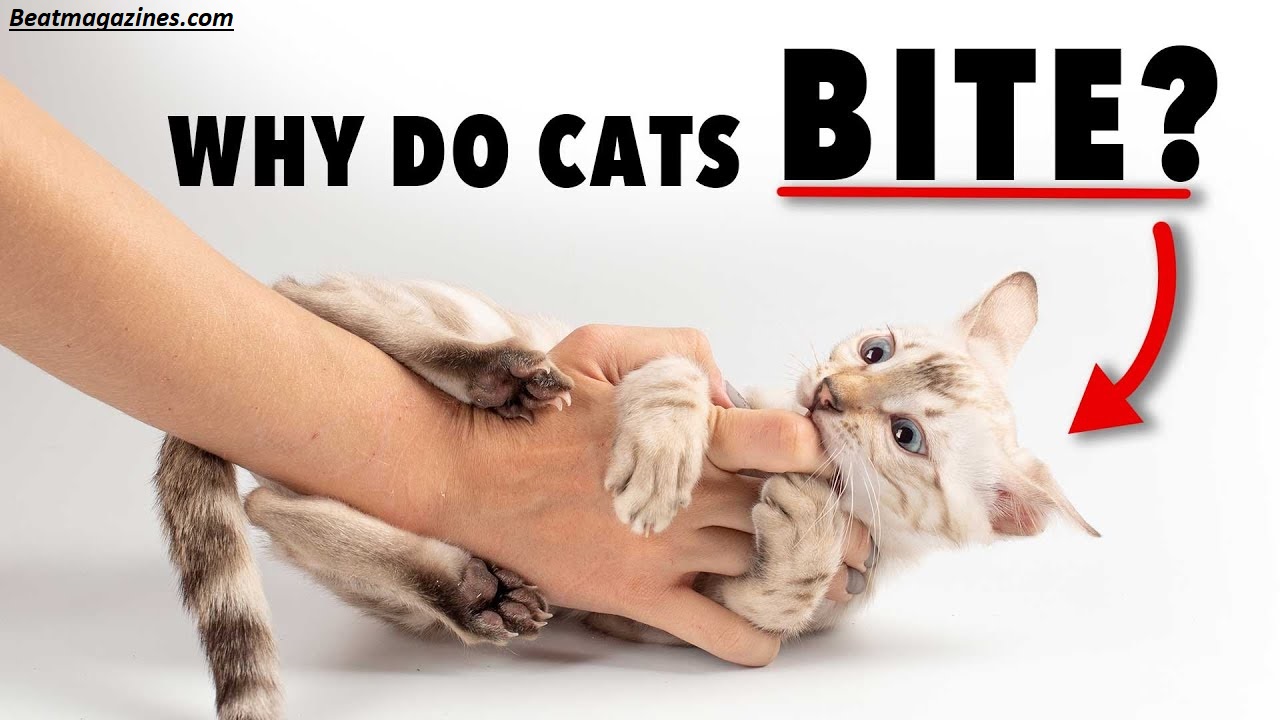
Why Do Cats Bite? Cats bite for several reasons, often related to communication, play, or stress.
Kittens may bite during play as a natural hunting behavior. Adult cats may bite to set boundaries, signal discomfort, or express overstimulation when being petted.
Some bites occur from fear or anxiety, especially in unfamiliar situations or around strangers. Additionally, medical issues or pain can make a cat more irritable and prone to biting.
Understanding a cat’s body language—like tail flicks, ear position, or tense muscles—helps prevent bites. Respecting their signals and providing safe play outlets reduces biting behavior.
Table of Contents
Quick Table
| Reason | What It Means | Common Signs | Solution |
|---|---|---|---|
| Play Aggression | Hunting instincts kick in | Biting during play | Use toys, not hands |
| Overstimulation | Too much petting | Tail flicking, ears back | Stop early |
| Fear or Anxiety | Defensive reaction | Hiding, hissing | Create safe space |
| Love Bites | Affection behavior | Gentle nibbling | Set boundaries |
| Territorial Behavior | Protecting space | Aggressive posture | Respect territory |
| Pain or Medical Issues | Physical discomfort | Sudden aggression | Visit vet |
| Learned Behavior | Trained unintentionally | Frequent biting | Retrain habits |
Is It Normal for Cats to Bite?
Yes — biting is a completely normal part of cat behavior, but that doesn’t mean it should be ignored. Cats use biting as a form of communication, not just aggression.
Unlike humans, they rely heavily on cat body language and physical actions to express emotions.
For example, a cat may bite to say “stop,” “I’m scared,” or even “I’m excited.”
This behavior often comes from natural instincts like hunting instincts, where biting is part of catching prey. Kittens especially show this during play as they learn survival skills.
However, not all biting is harmless. Some cases involve feline aggression, defensive biting, or reactions triggered by stress and anxiety in cats.
If your cat bites frequently or suddenly, it may signal discomfort, fear, or even a health issue.
Understanding cat behavior signals is key. A bite is rarely random — it’s usually the final warning after subtle cues in their body language were missed.
So yes, biting is normal — but learning why it happens is what helps you manage and prevent it effectively.
7 Shocking Reasons Why Cats Bite
Cats don’t bite without a reason. Behind every bite is a trigger related to cat behavior, emotions, or instincts. From playful attacks to serious aggression, each cause tells you something important.
Some bites are harmless, like playful nips. Others come from fear response, discomfort, or territorial behavior. Many owners misunderstand these signals, which leads to repeated biting.
Let’s break down the 7 most common (and surprising) reasons why cats bite — and what they really mean.
Play Aggression
One of the most common causes is play aggression. Cats are natural hunters, and their hunting instincts drive them to stalk, chase, and bite — even indoors.
If your cat bites your hands or feet during play, it’s not anger — it’s practice. Kittens, especially, learn through biting while playing with siblings. Without proper training, they carry this behavior into adulthood.
Signs include pouncing, chasing, and sudden biting attacks. This type of feline aggression is usually not harmful but can become painful.
To fix it, never use your hands as toys. Instead, use interactive toys to redirect their energy. This helps satisfy their instincts without encouraging biting.
Overstimulation While Petting
Many cats enjoy affection — but only up to a point. Overstimulation in cats happens when petting goes on too long or in sensitive areas.
At first, your cat may seem relaxed. Then suddenly — bite! This is not random. It’s a reaction to sensory overload.
Watch for cat body language signs like:
- Tail flicking
- Ears turning back
- Skin twitching
These are clear cat behavior signals that your cat has had enough.
Ignoring these signs can lead to defensive biting. The key is to stop petting before your cat reaches that limit.
Fear or Anxiety
Fear is a major trigger for biting. When a cat feels threatened, its fear response activates, leading to defensive biting.
This can happen due to:
- Loud noises
- New environments
- Strangers or other animals
Cats experiencing stress and anxiety may hide, hiss, or suddenly bite when approached.
This type of aggression is about protection, not attack. The cat is trying to defend itself.
To reduce this, create a calm, safe environment. Give your cat space and avoid forcing interaction.
Love Bites
Surprisingly, some bites are actually signs of affection. These are called “love bites.”
They usually happen during petting or cuddling and are gentle. Cats use them as a form of communication, similar to grooming behavior.
However, even love bites can hurt if not controlled.
They often come with relaxed body language, like purring or kneading. Unlike aggressive bites, these are softer and less sudden.
Still, it’s important to set boundaries so your cat doesn’t learn that biting is always acceptable.
Territorial Behavior
Cats are territorial animals. Territorial behavior can cause biting when they feel their space is being invaded.
This may happen when:
- A new pet enters the home
- Someone touches their food or resting area
- They feel cornered
This leads to feline aggression and sometimes intense attacks.
Signs include:
- Stiff posture
- Growling
- Direct staring
Respecting your cat’s space and gradually introducing changes can reduce this type of biting.
Pain or Medical Issue
If your cat suddenly starts biting, it could be due to pain. Injuries or illnesses can make cats more sensitive and reactive.
Even gentle touch may trigger aggression if the cat is hurting.
Common causes include:
- Dental problems
- Arthritis
- Internal illness
This is why sudden behavioral changes should never be ignored. Pain-related biting is not behavioral — it’s medical.
In such cases, consult a vet immediately to rule out serious issues.
Learned Behavior from Humans
Sometimes, biting is unintentionally taught by owners. If you’ve ever played with your cat using your hands, you may have reinforced this behavior.
Cats learn quickly. If biting gets attention — even negative — they repeat it.
Kittens that were not trained properly often develop this habit. This creates long-term cat behavior issues.
The solution is retraining:
- Avoid hand play
- Reward gentle behavior
- Be consistent
Breaking learned biting takes time, but it’s completely possible.
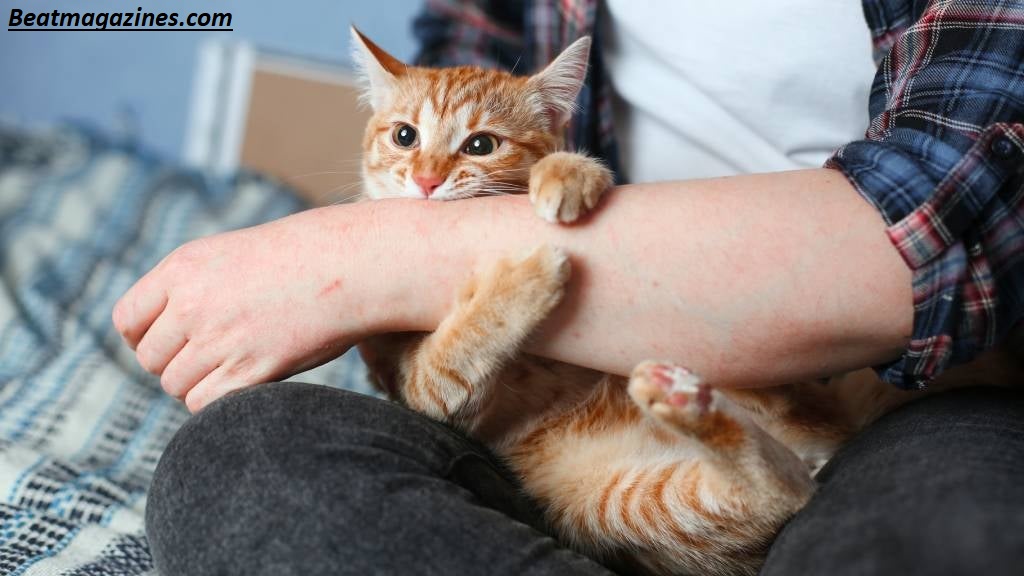
Warning Signs Before a Cat Bites
Cats rarely bite without warning. The problem is that many owners miss the subtle cat behavior signals that come before it.
Understanding cat body language can help you prevent bites before they happen.
Common Warning Signs:
- Tail flicking or whipping
- Ears pinned back
- Dilated pupils
- Growling or hissing
- Sudden stillness
- Skin rippling
These signals indicate rising aggression, discomfort, or overstimulation in cats.
For example, during petting, a flicking tail is often the first sign. If ignored, it escalates into defensive biting.
Recognizing these cues allows you to stop interaction early. This reduces both stress and injury.
How to Stop Your Cat from Biting (Step-by-Step)
Stopping biting requires patience and consistency. Here’s a proven step-by-step method:
Step 1: Identify the Trigger
Observe when and why your cat bites. Is it during play? Petting? Feeding time? Understanding the cause is crucial.
Step 2: Use Toys Instead of Hands
Redirect play aggression using toys. This satisfies hunting instincts safely.
Step 3: Learn Cat Body Language
Watch for early warning signs. Respect your cat’s limits to avoid overstimulation.
Step 4: Avoid Punishment
Punishing increases fear response and worsens aggression.
Step 5: Reward Good Behavior
Use treats and praise when your cat plays gently or stays calm.
Step 6: Create a Calm Environment
Reduce stress and anxiety in cats by providing safe spaces.
Step 7: Be Consistent
Consistency is key. Mixed signals confuse your cat and reinforce bad habits.
When You Should Be Concerned
Not all biting is harmless. Some situations require immediate attention.
If your cat’s biting becomes frequent, intense, or unpredictable, it may indicate deeper issues. Severe feline aggression can be linked to trauma, chronic stress, or medical problems.
Another concern is infection risk. Cat bites can break the skin and introduce bacteria, leading to infections in humans. If you’re bitten deeply, clean the wound and seek medical advice.
Watch for these red flags:
- Sudden personality changes
- Aggressive biting without warning
- Signs of pain or illness
- Increased stress and anxiety in cats
In these cases, consult a veterinarian or animal behaviorist. Early intervention can prevent serious problems.
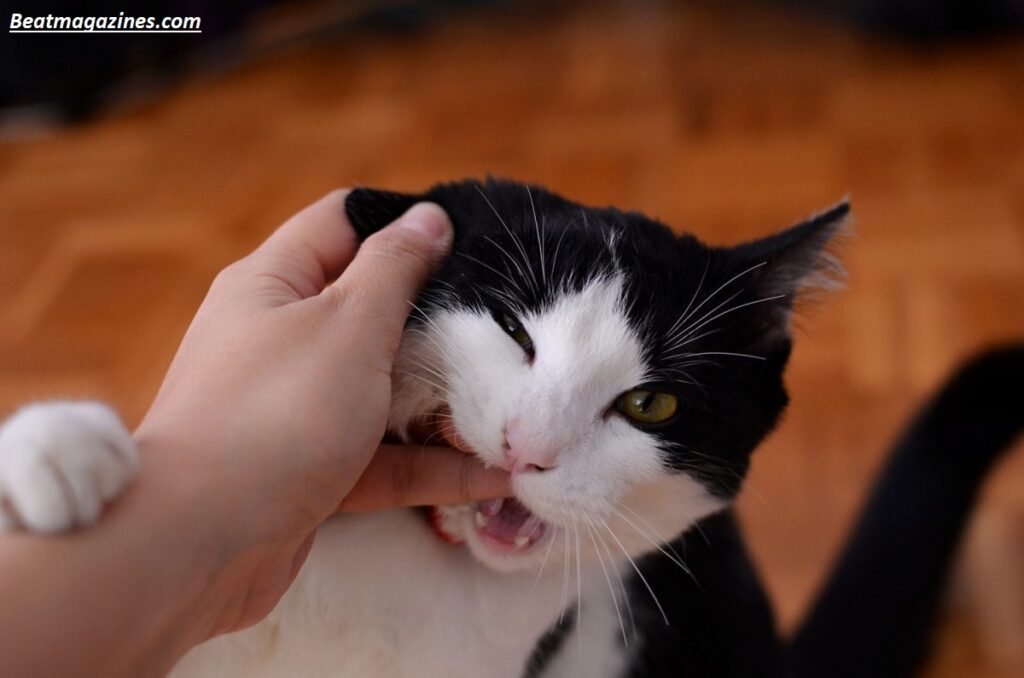
FAQ’s
Why does my cat bite me suddenly?
Usually due to overstimulation, fear, or missed warning signs.
Why do cats bite while purring?
Often “love bites” — a form of communication.
Is biting a sign of aggression?
Not always. It can also be playful or affectionate.
How do I stop play aggression?
Use toys and avoid using hands during play.
Are cat bites dangerous?
Yes, due to infection risk, especially if the skin is broken.
Conclusion
Understanding why cats bite is essential for building a healthy relationship with your pet. Biting is not random — it’s a natural part of cat behavior, shaped by instincts, emotions, and environment.
From play aggression to fear response, every bite has a reason. By learning cat body language and recognizing cat behavior signals, you can prevent most biting incidents before they happen.
Many owners make the mistake of ignoring early signs or unintentionally reinforcing bad habits. But with the right approach — including proper training, environmental adjustments, and patience — biting can be reduced significantly.
Also, never overlook serious causes like pain or illness. Sudden changes in behavior should always be checked.
In the end, your cat isn’t trying to hurt you — it’s trying to communicate. Once you understand that language, everything changes.
A calm, informed approach will not only stop biting but also strengthen your bond with your cat.