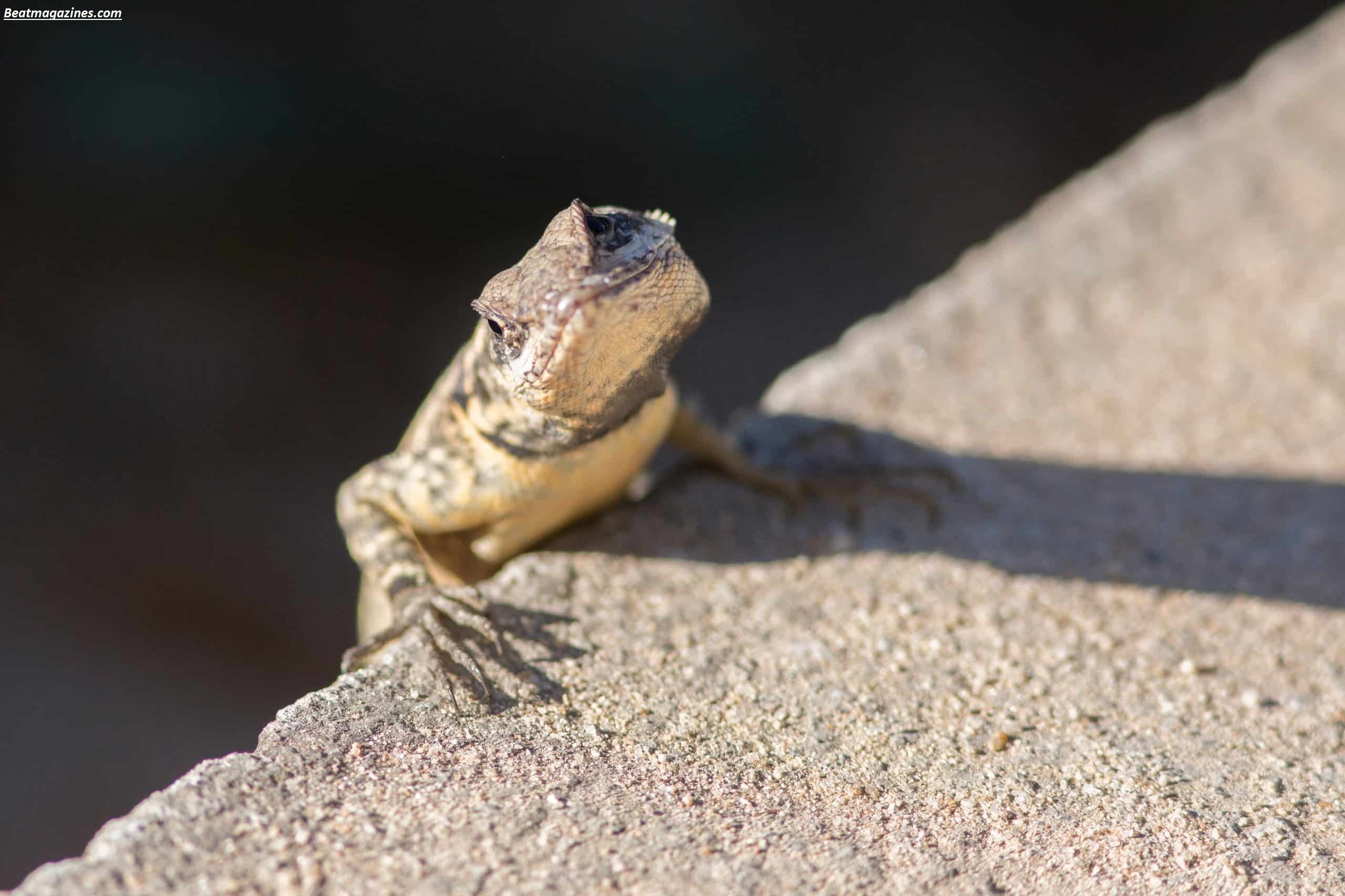
Why Do Lizards Do Push Ups? Lizards often appear to do “push-ups,” but this behavior is actually a form of communication.
Many species, such as the Green Anole and the Western Fence Lizard, use push-up displays to signal territory, attract mates, or warn rivals.
By raising and lowering their bodies, they make themselves more visible and show strength to other lizards nearby. Males perform this behavior more often, especially during the breeding season.
Push-ups may also help lizards regulate body temperature by adjusting their posture in sunlight. In short, these movements are a mix of social signaling, dominance display, and natural instinct rather than exercise.
Quick Table
| Behavior | What It Means | Key Purpose |
|---|---|---|
| Push ups / head bobbing | Visual communication | Sending signals to others |
| Fast push ups | Aggression or dominance | Warning rival males |
| Slow push ups | Courtship display | Attracting a mate |
| Repeated push ups | Territory defense | Claiming space |
| Push ups at humans | Alert or curiosity | Possible threat assessment |
| Body lifting | Thermoregulation | Adjusting body temperature |
Why Do Lizards Do Push Ups
If you’ve ever seen a lizard doing push ups, you probably thought it looked like a tiny workout session. But in reality, it has nothing to do with exercise. So, why do lizards do push ups?
Lizards perform push ups as a form of communication. These movements are part of their body language, allowing them to send clear visual signals to other animals.
Since many lizards rely more on sight than sound, this behavior plays a major role in how they interact with their environment.
The push-up motion is often combined with head bobbing and sometimes the display of a dewlap (throat flap), especially in species like anoles.
Together, these actions help lizards communicate messages such as dominance, attraction, warning, or even curiosity.
For example, a male lizard may perform rapid push ups to show strength and scare away rival males, while slower, rhythmic movements may be used during mating or courtship.
In other cases, push ups act as a threat display to warn predators or intruders.
In simple terms, when a lizard does push ups, it’s not exercising—it’s talking. Understanding this behavior helps you better interpret what these fascinating creatures are trying to “say.”
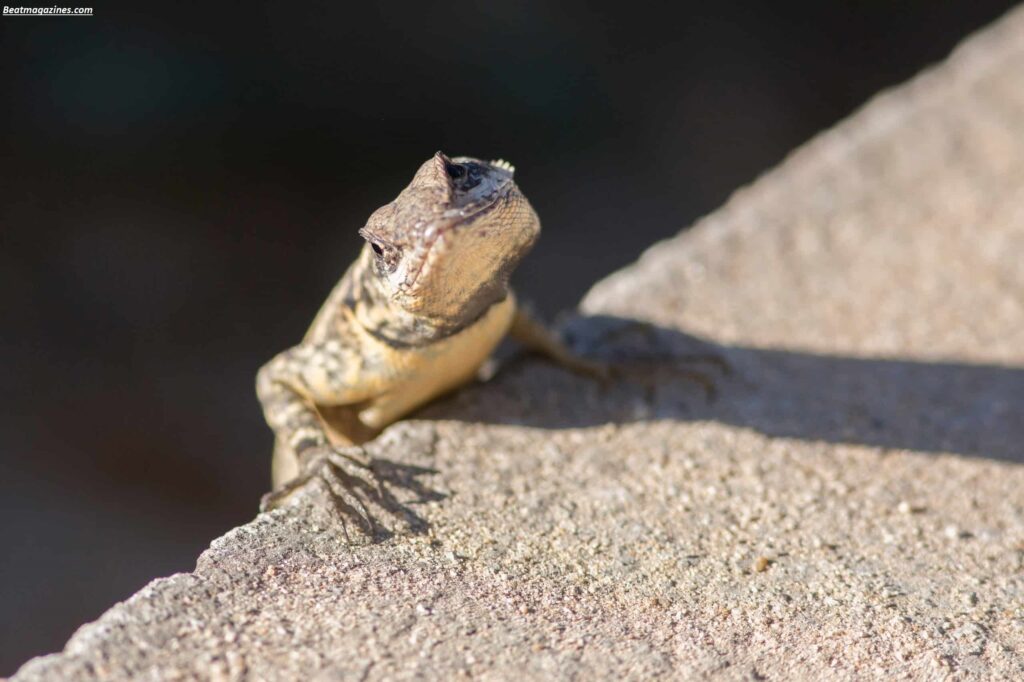
5 Fascinating Reasons Lizards Do Push Ups
Communication
The most important reason why lizards do push ups is communication. Lizards rely heavily on visual signals instead of sounds, making movements like push ups and head bobbing essential for survival.
These signals help them express intentions clearly to other lizards.
Through this behavior, they can signal dominance, attract mates, or warn others to stay away. The push-up motion exaggerates their body size, making the message more noticeable.
In species with a dewlap, the throat flap expands to add more visual impact.
In short, push ups are a lizard’s way of “talking” without making noise.
Defending Territory
Another major reason lizards do push ups is to defend their territory. Many species are highly territorial and use this behavior to warn intruders. When a rival enters their space, the resident lizard performs fast, intense push ups as a strength display.
This action signals dominance and tells other lizards to back off. The higher and more energetic the movement, the stronger the message. This helps avoid physical fights, which could be dangerous.
By using push ups as a warning system, lizards maintain control over their territory while reducing the risk of injury from direct confrontation.
Attracting a Mate
Push ups also play a key role in mating and courtship. Male lizards perform specific push-up patterns to impress females. These movements often include rhythmic head bobbing and sometimes displaying a colorful dewlap.
Females observe these displays to judge the male’s strength, health, and genetic quality. A strong, confident display increases the chances of mating success.
In this context, push ups act like a performance. The better the display, the more attractive the male appears. This is why mating-related push ups are often slower, more controlled, and repeated in patterns.
Warning Predators
Lizards also use push ups as a predator warning or threat display. When they sense danger, they may perform push ups to show that they are alert and ready to escape.
This behavior can confuse or intimidate predators. By making themselves appear larger and more active, lizards signal that they won’t be easy prey. In some cases, this display causes predators to hesitate or lose interest.
Push ups in this situation are often quick and sharp, combined with intense body language. It’s a survival tactic that helps lizards avoid becoming a meal.
Regulating Body / Other Reasons
Beyond communication and survival, push ups may also help with body regulation. Lizards are cold-blooded, meaning they depend on external temperatures to control their body heat.
By lifting their bodies during push ups, they can adjust how much of their skin is exposed to sunlight or airflow. This can help with thermoregulation, especially in hot environments.
Additionally, push ups may help prepare muscles for movement, acting as a light warm-up. While not their primary purpose, these physical benefits support overall activity and responsiveness in the wild.

Do All Lizards Do Push Ups?
Not all lizards do push ups, but many species do. This behavior is especially common in anoles, iguanas, and some types of agamas.
These lizards rely heavily on visual communication, making push ups and head bobbing an important part of their behavior.
However, some lizards do not use push ups at all. Species that are more nocturnal or rely on camouflage may depend less on visual signals and more on hiding or staying still to survive.
For these lizards, movement could attract unwanted attention from predators.
Even among species that do perform push ups, the behavior can vary. Some use fast, aggressive movements to show dominance, while others perform slower, patterned displays for courtship.
The presence of a dewlap also changes how the display looks and functions.
Environmental factors also play a role. Lizards living in open, sunny areas are more likely to use visible displays like push ups, while those in dense forests may rely less on them.
So, while push ups are common, they are not universal. The behavior depends on the species, habitat, and communication style of the lizard.
Why Do Lizards Do Push Ups at Humans?
If a lizard does push ups when it sees you, it can feel a bit strange. But what does it actually mean?
In most cases, lizards perform push ups at humans as a form of alert communication. They may see you as a potential threat or simply as a large, unfamiliar presence.
The push ups act as a warning signal, telling you to keep your distance.
This behavior is similar to how they react to rival males or predators. The lizard is essentially saying, “I see you, and I’m ready.” It’s a mix of curiosity and caution.
Sometimes, the behavior can also be defensive. The lizard may be trying to appear bigger through a strength display, hoping to discourage you from getting closer.
This is especially common in territorial species.
In rare cases, the lizard may not fully recognize humans as a threat and is simply reacting to movement. The push ups then become a general response to anything entering its space.
So, when a lizard does push ups at you, it’s not being friendly—it’s communicating. The best response is to observe from a distance and avoid sudden movements.

FAQ’s
Why do lizards bob their heads?
Head bobbing is a form of communication used alongside push ups to send visual signals.
Do lizards do push ups to communicate?
Yes, communication is the main reason behind this behavior.
Are lizard push ups a sign of aggression?
Sometimes. Fast push ups often indicate aggression or dominance.
Do female lizards do push ups?
Rarely, but some females may use subtle versions of this behavior.
Why do lizards do push ups at you?
They see you as a threat or are reacting to your presence.
Conclusion
Lizards doing push ups might look amusing, but this behavior is actually a complex and important part of their survival.
From communication to territory defense, mating displays, and even predator warning, each movement carries meaning.
These push ups are not random. They are carefully evolved visual signals that help lizards interact with their environment without making sound.
Combined with head bobbing, body language, and sometimes a colorful dewlap, they form a powerful communication system.
Understanding why lizards do push ups also helps us appreciate how different species adapt to their surroundings.
Whether they are warning rival males, attracting a mate, or reacting to humans, their behavior is purposeful and strategic.
What makes this even more fascinating is that not all lizards behave the same way. Their actions depend on species, habitat, and situation, making each encounter unique.
So next time you see a lizard doing push ups, you’ll know it’s not working out—it’s sending a message. And if you pay close attention, you might even understand what it’s trying to say.