
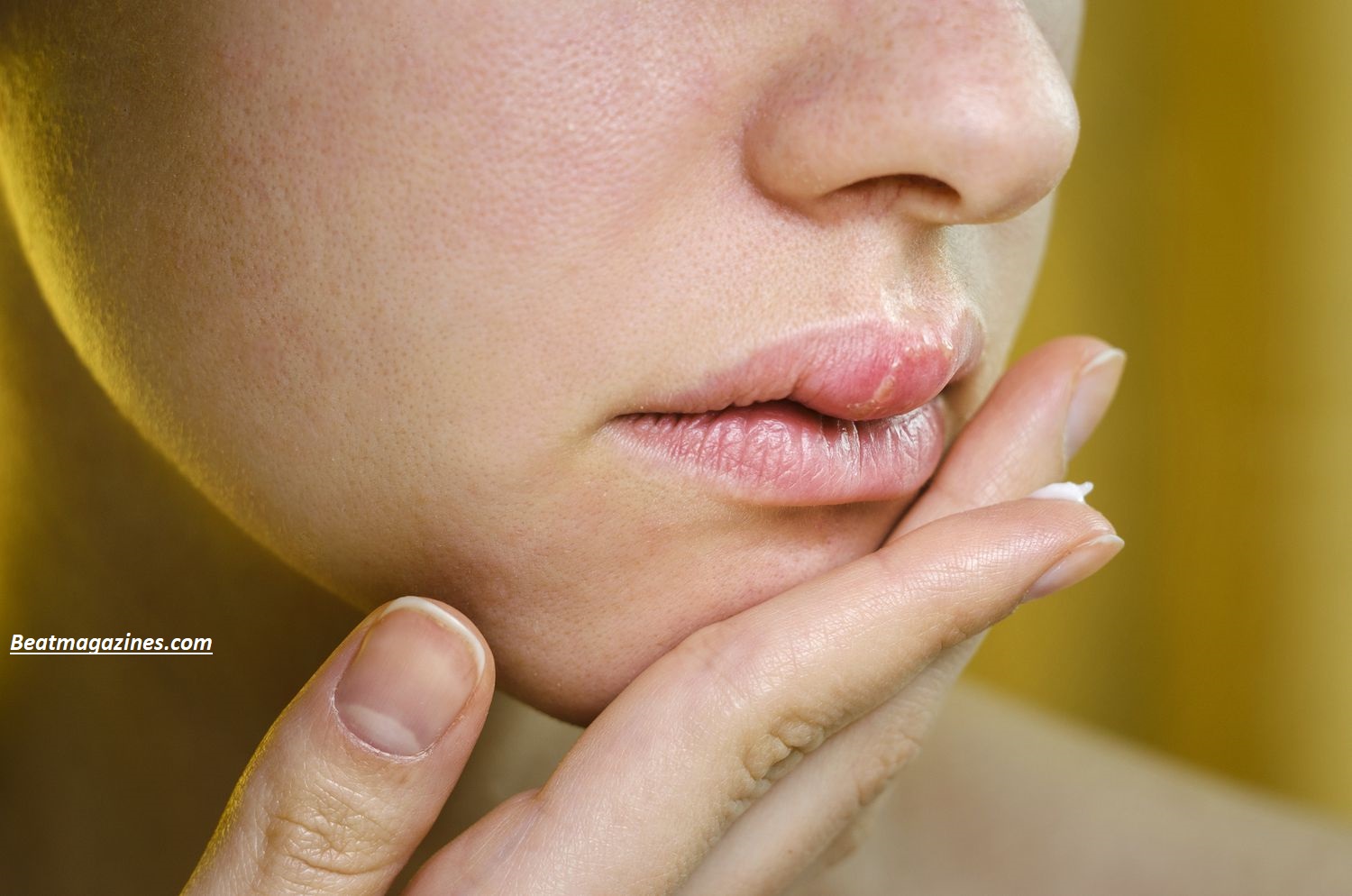
Why Do I Have a Bump on My Lip? Lip bumps are more common than you might think. Most people notice a small bump, blister, or swelling on their lips at least once in their lifetime.
While many bumps are harmless, some may indicate underlying medical conditions that require attention.
Understanding the different types of bumps, their causes, and treatment options is crucial to keeping your lips healthy.
In this article, we’ll cover 9 common causes of bumps on lips, how to identify them, treatment options, prevention tips, and when to see a doctor.
Table of Contents
Quick Table
| Lip Bump Type | Typical Appearance | Pain Level | Causes | Treatment |
|---|---|---|---|---|
| Cold Sores | Fluid-filled blisters | Painful | HSV-1 Virus | Antiviral creams, oral medications |
| Canker Sores | White or yellow ulcer | Painful | Stress, injury | Topical treatments, saltwater rinse |
| Mucocele | Soft, translucent lump | Usually painless | Salivary gland blockage | Often resolves, surgical removal if persistent |
| Fordyce Spots | Small, yellow-white spots | Painless | Sebaceous glands | Usually harmless, cosmetic treatment optional |
| Allergic Reactions | Red, swollen bumps | Itchy or painful | Allergens, foods | Antihistamines, avoid triggers |
| Oral Thrush | White patches | Mild discomfort | Fungal infection | Antifungal medication |
| Perioral Dermatitis | Red, scaly bumps | Mild itching | Irritants, skincare products | Topical antibiotics |
| Hand, Foot & Mouth Disease | Red, blister-like bumps | Painful | Viral infection | Supportive care, hydration |
| Oral Cancer | Firm, persistent bump | Painless early | Smoking, alcohol, HPV | Medical evaluation and treatment |
What Is a Bump on Your Lip?
A bump on your lip is any small raised area, swelling, or protrusion on the surface of your lips. Bumps can be painless or painful, solid or fluid-filled, and may appear suddenly or gradually over time.
Many people confuse harmless bumps like Fordyce spots or mucoceles with serious conditions such as oral cancer. Understanding what causes these bumps is the first step in proper care.
Lip bumps can result from infection, viral exposure, bacterial conditions, or minor injuries.
Some bumps are linked to salivary gland blockages, while others may be triggered by allergic reactions or immune responses.
The size, color, and texture of the bump, along with associated symptoms like pain, redness, swelling, or fluid-filled blisters, can help you differentiate between harmless and serious causes.
Most bumps heal on their own within a few days or weeks, but some require medical attention. By recognizing the type of bump and its likely cause, you can choose the right treatment, reduce discomfort, and prevent recurrence.
Many factors can cause bumps on your lips. While some are minor and resolve naturally, others may need medical evaluation. Here are 9 of the most common causes:

Cold Sores
Cold sores are painful, fluid-filled blisters caused by the Herpes Simplex Virus (HSV-1).
They often appear on or around the lips and may cause redness, swelling, and tingling sensations before the blister forms. Cold sores are contagious, spreading through kissing, sharing utensils, or close contact.
While antiviral creams or oral medications can speed up healing, cold sores often reoccur, especially during stress, illness, or sun exposure.
Maintaining good lip hygiene and avoiding direct contact during outbreaks helps prevent spreading the virus.
Canker Sores
Canker sores are small, shallow ulcers that appear inside the mouth or on the lips. Unlike cold sores, they are not contagious.
They can cause pain, redness, and swelling, especially when eating or drinking acidic foods. Common triggers include stress, hormonal changes, or minor lip injuries.
Treatment usually involves topical ointments, mouth rinses, or saltwater solutions to reduce pain and promote healing.
Most canker sores heal within 1–2 weeks, but persistent or unusually large sores may require medical evaluation to rule out underlying conditions.
Mucocele
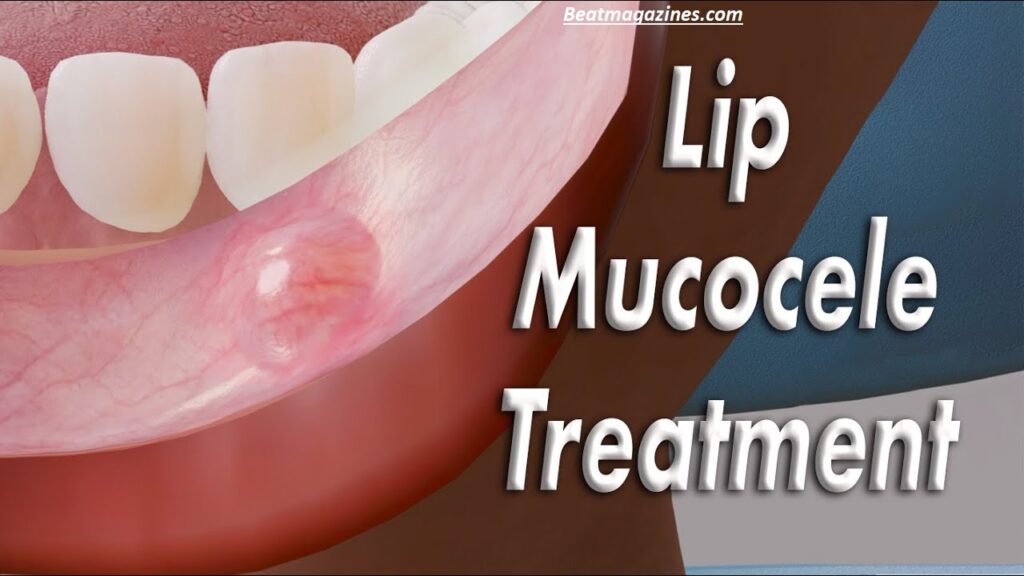
A mucocele is a soft, fluid-filled lump that forms when a salivary gland becomes blocked. These bumps are usually painless and translucent, appearing on the inner lip or under the lip.
They can occur due to lip biting, trauma, or irritation. Most mucoceles resolve on their own over time, but persistent or large cysts may need minor surgical removal.
Proper lip care, avoiding repeated biting, and monitoring for changes in size or color can help prevent recurrence.
Fordyce Spots
Fordyce spots are small, yellow-white bumps on the lips or inside the mouth.
They are harmless, painless, and natural sebaceous glands that do not indicate infection or disease. Although cosmetic concerns may arise, treatment is generally unnecessary.
Some people choose laser therapy or topical treatments for cosmetic reasons, but most experts recommend leaving them alone. These spots are common in adults and do not cause any systemic health issues.
Awareness and education about their harmless nature are important to reduce unnecessary anxiety.
Allergic Reactions
Allergic reactions on the lips can cause red, swollen, itchy bumps. Common triggers include foods, cosmetics, toothpaste, or medications.
Swelling can be accompanied by redness, pain, or a burning sensation. Severe allergic reactions may also involve hives or difficulty breathing, which require immediate medical attention.
Mild reactions often resolve with antihistamines, cold compresses, and avoiding the allergen. Tracking the source of the reaction and avoiding it in the future is key for preventing recurring lip bumps.
Oral Thrush
Oral thrush is a fungal infection caused by Candida overgrowth. It leads to white patches or small bumps on the lips, tongue, or inside the mouth.
Thrush can cause mild pain, redness, and irritation, especially in people with weakened immunity, diabetics, or those taking antibiotics.
Treatment involves antifungal medications, maintaining good oral hygiene, and dietary adjustments to limit sugar intake.
Early recognition and treatment are important to prevent the infection from spreading to other areas of the mouth or throat.
Perioral Dermatitis
Perioral dermatitis is a skin condition causing red, scaly, or bumpy rashes around the mouth. It can cause small, itchy bumps on the lips or surrounding skin, often mistaken for acne.
Triggers include irritants like toothpaste, cosmetics, or topical steroids. The condition may worsen with excessive skin washing or harsh products.
Treatment usually involves topical or oral antibiotics, avoiding triggers, and gentle skincare routines. Proper diagnosis is important to differentiate it from infection or allergic reactions.
Hand, Foot & Mouth Disease
Hand, Foot & Mouth Disease (HFMD) is a viral infection common in children, caused by coxsackievirus.
It produces red, blister-like bumps on the lips, hands, and feet, often accompanied by fever and malaise. These bumps may be painful or itchy.
HFMD is highly contagious, spreading via close contact or contaminated surfaces. Treatment is mainly supportive, focusing on hydration, pain relief, and preventing infection.
Most cases resolve in 7–10 days, but parents should monitor for complications or severe dehydration.
Oral Cancer
Oral cancer may present as a firm, persistent bump on the lip. Early stages are often painless, which can delay detection.
Risk factors include smoking, alcohol consumption, HPV infection, and prolonged sun exposure. Other warning signs may include ulcers that do not heal, changes in color, and persistent swelling.
Early detection is critical, so anyone with a persistent bump lasting more than 2–3 weeks should seek medical evaluation.
Treatment often involves surgery, radiation, or chemotherapy, depending on the stage.
Other Minor Causes
Other minor causes of lip bumps include trauma, lip biting, sunburn, or blocked pores. These bumps are usually small, painless, and temporary.
Lip irritation from harsh foods, cosmetics, or environmental factors can also cause redness or mild swelling.
While most of these bumps resolve within days, maintaining good lip hygiene, avoiding repeated trauma, and using lip balm can prevent recurrence.
Monitoring changes in size, color, or pain ensures that more serious causes are not overlooked.
How to Tell What Type of Bump You Have
Identifying the type of bump on your lip involves observing appearance, pain level, timing, and triggers. Here’s a guide to help:
- Painful, fluid-filled blisters → Likely cold sores or HFMD
- Small ulcers or white spots → Often canker sores or oral thrush
- Soft, translucent lumps → Usually mucocele
- Yellow or white spots → Likely Fordyce spots
- Red, itchy bumps → Possible allergic reaction or perioral dermatitis
- Firm, persistent, painless lumps → Consider oral cancer
Other factors include timing (sudden vs gradual onset), frequency (recurrent vs one-time), and associated symptoms like fever or malaise. Tracking triggers (foods, cosmetics, stress, injuries) can help differentiate causes.
A symptoms checklist table can help:
| Symptom | Possible Cause |
|---|---|
| Fluid-filled blisters | Cold sores, HFMD |
| Painful ulcers | Canker sores |
| White patches | Oral thrush |
| Small yellow spots | Fordyce spots |
| Red, itchy swelling | Allergic reaction, perioral dermatitis |
| Firm, persistent lump | Oral cancer |
Observing these patterns helps determine if home care is sufficient or if medical evaluation is needed.
When to See a Doctor
Most lip bumps are harmless, but certain red flags require medical attention:
- Persistent lumps lasting more than 2–3 weeks
- Rapidly growing or firm bumps
- Painful, bleeding, or ulcerated areas
- Recurring or spreading blisters
- Associated systemic symptoms like fever, fatigue, or weight loss
Conditions such as oral cancer, severe allergic reactions, HFMD in children, or secondary infections require prompt evaluation.
A doctor may perform physical exams, biopsy, blood tests, or viral testing depending on the suspected cause. Early diagnosis ensures effective treatment and prevents complications.
Additionally, if you have underlying health conditions such as diabetes or a weakened immune system, even minor bumps can develop into infections.
Monitoring your lips regularly and keeping a log of changes can aid your physician in making an accurate diagnosis.
Treatment Options
Treatment varies depending on the cause of the bump:
| Cause | Treatment |
|---|---|
| Cold Sores | Antiviral creams (acyclovir), oral antivirals, avoid triggering factors |
| Canker Sores | Topical analgesics, saltwater rinses, avoiding irritants |
| Mucocele | Usually self-resolves, surgical removal if persistent |
| Fordyce Spots | Cosmetic treatment if desired, otherwise none |
| Allergic Reactions | Antihistamines, cold compresses, avoiding allergen |
| Oral Thrush | Antifungal medications, proper oral hygiene |
| Perioral Dermatitis | Topical or oral antibiotics, avoid irritants |
| HFMD | Supportive care, hydration, pain relief |
| Oral Cancer | Surgery, radiation, chemotherapy |
Supporting care includes good oral hygiene, lip moisturization, avoiding trauma, and using gentle skincare. For viral or bacterial infections, prescribed medications shorten recovery time, reduce discomfort, and prevent recurrence.
Prevention & Care
Preventing lip bumps involves daily care, lifestyle changes, and avoiding triggers:
- Maintain oral hygiene: Brush and floss regularly
- Avoid lip trauma: No biting, scratching, or harsh exfoliation
- Use sun protection: Lip balm with SPF
- Avoid allergens: Monitor cosmetics, foods, and dental products
- Reduce stress: Stress management helps prevent cold sores and canker sores
- Healthy diet: Support immune function with vitamins, hydration, and balanced nutrition
- Regular dental check-ups: Detect infections or abnormalities early
- Monitor for persistent changes: Any firm, growing, or bleeding bumps require evaluation
By following these strategies, you can reduce the likelihood of recurrent lip bumps, keep your lips healthy, and distinguish harmless bumps from serious conditions.
FAQ
Can a bump on my lip be contagious?
Yes, cold sores and HFMD are contagious. Avoid direct contact during outbreaks.
How long does a mucocele last?
Many mucoceles resolve within weeks, but persistent ones may need minor surgical removal.
Are Fordyce spots dangerous?
No, they are harmless sebaceous glands and require no treatment unless cosmetic concern.
When should I worry about a lip bump?
Persistent, firm, or rapidly growing bumps, or those with bleeding, should be evaluated by a doctor.
Can allergies cause lip bumps?
Yes, allergic reactions can cause red, swollen, or itchy bumps on the lips. Avoid triggers and use antihistamines if needed.
Conclusion
A bump on your lip can range from harmless spots to signs of serious medical conditions.
By understanding the 9 common causes—cold sores, canker sores, mucocele, Fordyce spots, allergic reactions, oral thrush, perioral dermatitis, HFMD, and oral cancer—you can identify the likely cause, provide proper care, and seek treatment if necessary.
Observing symptoms such as pain, swelling, redness, fluid-filled blisters, or persistent firmness helps distinguish minor issues from more serious concerns.
Tracking triggers, maintaining good oral hygiene, protecting lips from trauma, and monitoring changes in size, color, or pain are essential for prevention.
Most bumps resolve naturally, but early detection of conditions like oral cancer or infections ensures effective treatment.
Use the strategies outlined here for prevention, home care, and timely intervention.
With careful attention, education, and prompt action when needed, you can keep your lips healthy, avoid unnecessary worry, and address any underlying issues quickly.