Why Are My Gums Receding? Receding gums happen when the gum tissue around your teeth pulls back or wears away, exposing more of the tooth or even the root.
A common cause is Gum Disease, a bacterial infection that damages the gums and supporting bone. Brushing too hard, using a hard toothbrush, poor oral hygiene, smoking, and genetics can also lead to gum recession.
Over time, this may cause tooth sensitivity and increase the risk of cavities near the roots.
If you notice your gums pulling back or your teeth looking longer, it’s important to see a dentist early to prevent further damage and protect your oral health
Quick Table
| Issue | What It Means | Risk Level | Can It Be Fixed? |
|---|---|---|---|
| Gum recession | Gums pulling away from teeth | Medium–High | Yes (early stages) |
| Periodontal disease | Advanced gum infection | High | Treatable |
| Tooth sensitivity | Exposed tooth roots | Medium | Manageable |
| Plaque buildup | Bacteria on teeth | High | Preventable |
| Bone loss | Jawbone deterioration | Severe | Limited reversal |
What Are Receding Gums?
Receding gums, also known as gingival recession, occur when the gum tissue surrounding your teeth pulls back or wears away.
This exposes more of the tooth—or even the exposed tooth roots—making your teeth appear longer than usual.
Healthy gums should fit snugly around your teeth. But when gum tissue damage happens, gaps can form between your teeth and gums.
These gaps allow harmful bacteria to build up, leading to bacteria infection, plaque buildup, and eventually periodontal disease.
One of the biggest warning signs is increased tooth sensitivity, especially when eating hot, cold, or sweet foods. This happens because the protective enamel doesn’t cover the roots of your teeth.
Gum recession doesn’t happen overnight. It’s usually the result of long-term issues like poor dental hygiene, aggressive brushing, or untreated gum disease. If left untreated, it can lead to serious complications such as bone loss and tooth instability.
The good news? Early detection can prevent permanent damage. Understanding the causes is the first step toward protecting your smile.
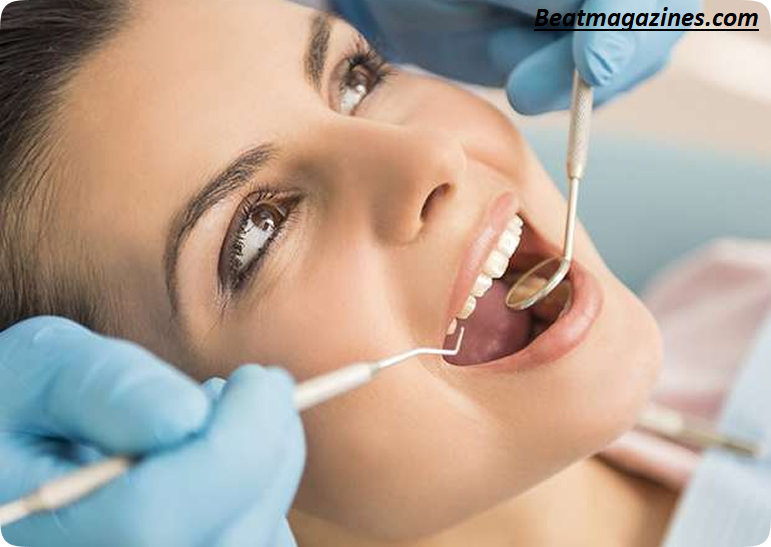
Why Are My Gums Receding?
If you’re asking, “Why are my gums receding?” the answer often lies in a combination of lifestyle habits and underlying dental conditions.
The most common receding gums causes include periodontal disease, aggressive brushing, smoking, genetics, and poor dental hygiene.
Over time, these factors lead to plaque buildup, which harbors harmful bacteria. This bacteria triggers inflammation and infection, resulting in gum tissue damage and gradual gum loss.
Other factors like hormonal changes, teeth grinding, and misaligned teeth can also contribute. Identifying the root cause early is essential to stopping further damage and protecting your oral health.
Periodontal Disease
Periodontal disease is the leading cause of gum recession. It starts with plaque—a sticky film of bacteria—that forms on your teeth due to poor dental hygiene. If not removed, plaque hardens into tartar, leading to a serious bacteria infection.
This infection damages the gums and supporting structures, causing gum tissue damage and eventually bone loss.
As the disease progresses, your gums begin to pull away from your teeth, creating pockets where more bacteria can grow.
Common gum disease symptoms include bleeding gums, bad breath, and swelling. Without treatment, periodontal disease can lead to tooth loss.
Brushing Too Hard
Brushing your teeth is essential—but doing it too aggressively can actually harm your gums. Using a hard-bristled toothbrush or applying too much pressure can wear away gum tissue over time.
This repeated trauma leads to gum tissue damage and eventually gum recession. Many people don’t realize they’re brushing too hard, especially if they believe it cleans better.
In reality, aggressive brushing can also wear down enamel, increasing tooth sensitivity and exposing exposed tooth roots.
Switching to a soft-bristled toothbrush and using gentle, circular motions can help prevent further damage and protect your gums.
Smoking
Smoking is a major risk factor for gum recession and periodontal disease. Tobacco reduces blood flow to the gums, making it harder for them to heal and fight off bacteria infection.
It also encourages plaque buildup, which increases the risk of gum disease. Smokers are more likely to develop severe gum tissue damage and experience faster progression of gum recession.
Another issue is that smoking can mask early gum disease symptoms, such as bleeding, making it harder to detect problems early.
Quitting smoking can significantly improve your oral health and reduce the risk of further gum damage.
Genetics
Sometimes, the answer to “why are my gums receding” lies in your genes. Some people are simply more prone to gum recession due to inherited traits.
Genetics can influence the thickness of your gum tissue, your immune response to bacteria, and your likelihood of developing periodontal disease. Even with good dental hygiene, you may still experience gum problems.
If gum disease runs in your family, it’s important to take extra precautions. Regular dental checkups and early intervention can help prevent severe gum tissue damage and bone loss.
Understanding your genetic risk allows you to take proactive steps to protect your smile.
Symptoms of Receding Gums
Recognizing the early gum disease symptoms can help you stop gum recession before it worsens.
One of the most noticeable signs is tooth sensitivity, especially when consuming hot, cold, or sugary foods. This occurs because the gums have pulled back, exposing the sensitive roots.
You may also notice your teeth appearing longer than usual—a classic sign of receding gums. In more advanced cases, you might see visible exposed tooth roots, which can look darker than the rest of the tooth.
Other symptoms include:
- Red, swollen, or bleeding gums
- Persistent bad breath caused by bacteria infection
- Loose teeth due to bone loss
- Gum tenderness or discomfort
As plaque buildup increases, it creates pockets between the teeth and gums. These pockets trap bacteria, accelerating gum tissue damage.
Many people ignore these symptoms until it’s too late. But early detection is key. If you notice any of these warning signs, taking action quickly can prevent serious complications.
Is Gum Recession Serious?
Yes—gum recession is more serious than many people realize.
At first, it may seem like a cosmetic issue. But over time, it can lead to severe oral health problems.
When gums recede, they expose the roots of your teeth, making them vulnerable to decay and increasing tooth sensitivity.
More importantly, untreated gum recession often signals underlying periodontal disease. This condition can destroy the supporting structures of your teeth, including the bone, leading to bone loss and tooth instability.
As the condition progresses, the gaps between your teeth and gums become breeding grounds for bacteria infection. This accelerates gum tissue damage and increases the risk of tooth loss.
Ignoring the problem can also impact your overall health. Studies have linked gum disease to heart disease and diabetes.
The bottom line: gum recession is not something you should ignore. Early treatment can prevent long-term damage and protect both your oral and overall health.
Can Receding Gums Grow Back?
One of the most common questions is: Can receding gums grow back?
Unfortunately, once gum tissue is lost, it doesn’t naturally regenerate. This means gum recession is usually permanent. However, that doesn’t mean it can’t be treated or managed.
In the early stages, improving your dental hygiene can stop the progression. Removing plaque buildup and controlling bacteria infection can prevent further gum tissue damage.
For more advanced cases, dental treatments like gum graft surgery can restore lost tissue and cover exposed tooth roots. Procedures like scaling and root planing can also help treat periodontal disease.
The key is early intervention. The sooner you address the issue, the better your chances of preserving your gums and avoiding severe complications like bone loss.
While gums may not grow back naturally, modern dentistry offers effective solutions to restore your smile and protect your teeth.
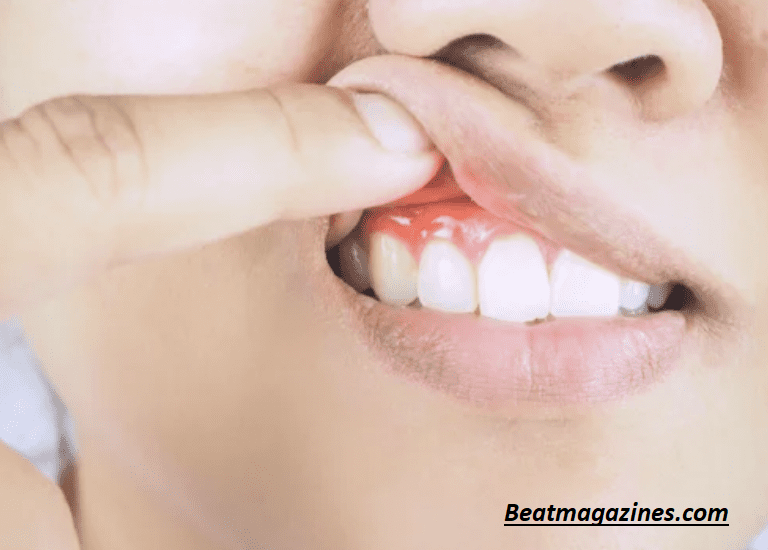
How to Stop Gum Recession
Stopping gum recession requires a combination of good habits and professional care.
Start by improving your dental hygiene:
- Brush twice daily with a soft-bristled toothbrush
- Use gentle motions to avoid gum tissue damage
- Floss daily to remove hidden plaque buildup
Using an antibacterial mouthwash can help reduce bacteria infection and prevent periodontal disease.
Lifestyle changes also play a big role. Quitting smoking, managing stress, and maintaining a balanced diet can improve gum health.
If you grind your teeth, wearing a mouthguard can prevent further damage. Addressing misaligned teeth can also reduce pressure on your gums.
Regular dental checkups are essential. Dentists can detect early signs of gum disease symptoms and provide treatments before the condition worsens.
Consistency is key. With the right care, you can slow or even stop the progression of gum recession.
Treatment Options
There are several effective treatments for gum recession, depending on the severity.
Non-Surgical Treatments:
- Scaling and root planing: Removes plaque buildup and bacteria from below the gum line
- Antibiotics to control bacteria infection
- Improved dental hygiene practices
Surgical Treatments:
- Gum graft surgery: Covers exposed tooth roots and restores lost tissue
- Regeneration procedures to rebuild bone loss and supporting structures
These treatments aim to stop gum tissue damage, reduce tooth sensitivity, and improve overall oral health.
Your dentist will recommend the best option based on your condition. Early treatment is less invasive and more effective.
When to See a Dentist
You should see a dentist as soon as you notice signs of gum recession.
Don’t wait if you experience:
- Persistent tooth sensitivity
- Bleeding or swollen gums
- Visible exposed tooth roots
- Loose teeth or signs of bone loss
These symptoms may indicate periodontal disease or a serious bacteria infection.
Regular dental visits are crucial, even if you don’t have symptoms. Dentists can detect early gum disease symptoms that you might not notice.
If you’re at higher risk—due to smoking, genetics, or poor dental hygiene—more frequent checkups may be necessary.
Early diagnosis can prevent severe gum tissue damage and save your teeth.
FAQ’s
What is the main cause of gum recession?
The most common cause is periodontal disease, combined with poor dental hygiene and plaque buildup.
Can brushing too hard cause receding gums?
Yes, aggressive brushing can lead to gum tissue damage and gum recession.
Is gum recession reversible?
No, but it can be treated and managed effectively.
How can I prevent gum recession?
Maintain good dental hygiene, avoid smoking, and visit your dentist regularly.
Are receding gums a sign of gum disease?
Often yes—they are a key indicator of gum disease symptoms.
Conclusion
If you’ve been wondering, “Why are my gums receding?”, the answer often comes down to a mix of habits, health conditions, and sometimes genetics.
Gum recession is more than just a cosmetic issue—it’s a warning sign of deeper problems like periodontal disease, bacteria infection, and even bone loss.
Ignoring it can lead to serious consequences, including tooth loss and long-term oral health complications.
The good news is that you have control.
By improving your dental hygiene, addressing plaque buildup, and making healthier lifestyle choices, you can slow or stop the progression of gum tissue damage.
Modern dental treatments also offer effective solutions, from deep cleaning procedures to advanced surgeries that restore lost tissue and protect exposed tooth roots.
The key is early action. Pay attention to gum disease symptoms like tooth sensitivity, bleeding gums, or visible changes in your smile.
Your gums are the foundation of your oral health. Taking care of them today can save you from serious problems tomorrow—and help you keep your smile healthy for years to come.