
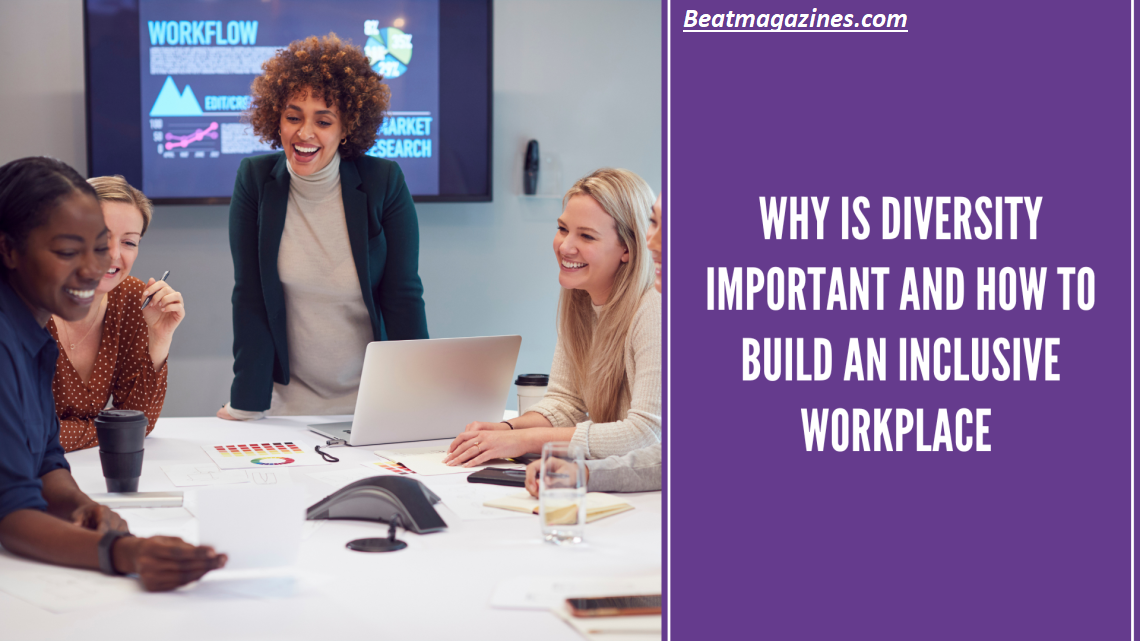
Why Is Diversity Important? Diversity is important because it brings together people with different backgrounds, perspectives, and experiences, leading to better ideas and stronger decisions.
In workplaces and communities, diversity encourages creativity, innovation, and problem-solving by allowing multiple viewpoints to be heard.
It also promotes fairness, inclusion, and respect, helping reduce bias and discrimination. Exposure to diverse cultures and opinions improves understanding and empathy among individuals.
Additionally, organizations that value diversity often perform better and adapt more easily to change.
Overall, diversity strengthens societies by fostering collaboration, equal opportunities, and a more inclusive environment for everyone.
Table of Contents
Quick Table
| Topic | Key Insight |
|---|---|
| Definition | Diversity includes differences in culture, identity, and thinking |
| Core Benefit | Drives innovation and creativity |
| Workplace Impact | Builds a strong, diverse workforce |
| Social Impact | Promotes social cohesion and social equality |
| Key Concept | Diversity and inclusion go hand in hand |
| Main Advantage | Better problem-solving and decision-making |
| Hidden Factor | Reduces unconscious bias |
| Global Role | Strengthens globalization and collaboration |
What Is Diversity?
Diversity refers to the presence of differences within a group, organization, or society.
These differences can include race, gender, age, religion, ethnicity, education, and even ways of thinking—also known as cognitive diversity.
In today’s interconnected world, diversity goes beyond visible traits and includes perspectives, experiences, and values that shape how people think and interact.
When we talk about cultural diversity, we are referring to the variety of cultural or ethnic groups within a society.
This plays a key role in shaping a multicultural environment where individuals learn from one another.
Diversity is closely linked to inclusion and equity, which ensure that all individuals feel valued and have equal opportunities to succeed.
A truly diverse environment embraces representation, allowing people from different backgrounds to have a voice. This leads to better collaboration, increased empathy, and stronger relationships.
In education, business, and communities, diversity in education and workplaces helps individuals gain exposure to new ideas. This exposure builds understanding and prepares people for a globalized world.
Ultimately, diversity is not just about differences—it’s about recognizing and leveraging those differences to create stronger, more inclusive systems that benefit everyone.
Why Is Diversity Important?
Understanding why diversity is important is essential in today’s global society.
Diversity brings together individuals with different experiences, ideas, and viewpoints, leading to better problem-solving and more innovative outcomes.
When people from varied backgrounds collaborate, they introduce diverse perspectives that challenge assumptions and improve decision-making.
One of the biggest benefits of diversity is its ability to foster innovation and creativity. Organizations and societies that embrace diversity often outperform those that do not because they can adapt more quickly to change.
Diversity also promotes equality and inclusion, ensuring that everyone has access to opportunities regardless of their background. This contributes to social equality and strengthens communities by building trust and social cohesion.
In the workplace, workplace diversity leads to a more dynamic and productive inclusive culture. Employees feel valued, which boosts morale and engagement.
In society, diversity helps break down stereotypes and reduces bias and unconscious bias.
With increasing globalization, diversity is no longer optional—it’s necessary. It helps individuals and organizations connect across cultures, expand their reach, and thrive in a competitive world.
10 Powerful Reasons Why Diversity Matters
Diversity matters because it shapes how we think, work, and interact. It strengthens communities, drives economic growth, and creates opportunities for innovation.
From improving collaboration to promoting equity, diversity impacts every aspect of life. Below are 10 powerful reasons why embracing diversity is essential for success in both personal and professional environments.
Boosts Innovation
Diversity plays a major role in driving innovation and creativity. When people from different backgrounds come together, they bring unique ideas and experiences.
This variety leads to fresh perspectives and new ways of solving problems.
A team with cognitive diversity can think beyond traditional methods and develop creative solutions. This is especially important in industries that rely on innovation to stay competitive.
Companies with a diverse workforce are more likely to create groundbreaking products and services.
By encouraging collaboration across cultures and viewpoints, diversity helps organizations stay ahead in a rapidly changing world. It transforms challenges into opportunities and fuels continuous improvement.
Improves Decision-Making
One key reason why diversity is important is its impact on decision-making. Diverse teams consider multiple viewpoints, leading to more informed and balanced decisions.
When individuals bring diverse perspectives, they challenge assumptions and reduce the risk of groupthink. This leads to better problem-solving and more effective strategies.
In an inclusive culture, everyone feels comfortable sharing ideas. This openness improves the quality of discussions and outcomes.
Research shows that diverse groups often outperform homogeneous ones in complex decision-making tasks.
By reducing bias and encouraging critical thinking, diversity helps organizations and communities make smarter, more effective decisions.
Encourages Creativity
Creativity thrives in diverse environments. Exposure to different cultures, ideas, and experiences sparks imagination and inspires new ways of thinking.
In a multicultural environment, individuals learn from each other and combine ideas to create something unique. This is why diversity is closely linked to innovation and creativity.
Creative thinking is essential in solving modern challenges. Whether in business, education, or society, diversity fuels the ability to think outside the box.
By embracing diversity, organizations can unlock the full creative potential of their teams and drive meaningful progress.
Promotes Equality
Diversity promotes equality and inclusion by ensuring that everyone has a fair chance to succeed. It supports equity, which focuses on providing resources based on individual needs.
When diverse groups are represented, it leads to greater social equality and fairness. People feel valued and respected, regardless of their background.
Promoting diversity helps break down barriers and challenges discrimination. It creates opportunities for underrepresented groups and encourages a more just society.
By fostering inclusion, diversity ensures that everyone can contribute and thrive.
Enhances Learning
Diversity plays a crucial role in education. Diversity in education exposes students to different perspectives, helping them develop critical thinking skills.
Learning in a diverse environment encourages empathy and understanding. Students gain insights into different cultures and viewpoints, preparing them for a globalized world.
This type of learning improves communication and collaboration skills. It also enhances the ability to adapt to new situations.
By promoting diversity, educational institutions create well-rounded individuals who are better equipped for success.
Builds Stronger Communities
Diversity strengthens communities by promoting social cohesion and mutual respect. When people from different backgrounds come together, they build connections and understanding.
Inclusive communities value representation and ensure that all voices are heard. This leads to stronger relationships and a sense of belonging.
Diversity also encourages collaboration in solving community issues. By working together, people can address challenges more effectively.
Stronger communities are more resilient and better able to adapt to change.
Drives Economic Growth
Diversity contributes to economic growth by fostering innovation and productivity. A diverse workforce brings a wide range of skills and ideas, leading to better performance.
Organizations that embrace diversity are more competitive and successful. They can reach broader markets and understand diverse customer needs.
In a global economy, diversity is essential for growth. It enables businesses to expand internationally and adapt to different cultures.
By promoting diversity, societies can create stronger economies and more opportunities for everyone.
Reduces Bias
Diversity helps reduce bias and unconscious bias by exposing individuals to different perspectives. This awareness challenges stereotypes and promotes understanding.
In an inclusive culture, people learn to appreciate differences rather than fear them. This leads to more fair and balanced interactions.
Reducing bias improves decision-making and strengthens relationships. It also creates a more welcoming environment for everyone.
By embracing diversity, organizations and communities can foster fairness and respect.
Expands Perspectives
One of the greatest benefits of diversity is its ability to expand perspectives. Exposure to different ideas and experiences broadens understanding.
This is especially important in a world shaped by globalization. Diverse perspectives help individuals navigate cultural differences and communicate effectively.
By learning from others, people become more open-minded and adaptable. This leads to better problem-solving and innovation.
Diversity encourages continuous learning and growth.
Strengthens Global Connections
Diversity plays a key role in building global connections. In a connected world, understanding different cultures is essential.
A multicultural environment fosters communication and collaboration across borders. This strengthens relationships and promotes international cooperation.
Organizations with diverse teams can operate more effectively in global markets. They understand cultural nuances and customer needs.
By embracing diversity, individuals and organizations can thrive in a globalized world.
Importance of Diversity in Workplace
Workplace diversity is essential for building a successful and innovative organization. A diverse workforce brings together individuals with different skills, experiences, and perspectives, leading to better outcomes.
In an inclusive culture, employees feel valued and respected.
This boosts morale, increases engagement, and improves productivity. Diversity also enhances collaboration, as team members learn from each other and share ideas.
Organizations that prioritize diversity and inclusion are more likely to attract top talent. They create an environment where everyone has equal opportunities to grow and succeed.
Workplace diversity also improves decision-making and problem-solving. By reducing bias and encouraging diverse perspectives, companies can develop more effective strategies.
In today’s competitive market, diversity is a key driver of success.
Importance of Diversity in Society
The importance of diversity in society cannot be overstated. Diversity promotes social cohesion by bringing people together and fostering mutual understanding.
A diverse society values equality and inclusion, ensuring that all individuals have access to opportunities. This leads to greater social equality and a more just world.
Diversity also encourages empathy and respect for different cultures. It helps break down stereotypes and reduces discrimination.
In a globalized world, diversity is essential for building strong and connected communities. It enables people to collaborate and solve problems together.
By embracing diversity, societies can create a more inclusive and harmonious future.
Challenges of Diversity
While diversity offers many benefits, it also comes with challenges. One common issue is communication barriers in a multicultural environment. Differences in language and cultural norms can lead to misunderstandings.
Another challenge is managing bias and unconscious bias. These biases can affect decision-making and create inequality if not addressed.
Building an inclusive culture requires effort and commitment. Organizations must invest in training and policies that promote equity and inclusion.
Conflicts may also arise due to differing perspectives. However, these conflicts can be resolved through open communication and collaboration.
By addressing these challenges, organizations and societies can fully benefit from diversity.
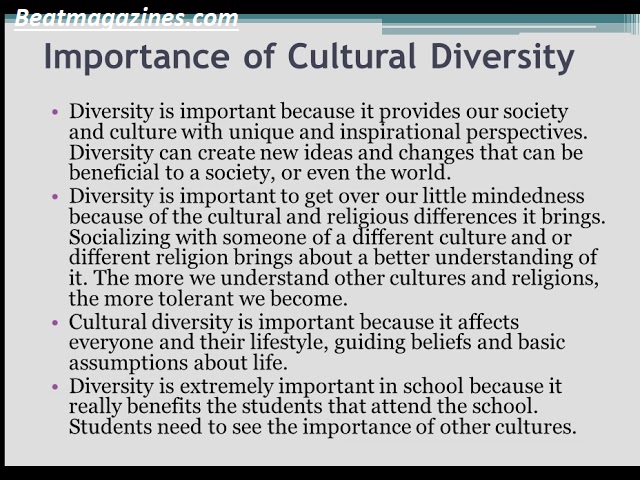
FAQs
Why is diversity important in simple terms?
Diversity is important because it brings different ideas, improves problem-solving, and creates fairness.
What are the main benefits of diversity?
The main benefits of diversity include innovation, better decision-making, and stronger communities.
How does diversity improve the workplace?
Workplace diversity boosts productivity, creativity, and employee satisfaction.
What is diversity and inclusion?
Diversity refers to differences, while inclusion ensures everyone feels valued and respected.
Why is diversity important in education?
Diversity in education helps students learn from different perspectives and develop empathy.
Conclusion
Diversity is more than just a concept—it is a powerful force that shapes our world.
Understanding why diversity is important helps us recognize its impact on innovation, collaboration, and growth.
From fostering innovation and creativity to promoting equality and inclusion, diversity benefits individuals, organizations, and society as a whole.
By embracing diverse perspectives, we can improve problem-solving, reduce bias, and build stronger relationships.
Diversity also plays a key role in driving economic growth and supporting globalization. It prepares us to navigate a complex and interconnected world.
However, achieving true diversity requires commitment. It involves creating an inclusive culture, promoting equity, and ensuring proper representation.
While challenges exist, they can be overcome through education, awareness, and collaboration.
In the end, diversity is not just important—it is essential. It helps us grow, learn, and create a better future for everyone.