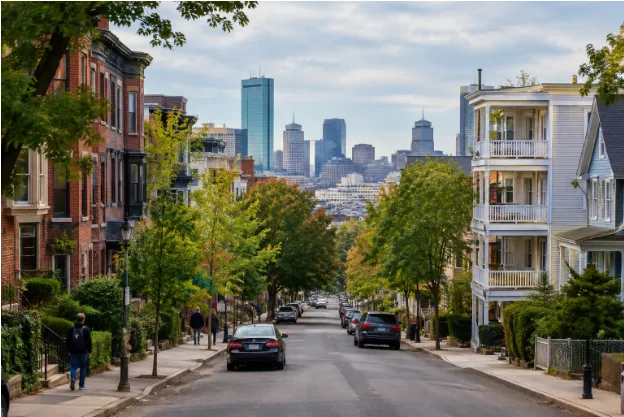
When you walk through the streets of the District, you see a landscape that is unlike any other city in the country. From the historic federal-style row houses in Georgetown to the sleek, modern glass towers rising in the Navy Yard, the architectural diversity is staggering. If you are planning a project here, whether it is a residential basement dig-out or a multi-unit commercial conversion, your first and most important partner is a qualified structural professional. Finding the top structural engineer Washington DC has to offer is not just about looking for a name on a website. It is about finding a strategist who understands the very specific, often difficult, constraints of building in the nation’s capital.
The structural integrity of your building is the silent foundation of your entire investment. In a city where buildings are often over a century old and share walls with neighbors, the margin for error is nonexistent. You need someone who can look behind the plaster and brick to see the reality of a 19th-century frame and then design a 21st-century solution that meets modern safety standards without compromising the historic soul of the property.
Navigating the District Regulatory Maze
One of the biggest hurdles you will face in your DC project is the regulatory environment. The transition from the old DCRA to the current Department of Buildings (DOB) and the Department of Licensing and Consumer Protection (DLCP) has created a steep learning curve for many. A top structural engineer Washington DC expert must be intimately familiar with these agencies. They should know exactly how to package a permit application to minimize the back-and-forth “cycles” of review that can stall a project for months.
If your property sits in a historic district, which many do, you are also dealing with the Historic Preservation Review Board (HPRB). This adds another layer of complexity to your structural engineering services. Your engineer needs to design solutions that are invisible from the street or that use materials compatible with the original construction. For example, if you are adding a rooftop deck to a row house in Capitol Hill, the structural reinforcements must be tucked away so they do not alter the silhouette of the building. Your engineer’s ability to speak the language of both the DOB and the HPRB is a skill that saves you time and a significant amount of stress.
Beyond the permits, there is the matter of the neighbors. In Washington DC, most residential projects involve shared party walls. If you are planning to remove a load-bearing wall to create an open-concept kitchen, you are essentially touching your neighbor’s house as well. A top-tier professional will prioritize a comprehensive structural inspection before a single hammer swings. They will assess the condition of the shared masonry and design a support system that ensures both your home and the one next door remain perfectly stable throughout the process.
The Technical Challenges of Urban Density
Space is at a premium in the District, which has led to a massive trend in basement “dig-outs” or underpinning. This is perhaps one of the most technically demanding tasks a structural engineer can tackle. You are essentially hollowing out the earth beneath an existing building while it is still standing. This requires a meticulous sequence of excavation and concrete pouring. The top structural engineer Washington DC firms will provide a highly detailed underpinning plan that account for soil composition, which varies surprisingly across the city, from the sandy heights of Tenleytown to the marshier soils near the Potomac.
Material selection is also changing. With the rise of sustainable building practices, many developers are looking into mass timber or advanced steel alloys. Even in smaller residential projects, the choice between engineered lumber and traditional steel beams can have a huge impact on your budget and your floor plan. Your engineer should be able to explain these options to you in plain English, helping you weigh the cost against the long-term benefits of each approach. They should be looking for ways to optimize the design to use less material while maintaining maximum strength. This kind of value engineering is what separates a standard consultant from a true leader in the field.
Another factor to consider is the local climate and seismic requirements. While DC is not exactly a high-risk earthquake zone, the 2011 Mineral earthquake taught the city a valuable lesson about masonry buildings. Modern codes now require specific lateral bracing and seismic considerations that did not exist when most of the city was built. Your engineer must ensure that your renovation brings the structure up to current safety codes, protecting your family and your property from future geological shifts or high-wind events.
Vetting Your Structural Partner
When you begin your search for the top structural engineer Washington DC provides, your vetting process needs to be rigorous. Start by confirming their licensing. A professional engineer (PE) license is mandatory, but you should also look for a Structural Engineer (SE) designation if your project is particularly complex. This indicates a higher level of testing and specialization. Ask them specifically about their experience with DC’s “Matter of Right” zoning versus special exceptions. If they do not know what those terms mean, they likely have not done enough work in the District to navigate your project effectively.
Communication is the other major factor. Structural engineering is a highly technical field, but your engineer should not hide behind jargon. You need someone who can walk you through the drawings and explain why a certain beam is necessary or why a specific foundation detail was chosen. They should be responsive to your contractor’s questions as well. During the construction phase, issues will inevitably pop up when walls are opened. You need an engineer who can get to the site quickly, assess the new information, and provide a revised detail so the crew can keep moving. A delay of three days while waiting for an engineer’s email can cost you thousands in labor and rental fees.
Look for a firm that has a diverse portfolio. An engineer who only does new-build suburban houses might struggle with the eccentricities of a 120-year-old brick row house. You want someone who has seen it all: bowing foundation walls, termite-damaged joists, and poorly executed DIY renovations from forty years ago. This experience allows them to anticipate problems before they become catastrophes. When you find that combination of local knowledge, technical brilliance, and clear communication, you have found the right partner for your project.