You have likely spent years searching for a way to lift the heavy weight of depression. For many, the first line of defense is medication. While antidepressants help millions of people, they do not work for everyone. You might have found yourself cycling through different prescriptions, dealing with frustrating side effects like weight gain, fatigue, or a general feeling of being emotionally numb. If you feel like you are running out of options, it is time to look at a biological approach that does not rely on chemistry. TMS Therapy: A Non-Drug Option for Depression Relief is changing the way people reclaim their lives without the baggage of systemic medication.
Understanding the Science of a Magnetic Approach
The concept of using magnets to treat the brain might sound like something from a science fiction movie, but it is grounded in decades of clinical research. Transcranial Magnetic Stimulation (TMS) works by using targeted magnetic pulses to stimulate specific areas of the brain that are underactive in people with depression. Specifically, it focuses on the prefrontal cortex, which is the region responsible for mood regulation and emotional control.
When you take a pill, the chemicals travel through your entire body. This is why you experience side effects in your digestive system or your sleep patterns. TMS is different because it is local. The magnetic field passes through the skull and induces a small electrical current in the brain tissue. This current encourages the neurons to fire more frequently, effectively “waking up” the parts of your brain that have gone quiet during a depressive episode. It is a way to rewire your neural pathways through physical stimulation rather than chemical intervention.
This method is non-invasive, meaning there is no surgery or anesthesia involved. You remain fully awake and alert throughout the entire process. Because the treatment is so focused, it avoids the systemic issues that often make traditional treatments difficult to tolerate. For many, this precision is the key to finding relief when nothing else has worked.
Knowing that TMS and other types of depression treatments are available can help people better understand which approaches may be right for their needs.
What Your Daily Treatment Experience Looks Like
One of the biggest concerns you might have when starting a new treatment is how it will fit into your daily life. Unlike some intensive mental health interventions, TMS is designed to be convenient. A typical session lasts between twenty and forty minutes, making it easy to schedule during a lunch break or before you head to work.
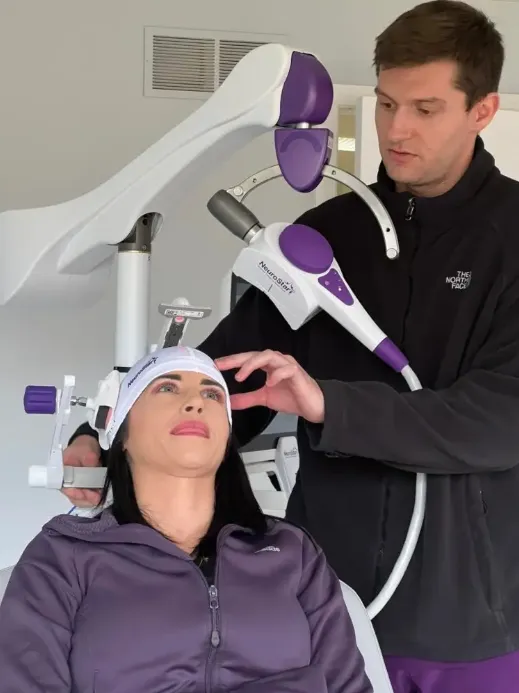
When you arrive for a session, you will sit in a comfortable chair, much like the one you see at a dentist office. A technician will place a small magnetic coil against your head. Once the machine starts, you will hear a clicking sound and feel a tapping sensation on your scalp. Many people describe it as a woodpecker tapping on a helmet. It is not painful, though it can feel a bit unusual during the first few sessions as your body adjusts to the sensation.
Because there is no sedation, there is no recovery time needed after a session. You can drive yourself home or go straight back to your office immediately after the appointment ends. This level of autonomy is a major benefit for people who need to maintain their professional and personal responsibilities while seeking innovative depression treatments. Most treatment plans involve sessions five days a week for several weeks to achieve the best results, as the brain needs consistent stimulation to create lasting changes.
The Benefits of Staying Drug-Free
The decision to pursue a non-drug option often comes down to quality of life. When you choose TMS, you are skipping the long list of warnings that come with antidepressants. There is no risk of the sexual dysfunction, nausea, or blurred vision that often accompanies pharmacological options. You get to keep your cognitive clarity and your physical energy levels intact.
Furthermore (Wait, the prompt bans “furthermore”, let’s use “Additionally”), additionally, TMS has shown a high success rate for those with treatment-resistant depression. Studies indicate that a significant number of patients see a substantial reduction in their symptoms, and many achieve full remission. This means that even if you have failed multiple rounds of medication, your brain is still capable of responding to this type of stimulation. It offers a sense of hope that is backed by clinical data rather than just trial and error with different pills.
Who is the Ideal Candidate for This Treatment?
You might be wondering if you are the right fit for this technology. Generally, TMS is recommended for adults who have not seen sufficient improvement from at least one antidepressant medication. It is also an excellent choice for individuals who cannot tolerate the side effects of drugs due to other medical conditions. If you are looking for mental health resources that prioritize long-term brain health over temporary chemical fixes, this could be the path forward.
There are very few restrictions, though it is not suitable for people with certain metal implants in or near the head, such as aneurysm clips or stimulators. During your initial consultation, a specialist will review your medical history to ensure that the magnetic pulses can be delivered safely. For the vast majority of people struggling with persistent low moods, it represents a safe and effective alternative to the traditional pharmaceutical model.
Taking the first step toward a new treatment can feel intimidating, but understanding the mechanics of your own brain can be empowering. You do not have to settle for a life of side effects or “good enough” results. By choosing a biological, non-drug approach, you are giving your brain the direct attention it needs to function at its best once again.
Onward Psychiatry
Phone: (617) 958-6036
Url: https://onwardpsychiatry.com/
1 Walpole St #6
Norwood, MA02062
US


