Colter Wall age has become a frequently searched topic among country music fans discovering this Canadian singer-songwriter’s timeless sound and wondering how someone so young can channel the spirit of country music legends.
Born on June 27, 1995, Colter Wall is currently 30 years old in 2025, yet his deep, gruff baritone voice sounds like it was pulled straight from a 1970s honky-tonk jukebox.
With his authentic Western style, narrative songwriting, and refusal to compromise his traditional country sound for mainstream appeal, Wall has carved out a unique space in modern country music that bridges generations and continues to attract devoted followers who appreciate genuine artistry over commercial polish.
Quick Facts About Colter Wall
| Category | Details |
|---|---|
| Full Name | Colter Wall |
| Date of Birth | June 27, 1995 |
| Age | 30 years old (as of 2025) |
| Birthplace | Swift Current, Saskatchewan, Canada |
| Nationality | Canadian |
| Zodiac Sign | Cancer |
| Height | 5 feet 9 inches (180 cm) |
| Weight | Approximately 154 lbs (70 kg) |
| Profession | Singer-Songwriter, Musician |
| Genres | Country, Folk, Western, Americana |
| Active Years | 2015 – Present |
| Net Worth | $2 million – $10 million (2025 estimates) |
| Record Labels | La Honda Records, RCA Records |
| Famous Songs | “Sleeping on the Blacktop”, “Kate McCannon”, “The Devil Wears a Suit and Tie” |
| Latest Album | Memories and Empties (November 2025) |
| Father | Brad Wall (Former Premier of Saskatchewan) |
| Mother | Tami Kildaw Wall |
| Siblings | Megan Wall (older sister), Faith Wall (younger sister) |
| Relationship Status | Single (publicly) |
| Notable Features | Deep baritone voice, cowboy aesthetic |
Colter Wall Age / Biography
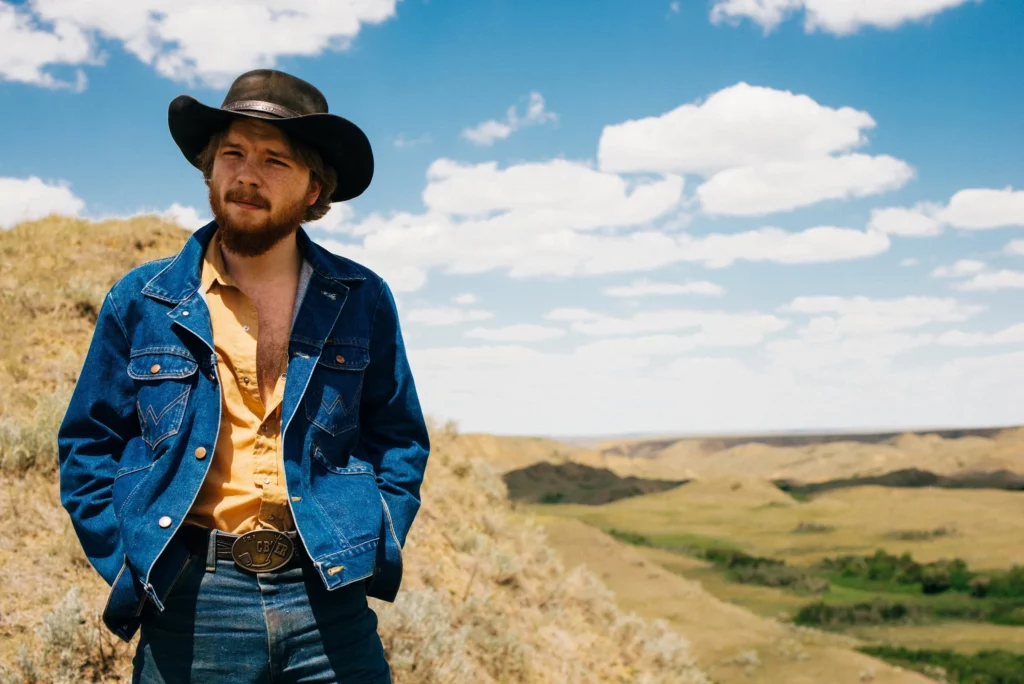
Colter Wall was born on June 27, 1995, in Swift Current, Saskatchewan, Canada, making him 30 years old as of 2025. His zodiac sign is Cancer, which is often associated with emotional depth, artistic sensitivity, and strong connections to home and tradition, traits that certainly shine through in his deeply personal and regionally rooted songwriting.
What makes Colter Wall’s age particularly remarkable is the contrast between his youthful years and the timeless, weathered quality of his voice and musical style that sounds decades older than his actual age.
By the time he turned 30 in 2025, Wall had already released five studio albums and established himself as one of the most authentic voices in traditional country music. His age places him squarely within the millennial generation, yet his musical sensibilities align more closely with the outlaw country movement of the 1970s and the traditional Western music that predates it.
This unique positioning has allowed him to serve as a bridge between generations of country music fans, attracting both older listeners who appreciate his reverence for tradition and younger audiences discovering authentic country music for the first time.
Wall’s career milestones relative to his age are impressive. He released his first EP, Imaginary Appalachia, at just 20 years old in 2015, immediately catching attention with his distinctive voice and mature songwriting. His self-titled debut album arrived when he was only 21, produced by the acclaimed Dave Cobb and released through Rick Rubin’s American Songs publishing company.
By age 23, he had released his critically acclaimed second album Songs of the Plains, cementing his reputation as a serious artist. His third album Western Swing & Waltzes and Other Punchy Songs came at 25, followed by Little Songs at 28, and his latest offering Memories and Empties at 30.
The trajectory of Wall’s career demonstrates a remarkable consistency and artistic vision at an age when many musicians are still finding their sound.
Rather than experimenting with different genres or chasing commercial trends as artists often do in their twenties, Wall has remained steadfast in his commitment to traditional country, folk, and Western music.
This unwavering dedication to his artistic principles, combined with his natural talent and the maturity evident in his songwriting, has earned him respect from critics, fellow musicians, and a devoted fanbase that continues to grow with each release.
Who is Colter Wall?
Colter Wall is a Canadian singer-songwriter and musician from Swift Current, Saskatchewan, who has emerged as one of the most distinctive voices in contemporary country music. Known for his remarkably deep, gruff baritone voice that sounds like it belongs to someone twice his age, Wall has built his reputation on narrative songwriting that draws heavily from country, folk, and Western traditions.
His music encompasses tales of cowboys, ranch life, heartbreak, drinking songs, and the expansive landscapes of the Canadian prairies, all delivered with an authenticity that sets him apart in an era of polished, production-heavy country music.
What truly distinguishes Colter Wall from his contemporaries is his commitment to traditional country music values in both sound and approach. He doesn’t chase radio play, doesn’t conform to Nashville’s commercial expectations, and refuses to dilute his artistic vision for broader appeal.
His live performances are stripped down and focused entirely on the music, with Wall typically standing at the microphone with his guitar, accompanied by his talented band the Scary Prairie Boys, letting the songs speak for themselves without theatrical elements or between-song banter. This no-frills approach has resonated deeply with fans who crave authenticity in their music.
Wall’s voice characteristics are perhaps his most immediately recognizable feature. His baritone is remarkably deep and resonant, with a gravelly texture that evokes comparisons to country legends like Johnny Cash, Waylon Jennings, and even extends to folk icon Bob Dylan.
The timbre of his voice seems impossibly mature for someone who only turned 30 in 2025, leading many first-time listeners to assume he’s much older. This vocal quality isn’t an affectation or result of studio manipulation; it’s his natural voice, which he began developing as a teenager learning to sing Bob Dylan songs in his bedroom in Swift Current.
Beyond his voice, Wall has gained recognition for his thoughtful, literary approach to songwriting. His lyrics paint vivid pictures of Western life, both historical and contemporary, with attention to detail that brings his characters and settings to life.
Songs like “Saskatchewan in 1881” tell historical tales, while tracks like “Sleeping on the Blacktop” capture the loneliness of life on the road.
His writing demonstrates influences from traditional folk storytelling, cowboy poetry, and the narrative country songs of artists like Marty Robbins and Willie Nelson. Each album feels like a cohesive collection of stories rather than a random assortment of tracks.
Wall’s fame has grown steadily through word-of-mouth, critical acclaim, and strategic media placements rather than radio hits or viral moments.
His music has been featured in major television series including Yellowstone, where three of his songs appeared in Season 4, as well as films like Hell or High Water and Three Billboards Outside Ebbing, Missouri.
These placements introduced his music to audiences who might not typically seek out traditional country, significantly expanding his fanbase. Celebrity endorsements, including wrestler Brock Lesnar calling him a favorite during an interview, have also helped raise his profile among diverse audiences.
The singer’s commitment to authenticity extends beyond his music to his lifestyle. Between tours, Wall works on ranches, living the cowboy life he sings about rather than simply romanticizing it from afar.
He declined an invitation to appear on Joe Rogan’s podcast because it would have required him to leave ranch work during a critical time. This dedication to remaining true to his values, even when it might limit career opportunities, has only enhanced his credibility and appeal among fans who appreciate genuine artistry over calculated career moves.
Colter Wall Age and Birthday
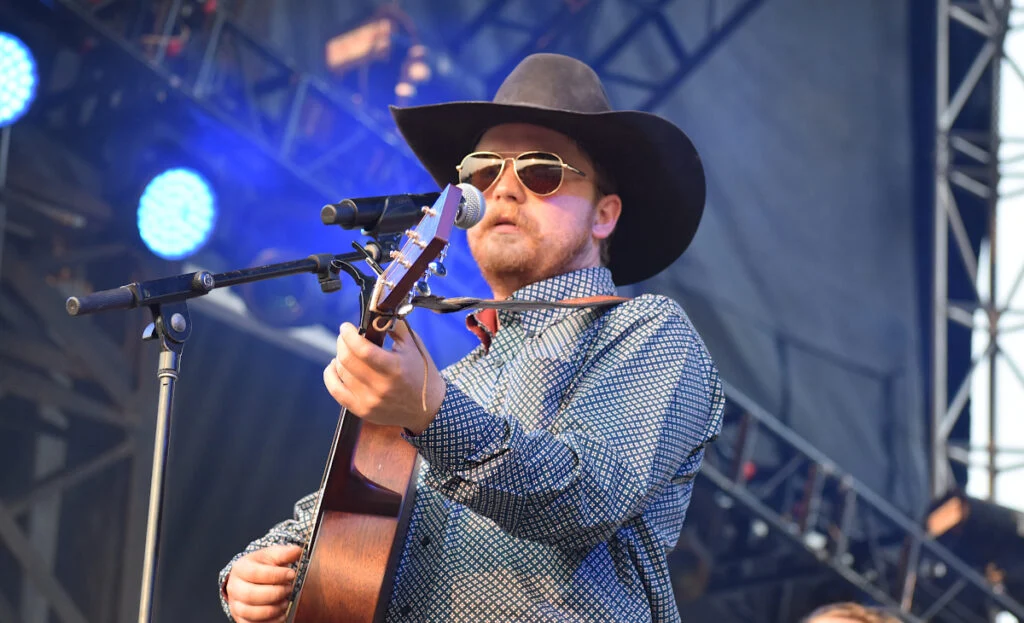
Colter Wall celebrates his birthday on June 27 each year, having been born on that date in 1995 in Swift Current, Saskatchewan, Canada. As of 2025, he has reached the milestone age of 30, which represents an interesting moment in his artistic journey.
At 30, Wall has already accomplished more than many musicians achieve in entire careers, yet he’s still in the early stages of what promises to be a long and influential presence in country music.
His zodiac sign Cancer is associated with several traits that seem to manifest in Wall’s personality and artistry. Cancers are known for their emotional depth, strong connection to home and family, protective nature, and artistic sensibility.
These characteristics align well with Wall’s deeply personal songwriting, his strong ties to Saskatchewan despite pursuing a music career that requires extensive travel, and his protective approach to his private life and artistic integrity. The Cancer tendency toward nostalgia and appreciation for tradition also resonates with his musical style that honors country music’s roots.
Birthday celebrations for Wall are typically private affairs, consistent with his preference for keeping personal matters out of the public eye. Unlike many contemporary musicians who might mark their birthdays with social media posts or special releases, Wall tends to let the day pass without fanfare.
However, his fanbase often celebrates his birthday on social media, sharing favorite songs, concert memories, and appreciation for his music. The community of devoted fans he’s built treats these occasions as opportunities to introduce his music to others who might appreciate his authentic approach to country music.
When considering age versus achievements, Wall’s accomplishments at 30 are particularly impressive. Many country music legends didn’t release their breakthrough work until their thirties or even forties, yet Wall released a critically acclaimed EP at 20 and a full-length debut album at 21.
By 30, he had five albums under his belt, each receiving positive critical reception and building his reputation as an artist who values quality and consistency over quantity and commercial trends. His youth combined with his old-soul musical sensibility creates a fascinating dichotomy that has become central to his appeal.
The fact that Colter Wall is only 30 in 2025 means his best work may still lie ahead. While some artists peak early and struggle to maintain relevance, Wall’s traditional approach to country music suggests a career trajectory more similar to artists like Willie Nelson or Waylon Jennings, who continued creating meaningful work for decades.
His commitment to musical integrity over commercial success positions him for sustained success rather than flash-in-the-pan fame. As he continues to mature as both a person and artist, fans anticipate that his songwriting will only deepen and his already impressive body of work will expand.
Early Life and Background
Colter Wall grew up in Swift Current, Saskatchewan, a small city on the Canadian prairies with a population of around 16,000 people. This prairie upbringing profoundly influenced his musical sensibility and the stories he tells through his songs.
The wide-open spaces, agricultural lifestyle, and strong sense of community characteristic of small-town Saskatchewan life permeate his work. Growing up in this environment gave him firsthand experience with the Western lifestyle and working-class values that form the backbone of traditional country music.
His family background is notable, as his father Brad Wall served as the 14th Premier of Saskatchewan from 2007 to 2018, making Colter the son of a prominent Canadian politician. His mother, Tami Kildaw Wall, provided a stable family environment alongside Brad.
Colter has two sisters: Megan, who is older, and Faith, who is younger. Despite his father’s high-profile political career, the Wall family maintained a relatively normal life in Swift Current, and Colter has noted that growing up as the son of a premier didn’t dramatically alter his childhood experience in their close-knit community.
Country music was present in the Wall household from Colter’s earliest years. Artists like Johnny Cash were regularly played at home, providing his first exposure to country music’s rich tradition. This early exposure laid groundwork that would prove crucial to his later development as an artist.
However, his musical journey didn’t begin with country music. At age 13, Colter started learning guitar, initially drawn to rock bands like AC/DC, Black Sabbath, and Led Zeppelin. These harder-edged rock influences gave him a foundation in guitar playing and introduced him to music’s power and emotional range.
Wall attended Swift Current Comprehensive High School, graduating in 2013. During his high school years, his musical interests evolved beyond rock toward blues and eventually folk music.
The pivotal moment in his musical development came around grade 10 or 11 (approximately age 15 or 16) when he first heard Bob Dylan’s “Don’t Think Twice, It’s All Right.”
This song inspired a fundamental shift in his approach to music; rather than simply playing guitar, he felt compelled to write and sing his own songs. Dylan’s influence on Wall cannot be overstated; the folk legend’s narrative songwriting approach and distinctive vocal delivery provided a template for Wall’s own artistic development.
Beyond Dylan, Wall’s early musical influences included folk legends like Woody Guthrie and Ramblin’ Jack Elliott, as well as country icons such as Gram Parsons, Townes Van Zandt, George Jones, Waylon Jennings, Willie Nelson, and Hank Williams.
This eclectic mix of traditional folk and outlaw country influences shaped his musical philosophy and aesthetic. He particularly gravitated toward artists who prioritized authenticity and storytelling over commercial considerations, values that would define his own career.
After high school, Wall enrolled at the University of Saskatchewan in Saskatoon, pursuing higher education while continuing to develop his musical talents. During his university years, he made demos of his songs, refining his craft and building a small collection of original material.
However, music’s pull proved stronger than academic pursuits. In 2015, when his first EP was released, Wall made the significant decision to take a break from his university studies to focus on his music career. This choice, made at just 20 years old, demonstrated confidence in his artistic vision and willingness to take risks to pursue his passion.
The decision to leave university and pursue music full-time was undoubtedly difficult, especially given his father’s prominent position and the expectations that might have come with being a premier’s son. However, Wall’s family supported his musical aspirations, recognizing his genuine talent and dedication.
This support, combined with his own determination and the early positive reception to his EP, set him on the path that would lead to his current position as one of country music’s most respected young artists.
Career Journey / Musical Career
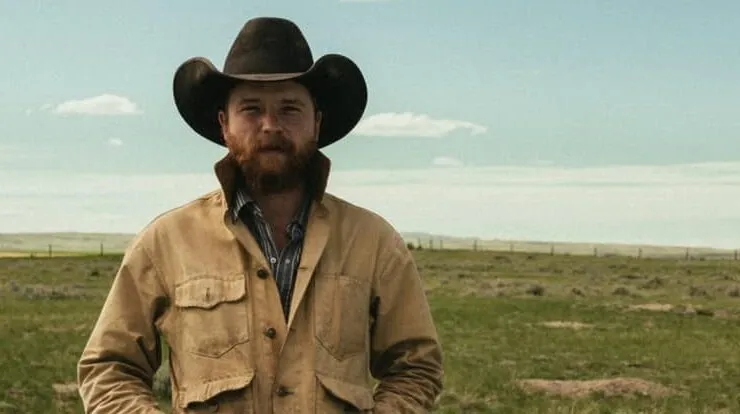
Colter Wall’s professional music career began in 2015 with the release of his seven-song EP titled Imaginary Appalachia. Recorded with producer Jason Plumb at Studio One in Regina, Saskatchewan, the EP featured collaborations with other Regina artists including Belle Plaine and members of The Dead South.
Wall described his music at this stage as a blend of blues, folk, and Americana, genres that would continue to influence his work throughout his career. The EP was officially released on March 9, 2015, with “The Devil Wears a Suit and Tie” serving as the lead single.
Imaginary Appalachia immediately garnered attention for Wall’s distinctive voice and mature songwriting ability, impressive for a 20-year-old artist.
The EP’s success was bolstered by unexpected celebrity endorsement when professional wrestler Brock Lesnar mentioned Wall as a favorite artist during an interview with “Stone Cold” Steve Austin.
This shout-out introduced Wall’s music to wrestling fans and demonstrated his appeal beyond traditional country music audiences. Songs from the EP also appeared in the television show Dog the Bounty Hunter, further expanding his reach.
The breakthrough moment for Wall’s career came with his self-titled debut full-length album, released on May 12, 2017, when he was just 21 years old.
he album was produced by Dave Cobb, one of Nashville’s most respected producers known for his work with artists like Chris Stapleton and Sturgill Simpson, at the legendary RCA Studio A in Nashville.
Wall was accompanied by an exceptional lineup of musicians including Cobb on acoustic guitar, Chris Powell on drums, Mike Webb on piano, and Robby Turner on pedal steel guitar. According to Wall, most of the songs on this debut album were autobiographical, providing intimate glimpses into his life and perspective.
Before the album’s release, Wall had already begun building connections in the Nashville music community. In 2016, he opened for Lucinda Williams at the iconic Ryman Auditorium in Nashville, performing for a knowledgeable country music audience in one of the genre’s most hallowed venues.
He was also signed to Rick Rubin’s American Songs publishing company, a significant endorsement from one of the music industry’s most influential figures. These connections helped position his debut album for success and introduced him to the infrastructure necessary for a sustainable music career.
Wall’s second album, Songs of the Plains, was announced in July 2018 and released on October 12, 2018. This album leaned heavily into Western themes and prairie imagery, drawing deeply from his Saskatchewan roots. The album received critical acclaim for its cohesive vision and Wall’s continued artistic development.
Songs like “Wild Dogs” and “Plain to See Plainsman” showcased his ability to paint vivid pictures of Western landscapes and lifestyles. The album solidified his reputation as an artist committed to preserving and evolving traditional country and Western music for contemporary audiences.
Western Swing & Waltzes and Other Punchy Songs, Wall’s third studio album, arrived on August 28, 2020, released through La Honda Records. This album demonstrated Wall’s versatility within traditional country music, incorporating elements of Western swing (a dance-oriented subgenre popular in the 1930s-1940s) alongside his typical fare.
The album’s playful title and diverse musical approaches showed an artist comfortable enough in his identity to experiment within traditional frameworks without compromising his core artistic principles.
Wall’s fourth album, Little Songs, was released on July 14, 2023 (note: the original information stated 2024, but based on available data, the correct release date was 2023). This album represented a slightly more intimate, personal approach compared to his previous work, with songs that felt confessional and reflective.
Tracks like “Standing Here” showcased his evolving songwriting maturity and willingness to explore internal landscapes alongside the external settings that had dominated earlier work.
Most recently, Wall released his fifth studio album Memories and Empties on November 14, 2025. Co-produced with his guitarist Pat Lyons and recorded at RCA Studio A with his touring band the Scary Prairie Boys, the album represents Wall’s most fully realized vision of traditional country music inspired by the 1970s honky-tonk era.
The 10-track collection explores themes of heartbreak, drinking, working-class life, and the connections people seek with each other and the world around them.
The album’s lead single “1800 Miles” references the distance between Wall’s Saskatchewan home and Nashville’s Music Row, serving as both a geographical fact and a metaphor for his artistic distance from mainstream country music.
Throughout his career, Wall’s music has been featured prominently in film and television, significantly expanding his audience. His song “Sleeping on the Blacktop” appeared in the acclaimed films Hell or High Water and Three Billboards Outside Ebbing, Missouri, where it gained over a million streams on Spotify.
Even more significantly, three of Wall’s songs were featured in Season 4 of the hit Paramount series Yellowstone, including a rendition of Rex Allen’s 1951 classic “Cowpoke,” plus Wall’s own “Plain to See Plainsman” and “Sleeping on the Blacktop.” These placements introduced his authentic Western sound to Yellowstone’s massive audience, many of whom were discovering traditional country music through the show’s soundtrack.
Voice and Musical Style
Colter Wall’s voice is his most immediately recognizable feature and the foundation of his artistic identity. His deep, gruff baritone is remarkably resonant and mature-sounding, especially considering he’s only 30 years old.
The timbre of his voice evokes immediate comparisons to country music legends, with critics and fans frequently mentioning Johnny Cash, Waylon Jennings, and even Johnny Horton as vocal reference points.
Some listeners also hear echoes of Bob Dylan’s gravelly delivery, though Wall’s voice is considerably deeper and more traditionally country in character.
The depth and texture of Wall’s voice aren’t affectations or studio creations; this is genuinely his natural speaking and singing voice. This authenticity is evident in his live performances, where his voice sounds identical to his recordings, if not even more powerful and nuanced.
The maturity and character in his voice at such a young age are genuinely unusual in contemporary music and have been central to his ability to credibly inhabit the cowboy and working-class characters that populate his songs. When Wall sings about hard living, heartbreak, or life on the prairie, his voice lends authority and believability to the narratives.
Wall’s guitar playing is similarly rooted in traditional approaches, favoring acoustic guitar and relatively simple, rhythm-focused playing that serves the song rather than showing off technical prowess.
His guitar work provides solid foundations for his vocals and storytelling, with occasional flourishes that demonstrate skill without overwhelming the narrative focus of his music.
This approach aligns with folk and traditional country guitar playing where the instrument accompanies and enhances the story being told rather than competing with it for attention.
His songwriting approach emphasizes narrative and imagery, crafting songs that function as short stories or character sketches set to music.
Wall writes in vivid, concrete language that paints clear pictures of settings, characters, and situations. His lyrics often feature specific details about Western life, working-class experiences, and rural landscapes that ground his songs in recognizable reality rather than abstract emotion.
This literary quality to his songwriting sets him apart from many contemporary country artists and connects him to the folk tradition of storytellers like Woody Guthrie and the narrative country tradition of Marty Robbins.
Musically, Wall’s style encompasses country, folk, Western, and Americana, with individual songs leaning toward one or another of these interconnected genres.
His Western songs often feature themes of cowboys, cattle drives, and prairie landscapes, while his country material focuses on honky-tonks, heartbreak, and drinking songs.
His folk influences emerge in his narrative approach and acoustic instrumentation. Throughout all these stylistic variations, Wall maintains a consistent aesthetic grounded in traditional approaches and authentic representation of the lifestyles and values he sings about.
Wall’s production choices reflect his commitment to authenticity and tradition. He favors live recording approaches where his band plays together in the same room, capturing the interplay and energy of live performance rather than building tracks through overdubbing and extensive studio manipulation.
His albums sound warm and organic, with space in the arrangements and minimal production artifice. This approach recalls the classic country albums of the 1960s and 1970s, before digital recording allowed for infinite layers and corrections, when musicians needed to genuinely play well together to create compelling recordings.
Net Worth and Income Sources
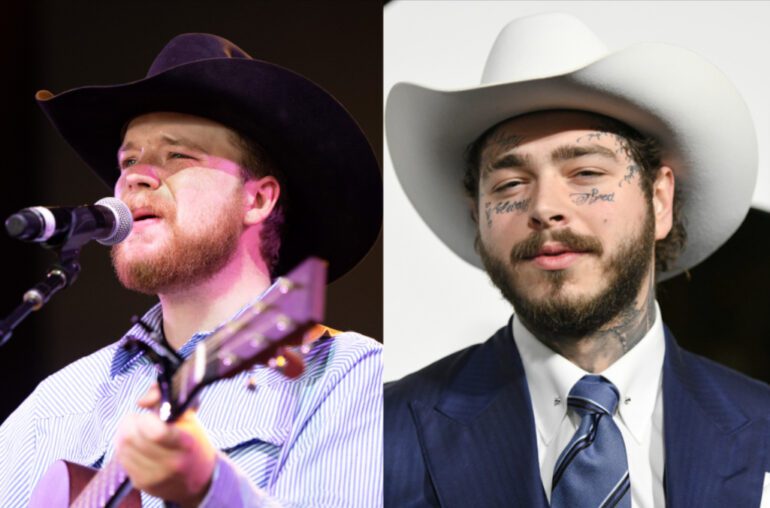
Colter Wall’s net worth in 2025 is estimated to range between $2 million and $10 million, with different sources providing varying estimates within this range.
The wide variation in estimates reflects the difficulty of accurately assessing independent artists’ finances, particularly those who prioritize artistic integrity over maximum commercial returns.
Wall’s financial success is impressive considering his refusal to compromise his traditional country sound for more lucrative mainstream opportunities, demonstrating that authentic artistry can indeed be financially viable in today’s music industry.
Wall’s primary income source is touring, where he commands substantial fees for performances and benefits from strong ticket sales driven by his devoted fanbase. His “Colter Wall & Friends” tours typically sell out venues across North America, with his 2025 tour dates filling theaters and performing arts centers in both the United States and Canada.
His live shows are known for their intimate quality and focus on musical performance rather than elaborate production, keeping touring costs relatively modest while maintaining ticket prices that his audience finds reasonable. This efficient touring model allows him to retain more profit compared to artists who invest heavily in theatrical productions.
Album sales and streaming revenue represent another significant income stream. While traditional album sales have declined industry-wide, Wall’s audience includes a higher-than-average proportion of listeners who purchase physical albums, particularly vinyl records.
His albums are regularly pressed on vinyl with special editions and colored variants that appeal to collectors. Streaming services like Spotify, Apple Music, and YouTube also generate ongoing revenue, with Wall’s most popular songs accumulating millions of streams.
“Sleeping on the Blacktop” alone has generated over a million streams on Spotify, and his visibility on Yellowstone likely drove substantial streaming increases.
Merchandise sales at concerts and through his website provide additional income. Wall’s merchandise typically features simple, tasteful designs aligned with his cowboy aesthetic, including T-shirts, hats, posters, and other items that fans purchase both as memorabilia and as practical goods.
His authentic brand identity makes his merchandise appealing to fans who want to express their connection to his music and the lifestyle it represents.
Publishing royalties from his songwriting generate passive income, particularly as his songs continue to be used in film and television.
The placements in Hell or High Water, Three Billboards Outside Ebbing, Missouri, and especially Yellowstone not only paid upfront licensing fees but continue to generate performance royalties when these productions air or stream. As Wall writes all his own material, he retains publishing rights that might otherwise be shared with or owned by outside writers, maximizing his income from this source.
Radio play, typically a major income source for country artists, is less significant for Wall given his minimal presence on mainstream country radio.
However, this actually reflects a conscious choice to maintain artistic control rather than tailor his sound for radio programmers. His success despite limited radio play demonstrates the viability of alternative paths to country music success through touring, streaming, and maintaining devoted fanbases willing to directly support artists they believe in.
Wall’s association with respected labels La Honda Records and RCA Records provides distribution infrastructure and promotional support while apparently allowing him substantial creative freedom.
His deals seem structured to support rather than control his artistic vision, enabling him to maintain authenticity while benefiting from professional music industry infrastructure.
This balance between independence and institutional support represents an increasingly common model for artists who want to retain creative control while accessing resources that maximize their music’s reach.
Physical Appearance
Colter Wall stands approximately 5 feet 9 inches tall (180 cm) and weighs around 154 pounds (70 kg), giving him a lean, athletic build consistent with someone who spends significant time engaged in physical ranch work between tours.
His height is fairly average, but his overall physical presence is distinctive and immediately recognizable, contributing significantly to his visual brand identity alongside his musical style.
Wall’s most striking physical features include his thick mustache, which has become a signature element of his appearance, and his overall cowboy aesthetic. He typically sports longer hair, often visible beneath cowboy hats that he frequently wears both on and off stage.
His facial features have a rugged quality that complements his weathered-sounding voice, creating a coherent overall image that aligns perfectly with his musical style.
Unlike many contemporary country artists who might adopt Western wear only for performances, Wall’s cowboy style appears genuine and consistent across all contexts, reflecting his actual lifestyle rather than simply a performance costume.
His fashion sense leans heavily toward authentic Western wear and working-class practical clothing. He’s regularly seen in button-up Western shirts, often in plaids or solid colors, paired with well-worn jeans and cowboy boots.
His stage attire doesn’t differ dramatically from his everyday wear, maintaining consistency that reinforces his authenticity.
He avoids flashy rhinestone-covered stage clothes or overly stylized Western wear, instead opting for practical, functional clothing that actual cowboys and ranch workers might wear. This approach extends to his accessories, which are minimal and purposeful rather than decorative.
Wall’s overall look evokes classic country musicians from the 1960s and 1970s, particularly the outlaw country artists like Waylon Jennings and Merle Haggard who rejected Nashville’s polished presentation in favor of more rugged, authentic appearances.
His mustache and longer hair are reminiscent of the styles popular during country music’s outlaw era, creating visual continuity with the musical traditions he honors. This timeless aesthetic makes it difficult to place Wall in any particular contemporary moment; photographs of him could plausibly be from 1975 or 2025, reinforcing his position as an artist operating outside current trends.
His physical presentation on stage is notably understated compared to most contemporary performers. Wall typically stands at the microphone with his guitar, moving minimally and allowing the music to be the focus.
He doesn’t employ theatrical gestures or energetic stage movements, instead relying on the power of his voice and songs to command audience attention.
This reserved physical presence actually enhances his performances by focusing all attention on the musical content rather than distracting from it with unnecessary movement or showmanship.
Relationship Status / Personal Life
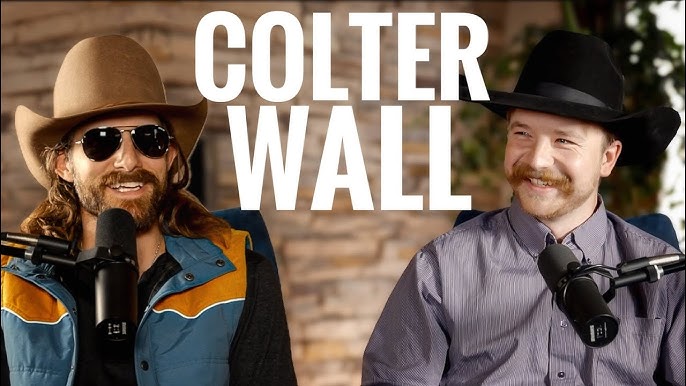
Colter Wall’s relationship status has been a subject of curiosity among fans, though he maintains strict privacy regarding his personal life. As of 2025, Wall is not publicly married and has not confirmed any serious romantic relationship.
This privacy is consistent with his overall approach to public life, where he prefers to let his music speak for itself rather than sharing details about his personal affairs. Unlike many contemporary artists who share extensive personal content on social media, Wall uses these platforms sparingly and primarily for professional announcements.
However, some clues about Wall’s romantic life have emerged through social media posts and fan encounters, though none have been definitively confirmed by Wall himself. Instagram posts have occasionally featured a woman referred to in captions as “honey,” leading to speculation about a girlfriend.
These posts show someone who appears in multiple photos over time, suggesting a relationship rather than casual acquaintances. However, the woman’s identity has not been publicly revealed, and Wall has not provided details about her or their relationship status.
Some sources have claimed Wall is married, but these reports remain unverified and potentially inaccurate. The confusion may stem from the “honey” references in his social media posts, which some interpreted as indicating a wife rather than a girlfriend.
However, without confirmation from Wall himself, these marriage claims should be treated with skepticism. His strong preference for privacy makes it unlikely he would marry without keeping such personal information carefully guarded.
Fan encounters have provided additional glimpses into Wall’s personal life, with some fans reporting seeing him with a woman at concerts or other events.
These sightings are consistent with the idea that he has a girlfriend but keeps the relationship largely private to protect both himself and his partner from excessive public scrutiny. This approach reflects maturity and respect for boundaries that many fans appreciate, even if curiosity about his personal life remains high.
Wall’s private nature regarding relationships contrasts with many country music artists who incorporate their romantic lives into their public personas and marketing.
Traditional country music often features songs about love, heartbreak, and relationships, and many artists have found that sharing their own romantic stories helps fans connect with their music.
However, Wall appears to believe that his art should stand on its own without requiring personal backstory for context or connection. This philosophy aligns with his overall artistic approach that prioritizes the work over the personality cult that often surrounds contemporary musicians.
His conservative family background, with his father Brad Wall being a prominent conservative politician, may have influenced his private approach to personal matters.
Growing up in a family where public perception mattered for political reasons likely taught him to maintain boundaries between public and private life. Additionally, his upbringing in Saskatchewan’s close-knit communities, where conservative values and privacy are often emphasized, probably shaped his comfort level with public disclosure.
Wall’s social media presence is notably minimal compared to most artists of his generation. His Instagram account posts infrequently, typically focusing on tour announcements, album releases, and occasional photos related to his ranch work or musical career.
He doesn’t engage in the constant content creation that characterizes many artists’ social media strategies, instead treating these platforms as tools for necessary communication rather than primary venues for fan engagement. This restrained approach has actually enhanced his mystique, making each post more meaningful and maintaining an air of authenticity that constant social media presence might dilute.
The mystery surrounding Wall’s personal life, rather than hindering his career, has actually contributed to his appeal among fans who appreciate artists who don’t overshare.
In an era where many people document every aspect of their lives online, Wall’s privacy feels refreshingly old-fashioned and genuine. It allows his music to remain the primary focus and lets fans project their own interpretations onto his songs without those interpretations being limited by known biographical details.
Family Background
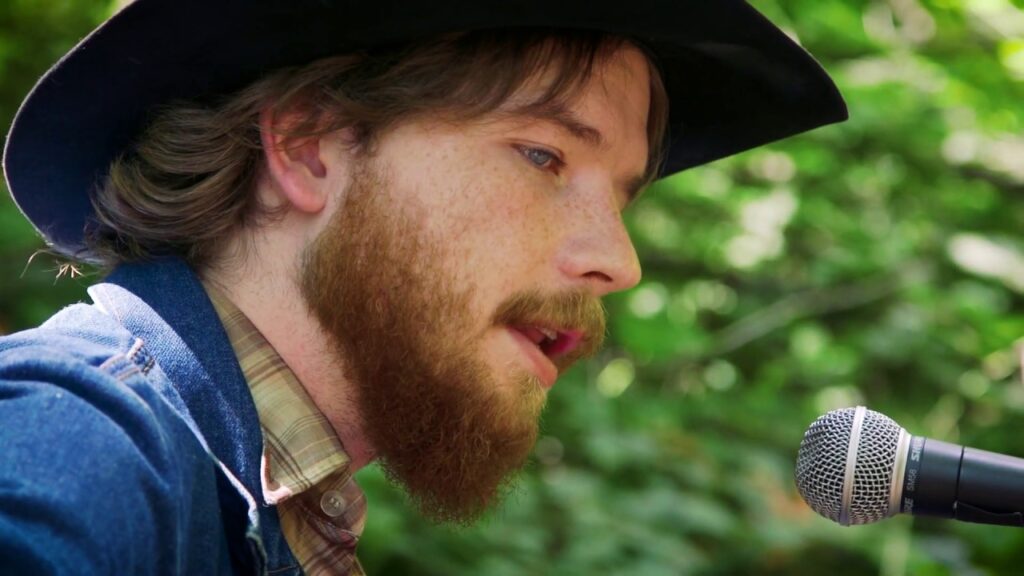
Colter Wall comes from a prominent Saskatchewan family, most notably as the son of Brad Wall, who served as the 14th Premier of Saskatchewan from 2007 to 2018.
Brad Wall was a member of the Saskatchewan Party and led the province for over a decade, making him one of the most recognizable political figures in Saskatchewan’s recent history. Growing up as the son of a premier certainly shaped Colter’s childhood experience, though he has indicated that his family maintained relatively normal life despite his father’s high-profile position.
His mother, Tami Kildaw Wall, provided stability and support throughout Colter’s childhood and his father’s political career. While she maintained a lower public profile than her husband, she played a crucial role in keeping family life grounded amidst the pressures of political life.
The Wall family’s ability to maintain privacy and normalcy despite Brad’s prominent position likely influenced Colter’s own approach to managing public attention while protecting personal boundaries.
Colter has two sisters who complete the Wall family. Megan Wall is his older sister, and Faith Wall is his younger sister. Like the rest of his family aside from his father’s political career, his sisters have largely remained out of the public eye.
Colter occasionally references his family in general terms but rarely discusses specific family members or family dynamics in interviews or public statements, maintaining the privacy that characterizes his approach to personal matters.
Growing up in a political family undoubtedly influenced Colter’s worldview and values, even if he chose a dramatically different career path from his father. Political families often emphasize public service, community connection, and awareness of broader social issues, values that can be seen in Colter’s music, which frequently addresses working-class experiences and rural life.
However, his decision to pursue music rather than politics or another more conventional career demonstrates independence and willingness to follow his own path rather than expectations that might have accompanied being a premier’s son.
The Wall family’s conservative political background has occasionally led to scrutiny of Colter’s own political views, though he has generally avoided public political statements and focuses on his music rather than advocacy.
Some critics have attempted to associate him with his father’s political positions, but Colter has maintained separation between his artistic identity and his family’s political legacy.
His music, while often traditional in style, doesn’t typically engage with explicitly political themes, instead focusing on personal stories, historical narratives, and observations of rural life.
Despite any pressures that might have accompanied his family background, Colter’s parents appear to have supported his musical ambitions.
The decision to leave university and pursue music full-time at age 20 required family support, both emotionally and likely financially during the early stages of his career.
His father’s position could have created expectations for a more conventional career path, but the Wall family’s support for Colter’s artistic pursuits demonstrates their commitment to his individual happiness and fulfillment over adherence to traditional success markers.
The family’s Saskatchewan roots run deep, with multiple generations living in the province. This connection to place is evident in Colter’s music, which frequently references Saskatchewan landscapes, small-town prairie life, and Western heritage.
Songs like “Saskatchewan in 1881” directly engage with his home province’s history, demonstrating pride in his origins and commitment to preserving and sharing Saskatchewan stories through his music.
Ranch Life and Lifestyle
Between touring commitments, Colter Wall works on ranches, living the cowboy lifestyle that forms the backbone of his musical identity.
This isn’t mere posturing or research for his music; Wall genuinely works as a ranch hand, engaging in the physical labor of cattle ranching, fence mending, and other tasks that constitute daily ranch life.
This commitment to authenticity distinguishes him from many country artists who sing about cowboy life without actually living it, lending credibility and depth to his Western-themed songs.
Wall has connections to ranches in Texas, where he spends significant time between tours. Working on these ranches provides him with both practical skills and intimate knowledge of the lifestyle, landscapes, and values that permeate traditional Western culture.
The physical demands of ranch work also offer a counterbalance to the sedentary aspects of touring and recording, keeping him grounded in tangible, meaningful labor rather than existing entirely within the music industry bubble. This balance between his musical career and ranch work appears essential to his artistic identity and mental wellbeing.
One of the most famous stories illustrating Wall’s commitment to ranch life involves his decision to decline an invitation to appear on Joe Rogan’s podcast. The Joe Rogan Experience is one of the world’s most popular podcasts, reaching millions of listeners and providing enormous exposure for guests. Most artists would jump at such an opportunity, understanding the potential career benefits.
However, when the invitation came, Wall was engaged in critical ranch work that couldn’t be postponed or delegated. He politely declined the invitation, choosing to honor his commitments to the ranch and the people depending on him rather than seize a high-profile promotional opportunity.
This decision exemplifies Wall’s values and priorities. He understands that his credibility as an artist singing about working-class life and Western values depends on actually living those values, not just performing them when convenient.
Declining the Rogan podcast, while potentially limiting his exposure to new audiences, actually enhanced his reputation among existing fans who appreciated his commitment to authenticity over careerism. The story has become part of his legend, demonstrating that he’s not willing to compromise his principles even for significant career advancement opportunities.
Wall’s ranch work also provides creative inspiration and keeps him connected to the subject matter of his songs. When he sings about the loneliness of night watches, the satisfaction of physical labor, or the bond between working people, he draws from direct experience rather than imagination or secondhand accounts.
This authenticity resonates in his music, giving his songs a grounded quality that distinguishes them from more commercially calculated country music. Fans sense the difference between artists who research their subject matter and those who live it, and Wall clearly falls into the latter category.
His cowboy lifestyle extends beyond work to his overall aesthetic and worldview. He’s deeply invested in Western heritage, not as a costume or marketing angle but as a genuine expression of his identity and values.
This commitment includes studying the history of the American and Canadian West, understanding traditional cowboy culture, and preserving the musical traditions associated with Western life.
His music functions as a form of cultural preservation, keeping alive sounds and stories that might otherwise fade as rural Western lifestyles become increasingly rare in modern North America.
Social Media Presence
Colter Wall maintains a notably minimal social media presence compared to most contemporary musicians, particularly those of his generation. His Instagram account (@colterwall) posts infrequently, with gaps of weeks or even months between updates.
When he does post, content typically focuses on tour announcements, album releases, promotional materials for upcoming projects, or occasional photographs related to his ranch work and musical endeavors. This restrained approach stands in stark contrast to the constant content generation that characterizes many artists’ social media strategies.
His Instagram follower count reflects his devoted fanbase, with hundreds of thousands of followers despite his irregular posting schedule. This demonstrates that his audience values quality over quantity and doesn’t require constant engagement to maintain their interest and support.
The comments on his posts consistently show enthusiastic fan engagement, with followers expressing appreciation for his music, excitement about upcoming shows, and respect for his artistic vision. The community that has formed around his music appears loyal and genuine rather than driven by algorithmic manipulation or constant promotional campaigns.
Wall’s approach to social media reflects broader principles about artist-audience relationships and the nature of fame in the digital age. By refusing to treat social media as a primary venue for fan engagement, he maintains mystique and allows his music to remain the central focus of his public identity.
Fans encounter his work through his albums and live performances rather than through curated social media content, creating a more traditional artist-fan relationship that emphasizes the art itself over the artist’s personality or lifestyle.
His minimal social media presence also protects his privacy and that of people in his personal life. Without constant posting about daily activities, relationships, or opinions, Wall maintains boundaries that many artists struggle to preserve in the age of social media oversaturation.
This privacy is increasingly rare and valuable, allowing him to maintain a personal life separate from his public career and protecting him from the mental health challenges that can accompany constant public exposure and online scrutiny.
TikTok has featured Wall’s music through user-generated content, with his songs soundtracking various videos even though he doesn’t maintain an active presence on the platform himself. This organic spread of his music through social media demonstrates genuine popularity rather than manufactured virality.
Songs like “Sleeping on the Blacktop” have been used in thousands of TikTok videos, introducing his music to younger audiences who might not typically listen to traditional country music. This exposure occurs without Wall needing to participate in TikTok trends or create content specifically for the platform.
YouTube serves as an important platform for Wall’s music, with official videos, live performance footage, and user-uploaded content collectively accumulating millions of views. His official music videos typically feature simple, performance-focused content that highlights the music rather than elaborate productions.
Live performance videos showcase his talent in its purest form, demonstrating that his recorded music authentically represents his capabilities rather than relying on studio manipulation. These videos provide valuable exposure and allow fans worldwide to experience his performances even if they can’t attend concerts in person.
Controversies
Colter Wall has largely avoided major controversies throughout his career, maintaining a relatively clean public image focused on his music rather than scandal or provocative behavior.
However, his family background and musical style have occasionally attracted criticism or scrutiny from different perspectives, creating minor controversies that haven’t significantly impacted his career but are worth noting for a complete picture of his public presence.
Some controversy has stemmed from allegations of racism, though these claims appear to be largely unfounded or based on misunderstandings rather than Wall’s actual statements or actions.
His father Brad Wall’s conservative political career led some critics to assume Colter shares specific political views, including potentially problematic positions on race or immigration.
However, Colter has not made public statements supporting these positions, and attributing his father’s political views to him represents guilt by association rather than evidence of his own beliefs. His music doesn’t contain lyrics that could reasonably be interpreted as racist, and his behavior in public contexts hasn’t demonstrated prejudice.
The racism allegations appear to have spread primarily through social media, particularly TikTok, where users sometimes make claims without substantial evidence. In the current climate where public figures face intense scrutiny regarding their views on social justice issues, any artist can become subject to allegations based on their associations, silence on certain issues, or audience demographics.
Wall’s traditional country music attracts some listeners with conservative political views, which critics sometimes use to imply the artist himself holds problematic positions. However, an artist cannot control who listens to their music, and audience composition doesn’t necessarily reflect the artist’s personal beliefs.
His political connections through his father have created expectations that Wall should publicly address political issues, but his consistent refusal to make explicit political statements represents a choice to maintain focus on his music rather than wade into divisive political discourse.
Some progressives view this silence as problematic, while others appreciate his refusal to use his platform for political purposes. This tension reflects broader debates about artists’ responsibilities to engage with social and political issues versus their right to focus exclusively on their art.
Wall’s extremely private approach to his personal life and relationships has occasionally sparked speculation and criticism in the age of social media transparency. Some fans and observers interpret his privacy as secretive or potentially hiding problematic aspects of his life, though there’s no evidence to support these suspicions.
Others view his privacy as a refreshing rejection of the oversharing that dominates contemporary celebrity culture. This controversy, such as it is, reflects differing perspectives on what level of personal disclosure public figures owe their audiences.
His traditional approach to country music and apparent rejection of progressive innovations in the genre have led to some criticism that he’s stuck in the past or unwilling to acknowledge country music’s evolution. Critics who favor more progressive, diverse, or experimental approaches to country music sometimes view artists like Wall as obstacles to the genre’s growth. However, his defenders argue that preserving traditional sounds and approaches provides important cultural continuity and offers alternatives to increasingly homogenized mainstream country music. This debate reflects larger tensions within country music about tradition versus innovation and who gets to define authentic country music.
Awards and Recognition
While Colter Wall hasn’t accumulated extensive mainstream awards, his critical acclaim and recognition from respected music publications and fellow musicians demonstrate the respect he commands within the industry. His approach to music prioritizes artistic integrity over commercial success or awards recognition, making his career achievements particularly meaningful as they reflect genuine appreciation for his work rather than results of calculated campaigns for recognition.
His albums have consistently received positive critical reception, with music publications praising his authentic approach to traditional country music, his distinctive voice, and his mature songwriting.
Reviews frequently note the timeless quality of his music and his ability to honor country music traditions while creating original work that feels fresh rather than derivative.
Critics who might dismiss contemporary country music often make exceptions for Wall, recognizing him as an artist doing something genuinely worthwhile within the genre.
His chart performance, while not reaching mainstream country radio chart heights, has been respectable for an artist operating largely outside commercial country music infrastructure.
His albums typically perform well on Americana and folk charts, where his traditional approach finds more natural audiences.
The commercial success he has achieved demonstrates viable alternative paths to country music success outside the Nashville mainstream, encouraging other artists to pursue authentic visions rather than conforming to commercial expectations.
Celebrity endorsements have provided recognition from unexpected quarters. Beyond Brock Lesnar’s early shout-out that introduced Wall to wrestling fans, various musicians and public figures have praised his work.
His music has been recognized by fellow artists in both country and folk genres, with established musicians expressing respect for his commitment to tradition and his undeniable talent.
These peer endorsements carry particular weight, as fellow musicians can appreciate technical and artistic qualities that general audiences might miss.
His inclusion in major film and television soundtracks represents significant recognition of his music’s power and appropriateness for storytelling.
The placements in Hell or High Water, Three Billboards Outside Ebbing, Missouri, and especially Yellowstone introduced his work to massive audiences and demonstrated that music supervisors and directors appreciate his authentic sound for projects requiring genuine country and Western music.
The Yellowstone placements in particular reached millions of viewers and significantly boosted his streaming numbers and public recognition.
Wall’s sold-out tours and strong ticket sales represent perhaps the most meaningful form of recognition, as they demonstrate that audiences genuinely value his music enough to purchase tickets and attend performances.
Unlike awards that can be influenced by industry politics or marketing campaigns, ticket sales represent direct audience support. His ability to consistently fill venues demonstrates sustained popularity and suggests his career has strong foundations for continued success.
Future Projects 2025
As 2025 progresses, Colter Wall continues building on the success of his fifth studio album Memories and Empties, released in November 2025.
The album represents his most refined articulation of traditional country music, and he’s currently touring extensively to support it.
His “Colter Wall & Friends” tour features performances across North America, with his backing band the Scary Prairie Boys providing excellent musicianship that brings his recorded material to life in concert settings.
His touring schedule for 2025 includes dates throughout the United States and Canada, visiting major cities and smaller markets alike. Wall’s willingness to play in smaller venues and less obvious markets demonstrates his commitment to reaching fans wherever they are rather than exclusively focusing on major metropolitan areas.
This approach builds strong regional fanbases and maintains his connection to the rural and small-town audiences who particularly appreciate his traditional country sound and Western themes.
Beyond touring, Wall’s future likely includes continued recording, though he doesn’t rush album releases or feel pressure to constantly generate new material.
His discography shows a pattern of releasing albums every two to three years, allowing time for writing, recording at an unhurried pace, and touring each album thoroughly before moving to the next project. This measured approach serves his music well, as his albums feel carefully crafted rather than hastily assembled to meet commercial timelines.
His career trajectory suggests continued growth in his audience and influence within country music, particularly as more listeners discover traditional country through entry points like Yellowstone and seek out authentic artists like Wall.
As mainstream country continues its evolution toward pop-country fusion, the audience for traditional country music remains substantial and underserved, creating opportunities for artists willing to honor the genre’s roots. Wall’s position as one of the most prominent young traditional country artists suggests he’ll continue benefiting from this market dynamic.
Potential future directions for Wall’s career might include collaborations with other traditional country and Americana artists, further film and television placements, and possibly eventual recognition from country music institutions like the Country Music Association or Americana Music Association.
However, his career success doesn’t depend on mainstream industry recognition; his devoted fanbase and sustainable touring model provide foundations for long-term career viability regardless of awards or radio play.
FAQ Section
Q1: How old is Colter Wall in 2025?
Colter Wall is 30 years old in 2025, having been born on June 27, 1995, in Swift Current, Saskatchewan, Canada. His zodiac sign is Cancer, which aligns with his emotional depth and strong connection to home and tradition evident in his music.
Q2: What is Colter Wall’s net worth?
Colter Wall’s net worth is estimated to range between $2 million and $10 million as of 2025. His income primarily comes from touring, album sales, streaming revenue, merchandise, and licensing his music for films and television series like Yellowstone.
Q3: Is Colter Wall married or in a relationship?
Colter Wall is not publicly married as of 2025. While Instagram posts have featured references to “honey” and a mystery woman, suggesting a possible girlfriend, Wall maintains strict privacy about his personal life and has not confirmed any romantic relationships publicly.
Q4: What makes Colter Wall’s voice so distinctive?
Colter Wall possesses a remarkably deep, gruff baritone voice that sounds much older than his 30 years. His voice evokes comparisons to country legends like Johnny Cash and Waylon Jennings, with a gravelly texture and resonant quality that lends authenticity to his traditional country and Western songs.
Q5: What is Colter Wall’s latest album?
Colter Wall’s latest album is Memories and Empties, released on November 14, 2025. Co-produced with guitarist Pat Lyons and recorded with his touring band the Scary Prairie Boys, the 10-track album explores themes of heartbreak, working-class life, and traditional honky-tonk country music.
Q6: Did Colter Wall appear on Yellowstone?
Yes, three of Colter Wall’s songs were featured in Season 4 of the Paramount series Yellowstone, including his rendition of “Cowpoke” and his original songs “Plain to See Plainsman” and “Sleeping on the Blacktop.” These placements significantly expanded his audience and introduced his traditional country sound to millions of viewers.
Q7: Does Colter Wall actually work on ranches?
Yes, Colter Wall genuinely works as a ranch hand in Texas between touring commitments, engaging in physical ranch work including cattle handling and fence mending. He famously declined an invitation to Joe Rogan’s podcast to honor his ranch work commitments, demonstrating his authentic connection to the cowboy lifestyle he sings about.
Q8: Who is Colter Wall’s father?
Colter Wall’s father is Brad Wall, who served as the 14th Premier of Saskatchewan from 2007 to 2018. Despite his father’s prominent political career, Colter has carved his own path in music and generally maintains separation between his artistic identity and his family’s political background.
Q9: What genres does Colter Wall perform?
Colter Wall performs traditional country, folk, Western, and Americana music. His style draws heavily from outlaw country, cowboy ballads, and folk storytelling traditions, with influences including Bob Dylan, Johnny Cash, Waylon Jennings, and traditional Western music from the 1960s and 1970s.
Q10: How can I see Colter Wall perform live?
Colter Wall tours extensively throughout North America with his backing band the Scary Prairie Boys. Tour dates and ticket information are available through his official website and social media channels. His shows typically sell out, so purchasing tickets early when dates are announced is recommended.
Conclusion
Colter Wall’s journey from Swift Current, Saskatchewan, to becoming one of the most respected voices in traditional country music demonstrates that authenticity and artistic integrity can succeed even in an industry often dominated by commercial calculations.
At 30 years old in 2025, Wall has released five critically acclaimed albums, built a devoted international fanbase, and established himself as a torchbearer for traditional country, folk, and Western music traditions. His deep baritone voice, narrative songwriting, and unwavering commitment to his artistic vision set him apart in contemporary country music and suggest a long, influential career ahead.
Wall’s estimated net worth of $2 million to $10 million reflects successful translation of artistic respect into financial sustainability, proving that musicians don’t need to compromise their vision for commercial success.
His touring income, album sales, streaming revenue, and film and television placements provide diverse income streams supporting his career while allowing him to maintain creative control.
His willingness to work on ranches between tours and decline high-profile promotional opportunities that conflict with his values demonstrates remarkable commitment to authenticity that resonates deeply with fans who appreciate genuine artistry over manufactured celebrity.
As 2025 progresses with the release of Memories and Empties and extensive touring to support it, Colter Wall’s career trajectory points toward continued growth and influence.
His music provides an important counterpoint to mainstream country’s increasingly pop-oriented direction, offering listeners connection to country music’s roots and Western heritage. Whether performing for sold-out crowds, working on Texas ranches, or recording his next album, Wall remains committed to the traditional sounds and values that define his artistic identity.
For fans of authentic country music and anyone who appreciates artists who refuse to compromise their vision, Colter Wall represents everything right about modern music in an era often criticized for prioritizing commercial considerations over artistic merit.