Core Factors Driving New Well Cost Calculations
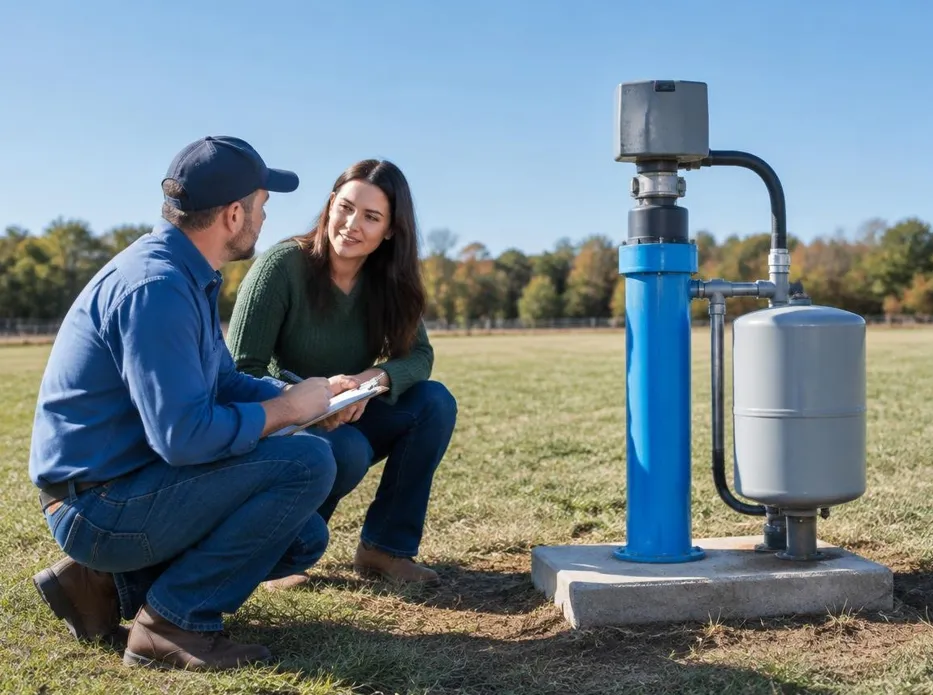
Planning for a new water well in 2026 is a significant decision for any property owner. The potential costs can vary dramatically, ranging from as low as $3,000 for a shallow well in easy terrain to upwards of $40,000 for deeper, more challenging projects in hard rock formations. This wide spectrum often leaves homeowners feeling uncertain about what to expect.
We understand that you need clear, reliable information to budget effectively for such a crucial investment. Many elements influence the final price, including the local geology, the required well depth, and the complete system components. Without a thorough understanding, unexpected expenses can quickly arise.
In this comprehensive guide, we will break down all the essential factors that contribute to the cost of a new water well. We will explore everything from initial drilling expenses and permits to the selection of pumps and regional price variations. Our aim is to help you navigate these complexities, ensuring you can make informed decisions and accurately plan your budget. For specific insights into detailed cost breakdowns, you might find it helpful to review resources like the Blair & Norris new well cost information. We will cover the core cost drivers, discuss hidden expenses, and provide practical tips for securing the best value for your well project.
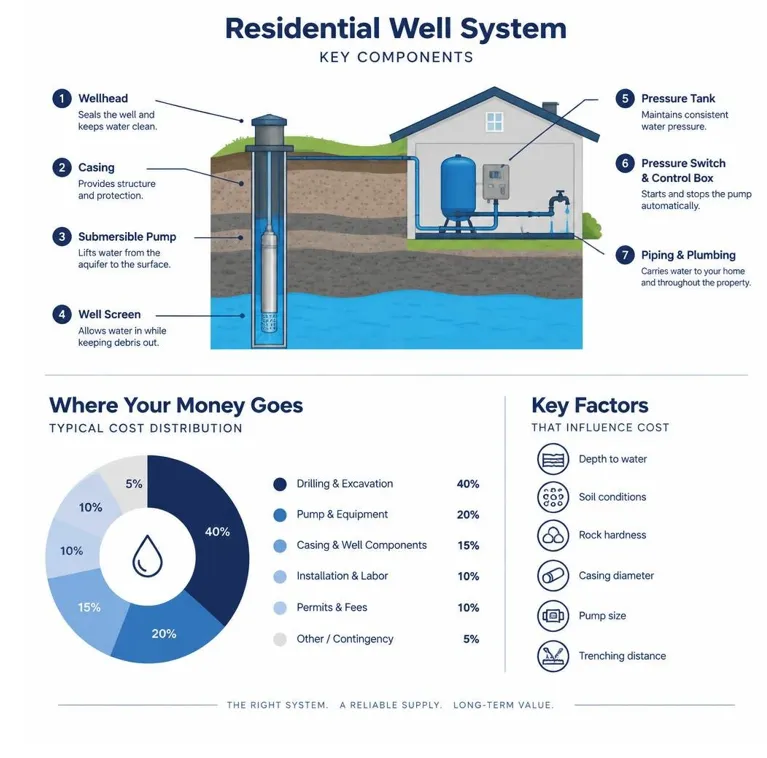
When considering the cost of a new well, several fundamental factors come into play, influencing everything from the initial drilling to the final setup. These core variables are crucial in determining the overall investment required. We typically look at the depth to water, the specific soil conditions, the hardness of any rock formations encountered, the diameter of the casing, the appropriate sizing for the pump, and even the distance required for trenching. Understanding these elements is key to budgeting effectively for your project. For a detailed look at how these factors are assessed by professionals, exploring resources that discuss the cost to drill a well can provide valuable context.
Geological Formations and New Well Cost Variances
The ground beneath our feet is rarely uniform, and its composition significantly impacts drilling costs. Different geological formations present unique challenges and, consequently, varying expenses.
- Sand Aquifers: Often found closer to the surface, sand and gravel formations are generally easier and quicker to drill through. This typically results in lower per-foot drilling rates and less wear on drilling bits.
- Glacial Till: This mix of sand, gravel, and clay can be moderately challenging. While not as hard as rock, it can be dense and may require different drilling techniques, affecting speed and cost.
- Limestone Karst: Drilling through limestone can vary. While some limestone is relatively soft, karst formations can feature voids and fissures, which might complicate drilling, requiring specialized casing or grouting, and potentially increasing costs.
- Granite Bedrock: Hard rock like granite presents the most significant challenge. Drilling through granite is a slow process, demanding specialized equipment, diamond-tipped bits, and considerable power. This dramatically increases drilling speed, bit wear, and overall per-foot costs, often making hard-rock wells substantially more expensive.
The interaction of these geological factors means that even two properties a short distance apart could face vastly different drilling expenses, simply due to subsurface variations.
Geological Formation Typical Drilling Speed Bit Wear Relative Cost Sand/Gravel Fast Low Lower Glacial Till Moderate Moderate Moderate Limestone/Karst Variable Moderate Moderate-High Granite/Hard Rock Slow High Higher Equipment, Casing, and Complete System Components
Beyond the drilling itself, the components that make up a functional well system also contribute substantially to the total cost. These elements are essential for bringing water to your home and ensuring its safety and reliability.
- Submersible Pumps: The heart of your well system, submersible pumps come in various horsepower ratings and materials. The depth of your well, the desired flow rate, and water quality needs will dictate the pump’s size and type, directly impacting its cost.
- Casing: Casing lines the borehole, preventing collapse and protecting the water from contamination. Common materials include PVC and steel. PVC is often more economical for shallower wells and certain geological conditions, while steel is typically used for deeper wells or in areas with hard rock that might damage PVC during installation. The choice of material and diameter affects both material and installation costs.
- Pressure Tanks: These tanks store water and maintain pressure in your home’s plumbing system, reducing pump cycling and extending its lifespan. Their size and quality influence the overall system efficiency and cost.
- Sanitary Seals: Essential for preventing surface contaminants from entering the well, sanitary seals are a critical, though often overlooked, cost component.
- Electrical Hookups: Connecting the pump to your home’s electrical system involves wiring, conduits, and potentially a dedicated circuit. The distance from the well to the power source and local electrical codes will influence these costs.
Each of these components, along with their installation, contributes to the “all-in” price of a new well, making it vital to consider them from the outset.
All-In Pricing vs. Drilling-Only Quotes: Hidden Project Expenses
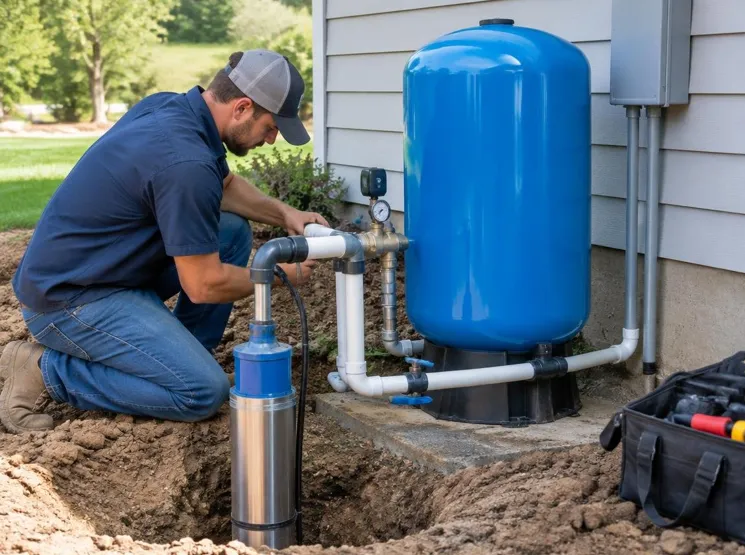
One of the most common pitfalls in well budgeting is focusing solely on the “per-foot” drilling cost. While drilling is a significant expense, it represents only a portion of the total project. An “all-in” price encompasses every aspect, from permits to plumbing, ensuring you have a complete picture of your investment. We always advise obtaining itemized bids to understand where every dollar is allocated.
Several hidden expenses can inflate a drilling-only quote into a much larger final bill:
- Mobilization Fees: The cost for the drilling rig and crew to travel to and set up on your property. This can be a substantial upfront charge.
- Site Preparation: Clearing land, creating access roads, or leveling a pad for the drilling rig can add to the initial costs.
- Dry-Hole Policies: What happens if the driller doesn’t find sufficient water at the expected depth? Some contracts charge for footage drilled even in a dry hole, while others might offer partial refunds or credits towards a second attempt. Clarifying this policy upfront is crucial.
- Water Testing: After drilling, the water must be tested for bacteria, nitrates, and other contaminants to ensure it’s safe for consumption. These lab fees are mandatory and ongoing.
- Water Filtration/Treatment: Depending on the test results, you might need a water treatment system (e.g., for hardness, iron, or other impurities), adding another layer of cost.
Permits, Health Department Approvals, and Site Plan Review
Navigating the regulatory landscape is an unavoidable part of installing a new well. These requirements vary significantly by location and are designed to protect public health and groundwater resources.
- Municipal Permits: Local zoning and building departments typically require permits for well installation. These fees can range from minimal to substantial, depending on the municipality.
- Health Labs: State and local health departments often mandate specific water quality tests, usually conducted by accredited laboratories. These testing fees are often prepaid when samples are submitted.
- Site Plan Review: For new construction or significant property changes, a site plan review may be required. This process involves submitting detailed drawings of your property, including the proposed well location, septic system, and setbacks from potential contamination sources. Review fees, and sometimes escrow fees for technical review, can apply.
- Setback Regulations: Wells must be located a minimum distance from septic systems, property lines, and other potential contamination sources. Adhering to these regulations is critical and can influence the optimal well placement on your property.
Excavation, Trenching, and Utility Hookups
Once the well is drilled and the pump installed, the water still needs to reach your home, and the pump needs power. These often-overlooked tasks contribute significantly to the overall project cost.
- Electrical Wiring: Running power from your electrical panel to the well pump requires trenching, conduit, and proper wiring, all performed by a licensed electrician.
- Trench Depth: Trenches for water lines and electrical conduits must be dug below the frost line to prevent freezing, which can be a considerable excavation task, especially in colder climates.
- Plumbing Lines: Connecting the well to your home’s internal plumbing system involves installing water lines, shut-off valves, and potentially a pressure switch.
- Freeze Protection: In regions with freezing temperatures, additional measures like heat tape or insulated well houses might be necessary.
- Landscaping Restoration: After all the excavation, you’ll likely need to budget for restoring your yard, which could involve grading, seeding, or replanting.
Regional Pricing Variations and Project Financing
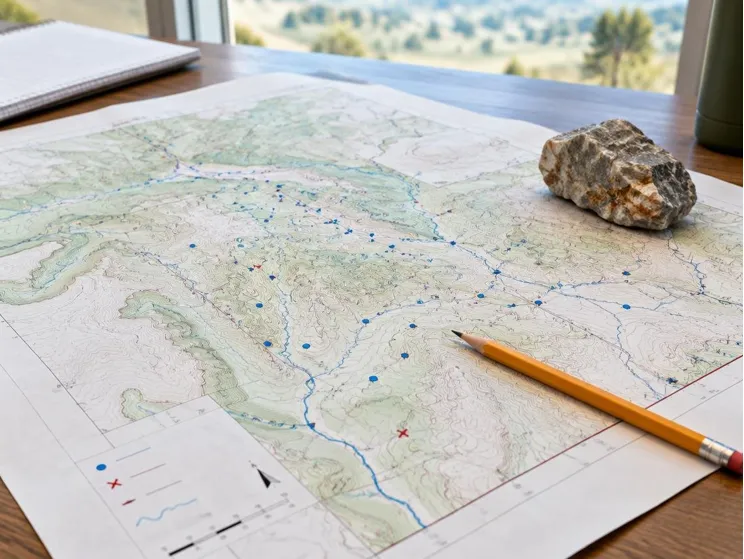
The cost of drilling a new well is not uniform across the United States. Geographic location plays a substantial role, influenced by factors like local geology, labor rates, and regulatory requirements. What might be a standard cost in the Midwest could be significantly different in coastal cities or arid regions. We often see variations based on the availability of skilled contractors and the complexity of obtaining necessary licenses and permits. Sometimes, scheduling during off-peak seasons can even offer minor cost advantages.
Regional Benchmarks and New Well Cost Expectations
Regional differences in well drilling costs are driven by a confluence of factors:
- Regional Labor Rates: Areas with a higher cost of living or a shortage of skilled labor will naturally have higher hourly rates for drilling crews and related trades.
- Depth Averages: The typical depth required to reach a reliable aquifer varies by region. For instance, shallow sand wells might be common in some coastal areas, while deep wells are necessary in hard-rock regions or arid zones where the water table is much lower.
- Mobilization Costs: The further a drilling rig has to travel, the higher the mobilization fees. This can be particularly impactful in remote or sparsely populated areas.
- Permit Complexity: Some states and counties have more stringent permitting processes and higher fees, adding to the administrative cost.
- Drill Rig Availability: In areas with high demand or limited equipment, contractors may charge more due to supply and demand dynamics.
These regional variations mean that a residential well project in the Midwest might fall within a moderate range, while a similar project in the Southwest could be higher due to greater depth requirements and drier conditions, and a coastal city might see increased costs due to stricter regulations and higher labor expenses.
Financing and Loan Options for Residential Wells
Investing in a new well is a significant financial undertaking, and many property owners explore financing options to manage the expense. Fortunately, several avenues are available:
- Home Equity Line of Credit (HELOC) or Home Equity Loans: These allow you to borrow against the equity in your home, often at competitive interest rates.
- FHA Title I Property Improvement Loans: These government-backed loans can be used for home improvements, including well installation, and may offer favorable terms for eligible homeowners.
- USDA Rural Development Single Family Housing Repair Loans & Grants: For low-income homeowners in rural areas, the USDA offers programs that can help finance essential home repairs, including new wells, sometimes even as grants.
- Contractor In-House Financing: Some well drilling companies offer their own financing plans, which can be convenient but should be carefully reviewed for terms and interest rates.
- Personal Loans: While typically having higher interest rates, personal loans can be a quick option for those with good credit.
- State and County Rural Water Programs: It’s worth investigating local and state programs, as some regions offer low-interest loans or grants specifically for private well projects to ensure safe drinking water.
We encourage you to explore these options and consult with financial advisors to determine the best fit for your situation.
Frequently Asked Questions About Well Drilling Costs
We often hear similar questions from homeowners embarking on their well drilling journey. Here, we address some of the most common inquiries to help clarify your understanding.
How much does drilling a new water well typically cost in 2026?
The cost to drill a new water well in 2026 can vary widely, but most residential projects fall within a broad range for a complete, operational system. This spectrum is heavily influenced by factors like the required depth, the geological conditions of your property, and the specific components chosen for the well system. For instance, shallow wells in soft soil will naturally be on the lower end of this range, while deep wells drilled through hard rock will represent a much greater investment. We always emphasize that a “complete system” includes not just the drilling, but also the casing, pump, pressure tank, electrical hookups, and permits, all of which contribute to the final price.
What is the difference between a per-foot drilling quote and an all-in cost?
Understanding the distinction between these two types of quotes is crucial for accurate budgeting. A per-foot drilling quote typically covers only the labor and equipment directly involved in boring the hole and installing the casing to a certain depth. It might include basic well log documentation and initial well development. However, it usually does not encompass the pump hardware, the pressure tank, plumbing connections to your home, electrical hookups, trenching, water testing, or permit fees.
An all-in cost, conversely, provides a comprehensive figure for the entire operational well system. This includes the drilling, casing, pump, pressure tank, all necessary plumbing and electrical work, permits, water testing, and any required trenching. We strongly recommend seeking all-in, itemized quotes to avoid unexpected expenses and ensure a clear understanding of the total investment.
What happens financially if a contractor drills a dry hole?
The possibility of a “dry hole” – where a sufficient quantity of water is not found at the anticipated depth – is a legitimate concern for any well project. The financial implications depend entirely on the dry-hole clause in your contract with the driller.
Some contracts may stipulate that you are still responsible for paying for the footage drilled, even if no water is found. Others might offer a reduced rate for a dry hole or credit a portion of the cost towards a second drilling attempt at a different location on your property. It’s also possible for a contract to include provisions for a full refund if no water is found, though this is less common due to the significant labor and equipment costs involved.
We advise discussing this scenario thoroughly with potential contractors and ensuring their dry-hole policy is clearly outlined and understood in your written agreement before any work begins. This transparency protects both you and the driller from unexpected financial burdens.
Conclusion
Investing in a new water well is a significant decision that offers long-term benefits in terms of water independence and potentially increased property value. However, navigating the associated costs requires a thorough understanding of all contributing factors, from geological conditions and equipment choices to permits and potential hidden expenses.
Our goal has been to equip you with the knowledge needed to approach your well project with confidence. By understanding the core cost drivers, differentiating between drilling-only and all-in quotes, and being aware of regional variations, you can create a realistic budget. We emphasize the importance of obtaining detailed, written quotes from multiple licensed contractors, carefully vetting their experience and dry-hole policies. This proactive approach ensures transparency and helps you make informed decisions.
A well-planned and professionally installed water well is a valuable asset that provides reliable access to water for decades to come. By following these guidelines, you can ensure your investment brings lasting value and peace of mind.