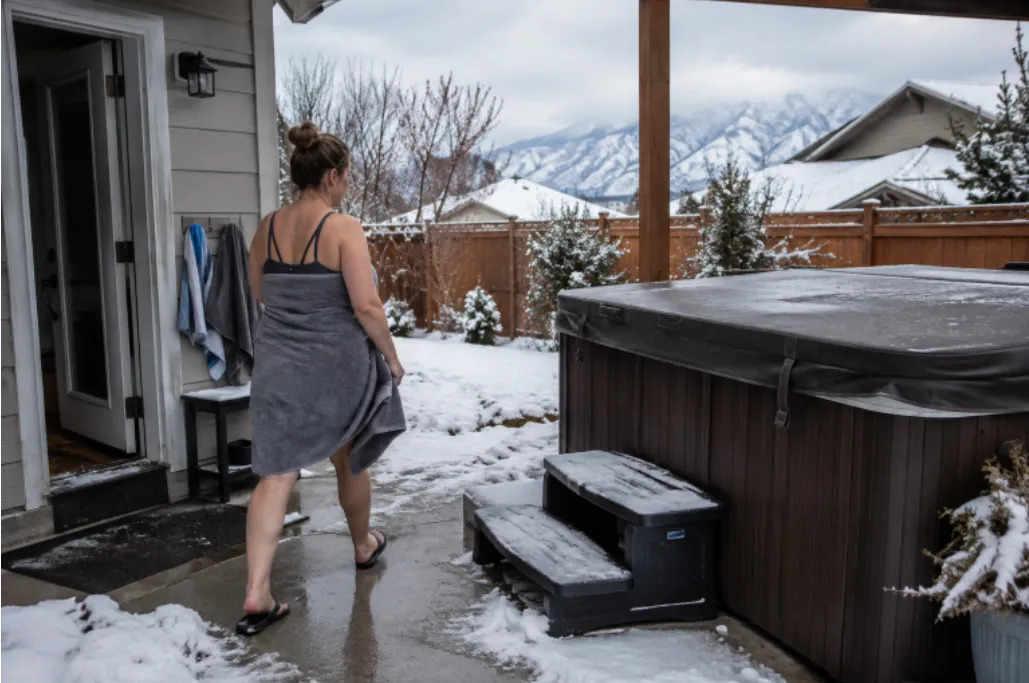
A hot tub can make a Salt Lake City backyard feel useful in every season, from clear winter evenings to dry summer nights. The best setup begins long before delivery day. Homeowners comparing Sundance spas for sale in Salt Lake City should first consider how often the spa will be used, who will use it, and how the location will perform during snow, wind, heat, and changing temperatures.
Planning around local conditions helps prevent common frustrations, including an awkward winter walkway, limited service access, unnecessary heat loss, or a water-care routine that becomes difficult to keep up with. A well-positioned, properly supported hot tub with dependable electrical service can become a comfortable part of the home rather than a seasonal feature that is only used occasionally.
Why Year-Round Planning Matters
A hot tub intended for daily relaxation needs different planning than one used for occasional entertaining. Think realistically about the number of regular users, preferred soaking times, and whether guests will use the spa. A compact model may suit two people who soak often, while a larger layout may make sense for a family, provided the household is prepared for the added water volume, operating costs, and cleaning needs.
Year-round planning also means treating access and maintenance as part of the purchase decision. The route from the door to the spa should be practical after a snowfall, on a dark evening, and when someone is carrying towels or water-care supplies.
How Salt Lake City Weather Affects Ownership
Salt Lake City experiences distinct seasons, including winter cold, snow, summer heat, and dry air. The local climate record maintained by the National Weather Service includes temperature, snowfall, and seasonal weather data, all of which are useful reminders that a spa installation should be prepared for more than mild weather.
Freezing conditions make a reliable cover, insulation, and power supply especially important. Snow and ice can make a short route feel inconvenient, while wind can increase heat loss when the cover is open. In summer, dry conditions can contribute to evaporation, so checking the water level and replacing the cover after use remain good habits. Water quality can also vary by neighborhood and supply, making regular testing more useful than relying on appearance alone.
Choose The Right Size And Layout
Measure the installation area before shopping, then measure again with the cover open. Leave room for steps, a cover lifter, safe walking space, and access to equipment panels. Service technicians need to reach the cabinet and components without moving fencing, heavy planters, or built-in furniture.
Match Seating To Actual Use
- Lounge seating can suit users who prefer a reclined position.
- Upright seats can offer flexible depth and easier conversation.
- Open bench layouts can work well when households expect changing groups of users.
A larger spa is not automatically better. More water and more seating can mean more heat to maintain, more surface area to cover, and more time spent balancing the water.
Prioritize Insulation And Cover Quality
For a Salt Lake City installation, insulation and cover performance usually deserve more attention than decorative lighting or entertainment features. Ask how the cabinet, shell, plumbing area, and cover are insulated. Full-foam and perimeter insulation approaches differ, but the practical question is whether the spa holds heat effectively while still allowing reasonable service access.
Choose a thick, well-fitted cover with durable seams and secure straps. A cover lifter can make it easier to close the spa promptly after each use. Consider nearby fencing, landscaping, or a privacy screen that reduces direct wind exposure without blocking equipment ventilation. Ask for energy-use expectations that reflect winter operation rather than broad estimates that may not match local use patterns.
Plan The Location And Base
- Pick a level location that is convenient to reach from the house.
- Plan drainage so melting snow, rain, and splash-out do not collect beneath the spa.
- Use a stable base designed for the filled weight of the hot tub, water, and occupants.
- Keep access panels clear for maintenance and repairs.
- Add lighting, privacy, and wind protection without creating a cramped path.
Concrete pads, patios, compacted gravel systems, and decks require different preparation. An elevated deck needs particular attention because it must safely support the fully filled spa. Before placing a hot tub on a deck or making structural changes, consult a qualified professional who can assess the existing structure.
Review Electrical Needs Before Buying
Some spas use a 120-volt connection, while others use a 240-volt setup that may support faster heating and stronger simultaneous operation of pumps and heaters. The right option depends on the specific equipment, planned use, and home electrical capacity. A dedicated circuit, proper protective equipment, and professionally completed installation are important parts of the project.
Use a licensed electrician and confirm local permit and inspection requirements before work begins. Electrical upgrades, trenching, disconnect placement, and access through finished landscaping are easier to address before the spa arrives.
Build A Manageable Water-Care Routine
Consistent, simple care is easier than trying to correct neglected water. Follow the manufacturer’s instructions and chemical product labels, and use a hose pre-filter if local water conditions call for one.
- After use: Replace the cover and check the water level.
- Weekly: Test sanitizer, pH, and alkalinity.
- Monthly: Rinse or clean filters according to the manufacturer’s directions.
- Seasonally: Inspect the cover, cabinet, surrounding surface, and accessible plumbing areas.
- As needed: Drain, clean, and refill based on usage, water condition, and manufacturer guidance.
Add Safety Features And Budget Completely
Winter access deserves its own safety plan. Install non-slip steps and adequate exterior lighting, clear snow and ice before soaking, and avoid allowing heavy snow to remain on the cover. Keep a locking cover secured when the spa is not in use, especially where children or pets may be present. The Consumer Product Safety Commission advises using a locked safety cover, maintaining proper drain covers, supervising children, and keeping water temperature at or below 104 degrees Fahrenheit.
Finally, budget for the complete project rather than the spa alone. Include delivery access, site preparation, electrical work, steps, cover equipment, water-care products, filters, electricity, service visits, and eventual cover replacement. When climate, placement, insulation, electrical capacity, water care, and safe access are considered early, a Salt Lake City hot tub setup can remain inviting through Utah’s winter cold and summer heat.


