
Mitski age is 35 years old as of 2026, born on September 27, 1990. The Japanese-American indie rock sensation, whose real name is Mitsuki Laycock (professionally known as Mitski Miyawaki).
She has become one of the most influential singer-songwriters of her generation, captivating audiences worldwide with emotionally raw lyrics and genre-defying soundscapes.
Table of Contents
Quick Facts About Mitski
| Category | Details |
|---|---|
| Full Name | Mitsuki Laycock (Mitski Miyawaki) |
| Stage Name | Mitski |
| Age | 35 years old (as of 2026) |
| Date of Birth | September 27, 1990 |
| Birthplace | Mie Prefecture, Japan |
| Zodiac Sign | Libra |
| Nationality | American-Japanese |
| Ethnicity | Half Japanese, Half American |
| Height | 5’4″ (163 cm) |
| Net Worth | $4 million (2026 estimate) |
| Profession | Singer-Songwriter, Musician, Composer |
| Education | SUNY Purchase College (Studio Composition) |
| Genres | Indie Rock, Art Pop, Folk-Punk, Dream Pop |
| Instruments | Vocals, Piano, Guitar, Bass |
| Record Labels | Dead Oceans, Don Giovanni, Double Double Whammy |
| Studio Albums | 7 (as of 2026) |
| Notable Hit | “My Love Mine All Mine” (Billboard Hot 100) |
| Relationship Status | Single (private about personal life) |
| Current Residence | Nashville, Tennessee |
| Lifestyle | Vegan |
Who is Mitski (Age, Net Worth)?

Mitski Miyawaki, born Mitsuki Laycock on September 27, 1990, celebrated her 35th birthday in 2026. Born in Mie Prefecture, Japan, to an American father and a Japanese mother, Mitski embodies the complexities of bicultural identity—a theme that resonates deeply throughout her music and public persona.
As a Libra, Mitski exhibits traits commonly associated with the zodiac sign: artistic sensibility, a quest for balance, and deep emotional intelligence.
These characteristics manifest clearly in her songwriting, which explores the delicate equilibrium between vulnerability and strength, belonging and alienation, love and loss.
At 35, Mitski stands at a pivotal moment in her career. She’s no longer the emerging indie artist who self-released bedroom recordings as student projects but rather an established voice in contemporary music who has earned critical acclaim, Academy Award nominations, and a devoted cult following that some compare to the fanbases of Taylor Swift and BTS in terms of intensity and dedication.
Her age places her squarely within the millennial generation, and she’s become an icon for this demographic—particularly for young adults navigating identity, mental health struggles, heartbreak, and the search for belonging in an increasingly fragmented world.
Mitski’s music speaks to the millennial and Gen Z experience with a rawness and honesty that few contemporary artists achieve.
Despite being in her mid-30s, Mitski continues to evolve artistically while maintaining the emotional authenticity that first captured listeners’ attention.
Her 2023 album “The Land Is Inhospitable and So Are We” demonstrated artistic maturity while retaining the vulnerability that makes her work so compelling. At 35, she’s at an age where many artists either fade into irrelevance or compromise their vision for commercial success—Mitski has done neither.
The singer-songwriter has also been candid about the challenges of aging as a woman in the music industry, particularly regarding fan expectations and the pressure to remain perpetually young and accessible. Her approach to aging with authenticity, rather than chasing youth, sets her apart in an industry obsessed with novelty.
Early Life and Multicultural Upbringing
Mitsuki Laycock was born in Mie Prefecture, Japan, on September 27, 1990, to an American father who worked for the United States Department of State and a Japanese mother. This bicultural heritage would profoundly shape both her identity and her artistic expression.
Japanese was her first language, and she spent her earliest years immersed in Japanese culture before her family’s frequent relocations began.
Due to her father’s diplomatic career, Mitski’s childhood was defined by constant movement. Before eventually settling in the United States, she lived in thirteen different countries, including Turkey, China, Malaysia, the Czech Republic, and the Democratic Republic of the Congo.
This nomadic upbringing gave her a unique global perspective but also created a persistent sense of displacement that would later become central to her songwriting.
The experience of never fully belonging anywhere—of being “half Japanese, half American but not fully either,” as she describes it—created both emotional challenges and artistic richness.
Mitski has spoken about how moving every few years prevented her from establishing deep roots or lasting friendships, fostering a sense of loneliness and isolation that began in childhood.
During her teenage years, while living in Japan, Mitski briefly worked with a talent manager who wanted to mold her into a “cute young girl pop idol”—a path she rejected. This early brush with the entertainment industry’s tendency to commodify young women, particularly Asian women, influenced her later determination to control her own artistic narrative.
Mitski sang in a choir during high school and discovered her passion for music gradually rather than through a sudden epiphany. She was 18 years old, living in Ankara, Turkey, when she wrote her first song on the piano. The experience was transformative, though she wasn’t confident in her abilities initially.
A talent manager once challenged her to write better songs than the ones he was giving her, and while she couldn’t at the time, the challenge stuck with her and eventually motivated her to develop her songwriting craft.
Her multicultural upbringing exposed her to diverse musical influences, from American folk and rock to 1970s Japanese pop and world music.
This eclectic foundation would later inform her genre-blending approach to composition, creating music that defies easy categorization.
The constant displacement of her childhood also taught Mitski self-reliance and introspection. Without stable friend groups or permanent communities, she turned inward, developing the emotional depth and observational skills that would later distinguish her lyrics.
Many of her songs explore themes of loneliness, cultural displacement, and the search for home—all directly traceable to these formative experiences.
Education and Musical Beginnings
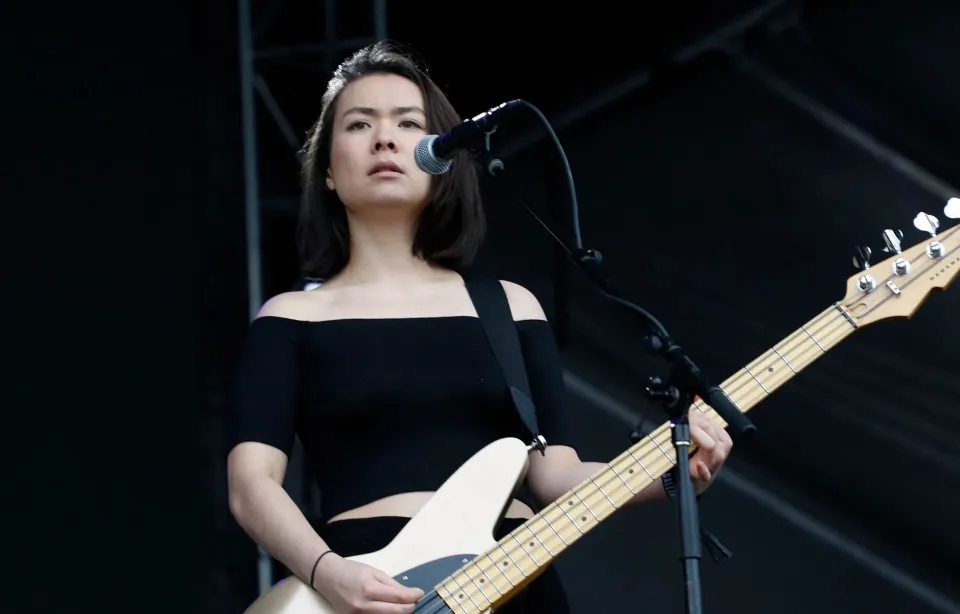
After graduating high school, Mitski initially enrolled at Hunter College in New York City to study film. However, she soon realized that filmmaking wasn’t her true calling. Music had become the only pursuit that genuinely fulfilled her, and she decided to pursue it seriously despite the uncertainty and financial risks involved.
She transferred to SUNY Purchase College’s Conservatory of Music, where she studied studio composition. This rigorous program emphasized classical training, music theory, and production techniques—foundations that would profoundly influence her approach to songwriting and arrangement.
Purchase College’s program was demanding, attracting serious musicians committed to their craft rather than casual hobbyists.
During her time at Purchase, Mitski recorded and self-released her first two albums as student projects. “Lush” (2012), her debut, was primarily piano-based with orchestral arrangements, showcasing her classical training.
The album demonstrated technical proficiency but also revealed a young artist finding her voice, exploring themes of desire, loneliness, and self-discovery with poetic but sometimes tentative lyrics.
Her second album, “Retired from Sad, New Career in Business” (2013), expanded on this foundation. The project featured a 60-piece student orchestra and continued exploring piano-driven compositions.
These early albums were far from the guitar-heavy indie rock sound she would later become known for, but they established her willingness to experiment and her commitment to emotional honesty in songwriting.
At Purchase, Mitski met producer Patrick Hyland, who would become a crucial collaborator. Hyland has produced every Mitski album after “Lush,” helping her refine her sound and realize her artistic vision.
Their creative partnership has been instrumental in Mitski’s artistic development, providing continuity and understanding across her evolving musical styles.
After graduating from Purchase College in 2014, Mitski briefly served as the vocalist for Voice Coils, a short-lived progressive metal band.
This experience, while brief, exposed her to heavier, more aggressive musical styles that would influence her later work, particularly the raw, guitar-driven sound of “Bury Me at Makeout Creek.”
Career Breakthrough and Critical Acclaim
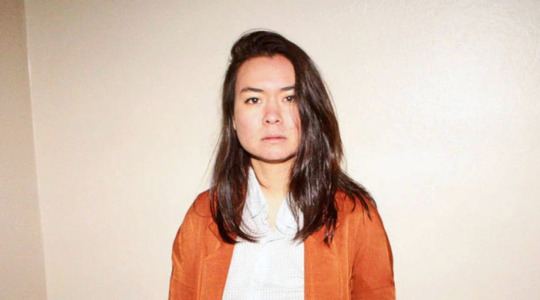
Mitski’s career transformation began with her third studio album, “Bury Me at Makeout Creek,” released on November 11, 2014, through Double Double Whammy.
The album marked a dramatic departure from her piano-based earlier work, embracing raw, distorted guitars, punk energy, and lo-fi production aesthetics. The shift was deliberate—Mitski wanted to strip away the orchestral prettiness and expose the emotional rawness underneath.
“Bury Me at Makeout Creek” received positive reviews from music critics who praised its honesty and intensity. Songs like “Townie,” “First Love/Late Spring,” and “Francis Forever” showcased Mitski’s ability to pair vulnerable, poetic lyrics with compelling melodies and dynamic arrangements.
The album didn’t achieve mainstream commercial success but established her as a serious artist within indie rock circles.
The breakthrough came with “Puberty 2,” released on June 17, 2016, after Mitski signed with Dead Oceans in December 2015.
Produced by Patrick Hyland and recorded over just two weeks at Acme Studios in Westchester County, New York, the album received widespread critical acclaim. It explored themes of identity, alienation, and the struggle to reconcile different aspects of the self.
The lead single, “Your Best American Girl,” became Mitski’s signature song and a cultural phenomenon. The track addresses the experience of feeling like an outsider in American culture, particularly as a woman of color in relationships with white men.
The song’s explosive chorus and honest lyrics resonated deeply with listeners who had experienced similar feelings of not quite belonging. Rolling Stone later named it the 13th best song of the 2010s—a remarkable achievement.
In 2017, Mitski’s profile continued rising. She joined the Pixies as a supporting act on their U.S. tour and later opened for Lorde on select dates of her Melodrama World Tour.
These high-profile opportunities exposed her music to larger audiences and cemented her reputation as one of indie rock’s most compelling performers.
“Be the Cowboy,” released on August 17, 2018, represented another creative evolution. The album featured 14 concise, diverse tracks that ranged from punk energy to baroque pop to disco influences.
Critics universally praised the album’s ambition and execution, with publications like Vulture and Pitchfork naming it album of the year. “Nobody,” the album’s breakout single, featured Mitski’s distinctive choreography and became an internet phenomenon, spawning countless fan videos and TikTok trends.
In 2019, at the peak of her visibility, Mitski announced she was taking a break from music and subsequently deleted her social media accounts.
She explained that the intensity of her fanbase and constant public scrutiny had become overwhelming and damaging to her mental health and self-image. The decision was controversial—some fans felt abandoned while others respected her need for boundaries.
Her hiatus proved relatively brief. On November 9, 2021, Mitski announced her return with “Laurel Hell,” her sixth studio album, released on February 4, 2022. The album debuted in the top ten in several countries and featured singles like “The Only Heartbreaker,” “Heat Lightning,” and “Love Me More.”
The album explored themes of fame, burnout, and the difficulty of maintaining authenticity while navigating commercial expectations.
In 2022, Mitski achieved one of her highest honors: an Academy Award nomination for Best Original Song. She co-wrote “This Is a Life” with Son Lux and David Byrne for the critically acclaimed film “Everything Everywhere All at Once.
” While she didn’t win, the nomination represented mainstream recognition of her songwriting prowess and elevated her profile beyond indie rock circles.
Her seventh studio album, “The Land Is Inhospitable and So Are We,” was released on September 15, 2023. The album featured the single “My Love Mine All Mine,” which became Mitski’s first song to chart on the Billboard Hot 100—a significant commercial milestone after over a decade in the music industry.
The song went viral on TikTok and introduced Mitski to an even broader audience, though some longtime fans felt conflicted about her newfound mainstream attention.
In October 2025, Mitski released a concert film titled “Mitski: The Land,” directed by Grant James. The film was shown in 630 cinemas across 30 countries, giving fans worldwide the opportunity to experience her powerful live performances on the big screen.
As of 2026, Mitski is working on new music and continues to tour globally. She’s also attached to write lyrics and music for a Broadway adaptation of “The Queen’s Gambit,” the 1983 novel by Walter Tevis, representing her first major theatrical project.
Net Worth and Income Sources
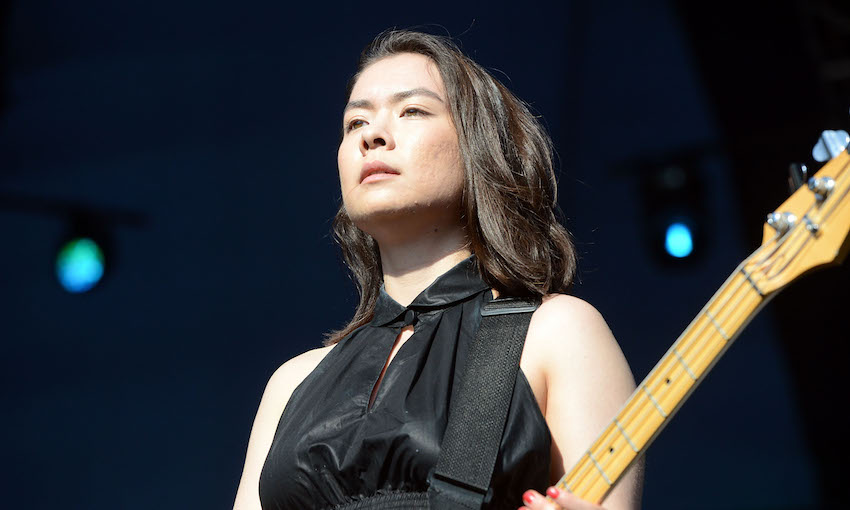
As of 2026, Mitski’s estimated net worth is approximately $4 million according to Celebrity Net Worth and other financial tracking sources. While this is substantial wealth, it’s modest compared to mainstream pop stars, reflecting her position as a critically acclaimed indie artist rather than a commercial pop phenomenon.
Album Sales and Streaming Revenue: Mitski’s primary income source comes from her music. Her seven studio albums, while not achieving massive commercial sales figures, have performed respectably.
“Be the Cowboy” and “Laurel Hell” both charted on the Billboard 200, with “Laurel Hell” reaching the top ten in several countries. Her catalog generates ongoing revenue through streaming platforms like Spotify, Apple Music, and YouTube, where she has over 2.7 million subscribers on her official YouTube channel.
“My Love Mine All Mine” becoming a viral hit on TikTok in 2023-2024 significantly boosted her streaming numbers and income.
The song’s success on the Billboard Hot 100 also increased her royalty payments and brought her music to new audiences who then explored her extensive back catalog.
Touring and Live Performances: Concert tours represent a major income stream for Mitski. She’s performed at prestigious venues and festivals worldwide, building a reputation as an intense, captivating live performer who commits fully to her performances. Ticket sales, along with merchandise sold at shows, contribute substantially to her annual income.
Her tours have grown progressively larger over the years. The “Laurel Hell” tour in 2022 and “The Land Is Inhospitable” tour in 2023-2024 sold out venues across North America, Europe, and Asia, demonstrating her global appeal. As of 2026, she continues to command strong ticket sales, with many shows selling out within minutes.
Songwriting and Production Royalties: Beyond performing her own music, Mitski earns royalties as a songwriter and composer.
Her Academy Award-nominated composition for “Everything Everywhere All at Once” likely generated significant income and opened doors to additional film and television opportunities. She’s also contributed music to other films and soundtracks throughout her career.
YouTube Revenue: Mitski’s YouTube channel, with approximately 2.7 million subscribers and over 1.2 billion video views, generates advertising revenue estimated at around $37,000-$40,000 per month, or roughly $450,000-$480,000 annually.
While YouTube earnings vary based on view counts and advertiser rates, her consistent streaming numbers provide a reliable passive income stream.
Collaborations and Features: Mitski has collaborated with various artists throughout her career, including Xiu Xiu, Lucy Dacus, and Son Lux. These collaborations, along with having her music featured in films, TV shows, and commercials, provide additional income through licensing fees and royalties.
Merchandise Sales: Like most touring musicians, Mitski sells branded merchandise including t-shirts, vinyl records, posters, and other items.
Merchandise typically represents a significant profit margin for artists, particularly those with devoted fanbases willing to purchase physical goods.
Future Earnings Potential: Mitski’s attachment to the Broadway adaptation of “The Queen’s Gambit” represents a new income stream. If the production is successful, it could generate substantial ongoing royalties and establish her as a theatrical composer in addition to her music career.
Despite her substantial net worth, Mitski maintains a relatively modest lifestyle. She lives in Nashville, Tennessee, follows a vegan diet, and is known for valuing privacy and simplicity over flashy displays of wealth.
In interviews, she’s expressed discomfort with the commodification of art and artists, suggesting she views wealth as a means to creative freedom rather than an end in itself.
Her financial success is particularly impressive given that she operates primarily in the indie music sphere, which typically offers lower profit margins than mainstream pop.
Mitski has achieved financial stability while maintaining artistic integrity—a rare accomplishment that speaks to both her talent and the loyalty of her fanbase.
Personal Life and Relationship Status
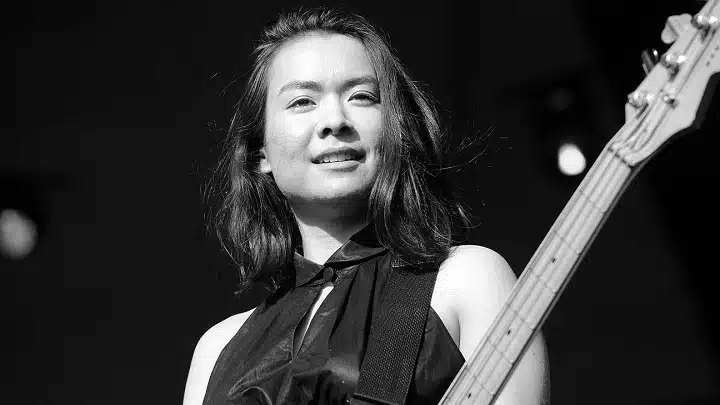
Mitski is notoriously private about her personal life, rarely sharing details about relationships, family, or daily life outside of her music.
This privacy is intentional and carefully maintained, as she’s spoken about the importance of establishing boundaries between her public persona and private self.
Relationship Status 2026: As of 2026, Mitski is not married and has no publicly confirmed romantic partner. She is presumed to be single, though given her privacy, it’s possible she’s in a relationship she chooses not to publicize.
many contemporary artists who share relationship details on social media, Mitski maintains complete discretion regarding her romantic life.
The “Me and My Husband” Confusion: One of the most common questions about Mitski’s personal life stems from her song “Me and My Husband” from the album “Be the Cowboy.”
The track’s domestic imagery and first-person narrative led many listeners to assume Mitski was married. However, she’s explicitly stated that the song is written from a fictional character’s perspective and is not autobiographical.
In a 2018 interview with Saved by Old Times, Mitski directly addressed the confusion, explaining that the song explores the perspective of a woman who stays in an unfulfilling marriage because she feels insecure and doesn’t know who she is without her husband.
The character is not Mitski herself but rather a creation that allows her to explore themes of codependency, identity, and domesticity.
Approach to Privacy: In a 2019 interview with The New Yorker, Mitski explicitly stated she prefers to keep her private life secret.
This isn’t about being mysterious or creating intrigue but rather about protecting her sense of self and maintaining healthy boundaries in an industry that often demands total transparency from artists.
She’s discussed how the intensity of fan engagement—while flattering—can become overwhelming. Some fans analyze every lyric for biographical details, project their own feelings onto her, or feel entitled to know intimate details of her life.
This level of scrutiny, Mitski has said, was damaging to her self-image and contributed to her 2019 decision to leave social media.
Social Media Management: When Mitski returned to social media in 2021, she implemented strict boundaries. Her management team now largely handles her social media accounts, posting primarily about music releases, tour dates, and professional updates rather than personal content.
She uses these platforms as tools for promoting her work rather than sharing her daily life or inner thoughts.
Past Relationships: While rumors of romantic relationships have circulated over the years, Mitski has never publicly confirmed any specific past relationships.
Unlike celebrities who discuss exes in interviews or reference them in public disputes, Mitski maintains complete silence on this aspect of her life.
Some fans have speculated that certain songs reference specific relationships or experiences, but Mitski has consistently emphasized that her songs are often fictional or composite portraits rather than direct autobiography.
She creates characters and scenarios, drawing from emotional truths rather than literal events.
- No Children: As of 2026, Mitski does not have any children. Occasional internet rumors and fan theories have suggested otherwise, sometimes based on misinterpreted lyrics or pure speculation, but there’s no factual basis for these claims. She has never indicated any desire to have children or discussed motherhood in interviews.
- Living Arrangements: Mitski currently resides in Nashville, Tennessee, though she maintains privacy about her exact location and living situation. Nashville has become a hub for indie and alternative musicians, offering a supportive creative community without the intense media scrutiny of Los Angeles or New York.
- Lifestyle Choices: Mitski follows a vegan lifestyle and is known to have a pet cat. These details, shared occasionally in interviews, represent the extent of what she reveals about her daily life. She’s described herself as someone who values quiet, introspection, and time alone—qualities that align with her need for privacy and her artistic process.
- Why Privacy Matters to Her: Mitski’s commitment to privacy isn’t about being difficult or aloof. She’s articulated thoughtful reasons for this boundary: maintaining a sense of self separate from her public persona, protecting her mental health from intense scrutiny, and preserving the mystery and universality of her art. When artists share every detail of their lives, listeners sometimes struggle to find their own meaning in the songs. By keeping her personal life private, Mitski allows her music to belong to everyone who connects with it.
Cultural Impact and Legacy
At just 35 years old in 2026, Mitski has already established herself as one of the most important voices in contemporary indie rock and alternative music.
Her influence extends far beyond sales figures or chart positions, shaping both the musical landscape and broader cultural conversations about identity, mental health, and artistic authenticity.
Representation and Identity: As a Japanese-American woman in a music industry still dominated by white male artists, Mitski represents crucial visibility for Asian-American artists, particularly women.
Her willingness to address the complexities of bicultural identity—the feeling of being “half Japanese, half American but not fully either”—resonates deeply with people navigating similar experiences.
“Your Best American Girl,” in particular, has become an anthem for Asian-Americans and other people of color who’ve experienced feeling like outsiders in American culture or in interracial relationships.
The song’s exploration of internalized racism, cultural expectations, and the desire to belong speaks to experiences rarely addressed in popular music.
Emotional Honesty and Mental Health: Mitski’s unflinching exploration of loneliness, depression, heartbreak, and existential anxiety has helped normalize conversations about mental health, particularly among millennials and Gen Z listeners.
Her music doesn’t offer easy answers or false comfort but rather acknowledges the reality of emotional pain and the difficulty of being human.
Her candor about her own struggles with fan intensity, burnout, and maintaining her sense of self has also been valuable.
By discussing these challenges openly, she’s helped destigmatize the difficulties artists face and encouraged fans to respect boundaries.
Influence on Emerging Artists: Numerous contemporary indie artists cite Mitski as a major influence on their own work. Her willingness to blend genres, her poetic lyricism, her dynamic vocal delivery, and her commitment to artistic integrity rather than commercial considerations have inspired a generation of musicians to prioritize authenticity over marketability.
Live Performance Innovation: Mitski is known for incorporating carefully choreographed movement into her live performances, creating theatrical elements that enhance the emotional impact of her songs.
This approach has influenced how other indie artists think about live shows, moving beyond simply standing with an instrument toward more holistic performance art.
The Guardian’s Recognition: In 2022, The Guardian dubbed Mitski “the best young songwriter in the United States”—high praise from one of the world’s most respected publications.
This recognition reflects her technical skill, emotional depth, and consistent artistic evolution across her career.
Fan Culture and Community: Mitski’s fanbase, while sometimes intense, has created a supportive community around her music. Fans connect with each other through shared love of her work, finding comfort in knowing others experience similar emotions and struggles.
The “Mitski cry” has become a cultural phenomenon—the idea that her music provides a safe space for emotional release and catharsis.
Longevity and Evolution: Unlike many indie artists who either fade after initial success or compromise their vision for mainstream appeal, Mitski has maintained both critical respect and a growing fanbase over 14 years (2012-2026).
Each album shows artistic growth while retaining the emotional core that makes her work distinctive. This consistent evolution suggests she’ll remain relevant for years to come.

Frequently Asked Questions (FAQs)
1. How old is Mitski in 2026?
Mitski is 35 years old as of 2026, having been born on September 27, 1990, in Mie Prefecture, Japan. Despite being in her mid-30s, she continues to be one of the most innovative and influential voices in contemporary indie rock and alternative music.
2. What is Mitski’s net worth?
Mitski’s estimated net worth as of 2026 is approximately $4 million. This wealth has been accumulated primarily through album sales, streaming revenue, concert tours, songwriting royalties, YouTube earnings, and her Academy Award-nominated composition for “Everything Everywhere All at Once.”
3. Is Mitski married or in a relationship?
No, Mitski is not married and has not publicly confirmed any romantic relationships as of 2026. She is extremely private about her personal life and rarely discusses relationships in interviews. The song “Me and My Husband” is fictional and not based on her own marriage, despite common misconceptions.
4. What does Mitski’s stage name mean?
Mitski is a shortened version of her birth name, Mitsuki. She combines it with her mother’s maiden name, Miyawaki, creating her full stage name: Mitski Miyawaki. Her legal name is Mitsuki Laycock, using her father’s surname.
5. Why did Mitski leave social media?
In 2019, Mitski left social media citing the overwhelming intensity of fan engagement and its negative impact on her mental health and self-image. She found the constant scrutiny and expectations damaging. When she returned in 2021, her management team began handling most social media posts, allowing her to maintain healthier boundaries.
6. What is Mitski’s most popular song?
“My Love Mine All Mine” from her 2023 album “The Land Is Inhospitable and So Are We” is arguably her most commercially successful song, becoming her first to chart on the Billboard Hot 100. However, “Your Best American Girl” from “Puberty 2” is often considered her signature song and was named one of the best songs of the 2010s by Rolling Stone.
7. Where does Mitski live now?
As of 2026, Mitski resides in Nashville, Tennessee. She maintains strict privacy about her exact location and living arrangements but has mentioned Nashville as her home base. She follows a vegan lifestyle and lives with her pet cat.
8. How many countries did Mitski live in as a child?
Mitski lived in thirteen different countries while growing up due to her father’s job with the United States Department of State. These countries included Japan, Turkey, China, Malaysia, the Czech Republic, and the Democratic Republic of the Congo before her family settled in the United States.
9. What are Mitski’s pronouns?
Mitski uses she/her pronouns. While she hasn’t made extensive public statements about gender identity, she identifies as a woman and is consistently referred to with feminine pronouns in interviews and media coverage.
10. Is Mitski working on new music in 2026?
Yes, as of 2026, Mitski continues to create new music and is also attached to write lyrics and music for a Broadway adaptation of “The Queen’s Gambit,” representing her first major theatrical project. She remains active in touring and occasionally releases new singles or collaborations, though specific release dates are not always announced in advance.
Conclusion
At 35 years old in 2026, Mitski stands as one of the most compelling and authentic voices in contemporary music.
With an estimated net worth of $4 million, seven critically acclaimed studio albums, an Academy Award nomination, and a fiercely devoted international fanbase, she has achieved remarkable success while maintaining artistic integrity and personal boundaries.
Her journey from self-releasing piano-based albums as student projects to becoming The Guardian’s “best young songwriter in the United States” demonstrates both exceptional talent and unwavering commitment to her craft.
Mitski’s willingness to evolve musically—from orchestral compositions to raw punk energy to genre-blending experimentation—while maintaining emotional honesty has kept her work fresh and relevant across 14 years.