
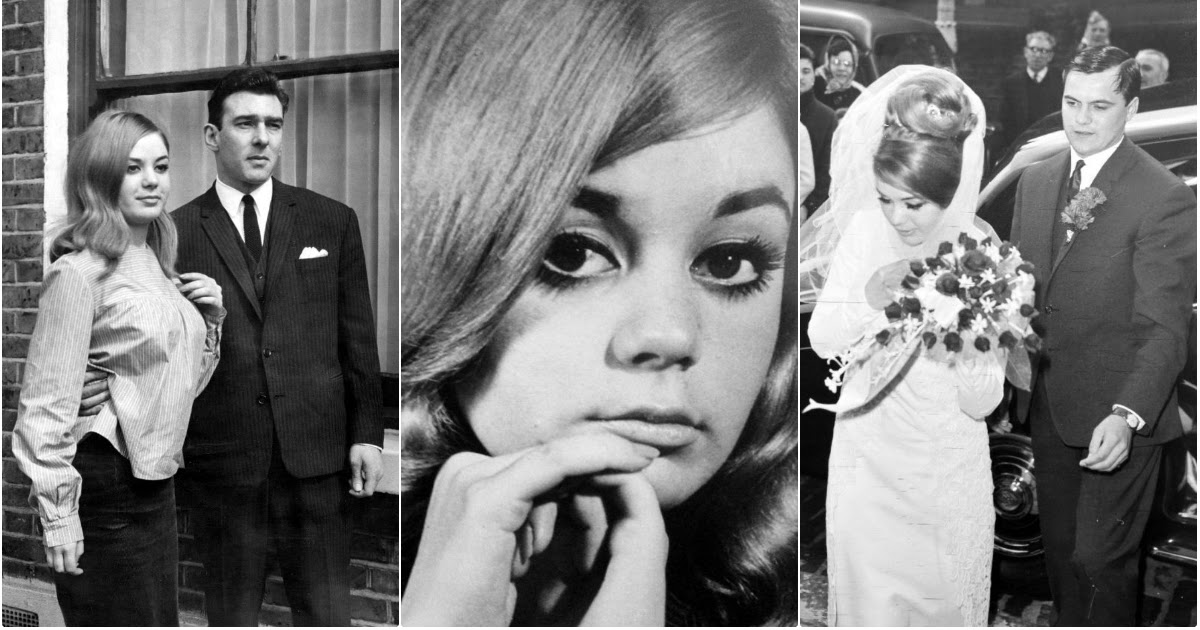
How did Frances Kray die remains one of the most heartbreaking questions in British crime history. Frances Shea, who became Frances Kray through her tragic marriage to notorious gangster Reggie Kray, died on June 7, 1967, at just 23 years old from a barbiturate overdose.
While an official inquest ruled her death as suicide, controversy has surrounded the circumstances for over 50 years, with some alleging she was murdered by Reggie’s twin brother Ronnie out of jealousy.
This beautiful young woman from Bethnal Green became trapped in the violent world of the Kray twins, leading to her untimely demise and a legacy that continues to fascinate people in 2026.
Table of Contents
Quick Facts About Frances Kray
| Fact | Details |
|---|---|
| Full Name | Frances Elsie Shea (née Shea) |
| Birth Date | September 23, 1943 |
| Death Date | June 7, 1967 |
| Age at Death | 23 years old |
| Birthplace | Ormsby Street, Bethnal Green, East London |
| Death Location | 34 Wimbourne Court, Hackney, London |
| Parents | Elsie Shea (mother), Frank Shea Sr. (father) |
| Siblings | Frank Shea Jr. (brother) |
| Spouse | Reginald “Reggie” Kray (married April 19, 1965) |
| Marriage Duration | Approximately 2 years (separated after 8 months) |
| Cause of Death | Barbiturate overdose (officially ruled suicide) |
| Burial Location | Chingford Mount Cemetery, Essex (Kray family plot) |
| Funeral Date | June 1967 at St James The Great Church, Bethnal Green |
Who Was Frances Kray?
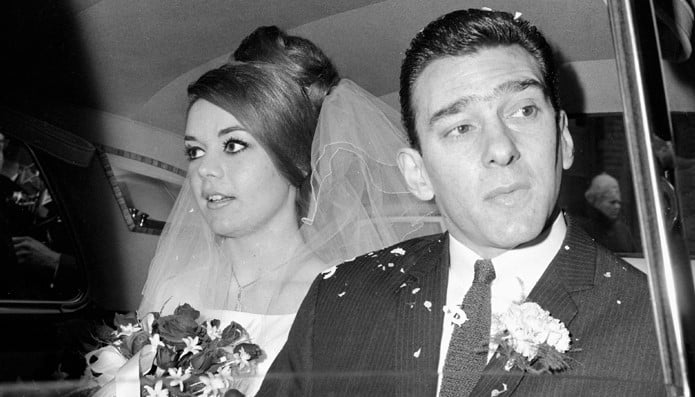
Frances Elsie Shea was born on September 23, 1943, in Bethnal Green, East London, to working-class Irish parents. She was baptized on October 17, 1943, by Father Henry Wincott at Ormsby Street.
Frances grew up in a loving home with her mother Elsie, a seamstress, and her father Frank Shea Sr., a woodworker. Her brother Frank Shea Jr. was born shortly after World War II was declared.
Early Life and Beauty
Known for her striking beauty, Frances was often described as having a resemblance to French actress Brigitte Bardot. She had beautiful brown eyes, a demure demeanor, and a shy, innocent personality that captivated everyone she met.
After leaving school, Frances worked as a secretary in a clerical job at the Strand. She was well-educated for her time and had aspirations for a normal, peaceful life away from crime.
Family Background
Frances’s father, Frank Shea Sr., ran the gambling operations at the Regency Club in Stoke Newington. This connection to London’s underground scene is how Frances and her family first came to the attention of the Kray twins.
Her brother, Frank Shea Jr., occasionally worked as a driver for the Krays and their criminal organization known as “The Firm” during the early 1960s. This family connection would prove fateful for young Frances.
How Frances Met Reggie Kray
Frances first met Reggie Kray in 1957 when she was just fourteen years old, introduced through her brother Frank. However, the pair did not begin dating until 1959 when Frances was sixteen and Reggie was twenty-six.
The Courtship Period
In 1960, Frances and Reggie entered into a romantic relationship. Despite the ten-year age gap, Reggie was immediately smitten with Frances. He would take her to exclusive venues, treating her like a princess.
Key courtship moments included:
- February 1960: Reggie took Frances to the Astor Club in Mayfair’s Berkeley Square
- May 1960: They visited Jersey together for a holiday
- 1961: Reggie proposed at Steeple Bay in Essex (Frances refused, feeling too young)
- 1962: Reggie took her to Barcelona and Milan
- February 1965: Reggie proposed again (Frances accepted)
Why Frances Initially Refused Marriage
When Reggie first proposed in 1961, Frances was only eighteen while he was twenty-seven. She wisely declined, considering herself too young for such a serious commitment.
During this period, Frances also briefly dated Pete Whelan, a 21-year-old printer’s apprentice from Clerkenwell, whom she met at a Hackney Wimpy bar in May 1964. This relationship showed Frances was trying to maintain some independence from Reggie’s controlling nature.
The Wedding of the Year: April 19, 1965
After accepting Reggie’s second proposal in February 1965, Frances married him on April 19, 1965, at St James The Great Church in Bethnal Green. The wedding was dubbed “The East End wedding of the year.”
Wedding Details
The ceremony was extravagant and heavily publicized:
Wedding Highlights:
- The first priest (Father Hetherington) refused to officiate due to Reggie’s criminal connections
- A second priest agreed to perform the ceremony
- Frances wore an ivory satin and guipure lace gown with a short veil
- She styled her hair in a perfectly coiffed beehive
- David Bailey served as the official photographer (the only wedding he ever photographed)
- Ronnie Kray was the best man
- Celebrity guests included actress Diana Dors
- Guests arrived in Rolls Royce cars
- Crowds gathered outside to see the notorious gangster marry
Her Mother’s Protest
Frances’s mother, Elsie Shea, was fiercely opposed to the marriage. In a powerful act of protest, she wore black to the wedding ceremony instead of traditional celebratory colors. This dark choice symbolized her belief that the marriage would lead to tragedy.
The Honeymoon Disaster
The couple honeymooned in Athens, Greece, from April 20-28, 1965. However, the honeymoon revealed the cracks in their relationship immediately.
According to Frances’s diary entries, Reggie went out drinking most nights, often leaving her alone in their hotel room. This pattern would continue throughout their brief marriage.
The Marriage: A Descent Into Darkness
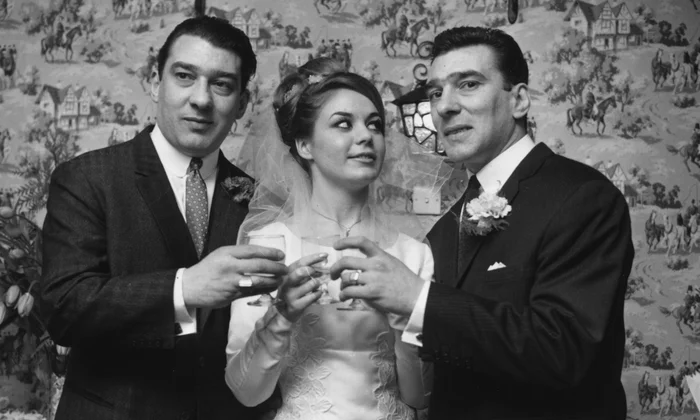
The marriage was troubled from the very beginning. Frances’s personal diary entries paint a picture of isolation, fear, and growing desperation.
Life as Reggie’s Wife
Frances and Reggie initially lived together in a flat at Marble Arch. However, the reality of being married to a violent gangster quickly became unbearable.
Frances documented in her diary:
- Reggie was a heavy drinker with a volatile temper
- He kept an arsenal of weapons in their bedroom
- He often left her alone at night while conducting criminal business
- The flat was visited by dangerous criminals at all hours
- She lived in constant fear and anxiety
The Separation
Just three months after the wedding, Frances left Reggie and returned to her parents’ home. The marriage had lasted only about eight months before she moved out permanently, though they never formally divorced.
Reggie’s Obsession
Reggie refused to accept the separation. He became paranoid and obsessive, monitoring Frances’s every move and stalking her day and night.
He continued to pursue reconciliation desperately, even suggesting a second honeymoon in Ibiza in June 1965. The trip was booked through a local travel agent, but they never actually went.
Frances’s Lonely Travels
Frances’s diary reveals she spent extended periods alone in hotels, trying to escape Reggie’s control:
| Dates | Location | Situation |
|---|---|---|
| June 4 – July 14, 1965 | Ibiza | Stayed in hotel alone |
| July 14 – August 2, 1965 | Hotel (location unclear) | Alone |
| August 2 – August 15, 1965 | Torremolinos, Spain | Alone |
| August 19, 1965 | Alexandra National Hotel, Finsbury Park | Alone, back in London |
Frances’s Suicide Attempts
The toll of the marriage and Reggie’s obsessive control led Frances to attempt suicide multiple times before her final, successful attempt.
First Documented Attempt
During the marriage, Frances attempted suicide by taking an overdose of barbiturates. According to her niece, she was revived on this occasion.
Hospitalization (June – September 1966)
Frances stayed in Hackney Hospital from June to September 1966, likely due to mental health struggles and depression related to her traumatic marriage.
Legal Steps to Freedom
On March 22, 1966, Frances visited a firm of solicitors with the purpose of changing her name back to Shea by deed poll. She made it known to Reggie that she wanted a legal end to the marriage through annulment or divorce.
Frances claimed the marriage had never been consummated, seeking grounds for annulment. This legal battle added to her stress and Reggie’s fury.
October 17, 1966 Attempt
Frances attempted suicide again on October 17, 1966, by taking an overdose of barbiturates. She was revived and survived this attempt.
January 30, 1967 Attempt
On January 30, 1967, Frances barricaded herself in the front room of her brother’s flat, turned on the gas fire, and took an overdose of barbiturates. Once again, she was found and revived.
This attempt showed the escalating desperation of a young woman who saw no way out of her situation.
How Did Frances Kray Die? The Final Day
On the morning of June 7, 1967, Frances Kray died at her brother Frank Shea Jr.’s flat, Number 34 Wimbourne Court, Hackney, where she had been staying since February 1967.
The Morning of June 7, 1967
That morning, Frank Shea Jr. took his sister a cup of tea as he usually did, carefully placing it on the bedside table. Frances seemed to be sleeping peacefully, so he left for work.
Around lunchtime, Frank returned home to check on his sister. She was exactly as he’d left her earlier, and the tea was stone cold. Frances had died from a barbiturate overdose during the morning hours.
Official Cause of Death
An inquest concluded that Frances Kray died by suicide from a barbiturate overdose. She was just 23 years old.
The official ruling was death by suicide, but this conclusion has been questioned and debated for over 50 years.
Alternative Theory: Murder by Ronnie Kray
In 2002, shocking allegations emerged that challenged the suicide verdict. Bradley Allardyce, a former inmate who spent three years in Maidstone Prison with Reggie Kray, came forward with a stunning revelation.
According to Allardyce, during an emotional conversation in prison, Reggie confessed that his twin brother Ronnie had murdered Frances out of jealousy. Reggie allegedly said: “I’m going to tell you something I’ve only ever told two people.”
Ronnie’s confession timeline:
- Ronnie allegedly confessed to Reggie just two days after Frances’s death
- Reggie carried this secret for years, only telling a select few people
- The revelation came from John Pearson’s biography “The Profession of Violence”
- Ronnie had extensive access to Pearson and agreed the details would not be revealed until both twins were deceased
Why Ronnie Might Have Killed Frances
Several theories exist about Ronnie’s possible motive:
- Jealousy of Reggie’s Love: Ronnie was homosexual and had an extremely close, possibly incestuous relationship with his twin brother
- Frances Knew Too Much: She may have threatened to expose the twins’ criminal activities
- Control: Removing Frances would give Ronnie more control over Reggie
- Mental Instability: Ronnie suffered from paranoid schizophrenia and was known for impulsive violence
Evidence Supporting Murder Theory
- Reggie’s alleged confession to Bradley Allardyce
- Ronnie’s history of impulsive murders (he shot George Cornell in public)
- The suspicious timing and circumstances
- Frances’s expressed desire to escape the Kray world
- Reggie’s extreme grief and subsequent breakdown
Evidence Supporting Suicide
- Frances had attempted suicide three times previously
- She was documented to be suffering from severe depression
- She had access to barbiturates
- She was staying at her brother’s flat (safe location for a suicide attempt)
- Her diary entries showed deep despair
- The inquest officially ruled suicide
Reggie’s Reaction to Frances’s Death
When Reggie found out about Frances’s death, he was reportedly heartbroken and devastated beyond measure.
The Lavish Funeral
Reggie insisted on an extravagant funeral despite Frances’s parents’ wishes. He spent approximately £2,000 on the funeral (equivalent to around £30,000 or $40,000 in today’s money).
Funeral details:
- Held at St James The Great Church on Bethnal Green Road
- The same church where they had married less than two years earlier
- Massive floral displays including:
- A heart-shaped wreath with red roses and white carnations
- A six-foot-tall wreath spelling out her name
- Numerous other elaborate arrangements
The Burial Controversy
Frances’s parents told Reggie that their daughter’s last wish had been to revert to her maiden name. However, Reggie insisted she be buried under her married name “Frances Kray” and wear her white satin wedding dress.
In an act of quiet rebellion, Frances’s mother Elsie persuaded the undertaker to:
- Clothe the corpse in tights and a slip underneath the wedding dress
- Minimize contact between Frances’s body and the hated dress
- Swap her wedding ring with a ring Frances had worn as a little girl
Frances was buried in the Kray family plot at Chingford Mount Cemetery in Essex, despite her family’s objections.
Reggie’s Grief
Reggie was inconsolable during the funeral service. He cried throughout and had to be physically dragged away from the graveside by Ronnie.
After the funeral, Reggie visited Frances’s grave several times a day, sometimes standing there for hours in silent grief.
The Downward Spiral
Frances’s death acted as a catalyst for Reggie’s deterioration. He descended into excessive drinking and became increasingly violent and unstable.
Four months after Frances died, in October 1967, Reggie murdered Jack “The Hat” McVitie, a minor member of the Kray gang. Many believe this murder was a direct result of Reggie’s grief and mental breakdown following Frances’s death.
The Tombstone and Memorial
The inscription on Frances’s tombstone reads:
“In loving memory of my dear wife FRANCES KRAY who passed away 7th June 1967 Aged 23 years. If I could write the beauty of your eyes, And in fresh numbers number all your graces, The age to come would say ‘This poet lies; Such heavenly touches ne’er touched earthly faces.'”
The quote is from Shakespeare, showing Reggie’s attempt to immortalize Frances through poetry.
Even decades later, when Reggie was allowed to attend his brother Charlie’s funeral in 2000, he visited Frances’s grave and kissed the tombstone. She remained the love of his life until his own death from cancer in October 2000.
The Aftermath: What Happened to the Krays
Frances’s death marked a turning point in the Kray twins’ criminal empire.
The Arrests
On May 8, 1968, less than a year after Frances’s death, the Kray twins and 15 members of “The Firm” were arrested by police led by Detective Superintendent Leonard “Nipper” Read.
The Trial and Convictions
In March 1969, both Ronnie and Reggie Kray were sentenced to life imprisonment with a recommended minimum term of 30 years for the murders of George Cornell and Jack McVitie.
Ronnie’s Death
Ronnie Kray died of a heart attack on March 17, 1995, at age 61, while still incarcerated at Broadmoor Hospital, where he was held due to being certified insane.
Reggie’s Later Life
While in prison, Reggie:
- Found Christianity and converted
- Started painting as a coping mechanism
- Wrote several books including his autobiography “Born Fighter”
- Married Roberta Jones in 1997 (while still imprisoned)
- Continued to visit Frances’s grave whenever allowed
Reggie died of bladder cancer on October 1, 2000, at age 66, just weeks after being released from prison on compassionate grounds.
Frances’s Family Perspective
Frances’s family maintained that she was a victim who was trapped in an impossible situation with no escape.
Her Brother’s Role
Frank Shea Jr., Frances’s brother, was present during her final days. He discovered her body and lived with the trauma of that discovery for the rest of his life.
In later years, he provided interviews that shed light on Frances’s suffering and the control the Krays exerted over the family.
Her Niece’s Revelation (2020)
In December 2020, Frances’s niece gave an interview suggesting that Frances suffered from mental illness during an era when such conditions weren’t properly understood or treated.
She argued that while Reggie’s lifestyle “didn’t help,” he didn’t necessarily drive Frances to suicide. The niece emphasized that mental health care in the 1960s was inadequate, and Frances didn’t receive the right treatment.
The Mystery Continues in 2026
More than 50 years after her death, the truth about how Frances Kray died remains contested and mysterious.
Two Competing Narratives
| Suicide Theory | Murder Theory |
|---|---|
| Official inquest verdict | Reggie’s alleged prison confession |
| Three prior suicide attempts | Ronnie’s history of violence |
| Documented depression | Ronnie’s jealousy of Frances |
| Access to barbiturates | Timing suspicious (just days before planned escape) |
| Diary showed despair | Frances knew too much about crimes |
| Brother found her peacefully | No suicide note found |
Why the Truth Matters
Understanding how Frances Kray died is important because:
- Justice: If she was murdered, it was never prosecuted
- Mental Health Awareness: Her story highlights 1960s mental health failures
- Domestic Violence: Frances was clearly in an abusive, controlling relationship
- Historical Record: The truth should be documented accurately
- Cultural Impact: Her story influenced books, films, and public understanding of the Krays
Recent Cultural Interest (2024-2026)
Interest in Frances Kray has surged in recent years due to:
- The Krays: New Blood film (currently unreleased) focusing on Frances’s death
- TikTok videos about her story going viral with millions of views
- True crime podcasts examining the case with fresh perspectives
- Renewed academic interest in 1960s London crime culture
- Mental health advocates using her story to discuss historical trauma
Frances Kray in Popular Culture
Frances’s tragic story has been immortalized in various media over the decades.
Films and Documentaries
The Krays (1990)
- Kate Hardie portrayed Frances Shea
- Martin Kemp and Gary Kemp played Reggie and Ronnie
- The film dramatized the marriage and Frances’s suffering
Legend (2015)
- Emily Browning portrayed Frances
- Tom Hardy played both Kray twins
- The film brought Frances’s story to a new generation
- Critics praised Browning’s sensitive portrayal
The Krays: New Blood (Unreleased)
- Focuses specifically on Frances Shea’s death
- Promises to explore the murder theory
- Expected to provide new perspective on events
Books
“Frances Kray – The Tragic Bride” by Jacky Hyams (2015)
- The first comprehensive book about Frances
- Features previously unseen photographs and documents
- Interviews with family members
- Explores both suicide and murder theories
- Reveals the extent of Reggie’s controlling behavior
Why People Remain Fascinated
Frances represents several archetypal narratives:
- Beauty and the Beast: Innocent beauty trapped by dangerous man
- Tragic Love: Romance destroyed by violence and control
- Class Struggle: Working-class girl caught in criminal underworld
- Lost Potential: A life cut short at 23
- Unsolved Mystery: Questions about her death persist
Lessons From Frances’s Story
Frances Kray’s life and death offer important lessons that remain relevant in 2026.
Recognizing Domestic Abuse
Frances exhibited classic signs of being in an abusive relationship:
- Isolation from friends and family
- Partner’s extreme jealousy and control
- Monitoring of movements (stalking)
- Fear and anxiety
- Multiple suicide attempts
- Inability to leave despite wanting to
Mental Health in the 1960s
Frances’s story highlights how poorly mental health was understood and treated in the 1960s:
- Depression wasn’t properly diagnosed
- Suicide attempts weren’t followed by adequate care
- Trauma wasn’t recognized or addressed
- Women’s distress was often dismissed
- No protective services existed for abuse victims
The Dangers of Romanticizing Criminals
The glamorization of the Kray twins in media often overshadows victims like Frances. Her story reminds us that:
- Criminal “celebrity” comes with real victims
- Gangster lifestyle destroys lives
- Violence has lasting consequences
- Women and children often pay the price
Modern Parallels
Frances’s situation mirrors modern issues:
- Coercive control (now recognized as abuse)
- Digital stalking and monitoring
- Economic dependence on abusive partners
- Family pressure in relationships
- Mental health stigma
Unanswered Questions
Despite decades of investigation and speculation, several questions remain:
- Was Frances murdered or did she commit suicide?
- If murdered, did Ronnie act alone or with help?
- Did Reggie truly know, or was this a prison rumor?
- What did Frances plan to reveal that might have led to murder?
- Were there other suspects beyond Ronnie?
- Why didn’t Frances’s family push harder for investigation?
- What happened to her personal belongings and diary?
- Did the police suspect murder but lack evidence?
Frequently Asked Questions (FAQs)
How did Frances Kray actually die?
Frances Kray died from a barbiturate overdose on June 7, 1967, at age 23. An inquest officially ruled her death as suicide. However, allegations emerged in 2002 that Ronnie Kray murdered her out of jealousy and confessed to Reggie two days later, making the true circumstances disputed.
How old was Frances Kray when she died?
Frances Kray was 23 years old when she died on June 7, 1967. She was born on September 23, 1943, meaning she died just a few months before what would have been her 24th birthday. She had been married to Reggie Kray for approximately two years.
Did Reggie Kray love Frances Shea?
Reggie Kray was obsessed with Frances, though whether this constituted healthy love is debatable. He wrote love letters, spent lavishly on her, and was devastated by her death, visiting her grave daily. However, his love manifested as controlling, possessive behavior including stalking, monitoring, and refusing to let her leave the marriage.
How long were Reggie and Frances Kray married?
Reggie and Frances Kray married on April 19, 1965, and she died on June 7, 1967, making the marriage approximately two years long. However, Frances left Reggie after only three months and moved back with her parents after about eight months, though they never formally divorced.
Was Frances Kray murdered or did she commit suicide?
The official verdict was suicide, but serious doubt exists. Frances had attempted suicide three times previously and suffered from severe depression. However, Bradley Allardyce claimed Reggie confessed in prison that Ronnie murdered Frances out of jealousy. The truth remains unknown and debated.
Where is Frances Kray buried?
Frances Kray is buried at Chingford Mount Cemetery in Essex, in the Kray family plot. Despite her family’s wishes for her to be buried under her maiden name, Reggie insisted she be buried as “Frances Kray” wearing her wedding dress. Her mother secretly had her dressed in undergarments to minimize contact with the dress.
Did Frances Kray have any children?
No, Frances Kray did not have any children. She and Reggie Kray had no offspring during their brief marriage. Frances actually claimed the marriage was never consummated when she sought an annulment, though this claim was never legally verified before her death.
What happened to Frances Kray’s family after her death?
Frances’s family was devastated by her death. Her brother Frank Shea Jr., who found her body, carried that trauma for life. Her mother Elsie and father Frank Sr. were heartbroken and continued to believe Reggie was responsible for their daughter’s misery. The family maintained that Frances was a victim of the Krays’ world.
Why did Frances Kray marry Reggie in the first place?
Frances initially refused Reggie’s proposal in 1961 when she was only 18. By 1965, when she accepted at age 21, she likely faced immense pressure from Reggie’s persistent pursuit, her brother’s involvement with the Krays, and societal expectations. She may not have fully understood the violent reality of his criminal life.
What was the age difference between Frances and Reggie Kray?
There was a ten-year age gap between Frances and Reggie Kray. Frances was born on September 23, 1943, while Reggie was born on October 24, 1933. When they met, she was 14 and he was 24. When they married in 1965, she was 21 and he was 31.
Conclusion
How did Frances Kray die? The official answer is suicide by barbiturate overdose at age 23 on June 7, 1967, at her brother’s flat in Hackney. However, the truth may be far more sinister.
Allegations that Ronnie Kray murdered her out of jealousy, confessing to Reggie just days later, have cast doubt on the suicide ruling for decades.
Whether Frances took her own life to escape an unbearable marriage or was silenced by the violent world she’d been trapped in, her death represents a heartbreaking tragedy.
This beautiful young woman from Bethnal Green deserved a life of happiness and peace, not one dominated by fear, control, and violence.