
What should I call my store? This is one of the most critical questions every entrepreneur faces when launching a new business.
Your store name is more than just a label—it’s the foundation of your brand identity, the first impression you make on customers, and a powerful marketing tool that can drive success or failure.
In today’s competitive marketplace, choosing a memorable, catchy business name that resonates with your target audience while standing out from competitors is essential for building a thriving enterprise in 2026.
Table of Contents
Why Your Store Name Matters More Than Ever in 2026
Your business name serves as the cornerstone of your entire brand strategy. In the digital age, where customers discover stores primarily through online searches and social media, having the right name can dramatically impact your visibility and success.
A well-chosen store name creates instant recognition and makes your business memorable. Research shows that customers are more likely to recommend businesses with names they can easily recall and pronounce. Your name becomes synonymous with your values, quality, and the experience you provide.
The right store name also helps establish credibility and professionalism. When customers encounter your business for the first time, your name tells them whether you’re established, trustworthy, and worth their time. A professional, thoughtful name suggests that you take your business seriously.
The Psychology Behind Memorable Store Names
Understanding what makes a name stick in customers’ minds is crucial. Memorable names often share common characteristics that trigger positive psychological responses and create lasting impressions.
Short, punchy names work exceptionally well because they’re easier to remember and repeat. Think of successful brands like Amazon, Nike, or Zappos—all simple, distinctive, and immediately recognizable. The human brain processes shorter names more efficiently, making them more likely to be recalled during purchasing decisions.
Names that evoke emotions or paint mental pictures tend to perform better than generic descriptors. A name like “Velvet & Vine” for a luxury clothing store creates imagery and feelings, while “City Clothing Store” falls flat. Emotional connections drive customer loyalty and word-of-mouth marketing.
What Should I Call My Store? Key Elements of a Catchy Business Name
Creating a store name that captures attention and drives success requires balancing several important elements. Understanding these components helps you craft a name that works across all marketing channels and customer touchpoints.
Simplicity and Clarity Your store name should be easy to spell, pronounce, and remember. Avoid complicated words, unusual spellings, or confusing combinations that force customers to work hard just to find you online. Simple names reduce friction in the customer journey.
Uniqueness and Distinctiveness Standing out in a crowded marketplace requires originality. Your name should differentiate you from competitors and create a unique identity that customers associate exclusively with your brand. Generic names get lost in search results and fail to create lasting impressions.
Relevance to Your Brand While your name doesn’t need to literally describe what you sell, it should align with your brand values and the experience you provide. A disconnect between your name and your actual business confuses customers and weakens your brand positioning.
Scalability for Future Growth Consider where your business might expand in the future. Names that are too specific can limit your growth potential. For example, “Joe’s Donuts” becomes problematic when you decide to add coffee, sandwiches, or catering services to your menu.
Popular Naming Strategies for 2026
Modern businesses employ various creative approaches to develop compelling store names. Understanding these strategies gives you a framework for brainstorming and evaluating potential names for your venture.
Compound Word Combinations Merging two relevant words creates memorable, brandable names. Examples include “Pot Gang” for gardening subscriptions or “Thread Theory” for modern clothing. This approach yields unique names while maintaining clear brand associations.
Playful Wordplay and Puns Clever plays on words can make your store name entertaining and memorable. “Shelfie” for a bookstore or “Lettuce Inn” for a salad restaurant demonstrates how wordplay creates personality and makes customers smile.
Evocative Descriptors Using adjectives or descriptive terms paired with nouns creates names with strong imagery. “The Golden Apple,” “Velvet & Vine,” or “Mystery Lane” all paint mental pictures that attract specific customer demographics.
Acronyms with Meaning Well-crafted acronyms can create short, memorable names while still conveying meaning. However, ensure your acronym is pronounceable and that the full meaning enhances rather than dilutes your brand story.
Personal Name Variations Using your own name or a variation can work well, especially for service-based businesses or artisanal products where personal connection matters. However, this approach may limit future sale potential and expansion opportunities.
Industry-Specific Naming Considerations
Different industries benefit from different naming approaches. Understanding industry conventions while finding ways to stand out helps position your store effectively within your market segment.
Retail and Ecommerce Stores Online retail benefits from short, memorable names that work well in URLs and social media handles. Names like “Storq” (for maternity wear) or “Death Wish Coffee” demonstrate how creative spelling and bold choices can create instant brand recognition in competitive spaces.
Fashion and Clothing Boutiques Fashion stores often use elegant, sophisticated names that convey style and aesthetic. “Street Loom” for streetwear or “Chapter & Verse” for literary-themed fashion shows how names can immediately communicate your design philosophy and target demographic.
Beauty and Wellness Businesses Health and beauty stores benefit from names that suggest transformation, care, and quality. Names should feel inviting, trustworthy, and aligned with the wellness values your target customers embrace.
Food and Beverage Establishments Restaurant and food store names can range from playful to sophisticated depending on your concept. Consider how your name communicates your cuisine, atmosphere, and dining experience before customers walk through your door.
Pet Stores and Pet Services Pet-related businesses succeed with warm, playful names that make animal lovers smile. “Pawfect Picks,” “Whisker & Wag,” or “Furry Friends Co.” all create positive associations while clearly communicating your market focus.
How to Brainstorm Store Name Ideas
Developing a strong list of potential names requires structured creativity and strategic thinking. Follow these steps to generate options that truly represent your brand and appeal to your target market.
Start by identifying your brand’s core values and unique selling propositions. What makes your business different? What experience do you want customers to have? Write down keywords associated with your products, values, and customer benefits.
Consider your target audience’s preferences and language. What terms resonate with them? What style of communication do they prefer—formal or casual, traditional or modern, playful or serious? Your name should speak their language.
Use word association exercises to expand your thinking. Start with core business terms and branch out to related concepts, emotions, and imagery. This technique often reveals unexpected name possibilities that feel fresh and distinctive.
Look to nature, mythology, cultural references, and foreign languages for inspiration. These sources provide rich vocabulary that can add depth and meaning to your store name while helping you stand out from English-only competitors.
Leveraging Business Name Generators
AI-powered name generators have become valuable tools for kickstarting your naming process. These platforms use algorithms and databases to create suggestions you might not have considered independently.
Shopify Business Name Generator This free tool generates hundreds of name suggestions based on keywords you provide. It’s particularly useful for ecommerce businesses and integrates with Shopify’s domain checker, allowing you to immediately see which names have available web addresses.
Namelix for Brandable Names Namelix specializes in creating short, branded names rather than simple keyword combinations. The AI learns your preferences as you save names, providing increasingly relevant suggestions over time. This tool excels at generating modern, startup-style names.
Domain Wheel for Domain-Focused Naming When domain availability is your top priority, Domain Wheel simultaneously generates name ideas and checks domain availability. This streamlines the process and prevents attachment to unavailable names.
Wix Business Name Generator Wix’s tool provides industry-specific suggestions and helps you explore different naming styles. It’s particularly helpful when you’re struggling to define your naming direction and need diverse inspiration.
Remember that generators provide inspiration and starting points, not guaranteed solutions. The names they suggest may already be in use or fail to capture your unique brand essence. Use them as creative catalysts rather than definitive answers.
Checking Name Availability Across Platforms
Before falling in love with a name, thorough availability checking prevents painful disappointments and potential legal issues. This verification process should cover multiple aspects of your digital and legal presence.
Domain Name Availability Your ideal domain is yourname.com, as .com domains are most recognized and trusted by consumers. Use registrars like GoDaddy, Namecheap, or Google Domains to check availability. Consider alternative extensions like .store, .shop, or .online if your preferred .com is taken.
Social Media Handle Consistency Check major platforms including Instagram, Facebook, TikTok, Twitter, and Pinterest. Consistent handles across platforms strengthen brand recognition and make it easier for customers to find and follow you. Tools like Namecheckr can search multiple platforms simultaneously.
Trademark Database Searches Conduct searches through the USPTO (United States Patent and Trademark Office) database or equivalent authorities in your region. Ensure no existing trademarks conflict with your chosen name, especially within your industry category.
Google Search Verification Perform comprehensive Google searches for your potential name. See what already exists with that name or similar variations. Strong existing associations with other businesses can create confusion and harm your SEO efforts.
Business Registry Checks Search your local and state business registries to ensure the name isn’t already registered for an active business in your area. This prevents legal conflicts and consumer confusion in your local market.
SEO Considerations for Store Names
Your store name impacts your search engine visibility and online discoverability. Strategic naming choices can give you long-term SEO advantages and help customers find you more easily.
Including relevant keywords in your store name can improve search rankings, but this must be balanced against creativity and brandability. “NYC Vintage Clothing” may rank well initially but lacks memorability and expansion potential compared to a branded name.
Consider voice search optimization when evaluating names. As voice-activated searches grow, names that are easy to pronounce and unlikely to be misheard have advantages. Avoid unusual spellings that confuse voice recognition systems.
Think about how your name will appear in search results, social media feeds, and mobile displays. Extremely long names get truncated, potentially losing impact. Aim for names that work well in shortened formats without losing meaning.
Local SEO matters for brick-and-mortar locations. Including geographic terms may help local discovery but can limit national expansion. Consider whether your business will remain primarily local or aim for broader reach.
Testing Your Name With Target Customers
Before committing to a final name, gather feedback from people who represent your target market. This validation step can reveal issues you haven’t considered and confirm whether your name resonates as intended.
Create simple surveys asking respondents to rate names on memorability, appropriateness, and appeal. Include questions about what the name suggests about your business and whether it would attract or deter them as customers.
Conduct focus groups with 5-10 target customers to discuss name options. Ask them to explain what each name communicates and which they’d be most likely to remember and recommend to friends.
Test pronunciation by sharing names verbally. If people consistently mispronounce or ask for spelling clarification, the name may be too complicated. Easy pronunciation facilitates word-of-mouth marketing and customer referrals.
Evaluate emotional responses by asking how each name makes people feel. The emotions your name evokes should align with your brand positioning and the experience you promise customers.
Legal Protection for Your Store Name
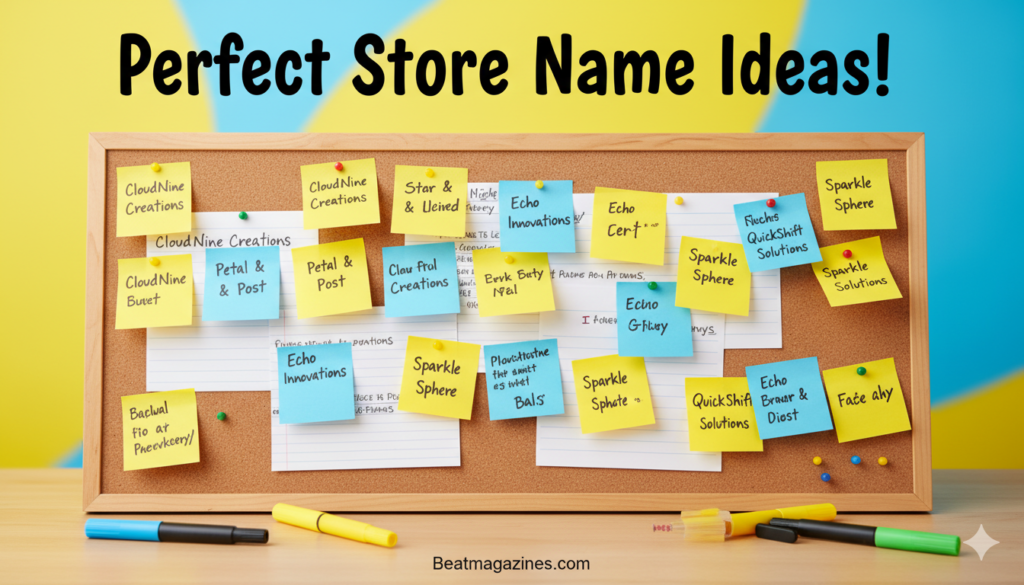
Once you’ve selected your perfect name, protecting it legally ensures others can’t capitalize on your brand building efforts or create market confusion.
Register Your Business Name File the appropriate paperwork with your local, state, and federal authorities depending on your business structure. This establishes legal recognition and protects your right to operate under that name in your jurisdiction.
Trademark Your Brand Apply for trademark protection through the USPTO or equivalent authority. Trademarks provide exclusive rights to use your name for specific goods or services and allow legal recourse against infringement.
Secure Relevant Domains Purchase not just your primary .com domain but also common variations and alternative extensions. This prevents competitors or cybersquatters from confusing customers or diluting your brand.
Document Your Brand Development Keep records of when you started using the name, including dated files, receipts, and communications. This documentation establishes priority if disputes arise about who used the name first.
Common Naming Mistakes to Avoid
Understanding frequent pitfalls helps you sidestep problems that plague many new businesses and require costly rebranding down the road.
Being Too Generic Names like “Quality Goods” or “Best Store” say nothing distinctive about your business. Generic names are impossible to protect legally, don’t rank well in search engines, and fail to differentiate you from competitors.
Choosing Overly Complicated Names Long, difficult-to-spell names create friction at every customer touchpoint. If people can’t spell your name, they can’t find you online or recommend you to friends. Simplicity usually wins.
Limiting Future Expansion Ultra-specific names that reference particular products or locations may become problematic as you grow. “Seattle Coffee Beans” becomes awkward when you expand to Portland or add tea products.
Ignoring Cultural Considerations If you plan to operate internationally or serve diverse communities, research how your name translates and what connotations it carries in different languages and cultures. Embarrassing misunderstandings can damage your brand.
Following Trends Too Closely Names based on current slang, pop culture, or design trends may feel dated quickly. Aim for timelessness rather than trendiness to avoid needing expensive rebrands as fashions change.
Building Your Brand Around Your Name
Once you’ve chosen your name, it becomes the foundation for all brand development. Creating cohesive branding amplifies the power of your name and builds recognition.
Logo Design and Visual Identity Develop a logo that complements your name and visually represents your brand personality. Your visual identity should reinforce the messages your name communicates about quality, style, and values.
Brand Voice and Messaging Define how your brand communicates across all channels. Your name suggests certain tones and styles—playful names call for different messaging than sophisticated names. Maintain consistency between name and voice.
Website Development Build a website that brings your name to life through design, content, and user experience. Your digital presence should fulfill the promises your name makes and exceed customer expectations.
Social Media Presence Establish accounts on relevant platforms using consistent handles. Post content that reinforces your brand identity and engages your audience in ways that align with your store name’s personality.
Packaging and Physical Touchpoints Ensure your name appears consistently and prominently on all physical materials including packaging, signage, business cards, and receipts. Every touchpoint reinforces brand recognition.
Examples of Successful Store Names in 2026
Learning from businesses that nailed their naming strategy provides practical inspiration and demonstrates principles in action.
Amazon Jeff Bezos chose Amazon to evoke something vast and diverse like the Amazon River. The name allowed unlimited expansion beyond books into every product category. Its simplicity and strong imagery made it memorable.
Pot Gang This playful name for a gardening subscription service appeals to millennials and Gen Z through its ambiguity and conversational tone. It sparks curiosity and creates talking points while allowing flexibility in product offerings.
United By Blue This outdoor retailer’s name communicates its environmental mission and creates community around shared values. The name immediately tells customers what the brand stands for beyond just products.
Storq A clever play on “stork” for maternity wear, this name is relevant to the target audience while being distinctive and memorable. The unique spelling creates brand identity while maintaining clear market positioning.
Death Wish Coffee This bold, edgy name perfectly matches the brand’s intense, high-caffeine product and appeals to its target demographic. It demonstrates how unconventional names can succeed when aligned with brand personality.
Store Naming Trends for 2026
Understanding current naming trends helps you create a contemporary name while identifying opportunities to stand out by zigging when others zag.
Minimalist, One-Word Names Short, single-word names continue trending as businesses compete for limited domain availability and social media attention. Names like “Kindle,” “Grove,” or “Curated” exemplify this approach.
Nature-Inspired Names Environmental consciousness drives increased use of nature-related terms. Names incorporating plants, animals, natural materials, and outdoor references resonate with eco-conscious consumers.
Intentional Misspellings Creative spellings that maintain pronunciation while creating unique brands remain popular. Examples include “Lyft,” “Flickr,” and “Tumblr.” This approach secures domains while building distinctive identities.
Compound Mashups Blending two words creates branded terms that are memorable and ownable. “Pinterest,” “Snapchat,” and “Netflix” pioneered this trend, which continues strong across industries.
Meaningful Acronyms Unlike generic initials, meaningful acronyms tell stories while creating short, memorable names. The key is ensuring the full meaning enhances rather than confuses the brand story.
International Considerations for Store Names
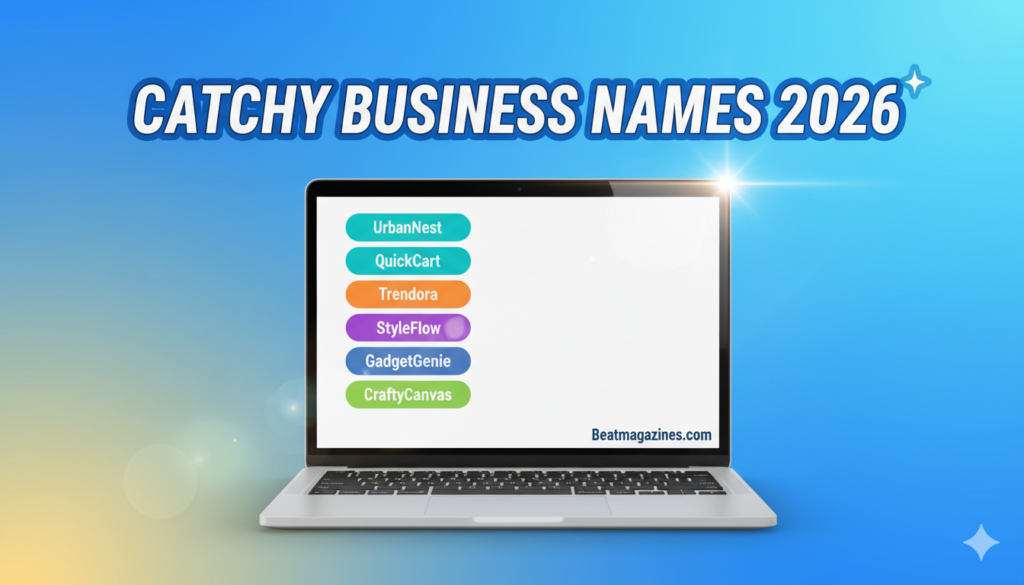
If your business may expand internationally or serve diverse markets, additional naming considerations ensure your name works across borders and cultures.
Research how your name sounds and what it means in major languages where you might operate. Professional translation services can identify potential problems before you invest heavily in a name.
Consider pronunciation difficulty for non-native English speakers if that represents significant market share. Names that are equally accessible to global audiences expand your potential customer base.
Be aware of cultural connotations and symbolism attached to colors, animals, numbers, and other elements you incorporate. What’s positive in one culture may be offensive or unlucky in another.
Investigate international trademark conflicts even if you’re not immediately expanding globally. Protecting your name in key markets prevents future complications if you do decide to grow internationally.
How to Pivot if Your Preferred Name Is Taken
Discovering your ideal name is unavailable can be disappointing, but creative solutions often lead to equally strong alternatives.
Modify with Prefixes or Suffixes Adding descriptive prefixes like “The,” “Shop,” “Co.,” or suffixes like “House,” “Studio,” or “Collective” to your core name may create available variations that work well.
Explore Different Extensions If the .com is taken but you love the name, consider alternative extensions like .store, .shop, .co, or .io. While .com is ideal, other extensions can work, especially for online-native businesses.
Purchase the Domain If your name is taken but the domain isn’t actively used, research who owns it and make a purchase offer. Many domain owners will sell for reasonable prices, especially for domains they’re not developing.
Adjust Spelling Creatively Slight spelling variations can create available names while maintaining pronunciation. However, ensure changes don’t create confusion or make your name hard to spell.
Reimagine Your Concept Sometimes unavailability is a sign to rethink your approach. Use the opportunity to brainstorm new directions that might actually be stronger than your original idea.
Making the Final Decision
Choosing your store name ultimately comes down to trusting your instincts while ensuring you’ve done proper due diligence. The perfect name balances analytical rigor with emotional resonance.
Listen to your gut feeling about which name excites you most. You’ll be living with this name for years, so it needs to inspire you and represent what you want to build.
Sleep on your decision for a few days. Return to your top choices with fresh eyes to see if they still feel right. Distance provides clarity that immediate decisions sometimes lack.
Consider the long-term implications beyond just launching your business. Think about where you want to be in five or ten years and whether your name will still serve you well.
Remember that while your name matters tremendously, execution matters more. Even perfect names fail with poor business models, while strong businesses can succeed despite imperfect names. Don’t let naming paralysis delay your launch indefinitely.
Frequently Asked Questions (FAQs)
How do I come up with a catchy store name?
Start by brainstorming keywords related to your products, values, and target audience. Use creative techniques like word combinations, playful puns, or evocative descriptors that paint mental pictures and create emotional connections with customers.
Should I include keywords in my store name for SEO?
While keywords can help with search visibility, prioritize memorability and brandability. A unique, memorable name often performs better long-term than a keyword-stuffed generic name that’s difficult to protect and differentiate.
How long should my business name be?
Aim for one to three syllables or words. Shorter names are easier to remember, pronounce, spell, and fit well across digital platforms including domain names, social media handles, and mobile displays.
Can I change my store name later if needed?
Yes, but rebranding is expensive, confusing for customers, and disrupts your SEO and brand recognition. Invest time choosing the right name initially to avoid costly pivots after establishing market presence.
How do I check if a store name is available?
Search domain registrars for URL availability, check social media platforms for handle availability, search the USPTO trademark database, conduct Google searches, and verify with your local business registry.
What makes a store name memorable?
Memorable names are typically short, easy to pronounce, unique, emotionally evocative, or create vivid imagery. They stand out from competitors while being simple enough for customers to recall and repeat easily.
Should I use my personal name for my store?
Personal names work well for service businesses, artisanal products, or when your reputation drives sales. However, they may limit future sale potential and expansion beyond your personal involvement in the business.
How important is getting a .com domain?
Very important. .com domains are most recognized, trusted, and remembered by consumers. They lend credibility and authority while protecting your brand from confusion with similar names on other extensions.
Can I use a foreign language word for my store name?
Yes, foreign words can create unique, appealing names, especially when aligned with your brand story or products. Ensure the word is easy for your target audience to pronounce, spell, and understand.
What are common store naming mistakes to avoid?
Avoid being too generic, choosing overly complicated spellings, limiting future expansion with too-specific names, following temporary trends, ignoring cultural considerations, and failing to check trademark and domain availability thoroughly.
Conclusion
What should I call my store? This question deserves careful consideration and strategic thinking because your name will influence every aspect of your business success.
A well-chosen store name creates instant recognition, builds customer trust, communicates your values, and provides a foundation for all marketing efforts.
By understanding naming principles, researching your market, checking availability thoroughly, and testing with your target audience, you can select a name that serves your business powerfully for years to come.
Remember that while your name is important, your execution, customer service, and product quality ultimately determine success. Choose a name you love, protect it legally, and build an exceptional business around it.