
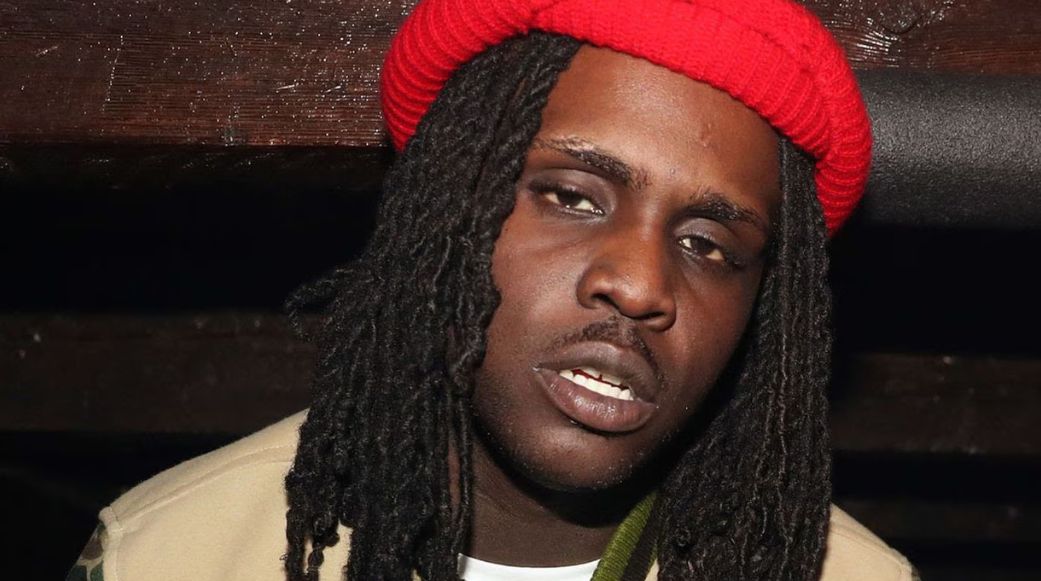
Chief Keef age has been a topic of fascination since the Chicago rapper burst onto the hip-hop scene as a teenager.
Born Keith Farrelle Cozart on August 15, 1995, Chief Keef is now 30 years old in 2025 and continues to shape the sound of modern rap.
From revolutionizing drill music at just 16 to becoming a father of nine children by age 22, Chief Keef’s journey represents both the opportunities and challenges of early fame.
This comprehensive guide covers everything you need to know about Chief Keef in 2025—his age, groundbreaking career, complex family life, relationships, and impressive net worth.
Table of Contents
Quick Facts About Chief Keef
| Category | Details |
|---|---|
| Full Name | Keith Farrelle Cozart |
| Stage Name | Chief Keef (also known as “Sosa”) |
| Date of Birth | August 15, 1995 |
| Age (2025) | 30 years old |
| Birthplace | Chicago, Illinois, United States |
| Zodiac Sign | Leo |
| Nationality | American |
| Ethnicity | African American |
| Height | 6 feet 0 inches (183 cm) |
| Weight | Approximately 165-170 lbs (75-76 kg) |
| Profession | Rapper, Record Producer, Songwriter, Entrepreneur |
| Net Worth (2025) | $4-6 million (estimated) |
| Children | 9-10 children |
| Known For | Pioneering drill music, “I Don’t Like,” “Love Sosa” |
| Record Labels | Glory Boyz/Glo Gang, 43B, formerly Interscope |
| Nicknames | Sosa, Chief Sosa, Keith Cozart |
| Genres | Drill, Hip-Hop, Trap |
| Years Active | 2009–present |
| Current Residence | Los Angeles, California |
Career Highlights:
- Became viral sensation at age 16 with “I Don’t Like”
- Signed $6 million deal with Interscope Records at 17
- Pioneered Chicago drill music for mainstream audiences
- Released debut album “Finally Rich” (2012) which went platinum
- Founded independent labels Glory Boyz Entertainment (GBE) and Glo Gang
- Influenced a generation of rappers including Lil Uzi Vert, Playboi Carti, and Polo G
- Launched 43B label in partnership with BMG (2022)
- Released “Almighty So 2” in 2024
Chief Keef Age and Early Life
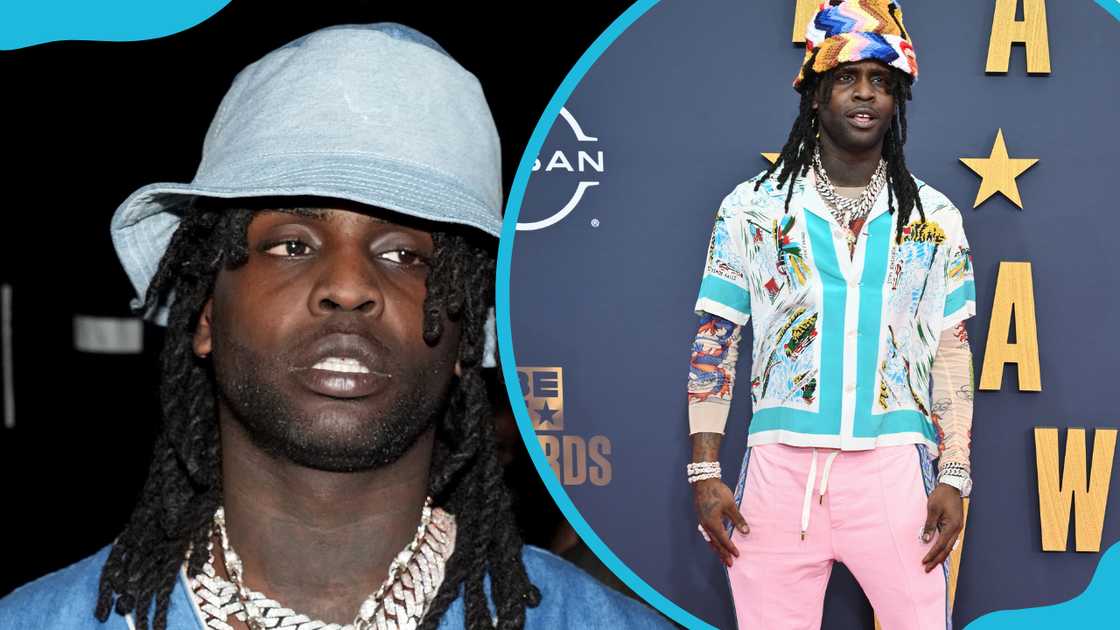
How Old is Chief Keef in 2025?
Chief Keef is 30 years old as of 2025, having been born on August 15, 1995. What makes his age particularly significant is how much he accomplished before turning 20.
By the time most people are finishing high school, Chief Keef had already become a millionaire, signed a major record deal, released a platinum album, and become a father multiple times.
His age has always been central to his story—he represented a voice of Chicago’s youth and showed that teenagers could reshape entire musical genres.
The fact that Chief Keef achieved massive fame as a teenager made his age one of the most talked-about topics in the rap community. At 16, he was creating music that would influence hip-hop for the next decade. At 17, he signed a multi-million dollar record deal.
By 18, he had already become a cultural phenomenon. Now at 30, Chief Keef represents the evolution from a young, rebellious artist to a mature, strategic entrepreneur who has learned to balance fame with longevity.
His journey from teenage prodigy to seasoned veteran demonstrates how age is more than just a number—it’s a symbol of wisdom, resilience, and the power to reinvent oneself while staying true to your roots.
Birth Date and Zodiac Sign
Chief Keef was born on August 15, 1995, making him a Leo. True to his zodiac sign, Chief Keef has displayed classic Leo traits throughout his career: confidence, boldness, natural leadership, and an commanding presence that demands attention.
Leos are known for their creativity and desire to be in the spotlight—qualities that perfectly describe the young rapper who turned viral fame into a lasting career.
The date of his birth places him squarely in Generation Z, making him part of the first generation to grow up with social media as a fundamental part of their adolescence.
This timing was crucial to his career, as platforms like YouTube, Twitter (now X), and later Instagram allowed him to bypass traditional gatekeepers and build a following directly with fans.
Interestingly, Chief Keef was named after his deceased uncle, Keith Carter, who was known as “Big Keef.” This family connection shows the importance of honoring ancestors in his family, even as he carved out his own legacy.
The name “Chief Keef” itself became iconic—”Chief” representing leadership and authority, while “Keef” connected him to his family roots.
Childhood in South Side Chicago
Chief Keef grew up in the Parkway Garden Homes, commonly known as O-Block, located in the Washington Park neighborhood on Chicago’s South Side. This environment profoundly shaped not just his music but his entire worldview and approach to life.
The South Side of Chicago in the late 1990s and early 2000s was marked by gang violence, poverty, and limited opportunities—challenges that would become central themes in drill music.
Family Structure: Chief Keef’s childhood was marked by instability. His mother, Lolita Carter, was only about 15 years old when she gave birth to him in 1995, making her a teenage mother facing enormous challenges.
His biological father, Alfonso Cozart, was absent from his life from the age of one, leaving young Keith without a father figure during his formative years.
His legal guardian became his grandmother, Margaret Carter, who worked as a school bus driver. She provided stability in an otherwise chaotic environment, and Chief Keef lived with her in Chicago throughout his childhood and early teenage years.
His grandmother’s home would later become famous when, during house arrest in 2011, Chief Keef began posting the YouTube videos that would launch his career.
- Early Musical Beginnings: Chief Keef began rapping at just five years old, using his mother’s karaoke machine and cassette tapes to record his music. This early start gave him years to develop his craft before becoming famous. Even as a child, he was drawn to music as a form of expression and escape from the harsh realities around him.
- Education: Chief Keef attended Dulles Elementary School and later Dyett High School on Chicago’s South Side. However, traditional education didn’t capture his attention, and he dropped out during his freshman year to focus on music. This decision, while risky, allowed him to dedicate himself fully to developing his sound and building his local reputation.
- Gang Affiliation: Growing up in O-Block, a stronghold for the Black Disciples street gang, Chief Keef became affiliated with the gang from a young age. Sociologist R. L’Heureux Lewis-McCoy described this relationship: “Chicago’s Black Disciples is central to who he is and who he should be.” This gang affiliation would influence his music’s authenticity but also bring legal troubles and violence into his life, including the tragic losses of friends and family members.
Neighborhood Influence: The environment of South Side Chicago in the 2000s was characterized by:
- High crime rates and gang violence
- Limited economic opportunities
- Systemic poverty and disinvestment
- Strong neighborhood loyalties and rivalries
- A rich musical tradition (Chicago has produced legends from Muddy Waters to Kanye West)
This harsh environment taught Chief Keef resilience and gave his music a raw, unfiltered quality that resonated with youth facing similar circumstances across America and eventually worldwide.
Chief Keef’s Music Career Journey
Rise to Fame with “I Don’t Like”
Chief Keef’s musical journey began in 2008 when he started rapping seriously, releasing his first mixtape “UF Overload” in 2009 at just 14 years old. However, it was 2011-2012 that would change everything and establish him as one of rap’s most influential voices.
The House Arrest That Launched a Career: In December 2011, at age 16, Chief Keef was arrested for firing a gun from his car in Chicago’s Washington Park neighborhood.
He was placed under house arrest at his grandmother’s residence for 30 days, followed by another 30 days of home confinement. This period of forced isolation became a blessing in disguise.
While stuck at home, Chief Keef began posting videos to his YouTube account. These weren’t professionally produced music videos—they were raw, lo-fi recordings of him rapping in his grandmother’s house.
This stripped-down, authentic style caught fire online and helped establish the aesthetic of Chicago drill music—gritty, unpolished, and unapologetically real.
The Mixtapes That Built the Foundation: Before his mainstream breakthrough, Chief Keef released several mixtapes that gained traction in Chicago:
- “The Glory Road” (2011) – Showcased his developing style
- “Bang” (2011) – Featured early hits like “Bang” and “3Hunna”
- “Back from the Dead” (2012) – The mixtape that changed everything
“I Don’t Like” Becomes a Phenomenon: The song “I Don’t Like” from the “Back from the Dead” mixtape became a massive hit in Chicago in early 2012. The track, featuring fellow Chicago rapper Lil Reese, captured a nihilistic energy that resonated deeply with young people.
A local party promoter famously called it “the perfect Chicago song because ‘niggas just hate everything out here.'”
The song’s aggressive delivery, hypnotic beat (produced by Young Chop), and Chief Keef’s distinctive slurred, melodic flow created something entirely new. “I Don’t Like” quickly became an anthem not just in Chicago but across the internet.
Kanye West’s Game-Changing Remix: The breakthrough moment came when Kanye West, a Chicago legend himself, heard “I Don’t Like” and decided to remix it. West brought in heavyweight features from Pusha T, Jadakis, and Big Sean, giving the song mainstream credibility and massive radio play.
As described in reports from the time, Chief Keef “suddenly shot up out of obscurity.” The Kanye remix transformed a local Chicago hit into a national sensation, and suddenly every major record label wanted to sign the 16-year-old from O-Block.
The Impact: “I Don’t Like” marked Chief Keef’s first entry on the Billboard Hot 100, a remarkable achievement for a teenager who had been under house arrest months earlier. The song introduced mainstream audiences to drill music and established Chief Keef as drill’s face and future.
Interscope Records Deal and Finally Rich
The success of “I Don’t Like” triggered a bidding war among major record labels in the summer of 2012. Young Jeezy’s CTE World, Def Jam, and other labels all pursued the teenage sensation. Ultimately, Chief Keef signed with Interscope Records in a deal that demonstrated how valuable he had become.
The Historic Deal: The contract was worth $6 million over three albums, with an additional $440,000 advance to establish his own label imprint, Glory Boyz Entertainment (GBE). This was an extraordinary deal for a 17-year-old artist, especially one with limited previous commercial success.
The deal gave Interscope the right to drop Chief Keef if his debut album “Finally Rich” failed to sell 250,000 copies by December 2013—a clause that would later become relevant as the relationship between artist and label deteriorated.
“Finally Rich” (December 18, 2012): Chief Keef’s major-label debut album featured an impressive lineup of guests including:
- 50 Cent (“Hate Bein’ Sober”)
- Wiz Khalifa (“Hate Bein’ Sober”)
- Young Jeezy (“Understand Me”)
- Rick Ross (“My Baby”)
- Kanye West (production work)
Major Singles:
- “I Don’t Like” – The song that started it all, commercially re-released by Interscope
- “Love Sosa” – Became Chief Keef’s biggest hit, eventually receiving quintuple platinum certification (5x Platinum) from the RIAA
- “Hate Bein’ Sober” – Radio-friendly track with 50 Cent and Wiz Khalifa
Commercial Performance: “Finally Rich” debuted at No. 29 on the Billboard 200 and sold approximately 50,000 copies in its first week. While not a massive commercial success initially, the album’s influence far exceeded its sales numbers. In 2022, “Finally Rich” was certified platinum, a decade after its release, showing its lasting impact.
Critical Reception: Critics were divided. Some praised the album’s raw energy and Chief Keef’s unique voice. Others criticized it for glorifying violence and felt it was repetitive. However, few denied its influence—”Finally Rich” essentially codified the sound of drill music for mainstream audiences.
Cultural Impact: The album influenced an entire generation of rappers. Artists from Chicago (G Herbo, Polo G, Lil Durk) to Atlanta (Playboi Carti, Lil Uzi Vert) to the UK (the British drill scene) have cited Chief Keef and “Finally Rich” as foundational influences.
Kanye West’s “Yeezus” Feature: In 2013, Chief Keef appeared on Kanye West’s album “Yeezus” on the track “Hold My Liquor.” Music legend Lou Reed praised Chief Keef’s performance on the song, giving the young rapper credibility in unexpected circles.
Relationship with Interscope: Despite the initial investment, Chief Keef’s relationship with Interscope quickly became strained. Legal troubles, missed promotional opportunities, and creative differences led to tension. In October 2014, Chief Keef was dropped from Interscope Records, though he claimed on Twitter that he requested to leave and would continue releasing music independently.
This period taught Chief Keef valuable lessons about the music industry, artistic control, and the importance of owning your masters—lessons that would shape his independent approach in subsequent years.
Current Music Projects in 2025
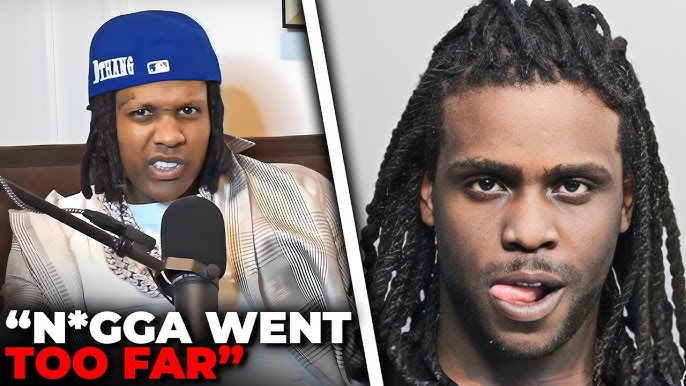
By 2025, Chief Keef has fully embraced independence and is thriving outside the major label system. His evolution from major label artist to independent mogul represents one of the most successful transitions in modern hip-hop.
Recent Releases:
- “Almighty So 2” (May 2024) – Long-awaited sequel to the original “Almighty So,” released through 43B/BMG partnership
- “4NEM” (2021) – Collaborative project showcasing his production skills
- Consistent Singles – Chief Keef continues dropping music regularly, often without major promotional campaigns
The 43B Label (Founded 2022): In June 2022, Chief Keef launched 43B in partnership with BMG and RBC Records for distribution. The name reportedly stands for “Forget Everybody,” reflecting his independent mindset. Through 43B, Chief Keef has:
- Released “Almighty So 2” with strong streaming numbers
- Signed emerging artists like Lil Gnar
- Maintained creative control while accessing professional distribution
- Generated steady revenue streams outside of traditional label constraints
Production Work: Chief Keef has evolved into a skilled producer, earning his first major production credit on Lil Uzi Vert’s “Eternal Atake” (2020) with the song “Chrome Heart Tags.” He was also featured on Uzi’s “Lil Uzi Vert vs. the World 2” with “Bean (Kobe),” which became his highest-charting song on the Hot 100 at #19.
Notable Collaborations (2020-2025):
- Lil Uzi Vert – Multiple collaborations including “Bean (Kobe)”
- Playboi Carti – Production and featured verses
- Soulja Boy – Collaborative projects
- Gucci Mane – “Big Gucci Sosa” mixtape
- Zaytoven – “Glotoven” project (2019)
Return to Chicago (2024): In a historic moment, Chief Keef performed in Chicago for the first time in over a decade at Lyrical Lemonade’s Summer Smash festival in June 2024. The performance was emotional, with Chief Keef bringing his oldest daughter Kay Kay on stage, symbolizing reconciliation with his hometown and demonstrating his growth as both an artist and father.
Streaming Success: Chief Keef maintains over 10 million monthly listeners on Spotify, generating approximately $400,000 annually from streaming alone. Songs like “Love Sosa” and “I Don’t Like” continue to attract new listeners, proving the timeless quality of his early work.
Musical Evolution: While Chief Keef’s core sound remains rooted in drill, his recent music shows maturation:
- More melodic experimentation
- Diverse production styles
- Themes beyond street life (fatherhood, success, personal growth)
- Improved technical skills and vocal control
- Exploration of different genres within hip-hop
Fashion and Brand Extensions: Chief Keef has expanded beyond music into fashion:
- Glo Gang merchandise – Consistent drops of clothing and accessories
- True Religion collaboration – Capsule collection with the iconic denim brand
- Personal style influence on streetwear trends
The Influence Continues: In 2025, Chief Keef’s influence on hip-hop is undeniable. The New York Times has called him “a symbol of Chicago’s drill music scene,” and his melodic, slurred rap style has been adopted by countless artists. Young rappers regularly cite him as an inspiration, and drill music—which he popularized—has become a global phenomenon with thriving scenes in New York, London, and beyond.
Chief Keef’s ability to remain relevant at 30, more than a decade after his breakthrough, speaks to his artistic vision and business acumen. Unlike many artists who flame out after early success, Chief Keef has built a sustainable career by staying true to his sound while adapting to industry changes.
Chief Keef’s Family Life
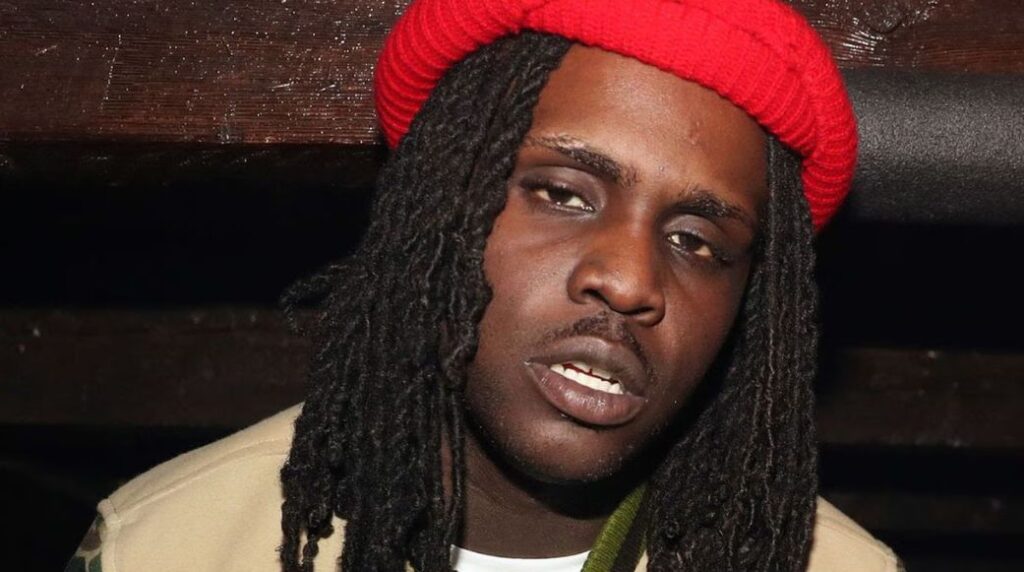
Parents and Upbringing
Chief Keef’s family background is complex and marked by challenges that shaped his character and influenced his music’s raw authenticity.
Mother: Lolita Carter Chief Keef’s mother, Lolita Carter, was born around 1980, making her approximately 15 years old when she gave birth to Keith in 1995. As a teenage mother, she faced enormous challenges raising a child while still being a child herself. This reality meant that Chief Keef’s early years were characterized by instability and uncertainty.
While details about Lolita’s involvement in Chief Keef’s upbringing remain private, it’s clear that circumstances prevented her from being the primary caretaker. However, Chief Keef has mentioned his mother in interviews, and there appears to be a connection between them, even if their relationship faced challenges during his youth.
Father: Alfonso Cozart Chief Keef has been estranged from his biological father, Alfonso Cozart, since he was approximately one year old. This absence of a father figure during his formative years had profound effects on his development and is a pain point that has influenced some of his music.
The lack of a present father likely contributed to Chief Keef becoming a father himself at such a young age—a pattern often seen in families where paternal involvement is limited. It also meant Chief Keef had to figure out manhood and masculinity without direct guidance, relying instead on street culture and the men around him in his neighborhood.
Grandmother: Margaret Carter The most important figure in Chief Keef’s upbringing was his grandmother, Margaret Carter, who became his legal guardian. Margaret worked as a school bus driver in Chicago, providing a steady if modest income to support her grandson.
Margaret’s home in the Parkway Garden Homes (O-Block) became Chief Keef’s base throughout his childhood and teenage years. It was in this house that he would be placed under house arrest in 2011-2012, and it was from this house that he filmed the YouTube videos that launched his career.
His grandmother provided:
- Stable housing in an unstable environment
- Basic necessities and support
- A base where he could develop his music
- Love and care despite challenging circumstances
Margaret’s willingness to take on raising her grandson when his parents couldn’t demonstrates the importance of extended family in African American communities, particularly in Chicago’s South Side where family networks often step in to provide support.
The Uncle He Never Met: Chief Keef was named after his deceased uncle, Keith Carter, who was known as “Big Keef.” Though Chief Keef never knew his uncle, carrying his name created a connection to family legacy and history. This naming tradition is common in African American families, ensuring that those who have passed are remembered through the younger generation.
Economic Hardship: Growing up in Parkway Garden Homes meant Chief Keef experienced poverty firsthand. His grandmother’s salary as a school bus driver had to stretch to cover all expenses, and the neighborhood itself offered few legitimate economic opportunities. This economic hardship is a recurring theme in drill music and in Chief Keef’s lyrics, which often reference the struggle to survive and the appeal of illegal activities as a means of escaping poverty.
Children and Fatherhood
Chief Keef became a father at just 16 years old and currently has at least 9 children with different mothers, though some sources suggest the number may be as high as 10. His journey through fatherhood has been complicated, marked by legal battles, child support issues, and personal growth.
The Children:
| Child Name | Birth Year | Current Age (2025) | Mother | Notes |
|---|---|---|---|---|
| Kayden Kash “Kay Kay” Cozart | 2011 | 14 | Erica Early | First child, oldest daughter |
| Kimora Sosha Cozart | 2013 | 12 | Unknown | Active on YouTube with her mother |
| Krüe Karter Cozart | 2014 | 11 | Shannon Jackson | Mother is influencer/model |
| Khalil & Kirsten Cozart (twins) | 2014 | 11 | Unknown | Twins revealed in 2018 court docs |
| Kamiah Cozart | 2015 | 10 | Unknown | Revealed in 2018 court proceedings |
| Sno FilmOn Dot Com Cozart | 2015 | 10 | Unknown | Controversially named after record label |
| Zinc Clark Cozart | 2016 | 9 | Aaeron “Slim Danger” Clark | Mother is adult film actress |
| Khalo Cozart | 2017 | 8 | Unknown | Youngest confirmed child |
Note: Reports suggest a possible 10th child may have been born around 2019, but this has not been officially confirmed.
Fatherhood Journey: Chief Keef became a father when he was still a child himself. At 16, while gaining fame with “I Don’t Like,” he was also dealing with the responsibilities of fatherhood. This early start to parenthood has shaped his life significantly.
In interviews, particularly his 2019 conversation with Kerwin Frost, Chief Keef acknowledged that his children motivate him to “go harder” and that he takes pride in them. However, his relationship with his children has been complicated by:
- Geographic distance (moving from Chicago to Los Angeles in 2014)
- Child support obligations to multiple mothers
- Legal issues and incarcerations
- The demands of his music career
- Privacy concerns given his fame
The Court Revelations: In 2018, Chief Keef appeared in court after one of his baby mothers demanded he be jailed for failure to pay child support. During this proceeding, Chief Keef shocked the court by revealing he didn’t have just five children as previously disclosed—he had four additional children, all under age 5 at the time, with four different women who were all seeking child support.
The court ordered Chief Keef to pay approximately $564 per month to each mother, totaling over $5,000 monthly in child support obligations. This financial burden has been a consistent challenge, particularly during periods when his music income was less predictable.
Relationship with His Children: Despite the complexities, Chief Keef has shown love for his children:</p>
- His oldest daughter Kay Kay has appeared with him at concerts, including the emotional 2024 Summer Smash performance in Chicago
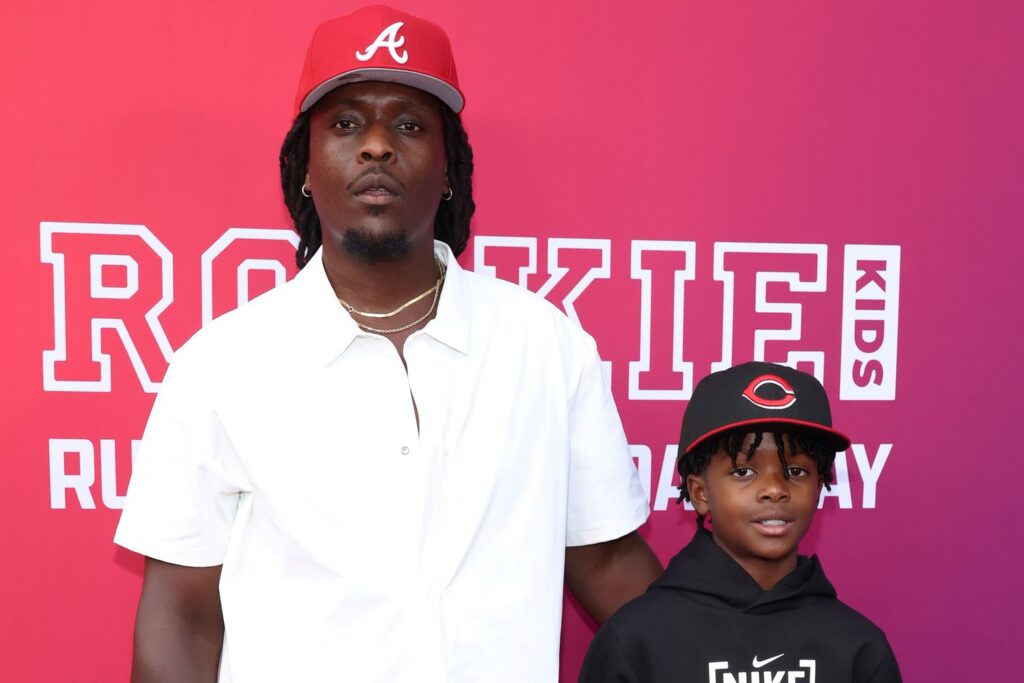
- His son Krüe Karter appeared with him at the Macy’s Rookie In The City Fashion Show in September 2025
- Some of his children are active on social media, posting about their father
- Daughter Kimora posted a Father’s Day tribute in 2021: “I l💛u forever pops 👔 so proud to say that’s My DaD💛💛”
Challenges of Multiple Baby Mothers: Having 9-10 children with 9-10 different women creates logistical and emotional challenges:
- Coordinating visitation and time with each child
- Managing relationships with multiple women
- Financial obligations and legal proceedings
- Ensuring each child feels valued and loved
- Navigating co-parenting with different parenting styles
Personal Growth: As Chief Keef has matured into his 30s, there are signs of growth in how he approaches fatherhood. His 2024 return to Chicago to perform, bringing his daughter on stage, suggested a desire to reconnect with his roots and involve his children in his life more meaningfully.
Siblings and Extended Family
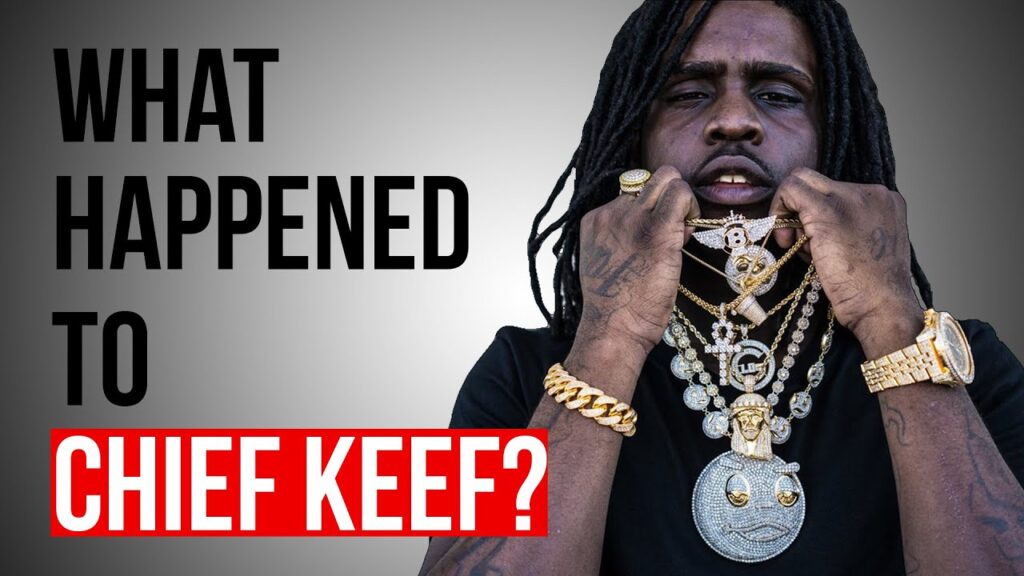
Immediate Siblings: Public information about Chief Keef’s full or half-siblings is limited. Given that his mother was a teenager when she had him and his father was absent, the family structure is complex. He has mentioned having at least one sister, but details about her remain private.
Rapper Cousins: Chief Keef’s extended family included two cousins who were also rappers:
Fredo Santana (1990-2018): Fredo Santana, born Derrick Coleman, was Chief Keef’s older cousin and an important figure in his early career. Fredo was signed to Glory Boyz Entertainment and was part of the GBE collective. He was a respected figure in Chicago’s drill scene in his own right.
Tragically, Fredo Santana died on January 19, 2018, at age 27 from a seizure, with liver and kidney failure contributing factors. His death was linked to his struggles with substance abuse, particularly lean (codeine/promethazine). Fredo’s death deeply affected Chief Keef and the entire GBE family.
Chief Keef honored Fredo’s memory in various ways, and the loss represented the harsh reality that many of Chief Keef’s generation face—the loss of friends and family to violence and substance abuse at young ages.
Tadoe: Tadoe (Taddaeus Flores) is another cousin who was signed to Chief Keef’s label and part of the GBE collective. Unlike Fredo, Tadoe is still alive and continues to make music, though with less prominence than during GBE’s peak years.
The GBE Collective: While not all blood relatives, the Glory Boyz Entertainment (GBE) collective functioned as an extended family for Chief Keef:
- Lil Reese – Featured on “I Don’t Like,” close associate
- Fredo Santana – Cousin (deceased)
- Tadoe – Cousin
- Ballout – Close friend and GBE member
- Capo – GBE member (deceased 2015)
- Blood Money – GBE member (deceased 2014)
Tragic Losses: Chief Keef’s extended circle has experienced significant losses:
- Blood Money (Big Glo) – Shot and killed in 2014
- Capo – Shot and killed in 2015
- Fredo Santana – Died from health complications 2018
- Lil JoJo – Rival rapper killed in 2012 (Chief Keef was criticized for insensitive tweets)
- Various friends and associates to Chicago’s ongoing violence
These losses have shaped Chief Keef’s worldview and contributed to his decision to leave Chicago for Los Angeles in 2014, seeking a safer environment away from the ongoing violence.
Move to Los Angeles (2014): After facing legal troubles and ongoing threats in Chicago, Chief Keef relocated to Los Angeles, California in 2014. This move was practical—it put physical distance between him and Chicago’s street conflicts while placing him in the entertainment industry’s hub.
The move to LA represented maturation and a desire to focus on his career and survival rather than maintaining street credibility. While some criticized him for “running from Chicago,” others recognized it as a smart decision that likely saved his life.
Chief Keef’s Dating Life and Relationships
Past Relationships
Chief Keef’s romantic history is complex, marked by numerous relationships that resulted in children but little long-term commitment. Unlike his music career, which is well-documented, Chief Keef has kept most of his romantic relationships relatively private.
Known Relationships:
- Erica Early (Mother of Kay Kay): Erica Early was Chief Keef’s first known serious relationship. She was 17 years old when she gave birth to their daughter Kayden “Kay Kay” Cozart in November 2011, while Chief Keef was just 16. The relationship between Chief Keef and Erica didn’t last long after Kay Kay’s birth, and they’ve had a complicated co-parenting relationship over the years.
- Shannon Jackson (Mother of Krüe): Shannon Jackson is an influencer and model who had a relationship with Chief Keef around 2013-2014, resulting in the birth of their son Krüe Karter Cozart in September 2014. Shannon has spoken publicly about co-parenting with Chief Keef, describing both challenges and positive moments. She has appeared on podcasts discussing their relationship and her experience raising their son.
- Aaeron “Slim Danger” Clark (Mother of Zinc): Slim Danger, an adult film actress, had a relationship with Chief Keef that resulted in the birth of their son Zinc Clark in July 2016. Their relationship became contentious when Chief Keef initially refused to take a paternity test. A judge declared Chief Keef to be Zinc’s father after he failed to comply with the DNA test request, leading to child support orders.
- Other Relationships: Chief Keef has had relationships with at least six other women who are mothers to his children. However, the identities of many of these women remain private or unknown to the public. This privacy may be intentional on both sides—protecting the mothers and children from public scrutiny while allowing Chief Keef to maintain some separation between his public persona and private life.
- Engagement History: In 2013, Chief Keef was reportedly engaged to a woman named Mesha, though this relationship didn’t result in marriage. Few details about this engagement are publicly available.
Dating Patterns: Looking at Chief Keef’s relationship history, several patterns emerge:
- Most relationships were relatively short-term
- Many resulted in pregnancies and children
- Few involved long-term commitment or marriage
- Privacy was maintained around most relationships
- Co-parenting arrangements vary widely in success
Public Perception: Chief Keef’s dating life and the fact that he has 9-10 children with different women has drawn both criticism and sympathy:
- Critics point to irresponsibility and the challenges these children may face
- Supporters note he became a father as a teenager himself and has worked to support his children financially
- Context is important—Chief Keef grew up without his own father and in an environment where early fatherhood is common
Current Relationship Status 2025
As of 2025, Chief Keef’s relationship status remains largely private. Unlike many rappers who publicly showcase relationships on social media, Chief Keef has become increasingly private about his romantic life as he’s matured.
Recent Dating Rumors:
Sexyy Red (2024-2025): In late 2024 and early 2025, rumors circulated about a possible relationship between Chief Keef and fellow rapper Sexyy Red. The two were seen together at industry events and appeared in social media posts, fueling speculation. However, neither has confirmed a romantic relationship, and the interactions could simply be professional or friendly.
Sexyy Red, known for her raunchy lyrics and bold personality, would seem like a natural fit given Chief Keef’s own unapologetic artistic approach. However, both artists have remained coy about their connection.
Privacy in 2025: Chief Keef has largely stayed off social media regarding his personal life in 2025, focusing instead on:
- Music releases and promotions
- Business ventures with his labels
- Time with his children
- Private lifestyle away from public scrutiny
No Known Marriage: Despite having nine children and being 30 years old, Chief Keef has never been married. This isn’t unusual in hip-hop culture, where traditional marriage often comes later in life if at all. Chief Keef seems focused on his career and children rather than committing to a long-term romantic partnership.
Lifestyle and Priorities: At 30, Chief Keef appears to be in a different life phase than his teenage years:
- More mature: Less impulsive, more strategic in decisions
- Father-focused: Spending more time with his children as they grow older
- Business-oriented: Running multiple ventures and labels
- Private: Less public drama and social media presence
- Selective: Choosing relationships more carefully
The Evolution: From the teenage father juggling multiple relationships to a 30-year-old mogul, Chief Keef’s approach to dating seems to have evolved. He’s been through the chaos of having children with multiple women, faced court battles over child support, and experienced the challenges of maintaining relationships while famous. This experience appears to have made him more cautious and private about his romantic life.
What He’s Looking For: While Chief Keef hasn’t publicly discussed what he wants in a partner, his current lifestyle suggests:
- Someone who respects his privacy
- Understanding of his responsibilities as a father of nine
- Acceptance of his past and complex family situation
- Compatibility with his creative lifestyle
- Someone mature enough to handle his level of fame
Chief Keef’s Net Worth in 2025
Estimated Net Worth
Chief Keef’s net worth in 2025 is estimated between $4 million and $6 million, a figure that represents both his early success and the challenges of navigating the music industry as an independent artist. While this may seem modest compared to some rappers, it’s important to understand the context of Chief Keef’s financial journey.
Net Worth Breakdown Over Time:
| Year | Estimated Net Worth | Major Financial Events |
|---|---|---|
| 2012 | $300,000 | “I Don’t Like” goes viral, early mixtape success |
| 2013 | $2 million | $6 million Interscope deal signed, “Finally Rich” released |
| 2015 | $1.5 million | Dropped from Interscope, legal fees and expenses |
| 2017 | $1 million | Child support obligations, reduced income |
| 2019 | $2 million | Independent music success, Gucci Mane collaboration |
| 2022 | $3 million | 43B label launch, BMG partnership |
| 2025 | $4-6 million | Streaming revenue, “Almighty So 2,” business ventures |
Why His Net Worth Isn’t Higher:
Despite earning millions from his Interscope deal and music sales, several factors have prevented Chief Keef’s net worth from reaching higher levels:
- Child Support Obligations: Supporting 9-10 children costs over $60,000 annually in court-ordered support alone, not including additional expenses
- Legal Issues: Legal fees from various arrests and court cases
- Early Career Spending: Like many young artists, Chief Keef likely spent extravagantly early in his career
- Lost Interscope Advance: Being dropped from Interscope meant potential lost earnings
- Industry Exploitation: Not owning all his early masters means lost royalty income
- Supporting Others: Chief Keef has supported family, friends, and his GBE collective
Comparison to Peers: While some of Chief Keef’s contemporaries have higher net worths (Lil Durk: $8M, G Herbo: $3M, Polo G: $10M), Chief Keef’s influence on their careers is undeniable. His pioneering role in drill music laid the groundwork for their success.
Income Sources and Business Ventures
Chief Keef’s wealth comes from multiple revenue streams, showing his evolution from recording artist to entrepreneur:
1. Music Streaming and Sales (40% of income)
- Spotify: 10+ million monthly listeners generates approximately $400,000+ annually
- Apple Music, YouTube Music, Amazon: Additional streaming platforms
- YouTube: Official channel with hundreds of millions of views
- Catalog Sales: “Finally Rich” going platinum in 2022 brought additional royalties
- Feature Verses: Chief Keef charges estimated $50,000-$100,000 per feature
Songs like “Love Sosa” (5x Platinum) and “I Don’t Like” continue to generate significant streaming revenue even years after release.
2. Record Labels and Music Publishing (25% of income)
- Glory Boyz Entertainment (GBE): Founded in 2011, releases his own music
- Glo Gang: Follow-up label focused on his brand
- 43B Label: Partnership with BMG (2022) provides distribution and resources while maintaining independence
- Publishing Rights: Owns portions of his catalog generating royalty income
- Producer Credits: Earns production royalties on tracks he produces
3. Live Performances and Tours (15% of income)
- Festival Performances: Commands $75,000-$150,000 per major festival appearance
- Club Appearances: Regular club shows at $30,000-$50,000 per appearance
- Private Events: Higher fees for private performances
- 2024 Summer Smash: Historic Chicago return performance was a major payday
- International Shows: Performs in Europe and other international markets
Chief Keef’s reduced touring schedule (compared to some artists) reflects his preference for privacy and selective appearances, but he still earns substantial income when he does perform.
4. Merchandise and Fashion (10% of income)
- Glo Gang Merchandise: Clothing line with hoodies, t-shirts, accessories
- Official Website Sales: Direct-to-consumer merch at tsmadison.com
- Collaborations: True Religion partnership and other fashion collaborations
- Streetwear Influence: His personal style has influenced fashion trends
- Limited Drops: Creates scarcity and demand for merchandise
5. Brand Partnerships and Endorsements (5% of income) While Chief Keef doesn’t have major corporate endorsements like some artists, he has secured partnerships with:
- Energy Drink brands
- Cannabis companies (given the legalization movement)
- Gaming companies (given his influence on youth culture)
- Tech startups targeting his demographic
6. Real Estate and Investments (5% of income)
- Los Angeles Properties: Owns home(s) in California
- Rental Properties: May own investment properties generating passive income
- Crypto Investments: Like many in his generation, likely invested in cryptocurrency
- Stock Market: Diversified investment portfolio
7. YouTube and Social Media (<5% of income)
- YouTube Ad Revenue: From official music videos and vlogs
- Instagram: Sponsored posts and brand partnerships
- TikTok: Music going viral drives streaming revenue
Glory Boyz/Glo Gang Label
The Glory Boyz Entertainment (GBE) collective and later Glo Gang label represent Chief Keef’s most significant business ventures and his commitment to building something lasting beyond his own career.
Glory Boyz Entertainment (GBE) – Founded 2011:
GBE started as both a record label and a collective of Chicago rappers from Chief Keef’s circle. The label was established with the $440,000 advance from his Interscope deal, giving Chief Keef a platform to release his own music and sign his friends.
Original GBE Roster:
- Chief Keef (founder)
- Lil Reese
- Fredo Santana (deceased)
- Lil Durk (briefly)
- SD
- Ballout
- Tadoe
- Capo (deceased)
- Blood Money/Big Glo (deceased)
Purpose and Vision: GBE wasn’t just a label—it was a family and a movement. The collective represented loyalty to O-Block and Chicago’s South Side, providing opportunities for Chief Keef’s friends who shared his talent but lacked his platform. The name “Glory Boyz” reflected their ambition to achieve glory and success together, rising above their circumstances.
Challenges:
- Lack of Structure: As young men in their late teens/early 20s, GBE lacked the business infrastructure to sustain success
- Tragedy: Multiple members died (Blood Money in 2014, Capo in 2015, Fredo in 2018), devastating the collective
- Label Politics: Conflicts with Interscope limited GBE’s ability to release music widely
- Internal Conflicts: Some members left or had falling outs
- Geographic Separation: Chief Keef’s move to LA created distance
Glo Gang – Rebranded/New Label:
After leaving Interscope, Chief Keef rebranded and launched Glo Gang, a more focused label that was truly independent. Glo Gang represented his next chapter and learning from GBE’s challenges.
Glo Gang Features:
- Fully Independent: No major label interference
- Tighter Roster: More selective about signings
- Merchandising Focus: Built strong merchandise brand
- Digital Distribution: Leveraged streaming and digital platforms
- Long-term Vision: Focused on sustainable business rather than quick hits
Current Signed Artists (2025):
- Chief Keef (owner/flagship artist)
- Ballout (longtime associate)
- Tadoe (cousin)
- Lil Gnar (newer signee)
- Various producers and emerging artists
Business Model:
Glo Gang operates on a modern independent label model:
- Direct Releases: Uploads music directly to streaming platforms
- Merchandise Revenue: Heavy emphasis on merch sales
- Minimal Overhead: Lean operation keeping costs low
- Digital Marketing: Uses social media for promotion rather than expensive traditional marketing
- Strategic Partnerships: Works with distributors like BMG for wider reach when beneficial
43B Partnership (2022-Present):
In 2022, Chief Keef launched 43B in partnership with BMG and RBC Records. This represents a mature approach to the music business—maintaining independence while accessing professional distribution networks.
43B Benefits:
- Professional distribution and playlist placement
- Marketing support without sacrificing creative control
- Access to BMG’s global network
- Resources for production and promotion
- Legal and business infrastructure
- Ability to sign and develop other artists
Financial Success:
While specific revenue numbers aren’t public, evidence suggests Glo Gang/43B has been successful:
- Consistent music releases generating streaming income
- Strong merchandise sales with regular sold-out drops
- Ability to sign and support multiple artists
- Chief Keef’s financial stability and lifestyle
- Long-term sustainability (over a decade in business)
Legacy and Impact:
Beyond financials, Glo Gang’s cultural impact is significant:
- Pioneered the independent Chicago drill label model
- Proved artists don’t need major labels to sustain careers
- Created opportunities for artists who might not get major label deals
- Built a brand that extends beyond music into fashion and lifestyle
- Demonstrated artist ownership and control
Future Plans:
At 30, Chief Keef has positioned Glo Gang and 43B for long-term success:
- Expanding artist roster with new talent
- Developing subsidiary brands
- Building production and recording facilities
- Creating content beyond music (podcasts, video content)
- Mentoring the next generation of Chicago artists
Chief Keef’s label ventures show his evolution from teenage prodigy to seasoned businessman who understands the importance of ownership, independence, and building sustainable income streams beyond just being an artist.
Frequently Asked Questions (FAQs)
How old is Chief Keef in 2025?
Chief Keef is 30 years old in 2025, having been born on August 15, 1995. He became famous at just 16 years old with “I Don’t Like,” making his current age significant as it shows over a decade of sustained influence in hip-hop despite starting as a teenager.
What is Chief Keef’s real name?
Chief Keef’s real name is Keith Farrelle Cozart. He was named after his deceased uncle Keith Carter, who was known as “Big Keef.” The stage name “Chief Keef” combines “Chief” (representing leadership) with his family nickname, and he’s also known as “Sosa,” referencing the Scarface character Tony Montana’s nickname.
How many kids does Chief Keef have?
Chief Keef has at least 9 confirmed children with 9 different mothers, though some reports suggest he may have 10 children. His first child, daughter Kay Kay, was born in 2011 when he was just 16 years old. His youngest confirmed child was born in 2017, making Chief Keef a father of nine by age 22.
What is Chief Keef’s net worth in 2025?
Chief Keef’s net worth is estimated between $4 million and $6 million in 2025. His wealth comes from music streaming, his record labels (Glory Boyz/Glo Gang/43B), live performances, merchandise sales, and various business ventures. While he signed a $6 million deal with Interscope in 2012, expenses, child support, and being dropped from the label impacted his wealth accumulation.
Where is Chief Keef from?
Chief Keef is from Chicago, Illinois, specifically the Parkway Garden Homes (known as O-Block) in the Washington Park neighborhood on Chicago’s South Side. He moved to Los Angeles, California in 2014 after facing legal troubles and violence in Chicago, though he performed in his hometown for the first time in over a decade at the 2024 Summer Smash festival.
Who are Chief Keef’s baby mothers?
Chief Keef’s confirmed baby mothers include Erica Early (mother of Kay Kay), Shannon Jackson (mother of Krüe), and Aaeron “Slim Danger” Clark (mother of Zinc). The identities of his other six to seven baby mothers remain private or unknown to the public. Chief Keef pays court-ordered child support to each mother, totaling over $5,000 monthly.
What is Chief Keef’s most popular song?
Chief Keef’s most popular song is “Love Sosa,” which has been certified 5x Platinum by the RIAA and has over 300 million streams on Spotify. “I Don’t Like” is his breakthrough hit that launched his career, while “Bean (Kobe)” featuring Lil Uzi Vert became his highest-charting song on the Billboard Hot 100, reaching #19.
Is Chief Keef still making music in 2025?
Yes, Chief Keef is actively making music in 2025. He released “Almighty So 2” in May 2024 through his 43B label and continues to drop singles and collaborate with other artists. He maintains over 10 million monthly listeners on Spotify and performs at select festivals and shows. His 43B label partnership with BMG supports consistent releases.
What happened to Chief Keef and Interscope Records?
Chief Keef signed a $6 million three-album deal with Interscope Records in 2012 at age 17. However, the relationship quickly deteriorated due to legal troubles, missed promotional opportunities, and creative differences. In October 2014, Chief Keef was dropped from Interscope, though he claimed he requested to leave. This experience taught him the value of independence and led to his successful independent career.
Did Chief Keef invent drill music?
While Chief Keef didn’t invent drill music (artists like King Louie, Young Chop, and others were creating the sound), he popularized it and brought it to mainstream audiences. His viral success with “I Don’t Like” in 2012, followed by Kanye West’s remix, introduced drill music to the world. Chief Keef became the face of drill music and his influence spread the genre globally, inspiring drill scenes in New York, London, and beyond.
Conclusion
Chief Keef’s journey from a 16-year-old creating videos under house arrest to a 30-year-old independent music mogul in 2025 represents one of hip-hop’s most fascinating career trajectories. His age—30 years old as of August 2025—marks a milestone that many from his generation didn’t reach, making his survival and continued relevance even more significant.
From the South Side of Chicago’s Parkway Garden Homes, Chief Keef didn’t just become a rapper—he became a cultural force who fundamentally changed hip-hop.
The drill music he pioneered has influenced countless artists, from Chicago natives like Lil Durk and Polo G to artists in Atlanta like Playboi Carti and Lil Uzi Vert, and even internationally in the UK and beyond. Songs like “I Don’t Like” and “Love Sosa” aren’t just hits—they’re foundational texts for a generation of rappers.
His career journey shows both the opportunities and pitfalls of early fame. The $6 million Interscope deal at 17 should have set him up for life, but legal troubles, child support for nine children, and industry exploitation complicated the financial picture.
Yet Chief Keef’s resilience shines through—he rebuilt as an independent artist, launching successful labels like Glo Gang and 43B, and his current net worth of $4-6 million represents sustainable success built on his own terms.