Table of Contents
- Why Fence Planning Matters
- Start With Property Goals
- Choose the Right Material
- Plan Gates and Access Points
- Balance Security and Visibility
- Review Rules and Site Conditions
- Control Project Costs
- Build a Maintenance Plan
- Avoid Common Planning Mistakes
- Use a Final Planning Checklist
A well-planned commercial fence does more than mark a boundary. It helps direct traffic, protect equipment, set expectations for visitors, and support the daily operation of a property. Whether the site is a small office, retail center, storage yard, multifamily community, or light industrial facility, a commercial fence should be designed around the way people and vehicles actually use the space.
For Denver-area property owners and managers, the best results come from planning security, access, privacy, visibility, site conditions, and long-term maintenance together. Choosing a material first and solving operational problems later can lead to expensive changes, awkward gate placement, or a perimeter that does not fit the property’s needs.
Why Fence Planning Matters
Commercial fencing is one part of a larger perimeter plan. It can establish clear edges, discourage unauthorized entry, separate public and employee-only areas, and guide deliveries toward the correct entrance. Lighting, cameras, signage, landscaping, and access-control systems should support the fence rather than operate as disconnected features.
A warehouse, for example, may need a wide vehicle gate near the loading area, a controlled pedestrian gate for employees, and screening around dumpsters or outdoor storage.
Start With Property Goals
The property’s purpose should guide every fence decision. A retail center may prioritize a welcoming appearance and safe pedestrian flow. A contractor yard may place more value on durable boundaries, controlled vehicle access, and equipment protection. Medical, education, hospitality, and multifamily properties often need a thoughtful balance of security and visual appeal.
Questions to Answer Before Requesting Estimates
- What areas need protection, separation, or privacy?
- Who needs access each day, including employees, customers, vendors, and emergency responders?
- Will delivery trucks, service vehicles, forklifts, or trailers need to pass through gates?
- Where are clear sightlines needed near driveways, sidewalks, and parking areas?
- Could the property expand, add parking, or change its traffic pattern later?
Writing down these goals makes it easier to compare options based on function, not simply the lowest price or a preferred appearance.
Choose the Right Material
There is no single best commercial fencing material. The appropriate choice depends on the property, local conditions, desired visibility, maintenance expectations, and the level of impact the fence may experience.
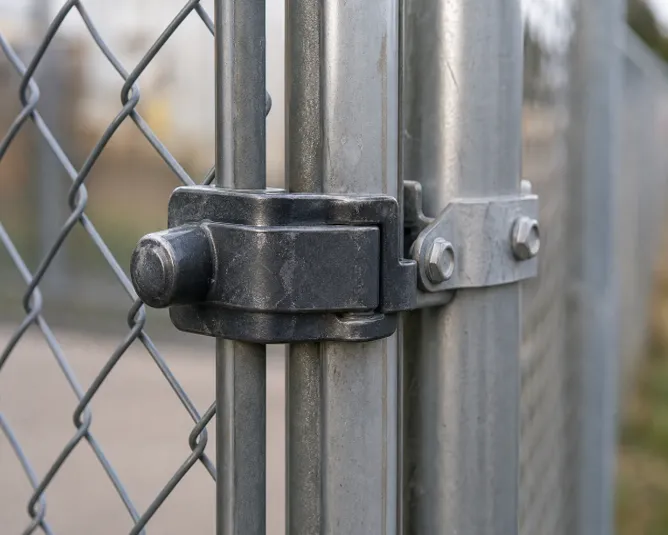
- Chain link: Often practical for large yards, utility areas, work sites, and broad perimeters. Privacy slats or screening can be added where visibility is a concern.
- Ornamental steel: A strong choice for properties that need a more formal appearance while maintaining open sightlines. Coatings and periodic corrosion checks remain important.
- Aluminum: Common for public-facing locations because it offers a clean look and generally low upkeep. It may not be ideal where heavy impacts are likely.
- Wood: Useful for privacy and visual warmth, but it requires regular attention for rot, warping, fasteners, and finish condition.
- Vinyl: Can provide consistent, low-maintenance screening, although product strength should be reviewed for high-wind or high-impact locations.
Plan Gates and Access Points
Gates deserve the same level of attention as fence panels. A poorly placed gate can cause vehicle backups, create blind spots, damage posts, or force pedestrians to share space with trucks. Whenever possible, separate pedestrian access from vehicle access and provide enough turning room for the largest routine vehicle.
Consider how entry will be managed during normal operations and after hours. Keypads, card readers, remotes, manual latches, intercoms, and visitor procedures should match the site’s staffing and traffic volume. Gates should also be located where employees or cameras can monitor movement without obstruction.
Balance Security and Visibility
Solid fencing and privacy screening can hide equipment, service areas, and storage from public view. However, they can also reduce visibility near corners, driveways, and pedestrian routes. Open fencing may improve supervision and camera coverage, while targeted screening can protect sensitive areas without enclosing the entire site.
Keep shrubs, trees, stacked materials, and signage from creating concealed spaces near gates or along walkways. Review nighttime conditions as well. Lighting should make entrances, gate hardware, and travel paths easier to see without creating unnecessary glare for neighboring properties.
Review Rules and Site Conditions
Fence planning should begin with accurate information about the property line, easements, drainage, slopes, retaining walls, utilities, and public rights of way. A misplaced fence can become a costly problem, particularly when it affects shared access or requires removal after installation.
Before post holes are drilled, crews should follow the steps for locating underground utilities before excavation. Public utility markings do not necessarily identify privately owned lines, so the project team should confirm what additional locating may be needed for irrigation, private lighting, data lines, or other site infrastructure.
Control Project Costs
Compare estimates by scope, not only by the final number. A clear proposal should identify fence length, material type, post size, gate hardware, demolition, disposal, grading, drainage work, and any access-control preparation. It should also state whether permits, utility locating, surveys, and restoration are included.
A lower initial price can become more expensive if it leaves out stronger posts, proper gate hardware, difficult soil conditions, or needed site preparation. Review expected maintenance costs over five to ten years as part of the decision.
Build a Maintenance Plan
Routine inspections help prevent small defects from becoming security, safety, or operational problems. Monthly checks should include gate latches, hinges, locks, closers, and visible damage. Seasonal inspections should look for leaning posts, loose fasteners, corrosion, rot, storm damage, and vegetation pressing against the fence.
After severe wind, heavy snow, or vehicle contact, inspect affected sections promptly. Keep records of repairs, warranties, replacement parts, and access-control updates so maintenance can be budgeted and completed efficiently.
Avoid Common Planning Mistakes
- Selecting material before defining access, privacy, and security needs.
- Using one gate for employees, visitors, deliveries, and emergency access.
- Ignoring vehicle turning space and gate swing or slide clearance.
- Blocking critical sightlines near streets, driveways, or sidewalks.
- Installing posts without confirming utilities, easements, or drainage paths.
- Failing to account for future parking, building, or delivery changes.
Use a Final Planning Checklist
- Confirm property lines, easements, and utility locations.
- Document security, access, privacy, appearance, and visibility goals.
- Select materials that fit site conditions and expected maintenance.
- Plan separate pedestrian and vehicle access where practical.
- Review local approvals before construction begins.
- Coordinate fencing with lighting, cameras, drainage, and landscaping.
- Set a schedule for inspections, repairs, and future upgrades.
A commercial fence works best when it supports the way a property operates every day. By planning around real traffic patterns, site conditions, local requirements, and long-term care, property owners can create a perimeter that is functional, durable, and ready for future changes.