
Do Fine line tattoos can age well, but their longevity depends on several factors such as placement, artist skill, ink depth, skin type, and aftercare.
Because they use very thin, delicate lines, they are more likely to fade or blur faster than bold traditional tattoos.
Areas with less friction and sun exposure—like the inner arm or upper thigh—tend to hold fine details longer.
Proper healing, moisturizing, and consistent sunscreen use also help maintain their crisp appearance over time.
Choosing an experienced tattoo artist who specializes in fine line work is essential.
With the right care and design, fine line tattoos can remain elegant and readable for many years.
Table of Contents
Quick Table
| Topic | Short Answer |
|---|---|
| Do fine line tattoos age well? | Yes, with proper technique & care |
| How long fine line tattoos last | 5–15+ years depending on factors |
| Why fine line tattoo fading happens | Less pigment, UV exposure, immune breakdown |
| Best placements for aging tattoo work | Upper arm, forearm, shoulder, calf |
| Worst placements | Fingers, feet, ribs, hands |
| Thin-line tattoos vs bold | Bold lasts longer structurally |
| Role of sunscreen | Critical for tattoo care SPF fading prevention |
| Touch-ups for tattoos | Often needed after 3–8 years |
| Skin type & tattoo aging | Oily, sun-damaged, stretched skin fades faster |
What is “Do Fine Line Tattoos Age Well?”
The phrase “do fine line tattoos age well” isn’t just a question — it reflects concern about longevity, fading, and realism.
Fine line tattoos are designs created using single needles or very small needle groupings. They rely on thin outlines, minimal shading, and low ink density. Unlike traditional bold tattoos with thick black outlines and heavy pigment saturation, fine line work focuses on delicacy and precision.
Because of that delicacy, people worry about fine line tattoo fading.
When someone asks, “do fine line tattoos look good after years,” what they really want to know is:
- Will the lines blur?
- Will the ink disappear?
- Will it still look clean after 5–10 years?
- Will I need touch-ups for tattoos?
The truth is that all tattoos age. There is no such thing as a tattoo that stays exactly the same forever. Skin naturally changes due to:
- Skin cell turnover
- Collagen loss
- Sun exposure
- Immune system pigment breakdown
- Stretching and movement
Fine line tattoos can age beautifully — but only if the artist understands ink saturation, needle depth, and tattoo placement for longevity.
The biggest myth online is that fine line tattoos “always fade badly.” That is not true.
What’s missing from most competitor articles is nuance. Aging depends on multiple variables:
- Skin type & tattoo aging patterns
- Lifestyle habits
- Sun exposure
- Design complexity
- Line thickness (micro vs moderately fine)
If done correctly and maintained properly, minimalist tattoo aging can look soft and elegant rather than blurry or ruined.
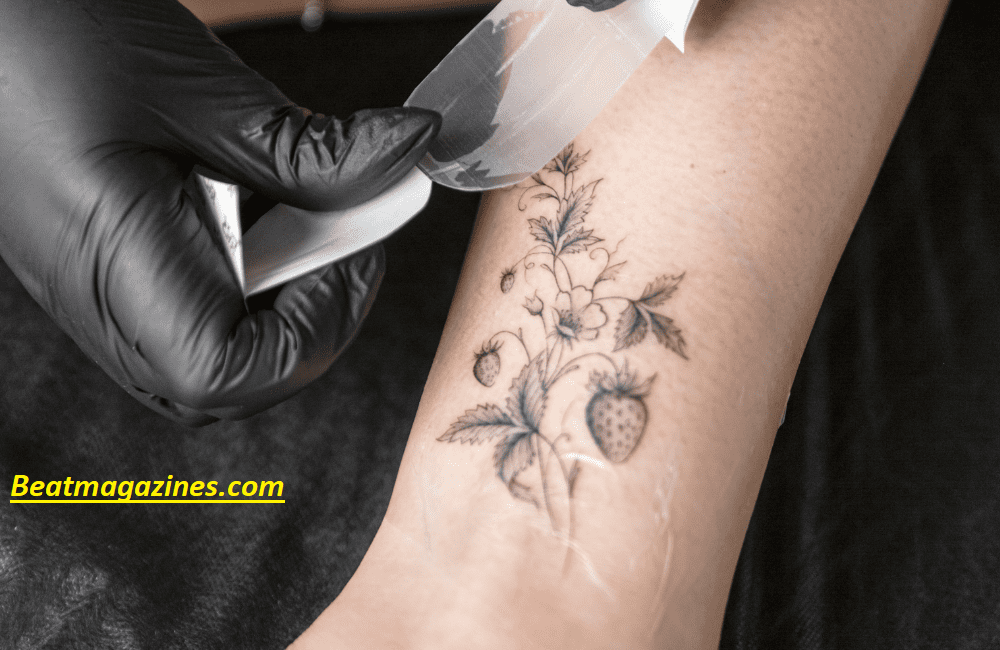
How Fine Line Tattoos Age Over Time
Year 0–1: Healing & Settling
During healing, your body’s immune response removes excess pigment. Even with perfect fine line tattoo aftercare, you’ll see slight softening.
This is normal.
Fine line tattoo fading often starts subtly within the first year as ink spreads microscopically in the dermis.
Years 1–5: Stabilization
This is when most people notice changes.
Lines may:
- Soften slightly
- Turn from deep black to charcoal gray
- Lose micro-detail
This doesn’t mean the tattoo looks bad. It just means it’s settled.
At this stage, many people begin asking:
“Why do fine line tattoos fade faster?”
They appear to fade faster because thin lines contain less pigment. When the body slowly breaks down ink particles, the reduction is more visible compared to thick, bold outlines.
Years 5–10+: Long-Term Aging
This phase depends heavily on:
- Tattoo placement for longevity
- Sun protection habits
- Skin type & tattoo aging behavior
- Original ink saturation
Some fine line tattoos still look excellent after 10+ years, especially in low-friction areas.
Others — particularly on fingers or ribs — may require touch-ups for tattoos to maintain clarity.
So how long fine line tattoos last?
Realistically: 5–15 years before noticeable fading requires maintenance, and often much longer with care.
Fine Line Tattoos Net Worth
Instead of financial net worth, let’s talk about longevity value — how much visual “return” you get over time.
How long fine line tattoos last depends on:
- Artist skill
- Pigment quality
- Skin type & tattoo aging
- Lifestyle habits
- Aftercare consistency
- Tattoo placement for longevity
Average Lifespan Estimate
| Placement | Estimated Longevity |
|---|---|
| Upper arm | 10–20 years |
| Inner forearm | 8–15 years |
| Back shoulder | 15+ years |
| Finger | 1–5 years |
| Foot | 3–7 years |
| Ribcage | 5–10 years |
These numbers assume proper fine line tattoo aftercare and regular sunscreen use.
Why Fine Line Tattoo Fading Happens
Let’s address the long-tail question clearly:
“Why do fine line tattoos fade faster?”
Because:
- Lower ink density
- Smaller pigment particles
- Less structural outline
- Skin cell turnover naturally pushes ink upward
- UV radiation breaks down pigment
The immune system slowly removes foreign particles. Thin-line tattoos contain fewer particles.
The Role of SPF in Tattoo Care
Tattoo care SPF fading prevention is essential.
UV rays fragment pigment molecules. This causes:
- Lighter appearance
- Loss of contrast
- Blurring of detail
Daily SPF 30+ can significantly extend how long fine line tattoos last.
Touch-Ups for Tattoos
Touch-ups for tattoos are common in fine line work.
Unlike bold traditional designs that may hold strong for decades without reinforcement, fine line tattoos often benefit from a refresh every 5–8 years.
A light rework can:
- Darken faded lines
- Reinforce detail
- Correct minor blur
Think of it like maintenance.
Thin-Line Tattoos vs Bold: Long-Term Value
| Feature | Fine Line | Bold Traditional |
|---|---|---|
| Initial Detail | Extremely high | Moderate |
| Aging Structure | Moderate | Very high |
| Fade Resistance | Lower | Higher |
| Touch-Up Frequency | Higher | Lower |
| Minimalist Appeal | Very high | Moderate |
Minimalist tattoo aging isn’t about failure — it’s about softness over time.
If you want a tattoo that looks exactly the same after 20 years, bold is safer.
If you want elegance and subtlety — and accept natural evolution — fine line works beautifully.
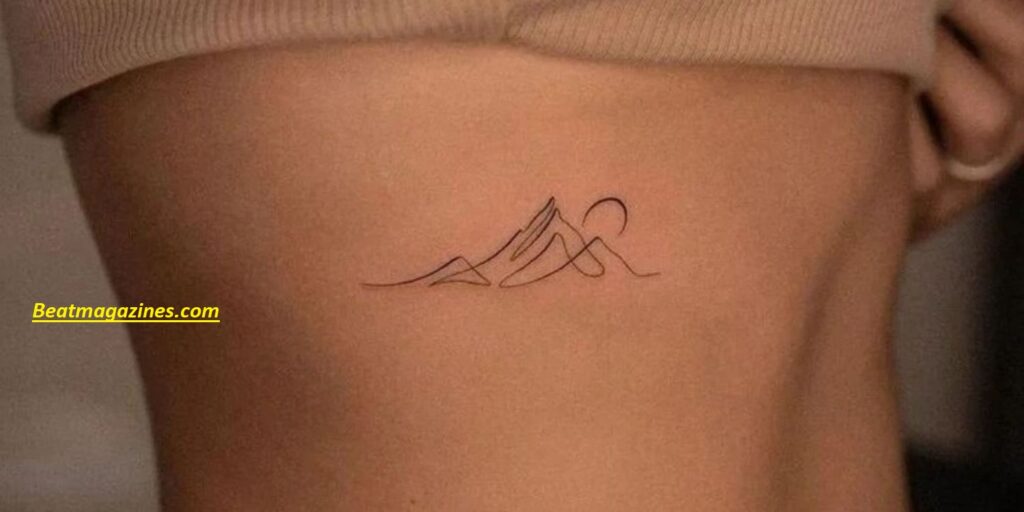
Key Factors That Affect Aging
Several variables determine whether do fine line tattoos look good after years.
Placement
Tattoo placement for longevity is one of the most important decisions.
Best placements for aging tattoo work include:
- Upper arm
- Inner forearm
- Shoulder
- Calf
- Upper back
These areas experience less friction and stretching.
Worst placements:
- Fingers
- Hands
- Feet
- Ribcage
- Inner lip
High-movement and high-friction areas accelerate fine line tattoo fading. If you want your tattoo to last, placement matters more than people realize.
Skin Type & Lifestyle
Skin type & tattoo aging vary significantly.
- Oily skin may cause slight blur.
- Very dry skin can make tattoos look dull.
- Sun-damaged skin fades faster.
- Rapid weight changes stretch designs.
- Outdoor workers experience more UV breakdown.
Minimalist tattoo aging is heavily influenced by lifestyle. If you tan frequently or skip sunscreen, fading happens faster.
Healthy, hydrated skin retains pigment better over time.
Ink Saturation / Needle Depth
This is where many competitors fail to go deep enough.
Fine line tattoos use thinner lines, but that does NOT mean the artist should use weak saturation.
Proper ink saturation ensures pigment is packed evenly into the dermis.
Needle depth must be precise:
- Too shallow = rapid fading.
- Too deep = blowout (ink spreading).
An experienced artist balances delicacy with structural longevity. This factor alone can determine how long fine line tattoos last.
Sun/UV Exposure
Tattoo care SPF fading prevention is non-negotiable.
UV rays break down pigment molecules. This leads to:
- Fading
- Blurring
- Loss of contrast
Daily SPF 30+ dramatically reduces fine line tattoo fading.
People who consistently use sunscreen often report their tattoos looking vibrant even after 10 years.
If you ignore sun protection, aging accelerates.
Aftercare Tips For Longevity
Proper fine line tattoo aftercare is critical in both short-term healing and long-term preservation.
Immediate Aftercare
- Gently wash with fragrance-free soap.
- Pat dry — don’t rub.
- Apply a thin layer of recommended ointment.
- Avoid soaking (no pools or baths).
- Do not scratch or pick.
Long-Term Aftercare
- Use daily moisturizer.
- Apply SPF 30+ for tattoo care SPF fading prevention.
- Avoid excessive friction.
- Stay hydrated.
- Schedule touch-ups for tattoos when needed.
Fine line tattoo fading is often blamed on the style — but poor aftercare is a major reason.
If you want to maximize how long fine line tattoos last, treat them like long-term investments.
Fine Line vs Traditional / Bold Tattoos
The debate of thin-line tattoos vs bold designs is common.
Here’s a clear comparison:
| Feature | Fine Line | Bold Traditional |
|---|---|---|
| Line Thickness | Thin | Thick |
| Pigment Saturation | Moderate | Heavy |
| Aging Structure | Softer | Strong |
| Fine Detail | High | Moderate |
| Fade Resistance | Moderate | High |
| Touch-Ups for Tattoos | More common | Less common |
Bold tattoos hold their structure longer because thick outlines resist pigment breakdown.
Fine line tattoos age more subtly. Minimalist tattoo aging can look elegant but requires realistic expectations.
If you want ultra-sharp detail long-term, consider slightly thicker lines rather than micro-thin designs.
Frequently Asked Questions
How long do fine line tattoos last?
Most last 5–15+ years before noticeable fading. With excellent placement, sunscreen use, and proper technique, they can last decades. Touch-ups for tattoos may be needed after several years.
Why do they blur or fade?
Fine line tattoo fading happens because:
- Lower pigment density
- Immune system breakdown
- UV damage
- Skin cell turnover
- Friction and stretching
This explains “why do fine line tattoos fade faster” compared to bold designs.
Are some designs more aging-resistant?
Yes.
Simple designs with slightly thicker lines age better than ultra-detailed micro tattoos. Choosing the best placements for aging tattoo work also improves longevity.
Conclusion
Fine line tattoos rely on precision and controlled ink saturation. Because they use thinner lines, fine line tattoo fading is more noticeable when it happens. However, that doesn’t mean they disappear or become unattractive.
Minimalist tattoo aging often results in a softer, more natural appearance rather than total distortion.
Thin-line tattoos vs bold designs is not about which is better — it’s about what suits your expectations.
Bold tattoos maintain strong structure for decades.
Fine line tattoos offer elegance, subtlety, and refined detail.
With proper care, realistic expectations, and occasional maintenance, fine line tattoos can age beautifully — not perfectly frozen in time, but gracefully evolving with your skin.
And that’s the real truth after years on skin.