
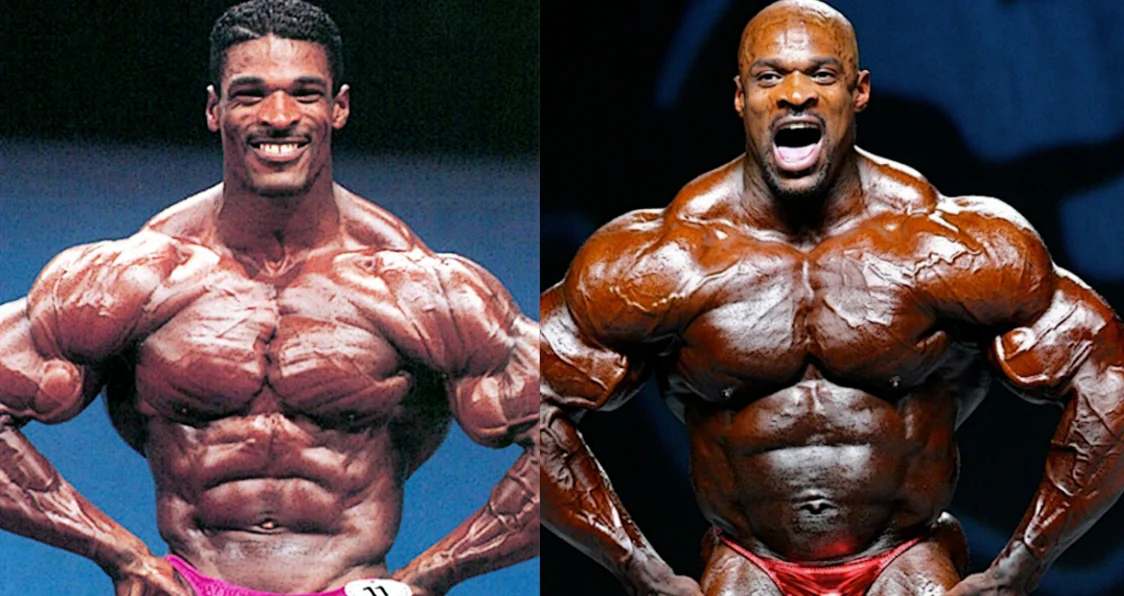
Ronnie Coleman age continues to fascinate fitness enthusiasts worldwide as “The King” of bodybuilding remains a powerful force at 61 years old.
Born Ronald Dean Coleman on May 13, 1964, in Monroe, Louisiana, Ronnie Coleman transformed bodybuilding forever with his unprecedented eight consecutive Mr. Olympia titles from 1998 to 2005.
From his humble beginnings as a police officer in Arlington, Texas, to becoming the most decorated bodybuilder in IFBB history with 26 professional wins, Coleman’s journey represents both triumph and perseverance.
In 2025, after surviving a life-threatening battle with sepsis, Ronnie Coleman stands as an inspiration to millions, proving that his legendary catchphrase “Yeah buddy!” and unbreakable spirit transcend age and adversity.
Table of Contents
Quick Facts About Ronnie Coleman
| Category | Details |
|---|---|
| Full Name | Ronald Dean Coleman |
| Nickname | “The King,” “Ronnie Coleman,” “Big Ron” |
| Date of Birth | May 13, 1964 |
| Age (2025) | 61 years old |
| Birthplace | Monroe, Louisiana, United States |
| Zodiac Sign | Taurus |
| Nationality | American |
| Ethnicity | African American |
| Height | 5 feet 11 inches (180 cm) |
| Competition Weight | 287-300 lbs (130-136 kg) |
| Off-Season Weight | 315-330 lbs (143-150 kg) |
| Body Fat (Competition) | 3-5% |
| Profession | Retired Professional Bodybuilder, Police Officer (Ret.), Entrepreneur |
| Net Worth (2025) | $2 million (estimated) |
| Spouse | Susan Williamson (m. 2016), Rouaida Christine Achkar (m. 2007, divorced) |
| Children | 4 daughters (Valencia, Jamilleah, and two others) |
| Mr. Olympia Titles | 8 consecutive (1998-2005) |
| IFBB Pro Wins | 26 (Record) |
| Years Active | 1990-2007 (competition), 1989-2003 (police officer) |
| Current Residence | Arlington, Texas |
| Famous Catchphrases | “Yeah buddy!”, “Light weight baby!”, “Ain’t nothin’ but a peanut” |
Career Highlights:
- Tied with Lee Haney for most Mr. Olympia wins (8)
- Record 26 IFBB professional victories
- Only reigning Mr. Olympia to win Arnold Classic (2001)
- International Sports Hall of Fame inductee (2016)
- Arnold Classic Lifetime Achievement Award (2021)
- Police officer for Arlington PD (1989-2003)
- Founded Ronnie Coleman Signature Series supplements
- Netflix documentary “Ronnie Coleman: The King” (2018)
- Survived life-threatening sepsis (June-July 2025)
Ronnie Coleman Age and Early Life
How Old is Ronnie Coleman in 2025?
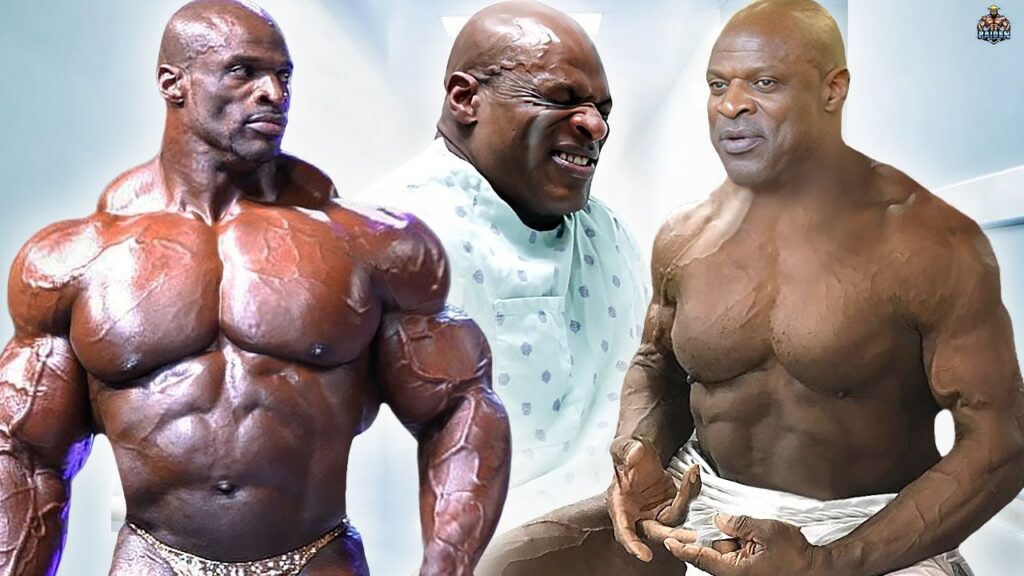
Ronnie Coleman is 61 years old in 2025, having celebrated his birthday on May 13th. What makes his age particularly significant is how he continues to defy expectations and inspire millions despite facing enormous health challenges. At an age when most people are settling into retirement, Coleman remains active in the bodybuilding community, runs a successful supplement business, and maintains an incredible social media presence with over 12 million Instagram followers.
Born in 1964, Coleman represents the generation that witnessed bodybuilding’s golden era transition into the modern age. He bridged the gap between the classic physiques of Arnold Schwarzenegger and Lee Haney and the mass monsters of today’s open bodybuilding division. His age places him among bodybuilding royalty—contemporaries include Flex Wheeler (born 1965), Kevin Levrone (born 1964), and Shawn Ray (born 1965).
The fact that Ronnie Coleman survived a near-fatal sepsis infection at 61 in June 2025 makes his age even more remarkable. Many fans feared the worst, but true to form, “The King” fought back with the same determination that won him eight Olympia titles. His 13-year-old daughter is credited with recognizing symptoms that may have saved his life, showing how Coleman’s legacy extends beyond bodybuilding into fatherhood.
Childhood in Monroe, Louisiana
Ronnie Coleman grew up in Monroe, Louisiana, a mid-sized city in the northeastern part of the state known more for its Southern culture than producing bodybuilding legends. Born to a middle-class family, young Ronnie didn’t initially have aspirations of becoming the world’s greatest bodybuilder. His childhood in Monroe during the 1970s was typical for the era—playing sports, attending school, and dreaming of a better life.
Louisiana in the 1960s and 70s was a different world, still grappling with the aftermath of the Civil Rights Movement. As an African American child in the South, Coleman learned resilience and determination early. These character traits, forged in his Louisiana upbringing, would later become hallmarks of his bodybuilding career.
Coleman showed early athletic promise, particularly in football. He was naturally strong and competitive, qualities that would serve him well on both the football field and later on the bodybuilding stage. However, nothing in his Monroe childhood suggested he would one day become synonymous with the phrase “Yeah buddy!” and inspire millions worldwide.
His family wasn’t wealthy, which meant Ronnie understood the value of hard work from a young age. This blue-collar mentality—showing up, putting in the work, and never complaining—became central to his training philosophy. Even as a champion earning hundreds of thousands in prize money, Coleman maintained the work ethic he learned growing up in Monroe.
Education at Grambling State University
After graduating from high school in Monroe, Ronnie Coleman attended Grambling State University (GSU), a historically black university located in Grambling, Louisiana, about 50 miles east of his hometown. This choice would prove pivotal in shaping his future.
College Football Career: At Grambling State, Coleman played college football as a middle linebacker under the legendary coach Eddie Robinson. Robinson, who coached at Grambling for 57 years and won over 400 games, was known for developing young Black athletes into professionals at a time when opportunities were limited. Playing for Coach Robinson taught Coleman discipline, teamwork, and how to push through pain—lessons directly applicable to bodybuilding.
Coleman wasn’t a star player destined for the NFL, but he was solid, reliable, and committed. His time on the football field built the foundation for his future physique—the thick legs, strong core, and overall muscle mass that would later dominate bodybuilding stages worldwide.
Academic Pursuits: While excelling on the football field, Coleman also focused on academics. He earned a Bachelor of Science degree in accounting in 1984. This practical major demonstrated Coleman’s understanding that not every athlete makes it professionally in sports—you need a backup plan.
The accounting degree proved valuable throughout his career. It helped him understand contracts, manage finances, and later run his supplement company. Unlike many athletes who struggle with money management, Coleman’s education gave him tools to make informed business decisions.
The Post-Graduation Struggle: After graduating from Grambling State in 1984, Coleman faced a harsh reality—finding work with his accounting degree proved difficult. Despite his education and football experience, job opportunities were limited. This frustration eventually led him to pursue different paths, including the decision that would change his life: becoming a police officer.
The years between graduation (1984) and becoming an officer (1989) remain somewhat unclear in public records, but Coleman has mentioned working various jobs including a stint at Domino’s Pizza. These struggles taught him humility and made his eventual success even sweeter. The college graduate delivering pizzas would one day be recognized worldwide as the greatest bodybuilder of all time.
Career as Police Officer
Arlington Police Department Years
In 1989, at age 25, Ronnie Coleman joined the Arlington Police Department in Arlington, Texas, beginning a career in law enforcement that would span over a decade. This decision wasn’t just about a paycheck—Coleman genuinely loved being a police officer, often describing it as his “dream job.”
Why Police Work? After struggling to find employment in accounting, Coleman moved to Texas seeking better opportunities. The Arlington Police Department offered stable employment, benefits, and the chance to serve his community. For a former college athlete, police work provided structure, physical activity, and purpose—all things Coleman valued.
Daily Duties: As a patrol officer, Coleman’s responsibilities included:
- Responding to 911 calls and emergencies
- Traffic enforcement and accident investigation
- Community policing and public interaction
- Criminal investigations and arrests
- Report writing and court testimony
- Maintaining public safety in assigned patrol zones
Coleman worked various shifts, often including nights and weekends. This irregular schedule would later create challenges when balancing police work with bodybuilding training, but Coleman made it work through sheer discipline and time management.
Physical Demands: Police work requires physical fitness—chasing suspects, subduing criminals, and handling dangerous situations. Coleman’s growing muscles from bodybuilding training actually benefited his police work. Fellow officers and civilians alike were intimidated by his imposing presence, which often defused potentially violent situations before they escalated.
However, there were also challenges. As Coleman’s muscle mass increased, routine tasks like sitting in patrol cars for extended periods, wearing bulletproof vests, and maintaining agility became more difficult. His massive arms made it harder to draw his weapon quickly, and his overall size made stealth operations nearly impossible.
Community Relations: Coleman was reportedly well-liked in the Arlington community. His friendly demeanor, genuine smile, and willingness to help made him an approachable officer. He participated in community events, spoke at schools, and represented the department at various functions.
This public-facing role helped develop his communication skills and comfort with attention—invaluable preparation for life as a famous bodybuilder who would later sign autographs for hours at expos and appear in countless interviews.
Length of Service: Coleman served as a full-time officer from 1989 to 2000, then transitioned to reserve officer status until 2003. His decision to step back in 2000 came as his bodybuilding career exploded after winning his second and third Mr. Olympia titles. The demands of training, traveling for competitions, and managing sponsorships made full-time police work unsustainable.
Balancing Law Enforcement and Bodybuilding
Perhaps the most fascinating aspect of Ronnie Coleman’s story is how he simultaneously built the greatest bodybuilding physique in history while working full-time as a police officer. This balancing act required extraordinary discipline and sacrifice.
The Daily Schedule: During his peak years (1995-2000), Coleman’s typical day was grueling:
6:00 AM – Wake up, first meal 7:00 AM – Morning workout at Metroflex Gym 10:00 AM – Second meal, prepare for work 12:00 PM – Start police shift 10:00 PM – End police shift 11:00 PM – Evening workout at Metroflex Gym 2:00 AM – Final meal, sleep
This schedule meant Coleman often slept only 4-5 hours per night. He trained twice daily, ate 5-6 meals, worked 8-10 hour shifts, and still found time for family and personal life. Such dedication is almost incomprehensible to most people.
Training at Metroflex Gym: The discovery of Metroflex Gym in Arlington, owned by Brian Dobson, changed Coleman’s life forever. The gym was hardcore—no fancy machines, no air conditioning, just iron and determination. Dobson recognized Coleman’s potential and offered him a free lifetime membership if he would compete in bodybuilding.
Coleman could train at Metroflex before and after his police shifts. The gym’s 24-hour access accommodated his irregular schedule, and fellow serious bodybuilders created an environment pushing him to new limits. This was where Coleman developed his legendary work ethic, often training legs so intensely that he could barely walk to his patrol car afterward.
Nutrition Challenges: Eating 5-6 meals daily while working as a police officer presented logistical challenges. Coleman prepared meals in advance, stored them in coolers in his patrol car, and ate between calls. Imagine a suspect seeing this massive officer eating chicken and rice out of Tupperware between arresting them—it became part of Coleman’s legend.
His fellow officers were initially confused but eventually supportive. Some even started training with him, recognizing that Coleman’s dedication could inspire their own fitness journeys.
Financial Reality: Initially, Coleman needed his police salary to survive. Prize money in bodybuilding was modest except at the highest levels, and sponsorships only came after proving yourself. His police job provided stability—health insurance, retirement benefits, steady income—while he built his bodybuilding career.
Even after winning Mr. Olympia in 1998, Coleman continued as a police officer for two more years. In interviews, he’s stated he would have done police work for free because he loved it so much. This wasn’t just about money—it was about purpose and service.
When He Finally Retired: Coleman transitioned to reserve status in 2000 and completely left law enforcement in 2003. By this point, he had won five consecutive Mr. Olympia titles and was earning substantial income from prize money, sponsorships, and guest appearances. The physical demands of police work while maintaining 300 pounds of muscle had become unsustainable.
However, Coleman maintained relationships with the Arlington Police Department, occasionally returning for events and remaining a source of pride for the department. A police officer becoming the world’s greatest bodybuilder was unprecedented—and remains so today.
Bodybuilding Career Journey
Discovery at Metroflex Gym
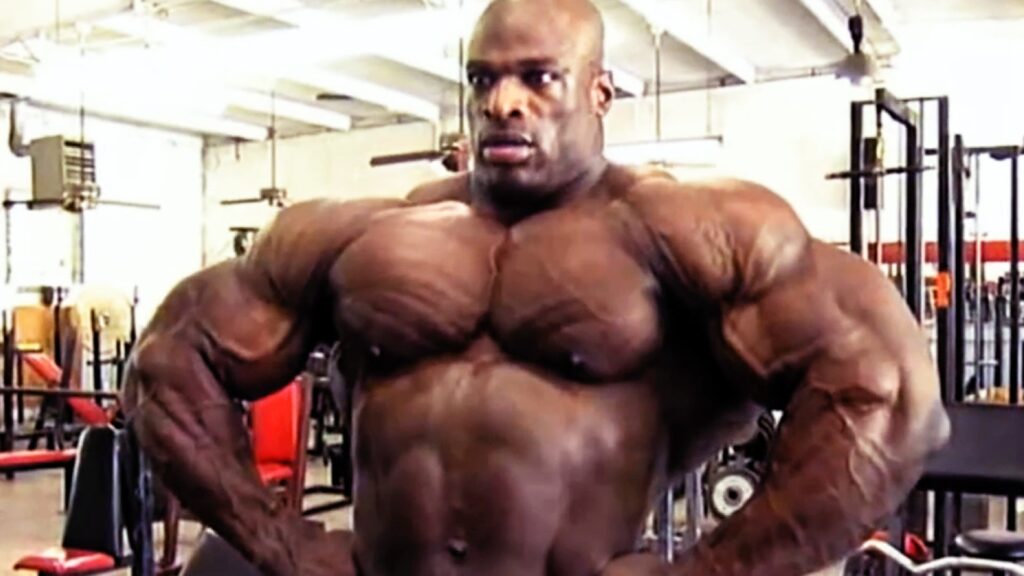
Ronnie Coleman’s bodybuilding journey began somewhat accidentally in 1989 when he walked into Metroflex Gym in Arlington, Texas. At 25 years old and freshly hired by the Arlington Police Department, Coleman was simply looking for a place to stay in shape for his job.
Meeting Brian Dobson: Brian Dobson, owner of Metroflex Gym and himself a competitive bodybuilder, immediately recognized something special in the muscular young police officer. Dobson recalls Coleman having incredible natural proportions, muscle bellies, and bone structure—genetics that money can’t buy.
In what would become one of bodybuilding’s most consequential conversations, Dobson made Coleman an offer: “If you train for a bodybuilding competition, I’ll give you free lifetime membership to the gym.” For Coleman, who was barely scraping by financially, free gym membership was worth considering. He accepted.
The Training Begins: Under Dobson’s guidance, Coleman began training specifically for bodybuilding rather than just general fitness. This meant:
- Learning proper exercise form and technique
- Understanding muscle group isolation
- Implementing progressive overload principles
- Following structured workout programs
- Eating for muscle growth, not just satisfaction
- Recovering properly between sessions
Metroflex Gym wasn’t your typical commercial gym. It was hardcore—no air conditioning (in Texas heat!), minimal equipment, just basic barbells, dumbbells, and machines. The gym attracted serious lifters who pushed each other to extremes. This environment forged Coleman’s “light weight” mentality and incredible work capacity.
First Competition: Coleman’s first bodybuilding competition was the 1990 Mr. Texas contest. Despite having only trained specifically for bodybuilding for about a year, Coleman’s genetics and work ethic shone through—he won. This victory confirmed what Dobson suspected: Coleman had champion potential.
Rise to Mr. Olympia Glory (1998-2005)
After his Mr. Texas victory in 1990, Ronnie Coleman’s ascent in professional bodybuilding was steady but not meteoric. He would spend nearly a decade learning, growing, and positioning himself before finally reaching the pinnacle.
Early Professional Career (1992-1997):
- 1992: Professional debut at Chicago Pro (did not place)
- 1993: Improved conditioning and size, but still learning
- 1994: Began placing in top 10 at various pro shows
- 1995: First professional victory at Canada Pro Cup
- 1996: Won the Night of Champions
- 1997: Multiple top-5 finishes, clearly improving
During these years, Coleman was still working full-time as a police officer, training twice daily, and slowly building the physique that would dominate bodybuilding. He was patient, understanding that greatness takes time.
The Era of Dorian Yates: Through most of the 1990s, Dorian Yates (UK bodybuilder) dominated Mr. Olympia, winning six consecutive titles from 1992-1997. Yates brought unprecedented mass and conditioning, setting a new standard. Coleman studied Yates carefully, understanding he needed to match that size while maintaining better proportions and symmetry.
When Yates retired after 1997 due to injuries, the Mr. Olympia throne was open. Defending champion Flex Wheeler was the favorite for 1998, with Kevin Levrone also considered a strong contender. Few expected the police officer from Texas to win.
1998 Mr. Olympia – The First Victory: At the 1998 Mr. Olympia in New York, Coleman shocked the bodybuilding world by defeating Flex Wheeler and claiming his first title. He came in with unprecedented mass combined with shape—a combination never seen before. His back especially was jaw-dropping, with Christmas tree detail and width that seemed impossible.
The victory was emotional. Coleman had worked nearly a decade for this moment, balanced police work with training, and proven that patience and persistence pay off. He was 34 years old—not young in bodybuilding terms—but his journey was just beginning.
Eight Consecutive Championships
What followed was the most dominant streak in modern bodybuilding history. Ronnie Coleman won eight consecutive Mr. Olympia titles from 1998 through 2005, tying the record set by Lee Haney (1984-1991).
Year-by-Year Dominance:
| Year | Location | Runner-Up | Highlights |
|---|---|---|---|
| 1998 | New York | Flex Wheeler | First title, shocking victory |
| 1999 | Las Vegas | Flex Wheeler | Improved size, confirmed 1998 wasn’t a fluke |
| 2000 | Las Vegas | Kevin Levrone | Best conditioning to date |
| 2001 | Las Vegas | Jay Cutler | Won Arnold Classic same year (unprecedented) |
| 2002 | Las Vegas | Jay Cutler | Rivalry with Cutler intensifies |
| 2003 | Las Vegas | Jay Cutler | Fourth consecutive win over Cutler |
| 2004 | Las Vegas | Jay Cutler | Most massive physique yet |
| 2005 | Las Vegas | Jay Cutler | Final victory, showing wear from years of training |
The Formula for Success: Coleman’s dominance came from several factors:
- Genetics: Perfect muscle bellies, bone structure, and proportions
- Work Ethic: Trained with intensity unmatched in bodybuilding
- Consistency: Never missed workouts, always showed up
- Coaching: Brian Dobson provided expert guidance
- Mindset: Positive attitude and famous catchphrases kept him motivated
- Recovery: Learned how to recover from brutal training sessions
- Nutrition: Dialed in diet supporting massive size
- PED Protocol: (Acknowledged reality in professional bodybuilding)
Physical Evolution: Coleman’s physique evolved throughout his reign:
- 1998-1999: Incredible shape with size
- 2000-2002: Added mass while maintaining conditioning
- 2003-2005: Peak mass, though conditioning slightly diminished
By 2005, Coleman was carrying around 300 pounds on stage, an almost incomprehensible amount of muscle on a 5’11” frame. His arms measured over 24 inches, thighs over 36 inches, and back seemed wider than some men are tall.
Rivalry with Jay Cutler
The Ronnie Coleman vs. Jay Cutler rivalry defined bodybuilding in the early 2000s and elevated both men’s legacies. Jay Cutler, born in 1973, represented the new generation challenging the established king.
The Rivalry Timeline:
- 2001: Cutler finished 2nd at his first Olympia, establishing himself as Coleman’s primary challenger
- 2002: Cutler again 2nd, coming even closer
- 2003: Most controversial year—many thought Cutler should have won
- 2004: Cutler 2nd again, frustration mounting
- 2005: Cutler’s fifth consecutive 2nd place finish to Coleman
Contrasting Styles: Coleman brought freaky mass with flow and rhythm. His posing was entertaining, and his personality infectious. He made 300 pounds look somehow aesthetic.
Cutler brought a blockier, more massive look. His quads were legendary, and his overall thickness unmatched. He was more reserved, letting his physique speak for itself.
The contrast made their rivalry compelling. It wasn’t just physiques—it was philosophies, personalities, and approaches to bodybuilding.
Mutual Respect: Despite intense competition, Coleman and Cutler maintained respect. Coleman has stated Cutler made him better by pushing him to new limits. Cutler has praised Coleman’s work ethic and acknowledged learning from him.
When Coleman retired after 2006 (finishing 4th), Cutler finally won Mr. Olympia in 2006 and repeated in 2007, 2009, and 2010. Many believe Coleman’s dominance delayed Cutler’s victories but also prepared him to become a champion.
Legacy of the Rivalry: The Coleman-Cutler rivalry is considered one of bodybuilding’s greatest, alongside Arnold vs. Sergio and Haney vs. Gaspari. It elevated both men and brought mainstream attention to the sport.
Training Philosophy and Strength Feats
Ronnie Coleman’s training philosophy was simple: “Everybody wants to be a bodybuilder, but nobody wants to lift no heavy-ass weights.” This quote encapsulates his approach—go heavy, go hard, or go home.
Training Split: Coleman typically used a push/pull/legs split:
Day 1 – Back/Biceps:
- Deadlifts: 4 sets of 6-12 reps
- Barbell rows: 4 sets of 10-15 reps
- T-bar rows: 4 sets of 10-15 reps
- Lat pulldowns: 4 sets of 12-15 reps
- Barbell curls: 4 sets of 12-15 reps
- Hammer curls: 4 sets of 12-15 reps
Day 2 – Shoulders/Triceps:
- Military press: 4 sets of 10-12 reps
- Dumbbell press: 4 sets of 12-15 reps
- Lateral raises: 4 sets of 12-20 reps
- Front raises: 4 sets of 12-15 reps
- Close-grip bench: 4 sets of 10-12 reps
- Tricep pushdowns: 4 sets of 15-20 reps
Day 3 – Legs:
- Squats: 4-5 sets of 6-12 reps
- Leg press: 4 sets of 12-15 reps
- Leg extensions: 4 sets of 15-20 reps
- Leg curls: 4 sets of 15-20 reps
- Lunges: 3 sets of 15-20 reps per leg
Day 4 – Chest/Triceps:
- Bench press: 4 sets of 10-12 reps
- Incline press: 4 sets of 10-12 reps
- Dumbbell flyes: 4 sets of 12-15 reps
- Cable crossovers: 4 sets of 15-20 reps
- Skull crushers: 4 sets of 12-15 reps
The Weights He Moved: Coleman’s strength was legendary:
- Squat: 800 pounds for 2 reps (video has 60+ million views)
- Deadlift: 800 pounds for multiple reps
- Bench Press: 495 pounds
- Front Squat: 585 pounds
- Leg Press: 2,300 pounds for reps
- Dumbbell Press: 200-pound dumbbells for reps
These numbers aren’t bodybuilder strong—they’re world-class powerlifter territory. Yet Coleman did them while maintaining low body fat and aesthetic proportions.
The Famous Catchphrases: During training videos, Coleman’s positivity and humor shone through:
- “Yeah buddy!” – His signature expression of enthusiasm
- “Light weight baby!” – Said while moving weights that would crush most people
- “Ain’t nothin’ but a peanut!” – Minimizing insanely difficult lifts
These phrases became part of fitness culture, repeated in gyms worldwide. They represented Coleman’s mindset: stay positive, minimize obstacles, and attack challenges with enthusiasm.
The Cost: Coleman’s extreme training style came with consequences. He’s admitted that lifting such heavy weights for years caused the back, hip, and spine problems that plague him today. In interviews, he’s stated he wouldn’t change anything—those heavy weights built the physique that won eight Olympias—but he acknowledges the price paid.
Ronnie Coleman’s Wife and Family Life
First Marriage to Rouaida Christine Achkar
In 2007, at age 43 and freshly retired from competitive bodybuilding, Ronnie Coleman married Rouaida Christine Achkar, a French-Lebanese personal trainer. The marriage represented Coleman entering a new chapter after dedicating over 15 years to bodybuilding competition.
Meeting and Courtship: Details about how Coleman and Achkar met remain largely private, but they likely connected through the fitness industry. Achkar was involved in personal training and understood the bodybuilding lifestyle—crucial for anyone dating a champion.
Their relationship developed during Coleman’s final competitive years (2006-2007), a period when he was transitioning from full-time competitor to retired legend. This timing was significant—Achkar saw Coleman both at his competitive peak and beginning to deal with the physical consequences of years of extreme training.
The Marriage: Coleman and Achkar married in 2007, shortly after his competitive retirement. The wedding was relatively private, keeping with Coleman’s preference for maintaining some personal life boundaries despite his public fame.
Challenges and Divorce: The marriage was short-lived, ending in divorce in 2008, just about a year after the wedding. While neither party has publicly discussed the reasons for divorce in detail, the timing suggests several possible factors:
- Lifestyle Changes: Coleman transitioning from competitor to retired athlete meant major life adjustments
- Health Issues: Coleman’s surgeries began in earnest post-retirement, creating stress
- Different Expectations: The reality of married life may have differed from courtship
- Travel Demands: Coleman’s guest appearances and business ventures kept him on the road
Post-Divorce Relationship: Coleman and Achkar appear to have parted amicably, with no public disputes or drama. Coleman rarely mentions this marriage in interviews, preferring to focus on his current family. Achkar similarly maintains privacy about this period of her life.
Current Marriage to Susan Williamson
In April 2016, Ronnie Coleman married Susan Williamson, beginning the most stable and public relationship of his life. This marriage has endured through some of Coleman’s most challenging health battles and represents a true partnership.
Meeting Susan: Coleman met Williamson through mutual friends in the fitness industry. Unlike his first marriage, which happened shortly after retirement, Coleman had been single for several years when they met. This gave him time to adjust to post-competitive life and understand what he wanted in a partner.
Williamson wasn’t from the bodybuilding world, which may have been refreshing for Coleman. She brought an outside perspective and didn’t treat him as “Ronnie Coleman the Legend” but simply as Ronnie the person.
The 2016 Wedding: Coleman and Williamson married in April 2016, with Coleman being 51 years old. The wedding was more public than his first, with photos shared on social media and coverage in bodybuilding media. Friends, family, and industry figures celebrated the union.
By this time, Coleman was already dealing with significant mobility issues and had undergone multiple surgeries. Williamson knew exactly what she was committing to—a man with legendary status but serious health challenges.
Susan’s Role in Coleman’s Life: Williamson has proven to be exactly what Coleman needed:
- Caregiver: Managing his medical appointments, surgeries, and recovery
- Business Partner: Helping run his supplement company and appearance schedule
- Emotional Support: Providing stability through difficult health battles
- Public Face: Representing the family in updates and social media
- Mother Figure: Helping raise their blended family
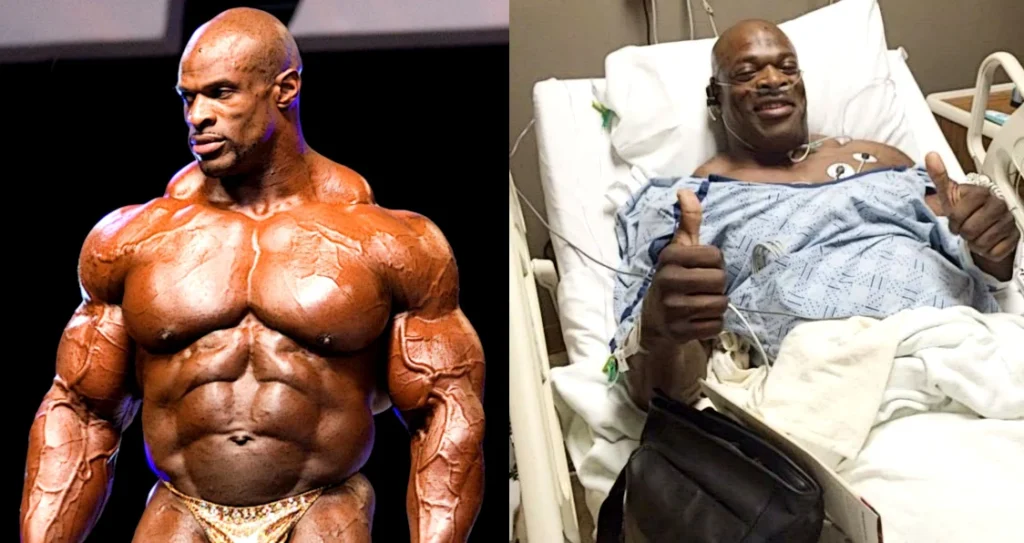
The Sepsis Battle (2025): Susan’s importance became most evident during Coleman’s June 2025 sepsis scare. She was by his side throughout the hospitalization, and Coleman specifically credited her with giving him strength to fight. In his Instagram post after recovery, he wrote: “I couldn’t have fought so hard without the love and support…especially my wife, Susan.”
Williamson also managed communications with fans during this terrifying time, providing updates when Coleman was unable to communicate. Her strength and composure during crisis demonstrated the depth of their partnership.
Current Relationship: As of 2025, Coleman and Williamson have been married for nine years—nearly a decade. This is Coleman’s longest relationship, and by all accounts, they remain strong. They live together in Arlington, Texas, where Coleman continues his business ventures and recovery efforts.
Children and Fatherhood
Ronnie Coleman is the father of four daughters: Valencia Daniel, Jamilleah, and two younger daughters with Susan Williamson. Fatherhood has added another dimension to Coleman’s legacy beyond bodybuilding championships.
The Children:
- Valencia Daniel Coleman – One of Coleman’s older daughters
- Jamilleah Coleman – Another daughter, age details not widely public
- Two daughters with Susan – Born after their 2016 marriage
13-Year-Old Saves His Life (2025): During the June 2025 sepsis crisis, Coleman revealed that his 13-year-old daughter recognized something was seriously wrong and alerted others, potentially saving his life. Coleman was experiencing confusion and repeating himself—classic sepsis symptoms—and his daughter noticed these alarming changes and insisted he seek medical attention.
“Had it not been for my 13-year-old daughter, it probably would have [killed me],” Coleman stated in his recovery video. This moment highlighted the protective love between father and daughter.
Fatherhood at an Older Age: Coleman became a father later in life compared to many, with his youngest children born when he was in his 50s. This means he’s navigating fatherhood while also dealing with significant mobility challenges from his bodybuilding career.
Despite his physical limitations—using a wheelchair or walker for mobility—Coleman remains actively involved in his daughters’ lives. Social media posts show him attending their activities, celebrating birthdays, and being present despite his health challenges.
Teaching Life Lessons: Coleman’s approach to fatherhood emphasizes the same values that made him a champion:
- Work Ethic: Showing his daughters that dedication pays off
- Positivity: Maintaining his “Yeah buddy!” optimism despite hardships
- Perseverance: Demonstrating that setbacks don’t define you
- Humility: Staying grounded despite fame and success
- Service: His police officer background taught the importance of helping others
Balancing Fame and Family: As one of bodybuilding’s most recognized figures, Coleman must balance public demands with family privacy. He shares select family moments on social media but largely keeps his daughters out of the spotlight, protecting their childhoods from excessive public scrutiny.
Ronnie Coleman Net Worth 2025
Estimated Net Worth
Ronnie Coleman’s net worth in 2025 is estimated at approximately $2 million, though some sources suggest it could be slightly higher. While this may seem modest for someone considered the greatest bodybuilder of all time, the figure reflects both the financial realities of professional bodybuilding and the enormous medical expenses Coleman has faced.
Net Worth Over Time:
| Year | Estimated Net Worth | Major Financial Events |
|---|---|---|
| 1998 | $200,000 | First Mr. Olympia win, still working as police officer |
| 2000 | $500,000 | Police work ending, full-time bodybuilding career |
| 2003 | $1.5 million | Multiple Olympia wins, growing endorsements |
| 2005 | $3 million | Peak competitive earnings, eighth Olympia title |
| 2007 | $4 million | Retirement, launching supplement company |
| 2010 | $3.5 million | Surgeries beginning to create expenses |
| 2015 | $3 million | Multiple major surgeries, medical costs mounting |
| 2020 | $2.5 million | Over $2 million spent on medical procedures |
| 2025 | $2 million | Sepsis treatment, ongoing medical expenses |
Why Not Higher? Several factors explain Coleman’s relatively modest net worth:
- Prize Money Reality: Even Mr. Olympia prize money was modest ($110,000-$400,000 range during his era)
- Medical Expenses: Over $2 million spent on surgeries and treatments
- Era of Competition: Competed before social media created massive earning opportunities
- Police Salary: Worked for modest police wages during peak earning years
- Taxes: Prize money and appearance fees heavily taxed
- Cost of Prep: Training, food, supplements, and prep costs were significant
- Supporting Others: Helped family, friends, and community members
Income Sources (Prize Money, Endorsements, Supplements)
Coleman’s wealth comes from diverse sources built over his career:
1. Competition Prize Money (Peak Years: 1998-2007)
- Mr. Olympia Winnings: Estimated $2.5-3 million total across 8 victories
- Other Pro Shows: 26 IFBB victories generating additional income
- Arnold Classic 2001: Major payday ($110,000 in prize money)
- Grand Prix Events: Multiple wins at international competitions
Prize money in bodybuilding increased during Coleman’s era but remained modest compared to other sports. His 1998 Olympia victory paid around $110,000; by 2005, it had increased to $400,000.
2. Guest Appearances and Seminars (Ongoing Revenue)
- Expo Appearances: $10,000-$25,000 per appearance
- Training Seminars: $5,000-$15,000 per event
- Meet and Greets: Regular income from fan interactions
- International Travel: Higher fees for overseas appearances (Middle East, Europe, Asia)
Even in 2025, Coleman commands significant appearance fees. His name alone draws crowds to fitness expos and bodybuilding events worldwide.
3. Ronnie Coleman Signature Series (Major Income Source) Coleman’s supplement line, launched around 2011, has become his most significant ongoing revenue source. The company produces:
- Protein powders
- Pre-workout formulas
- Amino acids and BCAAs
- Fat burners
- Multivitamins
- Post-workout recovery products
The supplement industry offers higher profit margins than competition winnings, and Coleman’s brand recognition drives sales. While exact revenue isn’t public, successful celebrity supplement lines can generate $500,000-$2 million annually.
4. Social Media and Digital Content
- Instagram: 12+ million followers generating sponsored post income ($10,000-$25,000 per post)
- YouTube: His official channel with training videos generates ad revenue
- Training Videos Sales: Classic training DVDs still sold
- Netflix Documentary: “Ronnie Coleman: The King” (2018) provided payment and renewed interest
5. Endorsements and Sponsorships Throughout his career, Coleman has endorsed:
- Supplement companies (before launching his own)
- Gym equipment manufacturers
- Athletic apparel brands
- Health and fitness products
- Training equipment
6. Media and Entertainment
- Documentary Royalties: Ongoing income from Netflix film
- Training Video Sales: “The Unbelievable,” “The Cost of Redemption,” “Relentless”
- Interviews and Features: Paid appearances on podcasts and shows
- Speaking Engagements: Motivational speaking fees
7. Licensing and Merchandise
- Image Licensing: His likeness used in bodybuilding media
- Branded Merchandise: T-shirts, gym wear, accessories
- Catchphrase Licensing: “Yeah buddy!” and other phrases
Financial Impact of Medical Expenses
The elephant in the room regarding Coleman’s net worth is his staggering medical expenses. These costs have significantly impacted his wealth accumulation.
The Surgery Count: Ronnie Coleman has undergone over 13 major surgeries on his back, hips, and neck since retiring from competition. These include:
- Multiple spinal fusion surgeries
- Hip replacement surgeries (both hips)
- Revision surgeries when initial procedures failed
- Disc replacements and repairs
- Nerve decompression procedures
Total Medical Costs: Coleman has publicly stated he’s spent over $2 million on surgeries and medical treatments. This doesn’t include:
- Ongoing physical therapy
- Pain management treatments
- Medical equipment (wheelchairs, walkers)
- Prescription medications
- Follow-up appointments and imaging
- Travel costs for specialized procedures
The 2025 Sepsis Crisis: The June-July 2025 sepsis hospitalization added additional significant costs:
- Emergency hospital admission
- Intensive care unit treatment
- Minimally invasive heart procedure
- Extended hospital stay
- Medications and post-discharge care
- Follow-up treatments
While Coleman presumably has health insurance, these policies often don’t cover everything, leaving substantial out-of-pocket expenses.
Why So Many Surgeries? The root cause is years of extreme training with incredibly heavy weights. Coleman’s training philosophy of moving maximum weight took a toll:
- Spinal Compression: Years of 800-pound squats and deadlifts compressed vertebrae
- Disc Herniation: Heavy loading caused disc damage
- Hip Deterioration: Massive leg training wore down hip joints
- Failed Procedures: Some initial surgeries created complications requiring revisions
Financial Trade-Off: In interviews, Coleman has been asked if winning eight Olympias was worth the physical price. His response: “If I had the choice to do it all over again, I would be lying if I said I wouldn’t do the same thing. I would change nothing.”
This perspective shows Coleman values the legacy and experiences over the medical costs and physical limitations. However, financially, those medical expenses represent a significant portion of his career earnings.
Insurance and Coverage: As a former police officer, Coleman likely had some health insurance coverage. However, experimental procedures and treatments not deemed “medically necessary” often aren’t covered. Additionally, insurance policies have lifetime maximum benefits that can be exhausted with repeated major surgeries.
Health Challenges and Surgeries
Spinal and Hip Complications
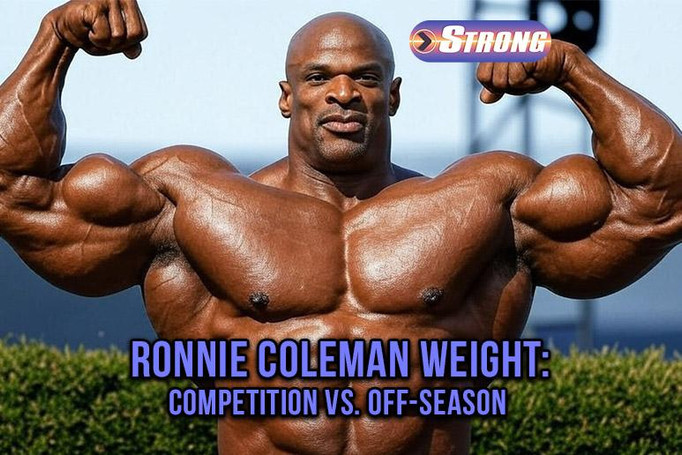
Ronnie Coleman’s health challenges stem directly from his training philosophy—lift as heavy as possible, push beyond limits, and never back down. This approach built the greatest physique in bodybuilding history but exacted a devastating physical toll.
The Root Cause: Years of training with weights that would make powerlifters nervous created:
- Spinal Stenosis: Narrowing of spaces in the spine, putting pressure on nerves
- Disc Herniation: Bulging or ruptured discs between vertebrae
- Vertebral Compression: Actual compression of spinal bones from loading
- Hip Joint Deterioration: Cartilage worn away from heavy squats and lunges
- Nerve Damage: Compressed nerves causing pain and mobility loss
Major Surgeries Timeline: While exact dates for all procedures aren’t public, Coleman’s surgical journey includes:
2007-2011: Initial back surgeries as pain became unbearable post-retirement 2014-2016: Multiple spinal fusion surgeries as initial procedures failed 2018: Double hip replacement surgery 2019-2020: Additional spine surgeries including disc replacements 2021-2023: Revision surgeries and ongoing procedures 2025: Heart procedure during sepsis treatment
Failed Procedures: One of Coleman’s most heartbreaking revelations is that some surgeries made things worse. Scar tissue from initial procedures created new problems. Hardware installed during fusions sometimes failed or shifted. This created a cycle: surgery to fix problems caused complications requiring more surgery.
In his documentary, Coleman discusses how some surgeons told him they’d never seen damage like his. The stress placed on his spine exceeded what bones and discs could handle long-term.
Current Physical State (2025): As of 2025, Coleman’s mobility situation is:
- Primary Mobility: Wheelchair or walker required
- Standing: Can stand for short periods with support
- Walking: Extremely limited, painful, requires assistance
- Upper Body: Still functional, can do seated exercises
- Pain Levels: Manages chronic pain daily with medications
Wheelchair and Mobility Issues
The most visible consequence of Coleman’s health challenges is his reliance on wheelchairs and walkers for mobility. For fans who remember him squatting 800 pounds, seeing “The King” in a wheelchair is jarring.
When Mobility Loss Began: Coleman’s mobility issues began gradually around 2014-2015 as surgeries accumulated. Initially, he could walk but with pain. Over time, standing and walking for extended periods became impossible. By 2020, he publicly acknowledged he could not walk without assistance.
The Wheelchair Reality: Coleman primarily uses:
- Electric Wheelchair: For longer distances and daily activities
- Manual Wheelchair: For shorter trips and when assistance is available
- Walker: When attempting to walk short distances
- Crutches: Occasionally, though less frequently
Psychological Impact: The psychological toll of losing mobility cannot be understated. Coleman went from being one of the strongest men alive to requiring assistance for basic tasks. In interviews, he’s shown remarkable positivity, but he’s also acknowledged the frustration and emotional difficulty.
His catchphrase “Ain’t nothin’ but a peanut” takes on new meaning—he’s minimizing massive challenges to maintain his sanity and optimism.
Daily Life Challenges: Loss of mobility affects everything:
- Personal Care: Assistance needed for activities many take for granted
- Travel: Wheelchair accessibility issues at airports, hotels, events
- Social Interactions: Different dynamics when sitting versus standing
- Independence: Relying on others for transportation and movement
- Professional Activities: Gym appearances and training others more difficult
Maintaining Fitness: Despite mobility limitations, Coleman still works out:
- Seated Exercises: Upper body training from wheelchair
- Pool Exercises: Water therapy allows movement without weight-bearing
- Physical Therapy: Ongoing sessions to maintain function
- Resistance Bands: Light training to keep muscles active
Videos of Coleman training from his wheelchair inspire fans. He proves that you can maintain a fitness mindset regardless of physical limitations.
Road to Recovery and Walking Again
Despite overwhelming challenges, Ronnie Coleman maintains an ambitious goal: walk unassisted by January 2027. This target drives his daily rehabilitation efforts and gives him purpose beyond past accomplishments.
The Recovery Protocol: Coleman’s recovery strategy includes:
1. Pool/Water Therapy: Water provides buoyancy, allowing Coleman to move without full weight-bearing. He works with physical therapists in pools, gradually rebuilding strength and neural pathways necessary for walking.
2. Physical Therapy: Multiple sessions weekly focusing on:
- Core strengthening to support spine
- Hip mobility and flexibility
- Leg strengthening exercises
- Balance and proprioception training
- Gait training and walking pattern relearning
3. Stem Cell Treatments: Coleman has explored stem cell therapy, which some believe can help repair damaged tissues. While results vary, Coleman remains optimistic about potential benefits.
4. Surgical Revisions: Some additional procedures may be necessary to optimize his physical structure for walking. However, each surgery carries risks, so decisions are made carefully.
5. Pain Management: Managing chronic pain is crucial for rehabilitation. Coleman works with pain specialists to find medication and therapy combinations allowing him to exercise without overwhelming discomfort.
6. Mental Training: Coleman emphasizes the mental aspect of recovery. He visualizes walking again, maintains positive self-talk, and refuses to accept permanent disability.
Progress Indicators: Coleman shares occasional updates showing:
- Standing for longer periods
- Taking assisted steps
- Reduced pain levels
- Increased strength and stability
- Better balance and coordination
The 2027 Timeline: Coleman’s goal of walking by January 2027 gives him:
- Concrete target to work toward
- Motivation during difficult rehabilitation
- Hope for a better quality of life
- Inspiration for fans facing similar challenges
Whether he achieves this goal remains uncertain. Some medical experts are skeptical given the extent of his injuries. However, Coleman has never been one to accept limitations—if willpower alone could make him walk, he’d already be sprinting.
June 2025 Sepsis Scare
Just when Coleman seemed to be making progress in his recovery, disaster struck in late June 2025 when he was diagnosed with life-threatening sepsis.
The Initial Symptoms: Coleman first showed symptoms during a meet-and-greet event and seminar with fans:
- Confusion and disorientation
- Repeating sentences over and over
- Extreme pain beyond his normal chronic discomfort
- Fever and chills
- Rapid heart rate
His 13-year-old daughter noticed something was seriously wrong and insisted he seek immediate medical attention—a decision that likely saved his life.
Emergency Hospitalization (June 30, 2025): Coleman canceled a scheduled appearance in the United Kingdom, posting: “Due to a medical emergency, I won’t be attending the event. But don’t worry—I’m getting the best care possible.”
He was rushed to a specialized medical facility where doctors discovered a bloodstream infection that had progressed to sepsis.
The Diagnosis (July 11, 2025): After nearly two weeks of uncertainty, Coleman’s family confirmed the sepsis diagnosis. The condition was life-threatening—sepsis causes widespread inflammation, can lead to organ failure, and kills millions globally each year.
Doctors managed the infection source and began direct treatment. Coleman also underwent a minimally invasive heart procedure to support his overall quality of life. Medical staff discovered his heart was functioning at only 20% capacity—a shocking revelation that explained some of his ongoing fatigue.
Fighting for His Life: Coleman described the experience as “one of the toughest fights of my life”—remarkable words from someone who endured 13+ surgeries. He was placed in a medically induced coma at times due to the confusion sepsis causes.
“Ya boy was hit with sepsis, and it nearly killed me,” Coleman stated in his first personal video update on July 15, 2025.
Susan’s Role: Throughout the crisis, wife Susan Williamson was by his side. Coleman credited her specifically: “I couldn’t have fought so hard without the love and support…especially my wife, Susan. Your prayers, your messages, and your belief in me gave me the strength when I needed it most.”
The Ronnie Strong Movement: During recovery, Coleman’s team launched #RonnieStrong—an initiative to:
- Support his recovery financially
- Raise awareness about sepsis
- Donate proceeds to Sepsis Alliance, the nation’s leading sepsis advocacy nonprofit
- Turn his difficult experience into education for others
T-shirts were sold for $35, with portions of proceeds supporting sepsis research and education.
Recovery and Return (August-September 2025): By August 2025, Coleman was back in the gym. In a video posted to his 12+ million Instagram followers, he was seen doing seated rows, captioned: “20 Easy Reps! Feels good to be back in the gym repping that Light Weight Baby.”
The fact that Coleman returned to training just weeks after nearly dying demonstrates his unbreakable spirit. His motto “It ain’t nothin’ but a peanut” applied even to sepsis.
Long-Term Impact: While Coleman survived, sepsis can have lasting effects:
- Potential organ damage (especially given his heart function at 20%)
- Increased susceptibility to future infections
- Additional recovery time needed
- Possible impact on his 2027 walking goal
However, true to form, Coleman remains optimistic and continues pushing forward.
Business Ventures
Ronnie Coleman Signature Series
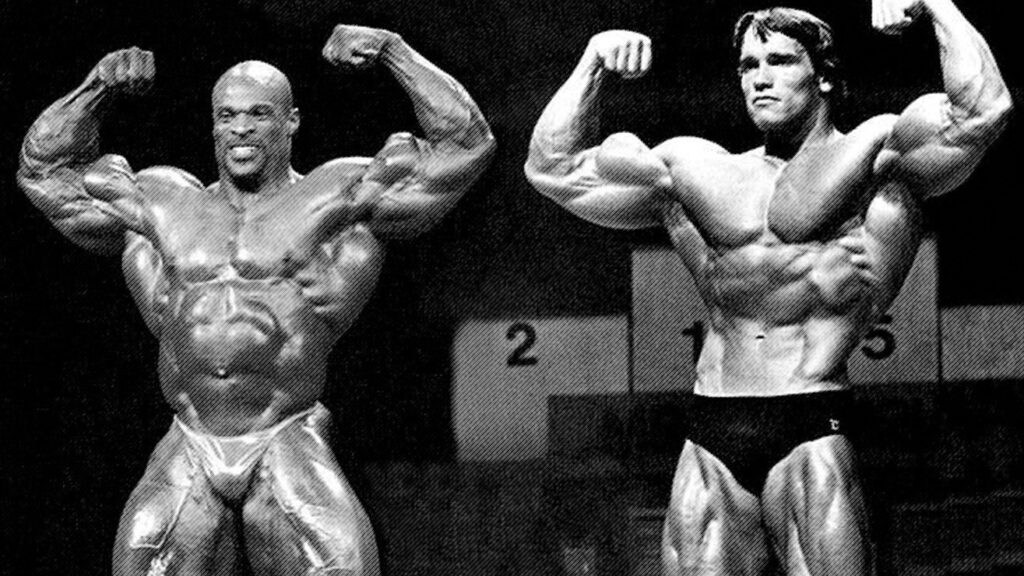
The Ronnie Coleman Signature Series (RCSS) supplement company represents Coleman’s most significant business venture and ongoing income source beyond competition and appearances.
Company Launch (circa 2011): Coleman launched his supplement line after recognizing that his brand recognition could translate into product sales. Unlike many celebrity-endorsed supplements where the athlete just lends their name, Coleman remained deeply involved in product development and company direction.
Product Line: RCSS offers a comprehensive range of supplements:
Protein Products:
- King Whey: Premium whey protein blend
- Iso-Tropic Max: Isolated whey protein
- King Mass XL: Mass gainer for bulking
Pre-Workout Formulas:
- Yeah Buddy: Named after his catchphrase
- Mr. Hyde: Intense pre-workout stimulant
Amino Acids:
- King Amino: Full-spectrum amino acid blend
- Resurrection: Recovery formula
Other Products:
- Fat burners and thermogenics
- Multi-vitamins
- Post-workout recovery
- Joint support formulas
Philosophy Behind Products: Coleman’s supplement philosophy mirrors his training philosophy: quality ingredients, effective dosages, and no cutting corners. He emphasizes that RCSS products are what he actually uses, not just products he slaps his name on for money.
Distribution: RCSS products are sold through:
- Official Ronnie Coleman website
- Bodybuilding.com and other online retailers
- Supplement stores worldwide
- International distributors in Europe, Middle East, Asia
Marketing Strategy: Coleman leverages his legendary status and social media presence:
- Personal endorsements on Instagram (12+ million followers)
- YouTube content featuring products
- Appearances at supplement retailers
- Expo booth presence at major bodybuilding events
- Testimonials from athletes using products
Financial Success: While exact revenue figures aren’t public, indicators suggest success:
- Consistent product availability and expansion
- International distribution growth
- Regular new product launches
- Sustained marketing investment
- Coleman’s ability to maintain lifestyle despite medical expenses
Many estimates suggest RCSS generates $500,000 to $2 million annually in revenue, though Coleman’s personal take after expenses, manufacturing, distribution, and staff costs would be a fraction of gross revenue.
Competition in Crowded Market: The supplement industry is saturated with celebrity brands. Coleman competes against products from:
- Other bodybuilding legends (Jay Cutler, Phil Heath)
- Active competitors launching brands
- Mainstream celebrity fitness brands
- Established supplement companies
Coleman’s advantages include:
- Unmatched competitive credentials (8x Olympia)
- Authentic lifetime association with hardcore training
- Loyal fanbase appreciating his story
- Reputation for honesty and integrity
Training Videos and Media
Beyond supplements, Coleman has generated income through various media ventures showcasing his training and philosophy.
Classic Training Videos: 1. “The Unbelievable” (2000)
- Documentary-style film showing Coleman’s training leading up to 2000 Mr. Olympia
- Features his legendary leg workouts, including famous 800-pound squats
- Shows daily life balancing police work and bodybuilding
- Became cult classic among bodybuilding fans
2. “The Cost of Redemption” (2003)
- Followed Coleman preparing for 2003 Olympia victory
- More produced and polished than earlier videos
- Showed maturation as a champion
- Featured rivalry with Jay Cutler
3. “Relentless”
- Later career training video
- Emphasized his never-quit attitude
- Showed training through injuries and pain
These videos sold thousands of copies through bodybuilding retailers and online platforms. Even years later, they generate passive income through streaming and digital sales.
YouTube Presence: Coleman’s official YouTube channel hosts:
- Classic training videos
- Recent workout footage from wheelchair
- Behind-the-scenes content
- Q&A sessions with fans
- Health updates and recovery videos
- Motivational content
With millions of subscribers and views, YouTube ad revenue provides steady income.
Netflix Documentary: “Ronnie Coleman: The King” (2018) Perhaps Coleman’s most impactful media project, this documentary:
- Told his complete story from childhood through retirement
- Featured emotional interviews about his health struggles
- Showed graphic footage of surgeries and recovery
- Provided intimate look at daily life post-competition
- Generated significant payment and revitalized interest in his career
The documentary introduced Coleman to new generations, expanded his fanbase beyond hardcore bodybuilding, and created licensing revenue through Netflix’s global distribution.
Social Media Content: Coleman’s Instagram (12+ million followers) and other platforms provide:
- Daily workout motivation
- Throwback training footage
- Current life updates
- Sponsored content income
- Engagement with fans worldwide
His authentic approach—showing both triumphs and struggles—resonates deeply with audiences.
Legacy and Impact
Greatest Bodybuilder of All Time
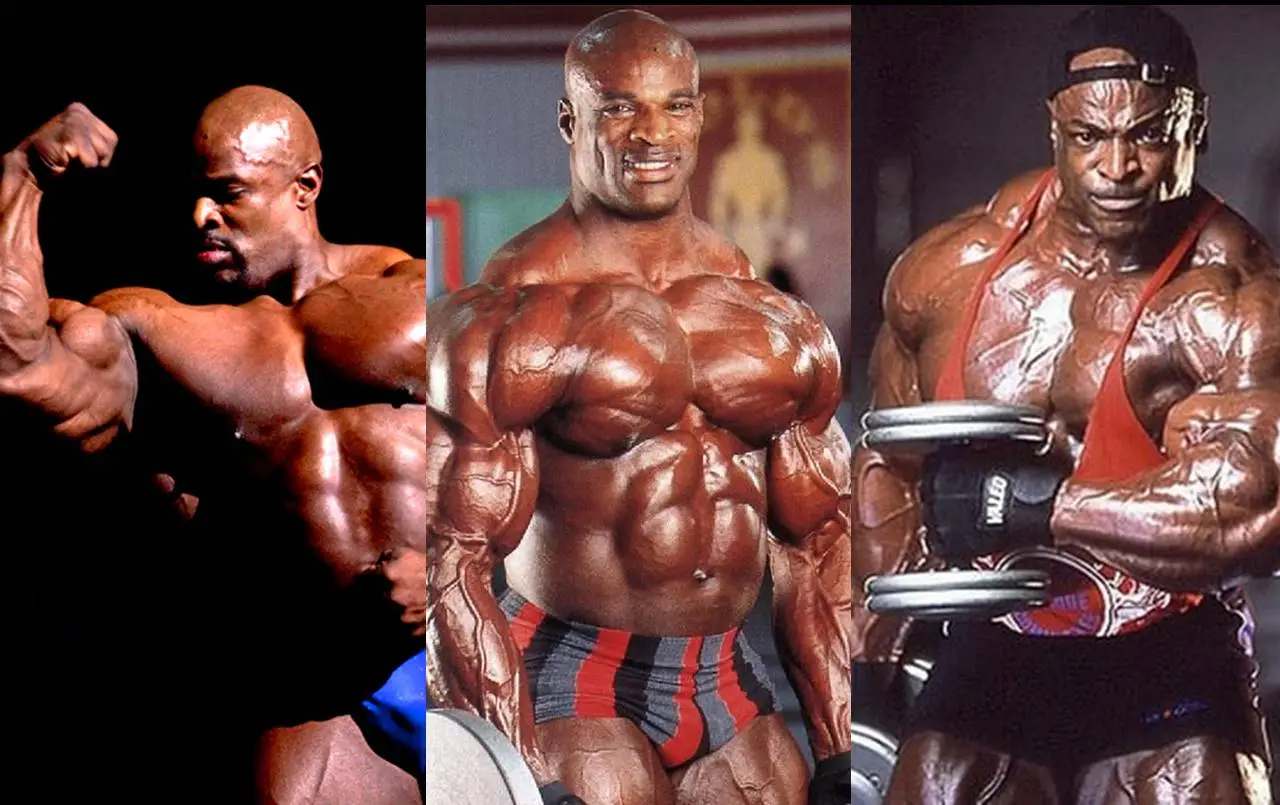
The debate over “greatest bodybuilder of all time” inevitably includes Ronnie Coleman, and many consider him the definitive answer.
The Case for Coleman: 1. Competitive Record:
- 8 Mr. Olympia titles (tied with Lee Haney for most all-time)
- 26 IFBB professional wins (record that may never be broken)
- Only reigning Mr. Olympia to win Arnold Classic (2001)
- Dominated against toughest competition of modern era
2. Physical Attributes:
- Unprecedented mass combined with shape and symmetry
- Best back in bodybuilding history (Christmas tree detail, width, thickness)
- Incredible leg development (quads, hamstrings, calves)
- Maintained aesthetic proportions despite extreme size
- Peak condition: 300 pounds on stage at 5’11”
3. Influence and Impact:
- Redefined what’s possible in bodybuilding size
- Inspired next generation: Phil Heath, Kai Greene, Big Ramy
- Made bodybuilding mainstream through personality
- Catchphrases became part of fitness culture
- Documentary brought sport to new audiences
The Competition: Arnold Schwarzenegger (7x Olympia):
- More commercially successful, became biggest star
- Dominated 1970s “golden era”
- Fewer competitive wins than Coleman
- Built bodybuilding into mainstream fitness culture
Lee Haney (8x Olympia):
- Shares record with Coleman for most Olympias
- Dominated 1980s-early 1990s
- Retired undefeated at peak
- Less flamboyant personality than Coleman
Phil Heath (7x Olympia):
- Modern era dominance (2011-2017)
- More aesthetically pleasing to some fans
- Fewer total wins than Coleman
- Defeated by Shawn Rhoden, ended reign
Dorian Yates (6x Olympia):
- Revolutionary mass and conditioning
- Changed sport’s direction toward size
- Retired due to injuries after dominating
- Fewer titles than Coleman, Arnold, Haney
The Verdict: While subjective, Coleman often edges out as GOAT because he:
- Matched Haney’s Olympia record
- Demolished competition in record number of other shows
- Did it against strongest era of competitors
- Combined size, shape, and personality perfectly
- Maintained dominance for eight consecutive years
His only real competition for GOAT status is Lee Haney, and debates between Coleman and Haney fans can be passionate. However, Coleman’s 26 total pro wins versus Haney’s fewer victories gives Coleman a slight statistical edge.
Cultural Impact and Catchphrases
Beyond competition, Ronnie Coleman’s cultural impact through his personality and catchphrases transcends bodybuilding.
“Yeah Buddy!” Coleman’s signature expression of enthusiasm became:
- Motivational catchphrase repeated in gyms worldwide
- Social media hashtag with millions of uses
- Title of his pre-workout supplement
- Symbol of positive attitude and attacking challenges
- Reference point in fitness culture
“Light Weight Baby!” Said while lifting weights that would crush most people, this phrase represented:
- Coleman’s mental approach to minimizing obstacles
- Humor and humility despite incredible strength
- Making difficult things seem achievable
- Now used ironically and seriously in fitness contexts
“Ain’t Nothin’ But a Peanut!” Coleman’s response to overwhelming challenges:
- Philosophy of refusing to be intimidated
- Minimizing problems to maintain confidence
- Applies to workouts, life struggles, health battles
- Became rallying cry during his sepsis recovery
Mainstream Recognition: Coleman’s catchphrases reached beyond bodybuilding:
- Referenced in mainstream fitness content
- Used by athletes in other sports
- Quoted in motivational contexts outside fitness
- Recognized even by people unfamiliar with bodybuilding
Personality-Driven Success: Unlike some champions who remained stoic, Coleman’s infectious positivity made him beloved. His willingness to:
- Show emotions and vulnerability
- Joke and laugh during brutal workouts
- Engage authentically with fans
- Maintain humility despite dominance
- Share struggles openly
These traits made him relatable despite superhuman achievements.
Influence on Modern Bodybuilding
Ronnie Coleman’s influence on bodybuilding extends to how the sport is practiced, judged, and perceived.
Size Standards: Coleman pushed size limits, proving that 300 pounds on stage with conditioning was possible. This influenced:
- Phil Heath: Modern champion who carried Coleman-level size
- Big Ramy: Egyptian champion who exceeded even Coleman’s mass
- Judging Criteria: Size became increasingly important
- Training Philosophy: Heavier weights became more common
Training Intensity: Coleman’s heavy lifting approach influenced countless athletes to:
- Push weight limits previously considered unsafe
- Adopt high-intensity training methods
- Use free weights over machines
- Train with maximum effort, not just adequate effort
Work Ethic Standard: Coleman set new standards for dedication:
- Training twice daily while working full-time
- Never missing workouts regardless of circumstances
- Pushing through pain and fatigue
- Maintaining consistency over many years
Accessibility: Coleman made bodybuilding more accessible by:
- Filming and sharing training videos
- Engaging directly with fans at expos
- Sharing his exact routines and methods
- Being approachable despite legendary status
- Using social media to connect globally
Modern Champion Comparisons: Every Mr. Olympia since Coleman’s retirement has been compared to him:
- Jay Cutler (2006-2010): Finally defeated Coleman’s era
- Phil Heath (2011-2017): Compared constantly to Coleman’s physique
- Shawn Rhoden (2018): One-year champion
- Brandon Curry (2019): Brief reign
- Big Ramy (2020-2021): Most Coleman-like in size
- Hadi Choopan (2022+): Different era, different style
International Impact: Coleman’s success inspired global bodybuilding growth:
- Middle Eastern athletes entering sport
- African athletes seeing representation
- European bodybuilding expansion
- Social media making training wisdom globally accessible
Recent Updates 2025
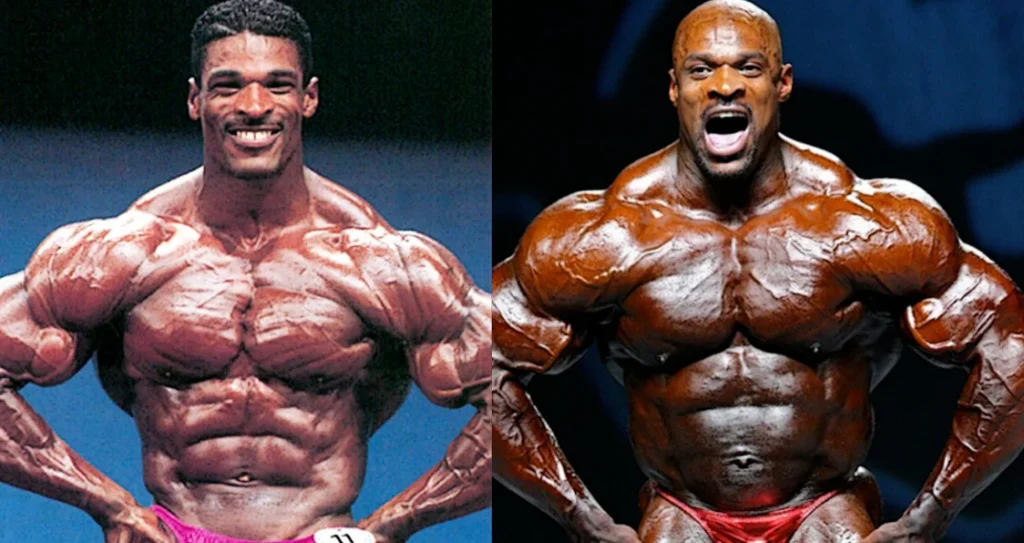
As of December 2025, several significant developments mark Coleman’s current status:
Health Status Post-Sepsis:
- Successfully recovered from life-threatening June-July 2025 sepsis
- Returned to gym training by August 2025
- Continuing physical therapy toward 2027 walking goal
- Heart function remains concern (20% capacity revealed)
- Managing chronic pain but maintaining positive outlook
Ronnie Strong Movement:
- Ongoing campaign raising sepsis awareness
- Partnership with Sepsis Alliance continues
- Merchandise sales supporting cause
- Coleman using platform to educate about sepsis symptoms
- Has done multiple interviews discussing the experience
Business Activities:
- Ronnie Coleman Signature Series continues operating
- Regular supplement launches and product updates
- Maintains presence at major fitness expos when health permits
- Social media engagement remains strong (12+ million Instagram followers)
Family Life:
- Marriage to Susan Williamson remains strong
- Daughters growing up, oldest now teenager who saved his life
- Family maintaining relative privacy while supporting his public activities
- Susan actively involved in managing his health and business affairs
Media Presence:
- Active on Instagram, YouTube, and other platforms
- Continuing to share recovery journey and motivation
- Netflix documentary “The King” still introducing new fans to his story
- Regular podcast appearances and interviews
Walking Progress:
- Still pursuing goal to walk unassisted by January 2027
- Continuing pool therapy and physical rehabilitation
- Small improvements noted but significant challenges remain
- Remains optimistic despite medical skepticism
Community Involvement:
- Mentor to young bodybuilders
- Advocate for fitness and health despite limitations
- Speaker on perseverance and overcoming adversity
- Example of maintaining positivity through hardship
FAQs About Ronnie Coleman
How old is Ronnie Coleman in 2025?
Ronnie Coleman is 61 years old in 2025, having been born on May 13, 1964, in Monroe, Louisiana. He remains active in the bodybuilding community and on social media despite facing significant mobility challenges from years of extreme training and multiple surgeries.
What is Ronnie Coleman’s net worth in 2025?
Ronnie Coleman’s net worth is estimated at approximately $2 million in 2025. While he earned millions during his competitive career and through his supplement company, Coleman has spent over $2 million on medical expenses including 13+ major surgeries on his back, hips, and spine.
How many Mr. Olympia titles did Ronnie Coleman win?
Ronnie Coleman won 8 consecutive Mr. Olympia titles from 1998 through 2005, tying the record held by Lee Haney. Coleman also holds the record for most IFBB professional wins with 26 victories, cementing his status as one of bodybuilding’s greatest champions.
Can Ronnie Coleman still walk?
As of 2025, Ronnie Coleman cannot walk unassisted and primarily uses a wheelchair or walker for mobility. However, he’s actively working toward a goal of walking independently by January 2027 through intensive physical therapy, pool exercises, and rehabilitation efforts.
Who is Ronnie Coleman’s wife?
Ronnie Coleman is married to Susan Williamson, whom he wed in April 2016. Susan has been crucial in supporting Coleman through multiple surgeries and his 2025 sepsis battle. Coleman was previously married to Rouaida Christine Achkar from 2007-2008.
What happened to Ronnie Coleman in June 2025?
In June 2025, Ronnie Coleman was hospitalized with life-threatening sepsis, a bloodstream infection that causes widespread inflammation and can lead to organ failure. His 13-year-old daughter recognized symptoms and insisted he seek help, likely saving his life. Coleman recovered after intensive treatment and launched the “Ronnie Strong” campaign to raise sepsis awareness.
really Was Ronnie Coleman really a police officer?
Yes, Ronnie Coleman worked as a police officer for the Arlington Police Department in Texas from 1989 to 2000, then served as a reserve officer until 2003. He worked full-time as an officer while training twice daily and competing in bodybuilding, often describing police work as his “dream job.”
What are Ronnie Coleman’s famous catchphrases?
Ronnie Coleman’s most famous catchphrases are “Yeah buddy!” (expression of enthusiasm), “Light weight baby!” (said while lifting impossibly heavy weights), and “Ain’t nothin’ but a peanut!” (minimizing challenges). These phrases became part of fitness culture worldwide and represent his positive, never-quit mentality.
How much could Ronnie Coleman lift?
Ronnie Coleman’s legendary strength included an 800-pound squat for 2 reps (one of bodybuilding’s most famous videos), 800-pound deadlift for reps, 495-pound bench press, and 2,300-pound leg press. His philosophy of lifting extremely heavy weights built his record-breaking physique but also contributed to his current mobility issues.
Does Ronnie Coleman have children?
Yes, Ronnie Coleman has four daughters, including Valencia Daniel and Jamilleah. His 13-year-old daughter is credited with saving his life during his June 2025 sepsis crisis by recognizing concerning symptoms and insisting he seek immediate medical attention. Coleman keeps his children largely out of the public spotlight.
What is the Ronnie Coleman Signature Series?
The Ronnie Coleman Signature Series (RCSS) is Coleman’s supplement company, launched around 2011, offering protein powders, pre-workouts (including “Yeah Buddy” pre-workout), amino acids, fat burners, and other bodybuilding supplements. The company represents his most significant ongoing business venture and income source beyond competition earnings.
Conclusion
Ronnie Coleman’s journey from Monroe, Louisiana, to becoming bodybuilding royalty epitomizes the American dream powered by unrelenting determination.
At 61 years old in 2025, “The King” remains a towering figure in fitness culture—not despite his challenges, but because of how he’s faced them with the same “Yeah buddy!” spirit that won him eight consecutive Mr. Olympia titles.
His story transcends bodybuilding. Coleman was a police officer who served his community while building the greatest physique the sport has ever seen.
He worked full-time protecting citizens while training twice daily, eating six meals from Tupperware in patrol cars, and somehow finding energy to push 800-pound squats at Metroflex Gym.
This work ethic—forged in his Louisiana upbringing and honed through college football at Grambling State—became his trademark.
Coleman’s competitive achievements speak for themselves: 8 Mr. Olympia championships tying Lee Haney’s legendary record, 26 IFBB professional victories that may never be equaled, and the only instance of a reigning Mr. Olympia winning the Arnold Classic.
He dominated the golden era of bodybuilding from 1998-2005, defeating legends like Flex Wheeler, Kevin Levrone, and engaged in the sport’s greatest modern rivalry with Jay Cutler.