
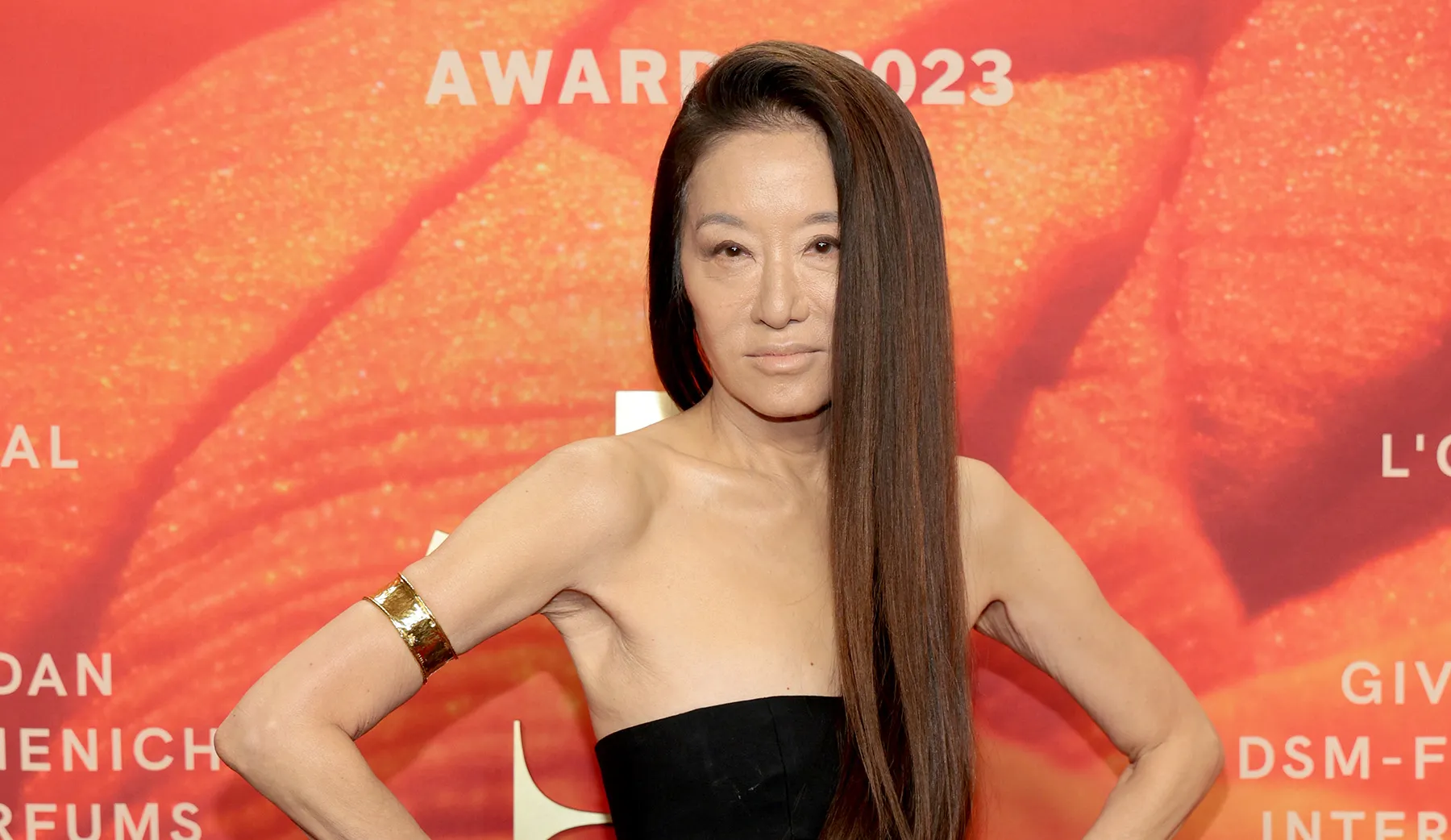
Vera Wang age has become one of the most fascinating topics in fashion and beauty circles, as the legendary designer continues to defy time at 76 years old.
Born on June 27, 1949, in New York City, this Chinese American fashion designer has built an empire that revolutionized the bridal industry while maintaining an appearance that consistently stuns fans worldwide.
From her early days as a competitive figure skater to becoming one of the world’s most successful fashion designers, Vera Wang’s journey is a testament to perseverance, creativity, and the power of reinvention.
At an age when most people are well into retirement, Vera Wang remains at the forefront of the fashion industry, serving as Chief Creative Officer of her brand following its acquisition by WHP Global in December 2024.
Her youthful appearance has sparked countless internet discussions, with many struggling to believe she’s in her mid-seventies.
But beyond her ageless looks lies a remarkable career story—one that began at age 40 when she launched her bridal brand after years in fashion journalism and design.
This comprehensive guide explores everything you need to know about Vera Wang: her age and the beauty secrets behind her timeless appearance, her extraordinary career journey from Vogue editor to fashion mogul, her personal life including her marriage to Arthur Becker and their two daughters, and her impressive net worth estimated at $650 million.
Whether you’re a bride-to-be searching for the perfect wedding gown designer, a fashion enthusiast, or simply curious about this remarkable woman, you’ll discover why Vera Wang remains one of the most influential figures in contemporary fashion.
Table of Contents
Quick Facts About Vera Wang
| Category | Details |
|---|---|
| Full Name | Vera Ellen Wang |
| Date of Birth | June 27, 1949 |
| Age | 76 years old (as of December 2025) |
| Birthplace | New York City, New York, USA |
| Zodiac Sign | Cancer ♋ |
| Nationality | American |
| Ethnicity | Chinese American |
| Height | 5 feet 3 inches (160 cm) |
| Profession | Fashion Designer, Businesswoman |
| Famous For | Bridal Gown Design, Wedding Dresses |
| Years Active | 1971 – Present (50+ years) |
| Education | Sarah Lawrence College (Art History), Sorbonne Paris |
| Parents | Cheng Ching Wang (father), Florence Wu (mother) |
| Marital Status | Divorced (2012) |
| Ex-Husband | Arthur Becker (married 1989-2012) |
| Children | 2 adopted daughters – Cecilia (33) and Josephine (30) |
| Career Start | Vogue Magazine, 1971 (age 22) |
| Brand Launch | 1990 (age 40) |
| Current Role | Chief Creative Officer, Vera Wang Group |
| Brand Owner | WHP Global (acquired December 2024) |
| Net Worth | Approximately $630-650 Million USD |
| Instagram Followers | 2.7 Million+ |
| Headquarters | New York City, New York |
| Signature Style | Modern elegance meets traditional sophistication |
| Notable Achievement | U.S. Figure Skating Hall of Fame inductee (2009) |
How Old is Vera Wang?
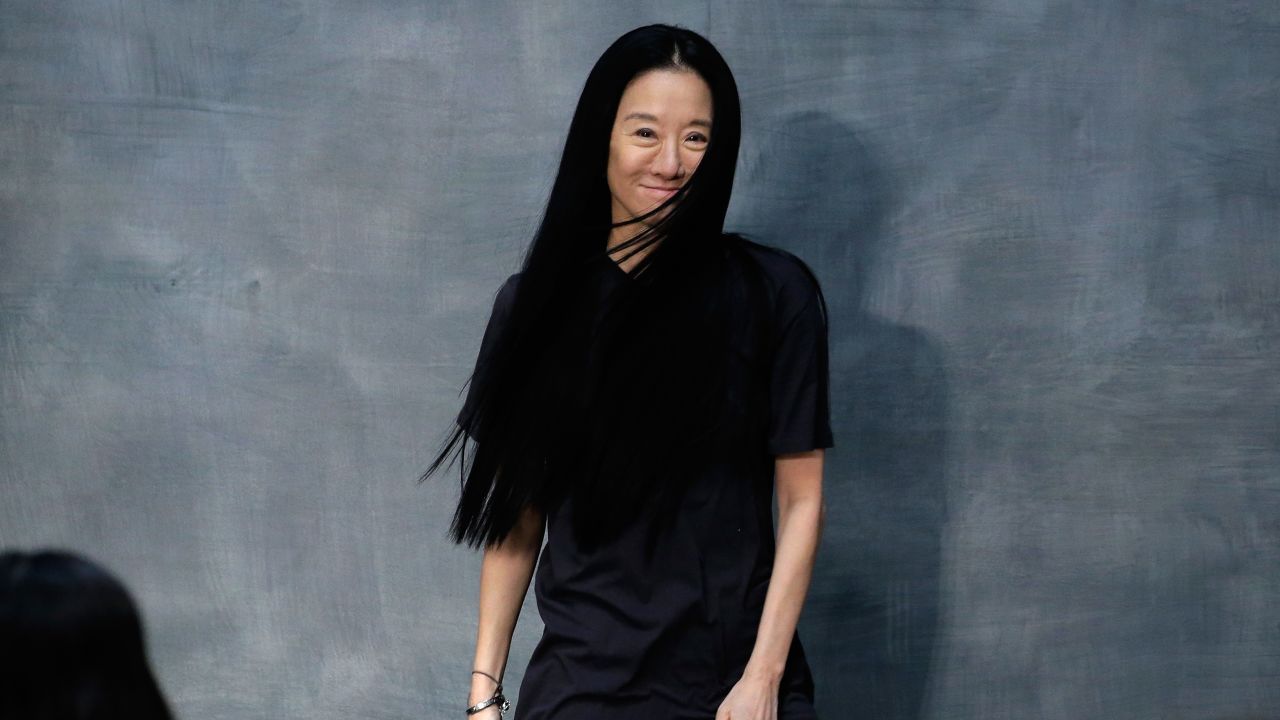
Vera Wang is currently 76 years old, having been born on June 27, 1949, in New York City, New York. As of December 2025, she continues to work actively in the fashion industry, defying expectations about age and retirement.
Her zodiac sign is Cancer, which astrologers associate with creativity, intuition, and emotional depth—traits that certainly align with her artistic career.
What makes Vera Wang’s age particularly noteworthy is not just the number itself, but how dramatically she challenges conventional expectations about aging.
The fashion designer regularly breaks the internet with social media posts showing her youthful appearance, leading many to question whether she’s discovered the fountain of youth.
At 76, she maintains the energy, appearance, and creative drive of someone decades younger.
Born in the post-World War II era, Vera Wang belongs to the Baby Boomer generation—a cohort known for redefining traditional life stages and challenging age-related stereotypes.
True to her generation’s spirit, Wang didn’t launch her eponymous brand until she was 40 years old, proving that success can come at any age and that midlife can be a beginning rather than a decline.
Her June 27th birthday celebrations have become annual events that showcase her timeless style.
In June 2025, she celebrated her 76th birthday with an elegant party at Le Relais Plaza in Paris, wearing a chic little black dress that perfectly embodied her signature sophisticated aesthetic.
The celebration, attended by fashion industry insiders and friends, reinforced her status as an ageless icon whose influence spans multiple generations.
Perhaps most remarkably, Vera Wang started her fashion empire at an age when many people might consider their career peak already past.
She was 40 when she opened her first bridal boutique in 1990, proving that it’s never too late to pursue your dreams or reinvent yourself.
This late-bloomer success story has inspired countless women to embrace new opportunities regardless of their age, making Vera Wang not just a fashion icon but a role model for age-defying ambition.
Early Life and Background
Vera Ellen Wang was born into privilege and opportunity on June 27, 1949, in the heart of Manhattan, New York City.
Her story is quintessentially American—the daughter of Chinese immigrants who built successful lives in their adopted country, providing their children with every advantage while instilling strong cultural values and an unwavering work ethic.
Childhood and Chinese Heritage
Vera Wang’s parents, Cheng Ching Wang and Florence Wu, emigrated from China and established themselves in New York’s elite social circles.
Her father owned a successful medicine company, while her mother worked as a translator for the United Nations.
The family’s affluence meant Vera grew up in one of Manhattan’s most prestigious neighborhoods—the Upper East Side—where she was exposed to art, culture, and sophistication from an early age.
Growing up as a Chinese American in the 1950s and 1960s presented both opportunities and challenges. While her family’s wealth opened doors, Vera also navigated the complexities of straddling two cultures.
Her parents ensured she understood and appreciated her Chinese heritage while simultaneously embracing American culture and opportunities.
This bicultural upbringing would later influence her design aesthetic, which seamlessly blends Eastern elegance with Western modernity.
Vera attended the Chapin School, one of New York City’s most elite all-girls private schools, where she received a rigorous education alongside the daughters of New York’s most prominent families.
The school’s emphasis on academic excellence, arts, and social responsibility shaped her worldview and prepared her for future success.
She also trained at the prestigious School of American Ballet, developing the discipline and artistic sensibility that would later inform her design work.
After completing high school, Vera enrolled at Sarah Lawrence College, a liberal arts institution known for fostering creativity and independent thinking.
During her sophomore year, she studied abroad at the Sorbonne in Paris—an experience that exposed her to European fashion and haute couture.
While she didn’t initially plan to become a fashion designer, her time in Paris planted seeds that would later blossom into her career.
She graduated with a degree in art history, a field that would prove invaluable in understanding design principles, aesthetics, and the cultural significance of fashion.
Vera’s privileged upbringing wasn’t simply about material comfort—it was about access to experiences, education, and cultural exposure that shaped her sophisticated aesthetic.
Her parents’ success story as immigrants also instilled in her a strong work ethic and the understanding that achievement requires dedication and persistence.
These values would prove essential when she launched her own brand at age 40, facing the challenges of building a business from scratch.
Figure Skating Career
Before Vera Wang became synonymous with wedding gowns and red carpet glamour, she harbored Olympic dreams as a competitive figure skater.
She began skating at age six, and by her teenage years, she was training seriously with aspirations of representing the United States at the Olympics.
Figure skating taught Vera invaluable lessons about discipline, dedication, and the pursuit of perfection—qualities that would later define her approach to fashion design.
She trained intensively, balancing her academic studies at Chapin with grueling practice sessions on the ice.
The sport required not just athletic ability but also artistry, musicality, and an understanding of costume and presentation—all elements that would resurface in her fashion career.
In 1968, at age 18 or 19, Vera and her pairs skating partner, James Stuart, competed in the U.S. National Figure Skating Championships.
They placed fifth in the junior pairs competition—a respectable showing but not enough to secure a path to the Olympics. This disappointment forced Vera to reckon with a difficult reality: she wouldn’t achieve her Olympic dreams.
Rather than view this as a failure, Vera eventually came to see her figure skating career as foundational to her future success. The sport had taught her about performance, presentation, and the importance of costume in creating a complete artistic vision.
It had shown her how clothing could enhance movement and beauty. And perhaps most importantly, it had taught her resilience—the ability to face disappointment and redirect her energy toward new goals.
Decades later, Vera Wang would return to figure skating, not as a competitor but as a designer. She created stunning performance costumes for Olympic and world champion skaters including Nancy Kerrigan, Michelle Kwan, and Evan Lysacek.
Her costumes combined the athleticism required for high-level competition with the artistic beauty that judges and audiences appreciated.
The skating world recognized her contributions by inducting her into the U.S. Figure Skating Hall of Fame in 2009—a full-circle moment that validated both her skating past and her design present.
Vera Wang’s Career Journey
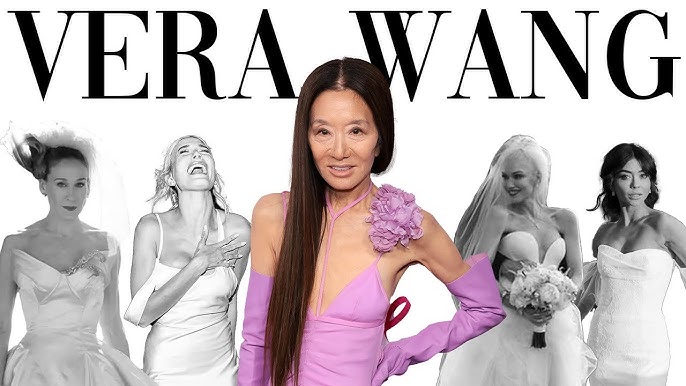
Vera Wang’s career trajectory is anything but conventional. Unlike many fashion designers who pursue their passion from adolescence, Vera took a circuitous path that included seventeen years in fashion journalism and design before launching her eponymous brand at age 40.
This unconventional timeline makes her story particularly inspiring—proof that success doesn’t have a deadline and that diverse experiences can inform and enrich creative work.
From Vogue Editor to Ralph Lauren
Upon graduating from Sarah Lawrence College in 1971, Vera Wang entered the fashion industry through its editorial side, landing a position at Vogue magazine.
At just 22 years old, she joined one of the world’s most prestigious fashion publications, where she would spend the next 17 years learning every aspect of the fashion business.
Within a year of joining Vogue, Vera’s talent and work ethic earned her a promotion to senior fashion editor at age 23—an impressive achievement that reflected her understanding of fashion, trends, and visual storytelling.
As senior fashion editor, she worked alongside legendary Vogue editor-in-chief Anna Wintour and other fashion luminaries, developing relationships that would prove valuable throughout her career.
During her 15-year tenure as senior fashion editor, Vera traveled the world covering fashion weeks in Paris, Milan, London, and New York.
She worked with the industry’s top photographers, models, and designers, developing a sophisticated understanding of what made fashion innovative, wearable, and commercially successful.
She learned to spot trends before they emerged, to understand the business side of fashion houses, and to appreciate how design, marketing, and brand identity worked together.
However, despite her success and the prestige of her position, Vera harbored ambitions beyond fashion journalism.
In 1987, after 17 years at Vogue, she made a bold career move, leaving the magazine to join Ralph Lauren as a design director for accessories.
This transition from editorial to design represented a significant pivot—she was no longer just writing about and styling fashion; she was creating it.
At Ralph Lauren, Vera worked on accessories design, learning the practical aspects of product development, manufacturing, retail strategy, and brand building.
Ralph Lauren himself became an important mentor, teaching her about building a lifestyle brand rather than simply designing clothes.
She observed how Lauren had created an entire aspirational world around his designs, encompassing everything from clothing to home goods. This holistic approach to brand building would later inform her own business strategy.
The two years at Ralph Lauren provided Vera with hands-on design experience and business acumen that complemented her editorial background.
By 1989, at age 40, she had accumulated nearly two decades of fashion industry experience from multiple angles—editorial, styling, design, and business. She was ready to launch her own venture, though the catalyst would come from a surprisingly personal source.
Starting Her Own Brand at Age 40
In 1989, Vera Wang married Arthur Becker, a computer executive, in a lavish New York ceremony. Like millions of brides before her, Vera embarked on the search for the perfect wedding gown—but unlike most brides, she brought years of fashion expertise and refined aesthetic sensibilities to the hunt.
What she found frustrated her deeply: the bridal industry offered either conservative, traditional gowns that felt dated or avant-garde designs that weren’t wearable or appropriate for weddings.
Unable to find a dress that matched her vision, Vera did what any fashion-trained bride with resources might do—she designed her own.
She sketched an elegant, modern gown that balanced sophistication with tradition and commissioned a dressmaker to create it at a cost of $10,000 (approximately $25,000 in today’s dollars).
The experience was both personally satisfying and professionally eye-opening. She recognized a massive gap in the bridal market: where were the designer wedding gowns for modern, sophisticated women?
This realization, combined with encouragement from her father, led Vera to make a bold decision. In 1990, at age 40—when many professionals consider themselves settled in their careers—she opened the Vera Wang Bridal House Ltd. in the iconic Carlyle Hotel on Madison Avenue in New York City.
Her father provided financial backing, believing in his daughter’s vision even as she entered the notoriously difficult business of launching a fashion brand.
Initially, Vera’s boutique didn’t carry her own designs. Instead, she curated collections from prestigious European designers including Guy Laroche, Arnold Scaasi, Carolina Herrera, and Christian Dior.
This strategy served multiple purposes: it established her boutique as a destination for luxury bridal wear, it generated revenue while she developed her own designs, and it allowed her to study what worked and what didn’t in high-end bridal fashion.
Over the next few years, Vera honed her design skills, learning about construction, fabric selection, and what made wedding gowns both beautiful and functional.
She sketched, experimented with silhouettes, and developed a signature aesthetic: streamlined sophistication that enhanced rather than overwhelmed the bride.
Her designs featured clean lines, luxurious fabrics, meticulous construction, and subtle details that revealed themselves upon closer inspection.
By the mid-1990s, Vera was ready to launch her signature collection. Her timing proved perfect—she filled a void in the market for modern, sophisticated bridal wear that appealed to educated, style-conscious brides who wanted to look elegant rather than frilly on their wedding day.
Word spread quickly among New York’s elite, and soon celebrities and socialites were calling to book appointments at her Madison Avenue boutique.
Starting her brand at 40 became central to Vera Wang’s identity and appeal. She embodied the message that it’s never too late to pursue your dreams, that diverse experiences enrich creative work, and that maturity can be an advantage rather than a limitation.
Her late-bloomer success story resonated with women who felt pressure about age-related timelines and inspired countless people to embrace new beginnings regardless of their age.
Bridal Gown Empire Success
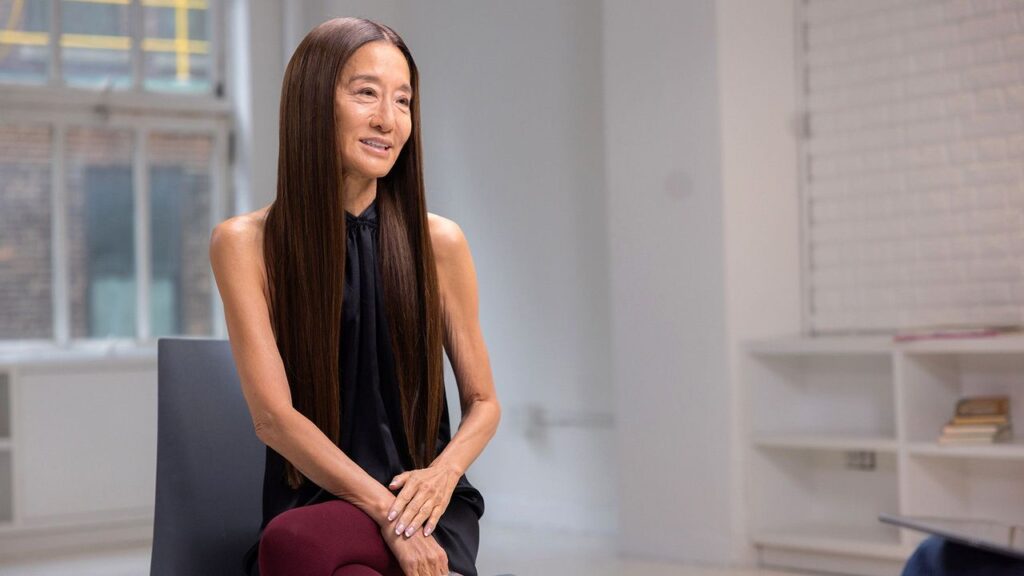
Vera Wang’s bridal designs revolutionized the wedding dress industry.
Before Vera, wedding gowns largely fell into two categories: traditional princess-style dresses with puffy sleeves and voluminous skirts, or avant-garde designs that prioritized artistic expression over wearability.
Vera introduced a third option: sophisticated, modern elegance that made brides look like the best version of themselves.
Her signature aesthetic featured several distinctive elements:
- Clean, Modern Silhouettes: Unlike the over-embellished gowns popular in the 1980s and early 1990s, Vera’s designs emphasized sleek lines and streamlined shapes that flattered the body rather than overwhelming it.
- Luxurious Fabrics: She used the finest materials—silk organza, duchess satin, Italian tulle, French lace—ensuring her gowns felt as good as they looked.
- Meticulous Construction: Each gown featured impeccable tailoring and construction, with attention to details invisible to the casual observer but essential to how the dress fit and moved.
- Subtle Drama: Rather than obvious embellishments, Vera incorporated drama through unexpected details—a plunging back, an asymmetrical neckline, a chapel train in contrasting fabric, or hand-applied beading in surprising locations.
- Timeless Elegance: Her designs transcended trends, ensuring brides wouldn’t look dated when viewing their wedding photos years later.
This aesthetic attracted a particular clientele: educated, sophisticated women who wanted to look elegant and timeless on their wedding day. Celebrities quickly embraced Vera Wang designs, providing publicity that money couldn’t buy.
High-profile brides including Victoria Beckham, Alicia Keys, Kim Kardashian (for one of her weddings), Ivanka Trump, Chelsea Clinton, Mariah Carey, and countless Hollywood actresses walked down the aisle in Vera Wang creations.
Each celebrity wedding generated media coverage showcasing Vera’s designs to millions of potential customers. Fashion magazines featured her gowns regularly, and she became the answer to the question “Who are you wearing?” at countless weddings.
The Vera Wang Bridal House became New York’s premiere destination for luxury wedding gowns, with appointments booked months in advance.
By the late 1990s and early 2000s, “Vera Wang” had become synonymous with bridal elegance. Her name recognition rivaled that of any fashion designer, and her impact on the bridal industry was undeniable.
She had elevated wedding dress design from craft to art, transforming how brides thought about their wedding day attire.
Business Expansion and Licensing Deals
While bridal gowns established Vera Wang’s reputation, she recognized that limiting her brand to wedding dresses would constrain growth potential.
Throughout the 2000s and 2010s, she strategically expanded into multiple product categories and price points, building a comprehensive lifestyle brand.
- Evening Wear and Ready-to-Wear: Vera launched elegant evening wear collections that extended her sophisticated aesthetic beyond bridal. These gowns became red carpet staples, worn by celebrities to film premieres, award shows, and gala events. She later added ready-to-wear collections featuring luxurious everyday pieces.
- Fragrance: In 2001, Vera introduced her first fragrance, entering the lucrative perfume market. The fragrance line has since expanded to include multiple scents for women and men, generating significant revenue through department store distribution.
- Simply Vera (Kohl’s): Perhaps her most democratizing move came in 2006 when Vera partnered with Kohl’s department stores to launch Simply Vera—an affordable ready-to-wear line that brought her aesthetic to middle-market consumers. This collaboration made Vera Wang accessible to millions who couldn’t afford her couture creations while significantly expanding her brand reach and revenue.
- White by Vera Wang (David’s Bridal): She partnered with David’s Bridal, America’s largest bridal retailer, to create White by Vera Wang—a more accessible bridal line that brought her design sensibility to budget-conscious brides. This partnership alone has sold millions of wedding dresses, making Vera Wang the designer of more American brides’ dresses than perhaps any other designer in history.
- Jewelry (Zales): A licensing partnership with Zales jewelry stores brought Vera Wang-designed engagement rings and wedding bands to consumers nationwide, creating another accessible entry point into her brand.
- Men’s Wear (Men’s Wearhouse): She expanded into menswear through a partnership with Men’s Wearhouse, offering grooms and groomsmen coordinated formal wear options.
- Home Products: The Vera Wang brand extended to bedding, tableware, home décor, and other lifestyle products, available through retailers like Wedgwood and Waterford.
- Beauty and Cosmetics: Additional licensing deals brought Vera Wang-branded cosmetics, skincare, and beauty products to market.
These expansion strategies demonstrated Vera’s business acumen. While maintaining the prestige of her high-end bridal and evening wear, she created multiple revenue streams at various price points, ensuring brand accessibility without diluting its luxury positioning.
The licensing model allowed her to generate income from product categories where she had limited manufacturing expertise, while partners benefited from association with her prestigious name.
By 2018, her company reportedly generated approximately $630 million in annual revenue across all product categories and licensing deals—an impressive figure for a brand that started in a single boutique less than three decades earlier.
2024 Brand Sale to WHP Global
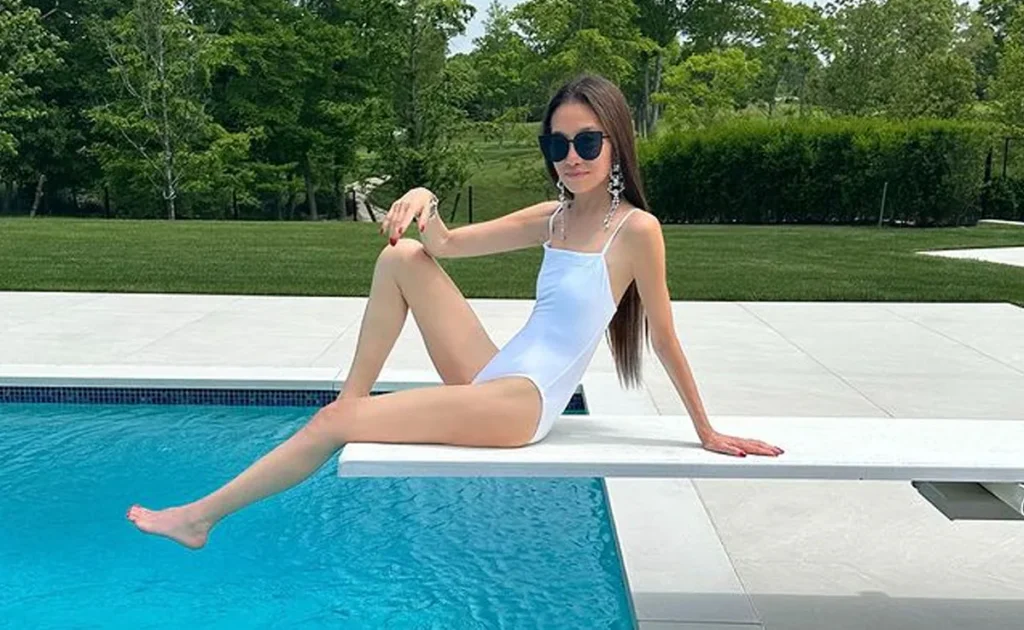
In December 2024, Vera Wang made headlines with a significant business decision: she sold her company to WHP Global, a brand management company owned by Yehuda Shmidman.
While financial terms weren’t publicly disclosed, industry analysts estimated the acquisition value in the hundreds of millions of dollars, potentially exceeding $400 million.
The sale to WHP Global represents an evolution rather than an exit for Vera. As part of the acquisition agreement, she retained a significant equity stake in the business and continues serving as Chief Creative Officer—ensuring her vision and aesthetic remain central to the brand bearing her name.
This structure allows Vera, now 76, to maintain creative control while benefiting from WHP Global’s operational expertise, manufacturing relationships, and retail distribution networks.
WHP Global, which also owns brands like Toys “R” Us and Joseph Abboud, brings substantial resources to support Vera Wang’s continued expansion.
The company announced plans to grow the Vera Wang brand globally, expanding into new markets particularly in Asia, where her Chinese American heritage creates unique appeal and brand positioning opportunities.
For Vera personally, the sale provides financial security while allowing her to continue working in the creative capacity she loves. Rather than managing day-to-day business operations—inventory management, financial planning, retail negotiations—she can focus on design, creative direction, and brand vision.
It’s an ideal arrangement for a 76-year-old designer who remains passionate about creativity but may appreciate delegating operational headaches.
The acquisition also ensures her legacy. Rather than the brand potentially declining or fragmenting after her eventual retirement, the WHP Global partnership positions Vera Wang to continue thriving for decades, potentially outlasting its founder much like brands such as Chanel, Dior, and Saint Laurent have continued flourishing long after their namesake designers passed.
Personal Life and Family
While Vera Wang’s professional achievements are well-documented, her personal life has been more private, though not without public interest.
Her marriage, motherhood journey, and eventual divorce have all unfolded partially in the public eye, providing glimpses into the woman behind the wedding gowns.
Marriage to Arthur Becker
In 1989, at age 40, Vera Wang married Arthur Becker, a successful computer executive and businessman.
Their wedding marked a significant moment in Vera’s life—not just because she was marrying the man she loved, but because the difficulty of finding her perfect wedding dress would directly inspire her career pivot into bridal design.
Arthur Becker represented a stable, supportive presence in Vera’s life as she transitioned from Ralph Lauren employee to entrepreneur.
Launching a business requires not just financial investment but emotional support, and Arthur provided both.
His success in the technology industry meant the couple had financial security, allowing Vera to take the risk of starting her bridal boutique. He also understood the demands of building a business, having navigated corporate America himself.
For 23 years, Vera and Arthur built a life together in New York. They adopted two daughters, creating a family while Vera simultaneously built her fashion empire.
By all accounts, Arthur supported Vera’s ambitions even as her fame eclipsed his own public profile.
While she became a household name in fashion, he maintained his career in technology, providing a grounded, private counterbalance to her increasingly public professional life.
The couple navigated the unique challenges of marriage when one partner is a celebrity and the other prefers privacy. They attended industry events together when necessary but also maintained boundaries around their personal life.
Arthur rarely gave interviews about their relationship, preferring to let Vera’s work speak for itself rather than capitalizing on their connection.
Their marriage lasted through Vera’s most transformative professional years—the launch of her brand, its expansion into a global empire, her emergence as a cultural icon.
For more than two decades, they presented a picture of stability in an industry known for dramatic relationships and frequent breakups.
Daughters Cecilia and Josephine
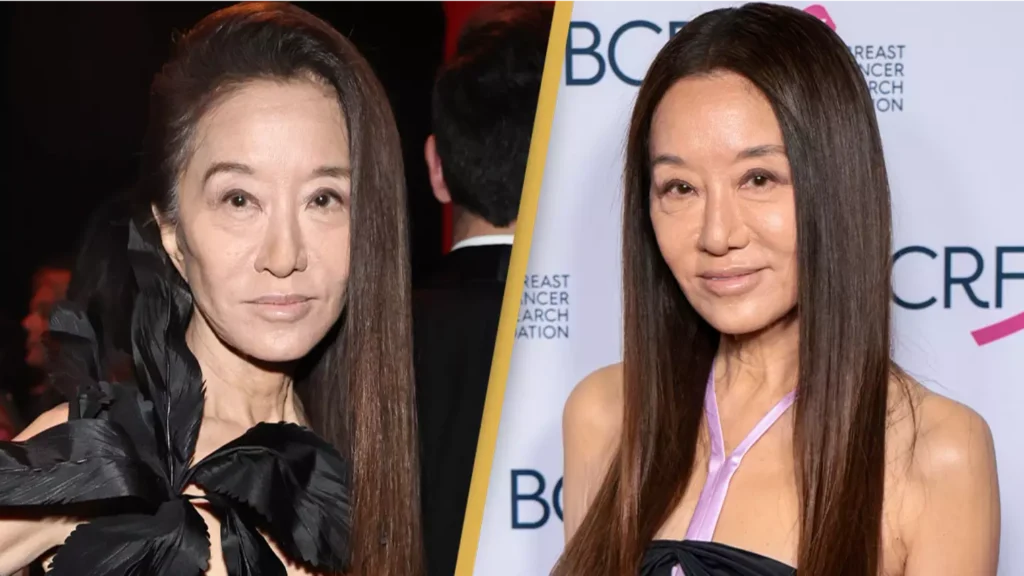
Vera Wang and Arthur Becker have two daughters: Cecilia and Josephine, both adopted. As of 2025, Cecilia is 33 years old and Josephine is 30.
Vera has been relatively private about the specifics of their adoption journey, though she has spoken occasionally about the joys and challenges of motherhood.
Becoming a mother while building a global fashion brand required extraordinary juggling.
Vera has acknowledged the difficulty of balancing these competing demands, the guilt working mothers often feel, and the compromises necessary to succeed in both arenas.
However, she has also expressed that her daughters kept her grounded, providing perspective beyond the fashion world’s often superficial concerns.
Both daughters grew up immersed in the fashion industry, attending shows, meeting designers, and observing their mother’s creative process.
This exposure gave them unique insights into fashion, business, and creativity, though neither has pursued high-profile careers in fashion design themselves.
Vera has respected their desires for relative privacy, rarely posting photos of them on social media or discussing them extensively in interviews.
What Vera has shared suggests she approaches motherhood with the same perfectionism she brings to design.
She has spoken about wanting to be present for her daughters, to provide them with opportunities while also instilling strong values and work ethic.
The challenges of adoption, while not extensively detailed publicly, added complexity to their family journey—navigating questions of identity, belonging, and family bonds that adoption inherently raises.
By all accounts, Vera maintains close relationships with both daughters now that they’re adults.
They occasionally appear at family events or celebrations, and Vera’s social media sometimes includes subtle references to time spent with them.
Her role as mother clearly remains important to her identity, even as her professional achievements dominate public perception.
The experience of motherhood has also informed Vera’s design work. Many of her wedding gown clients are young women the same age as her daughters, and her understanding of that generation’s values, aspirations, and aesthetic preferences helps her remain relevant despite the decades between her and her typical bride.
Divorce and Life After
In July 2012, after 23 years of marriage, Vera Wang and Arthur Becker announced their separation. The news surprised many who viewed them as one of fashion’s stable couples.
They released a statement explaining their decision was mutual and amicable, emphasizing their continued commitment to co-parenting their daughters.
The divorce was finalized later in 2012. As with most high-profile divorces, financial settlements were handled privately, though given Arthur’s success in technology and Vera’s substantial fashion empire, the financial arrangements likely involved significant assets.
New York state law requires equitable distribution of marital property, and after 23 years together, virtually all of Vera’s business growth occurred during their marriage, complicating valuation and division.
In interviews since the divorce, Vera has been diplomatic and respectful about Arthur, refusing to discuss details or assign blame.
She has characterized their separation as a natural evolution—two people who grew in different directions after more than two decades together.
This mature, dignified approach to divorce reflects her general approach to personal matters: private, respectful, and focused on moving forward rather than dwelling on the past.
Life after divorce has brought new freedom and energy for Vera. At age 63 when her marriage ended, she could have been forgiven for slowing down, but instead she appeared energized.
Her social media presence increased, she became more visible at industry events, and she seemed to embrace a new chapter of independence and self-definition outside the context of marriage.
Romantically, Vera has been linked to various men since her divorce, most notably figure skater Evan Lysacek, though both parties have denied any romance and characterized their relationship as a close friendship.
The media speculation reflects the public’s continued fascination with Vera’s personal life, particularly given how dramatically she seems to defy aging expectations.
As of 2025, Vera Wang appears content with her single status. At 76, she’s built an extraordinary career, raised two daughters, and achieved financial security.
Whether she chooses to pursue romantic relationships or embrace this independent phase of her life, she has earned the right to make those decisions entirely on her own terms, free from societal expectations about what women “should” do at her age.
Vera Wang’s Ageless Beauty Secrets
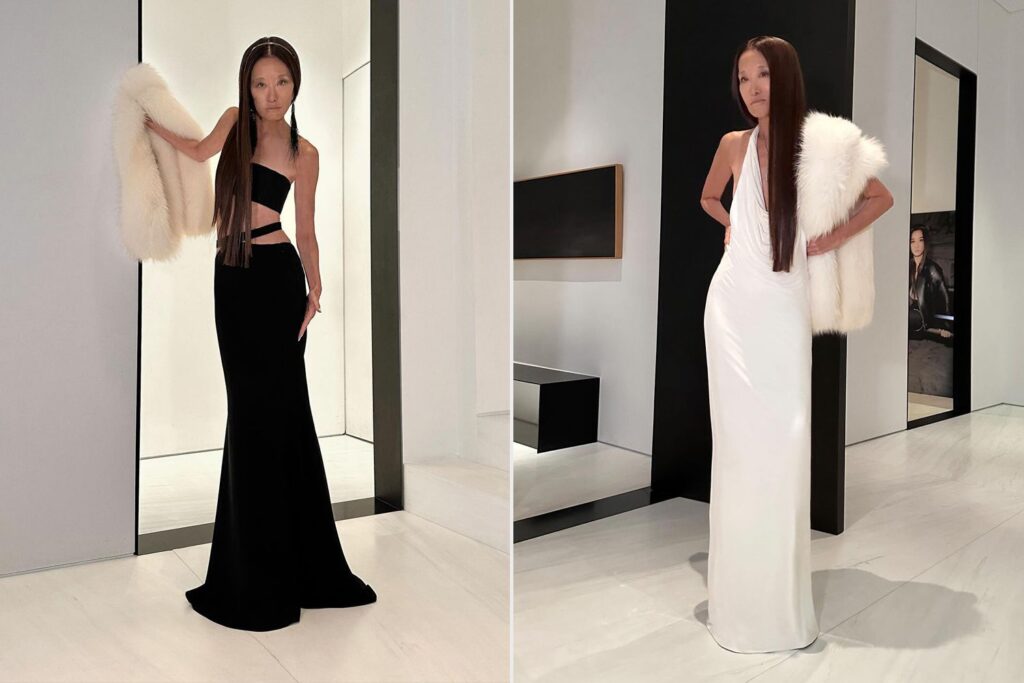
Perhaps no aspect of Vera Wang generates more public fascination than her appearance.
At 76 years old, she maintains a youthful look that defies conventional aging expectations, regularly sparking internet discussions and prompting questions about her skincare routine, lifestyle choices, and whether she’s discovered some secret to eternal youth.
Diet and Exercise Routine
Contrary to expectations, Vera Wang doesn’t follow extreme diets or grueling exercise regimens. In fact, her approach to health and wellness is remarkably balanced and surprisingly indulgent by celebrity standards.
Exercise Philosophy: Vera has been refreshingly honest about her relationship with exercise—she doesn’t particularly enjoy it. Unlike celebrities who post gym selfies and promote intense workout routines, Vera admits that formal exercise isn’t her priority. However, she remains naturally active through her work.
Fashion design requires being on your feet, moving around fitting rooms, climbing stairs, and maintaining physical energy throughout long days. This daily activity, combined with the mental stimulation of creative work, keeps her engaged and vital.
When she does exercise, Vera prefers activities that don’t feel like work. She has mentioned enjoying walks and staying mobile rather than committing to structured gym routines.
This approach contradicts the notion that maintaining youthful appearance requires punishing workout schedules—Vera suggests that staying active in ways you enjoy matters more than forcing yourself through exercise you hate.
Diet and Nutrition: Perhaps most surprisingly, Vera Wang’s diet includes elements that health experts typically discourage.
She’s famously mentioned that her secret to looking young includes McDonald’s, work, and a vodka cocktail. While partially tongue-in-cheek, this statement reveals her philosophy: balance and enjoyment matter more than rigid restriction.
Vera doesn’t follow trendy diets or eliminate entire food groups. She eats what she enjoys, including occasional fast food, without guilt or obsession.
However, she likely practices moderation—enjoying treats without excess. Her Chinese heritage may also influence her diet, with traditional Chinese cuisine emphasizing balance, vegetables, and moderate portions.
The vodka cocktail reference isn’t advocating alcoholism but suggesting that reasonable indulgences contribute to life satisfaction and stress management.
Vera enjoys a cocktail to unwind, viewing it as part of self-care rather than something to feel guilty about. This balanced, non-dogmatic approach to food and drink may paradoxically contribute to her youthful appearance by reducing stress and allowing genuine enjoyment of life.
Sleep Habits: Vera has emphasized the critical importance of sleep in maintaining health and appearance. She reportedly aims for 7-8 hours of sleep nightly, recognizing that rest is when the body repairs, regenerates, and recovers from daily stress. Adequate sleep affects everything from skin appearance to cognitive function to emotional regulation.
In a culture that often glorifies busyness and sleep deprivation, Vera’s commitment to rest represents a countercultural choice.
She prioritizes sleep over late-night events or early morning commitments when possible, understanding that long-term health requires this foundation.
Beauty Philosophy
Beyond specific diet and exercise choices, Vera Wang’s ageless appearance stems from a holistic philosophy about beauty, aging, and living well.
Work as Anti-Aging: One of Vera’s most interesting assertions is that work keeps her young. Rather than viewing retirement as the goal, she finds purpose, stimulation, and vitality in her continued creative work.
Being mentally engaged, solving problems, creating beauty, and maintaining social connections through work provides benefits that no skincare product can replicate.
Research supports this philosophy—people who remain mentally and socially active, particularly in work they find meaningful, often experience better cognitive function, emotional wellbeing, and even physical health as they age.
Vera’s continued passion for design gives her reasons to get up each morning, challenges to engage with, and a sense of purpose that transcends age.
Genetics and Skincare: While Vera doesn’t extensively discuss her skincare routine, she likely benefits from good genetics.
Her Chinese heritage may contribute to her youthful appearance—Asian skin tends to show aging signs differently than Caucasian skin, often maintaining elasticity and smoothness longer.
Additionally, growing up in a wealthy family meant access to quality nutrition, healthcare, and eventually, excellent skincare products and treatments throughout her life.
That said, Vera almost certainly invests in professional skincare—facials, quality products, possibly cosmetic treatments like laser therapy or injectables.
As a fashion industry insider with resources and knowledge, she has access to the best dermatologists and treatments available.
However, she doesn’t credit any single product or treatment as her secret, suggesting her approach is comprehensive rather than relying on a magic solution.
Stress Management: Despite running a global fashion empire, Vera appears to manage stress effectively. She has mentioned that her work energizes rather than depletes her, suggesting she’s found the rare alignment between career and passion.
Additionally, her balanced approach to diet, her emphasis on sleep, and her refusal to obsess over aging all reduce stress that accelerates aging processes.
Positive Attitude: Vera’s personality—confident, purposeful, creatively engaged—may be her best anti-aging secret. She doesn’t obsess over aging or view it as decline.
Instead, she embraces each life stage, continuing to evolve and create regardless of her numerical age. This mindset keeps her forward-looking and vital in ways that no skincare routine can achieve.
Fashion and Presentation: Never underestimate the power of excellent fashion sense, professional styling, and expert photography.
Vera knows how to dress her body, what cuts and colors flatter her, and how to present herself in photographs. Her fashion expertise means she always looks polished and put-together, creating an overall impression of youthfulness and vitality that transcends individual features.
The truth about Vera Wang’s ageless appearance is likely a combination of factors: good genetics, lifetime access to quality healthcare and skincare, balanced lifestyle choices, meaningful work, stress management, positive attitude, and expert fashion sense.
There’s no single secret—it’s a holistic approach to living well that happens to keep her looking remarkably youthful at 76.
Vera Wang Net Worth 2025
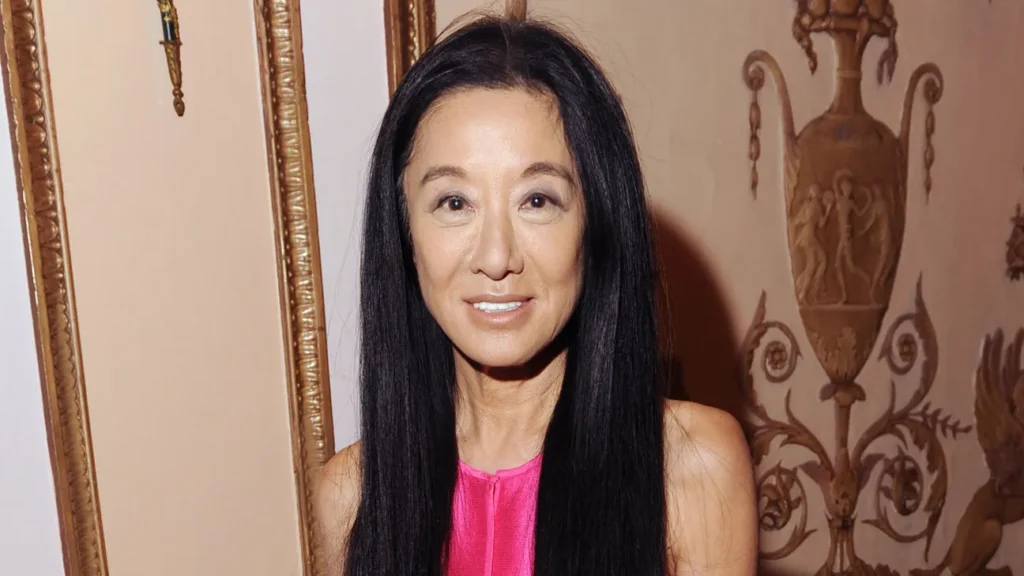
Vera Wang has transformed her fashion vision into an impressive fortune, building wealth that places her among the most financially successful fashion designers in the world.
As of 2025, her net worth is estimated between $630 million and $650 million, making her one of the richest women in American fashion.
How She Built Her Fortune
Vera Wang’s path to wealth is a masterclass in strategic brand building, smart business decisions, and leveraging expertise across multiple opportunities.
Unlike fashion designers who achieve fame but struggle with profitability, Vera built a genuinely lucrative business through several key strategies.
- Starting with Capital: Vera’s wealthy family background provided crucial advantages. When she launched her bridal boutique in 1990, her father provided financial backing—likely hundreds of thousands of dollars—that allowed her to secure prime Madison Avenue real estate, purchase inventory from prestigious designers, and sustain operations during the critical early years when most businesses struggle to break even. This financial cushion meant she could focus on building the business properly rather than scrambling for survival.
- High-End Positioning: From the beginning, Vera positioned her brand at the luxury end of the market. Her custom bridal gowns commanded prices starting at $10,000 and climbing to $50,000 or more for elaborate designs. This high-price positioning meant she didn’t need massive volume to generate substantial revenue—a few dozen custom gowns per year could generate millions in sales.
- Celebrity Clientele: Early celebrity adoptions of her designs provided priceless publicity. When high-profile brides chose Vera Wang gowns, the resulting media coverage reached millions of potential customers at no advertising cost. This celebrity connection elevated her brand prestige and allowed her to command premium prices.
- Strategic Expansion: Rather than staying narrowly focused on high-end bridal, Vera systematically expanded into adjacent categories: evening wear, ready-to-wear, fragrances, and lifestyle products. Each expansion opened new revenue streams while leveraging her existing brand equity.
- Licensing Model: Perhaps most significantly, Vera embraced licensing deals that allowed her to profit from products she didn’t manufacture. Partnerships with Kohl’s, David’s Bridal, Zales, Men’s Wearhouse, and others meant she earned royalties—typically 3-10% of wholesale prices—on millions of products sold annually. These licensing deals likely generated tens of millions of dollars in annual royalty income with minimal effort or investment on her part.
- Business Sale: The 2024 sale to WHP Global represented a liquidity event that likely added hundreds of millions to her personal wealth. While she retained equity in the business, she also received substantial cash payment, providing financial security and flexibility.
Revenue Sources and Licensing
Vera Wang’s wealth comes from multiple revenue streams, making her business model remarkably diversified and resilient:
- Haute Couture Bridal ($50-100 million annually estimated): Her flagship Madison Avenue boutique and high-end bridal business generates significant revenue. Custom gowns priced at $10,000-$50,000+ from select clientele worldwide creates a steady, high-margin revenue stream.
- White by Vera Wang (David’s Bridal) ($100-200 million annually estimated): This accessible bridal line reaches mass-market brides with gowns priced $500-$2,000. While margins are lower than haute couture, volume is exponentially higher—David’s Bridal operates 300+ stores nationwide, potentially selling tens of thousands of Vera Wang-branded gowns annually. Vera earns royalties on every sale.
- Simply Vera (Kohl’s) ($150-200 million annually estimated): The Kohl’s partnership brings Vera Wang clothing, bedding, and lifestyle products to 1,100+ stores nationwide. With products ranging from $20 t-shirts to $200 coats, the volume is massive. Royalty payments on this licensing deal likely generate $15-25 million annually for Vera personally.
- Jewelry (Zales) ($50-75 million annually estimated): The Zales partnership offers Vera Wang-designed engagement rings and wedding bands at accessible price points ($500-$5,000). As America’s largest jewelry retailer, Zales’ distribution reaches thousands of couples, with Vera earning royalties on every purchase.
- Fragrances ($50-75 million annually estimated): Perfume licensing with major fragrance companies generates royalties from sales through department stores, specialty retailers, and online. Fragrance is notoriously profitable in fashion licensing, often generating 8-12% royalties.
- Evening Wear and Ready-to-Wear ($30-50 million annually estimated): Her higher-end fashion collections, while smaller in volume than mass-market lines, command significant prices and maintain brand prestige.
- Home Products ($25-40 million annually estimated): Licensing deals for bedding, tableware, home décor, and other lifestyle products generate additional royalty income with minimal involvement required from Vera.
- Menswear (Men’s Wearhouse) ($20-30 million annually estimated): The partnership offering tuxedos, suits, and formalwear for grooms and groomsmen adds another revenue stream.
- Real Estate and Investments: Beyond fashion income, Vera likely has significant real estate holdings and investment portfolios that generate passive income and appreciate over time.
Current Net Worth Estimate
Based on the December 2024 sale to WHP Global, ongoing licensing revenues, accumulated wealth from 35 years of business operations, and investment returns, Vera Wang’s net worth is estimated at approximately $630-650 million as of December 2025.
This estimate considers:
- Cash from WHP Global Sale: Likely $300-400 million
- Retained Equity Value: Her continued ownership stake worth $100-150 million
- Accumulated Wealth: Savings and investments from decades of high income
- Real Estate Holdings: Multiple properties likely worth $30-50 million
- Future Royalty Stream: Ongoing licensing deals generating $20-40 million annually
At 76 years old, Vera Wang has achieved extraordinary financial success, particularly impressive considering she didn’t launch her brand until age 40.
Her wealth places her among the most successful self-made women in fashion, alongside designers like Diane von Furstenberg, Tory Burch, and Carolina Herrera.
What makes Vera’s wealth particularly notable is its sustainability. Unlike designers who achieve temporary success or whose brands decline after their departure, Vera’s licensing model and the WHP Global sale ensure her financial legacy continues regardless of her personal involvement.
The brand generates ongoing revenue streams that will persist for decades, providing financial security for her daughters and potentially their children.
Recent News and 2025 Updates
Vera Wang remains remarkably active and newsworthy at 76, with several significant developments in 2024-2025:
- December 2024 – WHP Global Acquisition: The sale of her company to WHP Global for an undisclosed sum (estimated $400+ million) marked a major transition. While retaining creative control as Chief Creative Officer and maintaining equity stake, Vera positioned her brand for continued growth while securing her financial legacy.
- June 2025 – 76th Birthday Celebration in Paris: Vera celebrated her 76th birthday with an elegant party at Le Relais Plaza in Paris, wearing a chic little black dress that perfectly embodied her timeless aesthetic. The intimate gathering with fashion industry friends and colleagues reinforced her status as an ageless icon whose style transcends trends.
- Spring 2025 – 60th Bridal Collection Milestone: Having launched her 60th bridal collection, Vera continues innovating in the space she revolutionized. The collection showcased her ability to balance timeless elegance with contemporary sensibilities, appealing to new generations of brides while maintaining brand identity.
- Met Gala 2025 Appearance: Vera attended the Met Gala in May 2025, where her appearance sparked renewed discussions about her age-defying looks. Social media erupted with comments expressing disbelief that she’s 76, with many followers speculating about her beauty secrets.
- Instagram Growth: Her Instagram following has grown to 2.7 million followers as of December 2025, reflecting her continued relevance and appeal across generations. Her social media presence showcases her designs, personal style, and occasional glimpses into her life, maintaining connection with fans worldwide.
- Industry Recognition: Throughout 2025, Vera received various industry honors recognizing her decades of contributions to fashion and her role in transforming the bridal industry. Her influence on wedding fashion remains unparalleled, with countless designers citing her as inspiration.
- Expansion Plans Under WHP Global: Following the acquisition, WHP Global announced plans to expand Vera Wang’s presence in Asian markets, particularly China, where her Chinese American heritage creates unique brand positioning opportunities. The company is investing in flagship stores, e-commerce expansion, and targeted marketing to grow international recognition.
- Sustainability Initiatives: Like many fashion brands, Vera Wang has begun addressing sustainability concerns, exploring eco-friendly fabrics, ethical manufacturing practices, and circular fashion concepts. While still early in this journey, 2025 has seen increased focus on environmental responsibility.
- Celebrity Collaborations: Vera continues collaborating with high-profile figures, designing custom gowns for celebrity weddings, red carpet events, and special occasions. These collaborations maintain her brand’s visibility and association with glamour and sophistication.
Frequently Asked Questions About Vera Wang
Q: How old is Vera Wang in 2025?
Vera Wang is 76 years old in 2025, born on June 27, 1949. She will turn 77 in June 2026.
Q: What is Vera Wang’s net worth?
Vera Wang’s estimated net worth is approximately $630-650 million as of 2025, earned through her fashion empire and the recent sale to WHP Global.
Q: Is Vera Wang married?
No, Vera Wang is currently divorced. She was married to Arthur Becker from 1989 to 2012 but has been single since their separation.
Q: Does Vera Wang have children?
Yes, Vera Wang has two adopted daughters: Cecilia (age 33) and Josephine (age 30), both adopted during her marriage to Arthur Becker.
Q: What is Vera Wang famous for?
Vera Wang is most famous for revolutionizing bridal fashion with her sophisticated, modern wedding gown designs. She also designs evening wear and has multiple licensing deals.
Q: How does Vera Wang look so young at 76?
Vera credits work, adequate sleep (7-8 hours), balanced diet, good genetics, and maintaining a positive, engaged attitude toward life as her anti-aging secrets.
Q: When did Vera Wang start her company?
Vera Wang started her bridal company in 1990 at age 40, after working 17 years at Vogue and 2 years at Ralph Lauren.
Q: Was Vera Wang a figure skater?
Yes, Vera was a competitive figure skater in her youth and competed at the 1968 U.S. National Championships. She later designed costumes for Olympic skaters.
Q: Who owns Vera Wang brand now?
WHP Global acquired Vera Wang’s company in December 2024, though she retained equity stake and continues as Chief Creative Officer with full creative control.
Q: Where can I buy affordable Vera Wang products?
Simply Vera at Kohl’s and White by Vera Wang at David’s Bridal offer accessible price points, with products ranging from $50-$2,000.
Conclusion
Vera Wang’s life story is a testament to the power of perseverance, reinvention, and refusing to accept limitations—whether imposed by age, expectations, or conventional timelines.
At 76 years old, she remains an active force in fashion, defying both physical aging and professional obsolescence with equal determination.
From her childhood as the daughter of Chinese immigrants to her figure skating dreams, from 17 years at Vogue to launching her own brand at 40, Vera’s journey proves that success doesn’t follow a single path or timeline.
Her $650 million net worth reflects not just business acumen but the value of patience, strategic thinking, and building something authentic rather than chasing trends.
Her ageless appearance sparks fascination, but her lasting legacy lies in how she transformed bridal fashion and inspired millions to pursue their dreams regardless of age.
Whether you’re a bride searching for the perfect gown, an entrepreneur contemplating a career change, or simply someone inspired by remarkable life stories, Vera Wang’s journey offers lessons about creativity, resilience, and the timeless power of believing in yourself.