
What happened to John Buultjens brother remains one of the most searched questions surrounding the BMX legend’s incredible life story.
John Buultjens, the Scottish-born BMX champion whose journey from abuse to triumph inspired the 2020 film “The Ride,” has captivated audiences worldwide.
While much is known about John’s transformation, the fate of his siblings, particularly his brother, continues to intrigue fans.
Table of Contents
Quick Facts About John Buultjens
| Fact | Details |
|---|---|
| Full Name | John Craig Buultjens |
| Birth Year | March 1972 |
| Birthplace | Glasgow, Scotland |
| Current Location | San Diego, California |
| Profession | Former BMX Champion, BMX Consultant |
| Previous Role | Global Brand Manager at Haro Bikes |
| Famous For | Autobiographical film “The Ride” (2020) |
| Book | “Ride: BMX Glory, Against All the Odds” (2017) |
| Adoptive Parents | Eldridge and Marianna Buultjens |
| BMX Career Start | 1982 |
| Notable Achievement | Building Haro Bikes’ Lineage collection |
| Current Status 2026 | Independent BMX consultant |
The Truth About John Buultjens’ Brother
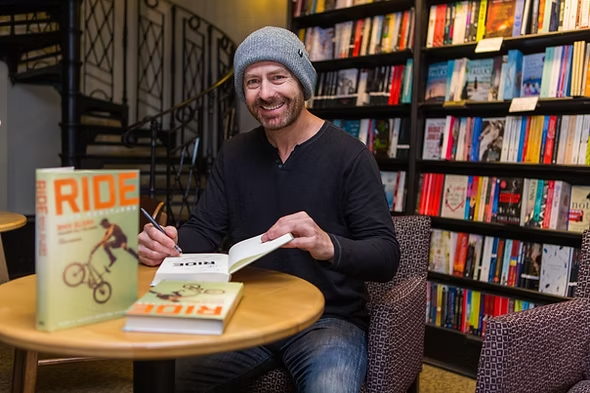
The question “what happened to John Buultjens brother” has generated countless online searches and speculation. However, the truth is far more complex than internet rumors suggest.
Who Was John Buultjens’ Brother?
According to verified sources and John’s own accounts, he had an older brother named Thomas (not Rory McCord, as many websites incorrectly claim). Thomas is mentioned in John’s autobiography and interviews, where John recalls his older brother breaking into bakeries to bring food home during their impoverished childhood in Glasgow’s Drumchapel estate.
In interviews, John mentioned that his older brother was in jail during the critical Christmas Eve incident in 1972 that led to John’s removal from his biological home. This traumatic event occurred when John, at age seven, attempted to defend his mother from his violently abusive father.
The Rory McCord Confusion Explained
Many websites reference “Rory McCord” as John Buultjens’ brother, but this stems from a significant misunderstanding. Rory McCord is actually a fictional character in the 2020 film “The Ride,” portrayed as John’s older brother in the movie adaptation.
In the film, actor Blake Sheldon plays the adult version of Rory McCord, while young actor Richard Davis portrays the character as a child. The movie uses “McCord” as John’s birth surname before his adoption by the Buultjens family.
This conflation of fiction and reality has created widespread confusion online, with numerous articles presenting unverified claims about “Rory McCord’s” fate, including stories about cancer, car accidents, or mental health struggles—none of which have any factual basis.
What Actually Happened to John’s Real Brother Thomas?
The verified information about John’s biological brother Thomas is limited. What we know for certain includes:
- Childhood Struggles: Thomas, being the oldest sibling, took on a protective role in the family. He resorted to breaking into bakeries to feed his younger siblings when their cupboards were bare due to their father’s alcoholism and unemployment.
- Separation: When John was removed from his biological home at age seven and later adopted by the Buultjens family, the siblings were separated. John’s younger sister was also placed in care with him initially.
- Limited Public Information: Unlike John, who became a public figure through BMX and his autobiography, Thomas has maintained complete privacy. There are no public records, interviews, or verified accounts of what happened to him after the family’s separation.
- Respect for Privacy: John Buultjens has chosen not to publicly discuss his biological siblings’ current whereabouts or circumstances, likely to protect their privacy and respect their desire to remain out of the public eye.
John Buultjens’ Early Life and Childhood Trauma
Understanding John’s story requires acknowledging the horrific circumstances that shaped his early years.
Glasgow Beginnings
John Craig Buultjens was born in March 1972 in one of Glasgow’s poorest neighborhoods. He grew up in Drumchapel after his family moved from Whiteinch, living in extreme poverty with his brother, two sisters, and his parents.
His biological father, Thomas, worked as a box maker at Yarrow shipbuilding firm before becoming unemployed. The father’s alcoholism and violent racism created a household filled with terror and abuse.
The Fire Incident
John’s earliest memory is tragically horrifying. At approximately three years old, excited to see his father come home from work, young John approached him from behind to give him a hug. His drunk father reached back and threw John into the fireplace.
John still remembers the smell of his own burning flesh as his mother rushed him through rat-infested streets to Queen Mary Hospital’s burns division. This incident left permanent scars, both physical and emotional.
Years of Abuse
From ages three to seven, John endured unimaginable suffering including regular physical beatings from his father, sexual molestation by a family friend at age five, and witnessing constant domestic violence against his mother.
To escape the violence, John would often jump on trains alone to go begging for money. He slept in dry concrete sewage pipes because the streets felt safer than his own home.
Doctors documented his injuries repeatedly, yet in the context of Glasgow’s impoverished ghettos in the 1970s, authorities failed to intervene for years.
The Turning Point: Christmas Eve 1979
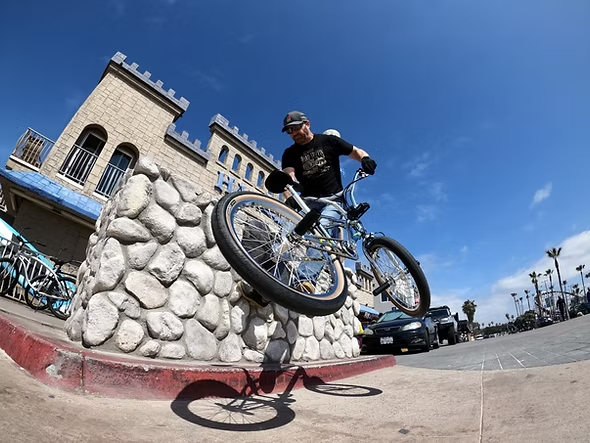
The event that changed John’s life forever occurred just after midnight on December 24, 1979, crossing over from December 23.
The Final Attack
John’s older brother Thomas was in jail at the time. John’s father began violently beating his mother, treating her “like a punching bag,” as John later described. At seven years old, John grabbed a kitchen knife and attacked his father to protect his mother.
In real life, his father knocked him unconscious. The film adaptation shows a slightly different version of events.
Removal from Home
Despite the traumatic night, John still attended school that day—a half-day due to Christmas Eve. His mother had called the police and social services after the incident.
When authorities arrived, they removed John and his younger sister from the home. John never returned to his biological family’s house. He was placed in Glenrosa children’s home.
For years afterward, John hated his mother, feeling she had betrayed him. He couldn’t trust women. Only decades later did he realize she had to get everyone safely out before she could leave herself—and that giving him up was the only way to give him a chance at a better life.
Foster Care and Adoption Journey
John’s path from the children’s home to his adoptive family was transformative but not immediate.
Three Years in the System
John spent three years in foster care, continuing to experience abuse. The system that was supposed to protect him initially failed, as he endured further sexual, physical, and emotional trauma.
By age ten, John had developed deep-seated racism, having internalized the white supremacist views of his biological father. He was angry, violent, and distrustful of everyone around him.
Meeting the Buultjens Family
In 1982, when John was ten years old, an academic couple began fostering him and his younger sister. Eldridge Buultjens, a Sri Lankan professor of biological sciences, and Marianna Buultjens, a Scottish teacher of braille and linguistics, saw potential in the damaged young boy.
John’s first words upon meeting Eldridge were shockingly racist: “I am not living with that black bastard!” Despite this horrific introduction, the Buultjens chose to persevere.
The Transformation Begins
The couple was never fully informed about the extent of John’s trauma when they adopted him. The reality was so severe that the film adaptation couldn’t show everything without receiving a harder R rating.
Slowly, through consistent love, patience, and boundaries, John began to change. The family introduced him to a different way of life, eventually settling in Dundee after initially living in Glasgow’s upscale west end.
The breakthrough moment came when John bought his adoptive parents black and white bird figurines, symbolizing their interracial relationship. This gesture represented his acceptance and the beginning of complete honesty with them.
Today, John considers Eldridge and Marianna his real parents in every meaningful way. He shares no secrets with them and maintains that Eldridge is the closest human in his life.
The BMX Revolution: How Bikes Saved John’s Life
The discovery that would define John’s future came through an unlikely source—a beloved science fiction film.
E.T. and the Birth of a Dream
In 1982, John’s adoptive parents took him to see “E.T. the Extra-Terrestrial.” When John saw Elliott flying through the sky on a BMX bike, something awakened inside him. The bike represented freedom, escape, and possibility.
John had never ridden a bike before. His adoptive father bought him his first BMX and took him to a track to test it. Despite having no experience, John immediately felt at home on the bike.
BMX as Meditation and Healing
For John, BMX riding became far more than a sport—it was therapy. When riding, he had to focus completely on the present moment. No memories of abuse could intrude. No fear or anger could distract him.
This forced mindfulness through physical activity became John’s form of meditation. The bike gave him control over his body and his direction, something he’d never experienced in his chaotic childhood.
Rising Through the Ranks
Starting in 1982 in Scotland, John threw himself into BMX with singular dedication. What began as an escape became a passion, then a calling, and finally a career.
His natural athleticism combined with intense practice propelled him through the Scottish BMX scene. While he’s modest about his competitive achievements, John became well-known in the tight-knit BMX community.
John Buultjens’ Professional BMX Career
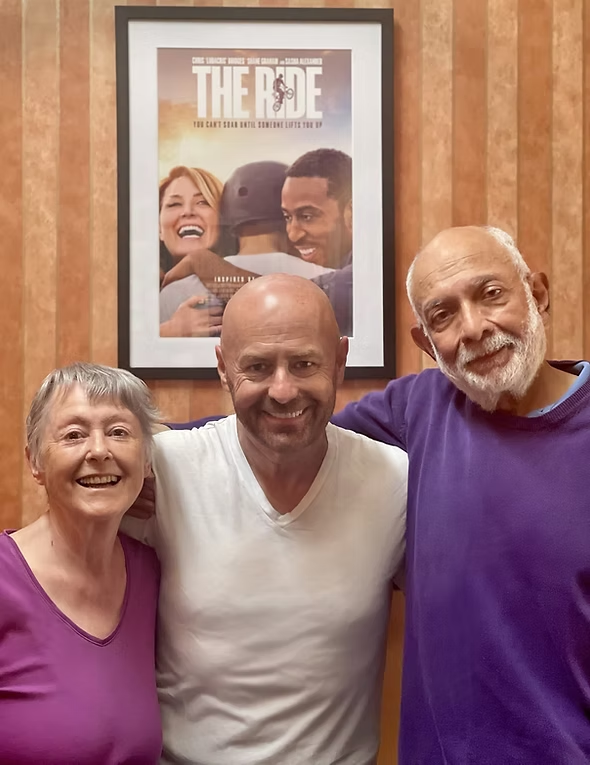
John’s journey in the BMX world spans over four decades and three continents.
Early Career in Scotland (1982-1995)
John established himself in the Scottish BMX scene throughout the 1980s and early 1990s. He competed, practiced obsessively, and became deeply embedded in BMX culture.
From 1987 to 1996, John produced a BMX magazine, contributing to the community that had given him so much. This early work demonstrated his understanding of both the sport and the business side of the industry.
Australian Chapter (1995-2012)
In June 1995, John emigrated to Australia, leaving his collection of bikes and parts under his adoptive parents’ house in Dundee. This move marked a new phase in his life.
In Australia, John worked various jobs, including appearing on the soap opera “Neighbours.” He continued riding and staying connected to the BMX community.
In August 1997, a pivotal moment occurred. John’s parents were moving and shipped all his boxed-up bikes and parts to Australia. When John opened these boxes and found his childhood treasures—his 1988 Sport, 1989 Chrome Master Bashguard, 1989 Master Bashguard in black, and 1991 Air-Master—he decided to restore them.
This restoration project coincided with eBay’s emergence, allowing John to search for parts. What started as restoring his own bikes evolved into collecting every Haro model he’d dreamed of owning, including the iconic 1982 Haro Freestyler.
The Call to California (2012-2025)
In 2012, John received the opportunity of a lifetime. Bob Haro, the founder of Haro BMX and the former stunt rider who performed the BMX stunts in “E.T.,” invited John to work for Haro Bikes in Southern California.
John moved to San Diego and became Haro’s Global Brand Manager. This position allowed him to combine his passion for BMX history with business acumen.
The Haro Lineage Project: John’s Greatest Achievement
During his tenure at Haro Bikes, John spearheaded what many consider his most significant professional accomplishment.
Creating the Lineage Collection
John understood that BMX had a rich history worth preserving and celebrating. He developed the Haro Lineage series—a collection of retro bikes that combined vintage aesthetics with modern safety standards and riding features.
The Lineage collection recreated classic Haro models from the 1980s and early 1990s, the golden age of BMX freestyle. These bikes featured period-correct styling while incorporating contemporary geometry and components that made them actually rideable.
Impact on the BMX Community
The Lineage project brought countless riders back to BMX. Adults who had ridden as kids in the 1980s could now buy the bikes they’d dreamed of owning, updated for today’s standards.
John personally oversaw every detail, from frame geometry to paint finishes. His collection of over 128 vintage Haro bikes (which he later pared down to 25 carefully curated pieces) informed every decision.
The project celebrated BMX heritage while making it accessible to new generations. It represented the perfect intersection of John’s personal passion and professional expertise.
Preserving BMX History
Beyond bikes, John preserved crucial artifacts. When working at Haro’s Taiwan facilities, he discovered boxes of original 1980s drawings and old slides, which he secured in safe storage.
His work ensured that Bob Haro’s original vision and designs wouldn’t be lost to time. This preservation effort earned John tremendous respect throughout the BMX community.
Transition from Haro and Current Work (2025-2026)
In 2025, after more than a decade with Haro Bikes, John announced his departure from the company.
Leaving Haro Bikes
According to LinkedIn posts and BMX community discussions, John left Haro on good terms. His decision reflected a desire for new challenges and opportunities to work more broadly across the BMX industry.
The BMX community expressed gratitude for his contributions to the Lineage series and his role in strengthening Haro’s connection to its heritage. While some worried about Haro’s retro program without John, the company still maintains strong current rider support.
Current Consulting Work (2026)
As of 2026, John operates as an independent BMX consultant. He works with various BMX brands on special projects, bringing his unique combination of historical knowledge, brand management experience, and industry connections.
This consulting role allows John greater flexibility to pursue projects aligned with his passion for BMX history and culture. He collaborates with multiple companies rather than being tied to a single brand.
John continues to share his story through speaking engagements and media appearances, serving as an ambassador for Adoption UK and inspiring others who’ve faced trauma.
“The Ride” – John’s Story on Film
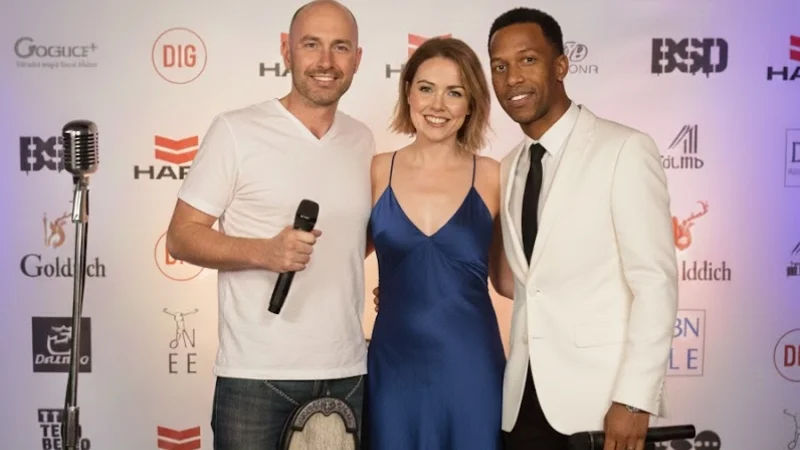
In November 2020, John’s incredible life story reached global audiences through the feature film “The Ride.”
Production and Cast
The film was directed by Alex Ranarivelo and produced by ESX Entertainment. It premiered at the 2018 Newport Beach Film Festival, where it won multiple awards including the Audience Award for Best Film.
The cast included Grammy Award-winning rapper and actor Ludacris (Chris Bridges) as John’s adoptive father Eldridge Buultjens, Sasha Alexander as Marianna Buultjens, and Shane Graham as the adult John.
In a powerful artistic choice, John Buultjens himself portrayed his own abusive biological father. This difficult role forced John to confront his past in visceral ways, with some filming scenes proving so distressing he had to step away.
Differences from Reality
While based on John’s true story, the film made several changes for dramatic purposes. The setting was moved from Scotland to California, and Eldridge’s ethnicity was changed from Sri Lankan to African American, likely to address American race relations more directly.
The film amplified John’s BMX skills somewhat, though his actual journey was no less impressive. Certain aspects of John’s abuse couldn’t be shown without the film receiving a harder rating.
Characters were consolidated or created for narrative purposes. The character of Rory McCord, John’s older brother in the film, is a fictionalized representation rather than a direct portrayal of John’s real brother Thomas.
Impact and Reception
“The Ride” brought John’s message of redemption, the power of adoptive families, and the healing potential of passion to mainstream audiences. Released on Amazon Prime Video, it reached viewers worldwide.
Critics praised the film’s honest portrayal of racism, foster care, and family dynamics, though some noted the challenging balance between inspirational sports film and difficult trauma narrative.
For John, the film represents a way to give hope to young people facing similar circumstances, showing that transformation is possible even from the darkest beginnings.
John’s Book: “Ride: BMX Glory, Against All the Odds”
Published in 2017, John’s autobiography provided an even more detailed account of his journey than the film could capture.
Content and Themes
Co-written with Chris Sweeney, “Ride” presents John’s story in his raw, Scottish voice. The book doesn’t shy away from difficult topics including racism, addiction, abuse, and the complex dynamics of the BMX industry.
John addresses his own racism openly, describing the transformation from the hateful ten-year-old who rejected his adoptive father to the man who considers Eldridge his closest human.
The book provides insider perspectives on BMX business, including branding, manufacturing, sales, and sponsorship. It offers valuable insights into how the industry operates behind the scenes.
Reception
Readers have praised the book’s honesty and inspirational message. Many found John’s willingness to expose his flaws and mistakes refreshing, creating a more authentic narrative than typical sports autobiographies.
BMX enthusiasts appreciate the technical details and industry insights, while general readers connect with the universal themes of overcoming trauma, finding family, and discovering purpose through passion.
John Buultjens’ Current Life in 2026
Today, at 54 years old, John has built a life vastly different from his traumatic beginnings.
Personal Life
John maintains strong privacy around his personal relationships. He is married and has a daughter named Mackenzie Mae who lives in Australia. He chooses to keep his family life largely out of the public eye.
He remains extremely close with his adoptive parents, Eldridge and Marianna. Despite their advancing age, they continue to be central figures in his life, representing the stability and unconditional love that saved him.
Professional Activities
Beyond his consulting work, John remains active in the BMX community through various channels. He collects and preserves vintage BMX bikes, currently maintaining a curated collection of 25 significant pieces.
He participates in podcasts and interviews, most recently appearing on Brant Moore’s “Moore BMX” podcast to discuss his departure from Haro and future projects.
John continues to advocate for adoption and foster care reform as an ambassador for Adoption UK, using his platform to raise awareness about the needs of vulnerable children.
Public Presence
John maintains an active Instagram presence (@johnbuultjens) where he shares BMX content, throwback photos, and occasional glimpses into his daily life. His account has over 16,000 followers who engage with his posts about BMX history and culture.
He participates in BMX industry events, contributing to discussions about heritage preservation, brand development, and the sport’s future direction.
The Legacy of John Buultjens
John’s impact extends far beyond his personal BMX achievements.
Inspiration for Trauma Survivors
John’s story provides hope for anyone facing abuse, neglect, or seemingly insurmountable circumstances. His transformation from a violent, racist child to a successful, compassionate adult demonstrates the power of intervention, love, and opportunity.
His openness about his trauma helps reduce stigma and encourages others to seek help and believe in the possibility of healing.
Adoption and Foster Care Advocacy
Through his work with Adoption UK and his public storytelling, John highlights both the challenges and transformative potential of foster care and adoption.
He acknowledges that the system initially failed him but ultimately connected him with the family that changed everything. His nuanced perspective helps improve understanding of these complex systems.
Preservation of BMX Heritage
John’s Lineage work and collecting efforts ensure that BMX history isn’t forgotten. His dedication to preserving bikes, documents, and stories from the sport’s formative years benefits future generations of riders.
His ability to blend heritage with modern needs shows how honoring the past can revitalize present communities.
Message of Redemption
Perhaps most powerfully, John embodies the message that the past doesn’t have to determine the future. While he carries scars from his childhood, he refused to let those experiences define him.
His choice to portray his own abusive father in the film symbolizes his journey to confront and overcome his trauma rather than be controlled by it.
Debunking Common Myths About John’s Brother
Given the confusion surrounding John’s family, let’s clarify what is and isn’t true.
Myth: Rory McCord Was John’s Real Brother
Reality: Rory McCord is a fictional character created for the film “The Ride.” John’s real older brother was named Thomas.
Myth: John’s Brother Died from Cancer/Accident/Overdose
Reality: There is no verified public information about the current status or whereabouts of John’s biological brother Thomas. Various websites make different claims, but none provide credible sources or evidence.
Myth: John’s Brother Struggled with Mental Health Issues (As Depicted Online)
Reality: Some articles describe elaborate mental health journeys for “Rory McCord,” but these appear to be entirely fabricated. No credible source confirms any such information about John’s actual brother.
The Truth About Information Gaps
The reality is that John has chosen not to publicly discuss what happened to his biological siblings. This decision likely reflects respect for their privacy and his own boundaries around discussing people who may not want public attention.
The internet’s tendency to fill information gaps with speculation has created false narratives that spread as if they were fact. Without official records, family statements, or verified interviews, any claims about John’s brother’s fate should be treated as unsubstantiated rumors.
Lessons from John Buultjens’ Journey
John’s story offers multiple valuable insights for different audiences.
For Trauma Survivors
Your past doesn’t determine your future, though healing requires support and often professional help. Finding a healthy passion or purpose can provide focus and motivation during recovery. It’s okay to take time to heal—John’s transformation happened gradually, not overnight.
For Adoptive and Foster Parents
Love and patience can overcome incredible trauma, but the process is challenging and rarely linear. Children from abusive backgrounds may test boundaries through behavior that seems hateful or rejecting. Persistence, professional support, and unconditional love can eventually breakthrough even the most defensive walls.
For BMX and Action Sports Communities
Sports can be genuinely life-saving, providing structure, community, and purpose. Preserving heritage and history helps ground sports in something larger than individual achievement. Mentorship and inclusivity create environments where troubled youth can find belonging and direction.
For Society
Early intervention in cases of child abuse can prevent lifelong trauma. The foster care and adoption systems, while imperfect, can transform lives when properly supported. Breaking cycles of racism requires both personal transformation and systemic support.
Frequently Asked Questions (FAQs)
What happened to John Buultjens’ biological brother?
John’s biological brother, Thomas, was mentioned in his autobiography as being in jail during the critical incident that led to John’s removal from his biological home. There is no verified public information about Thomas’s current whereabouts or life circumstances, as John has chosen to keep this private.
Is Rory McCord a real person?
No, Rory McCord is a fictional character created for the 2020 film “The Ride.” The character represents John’s older brother in the movie adaptation but is not based directly on Thomas, John’s actual brother. This confusion has created numerous false online narratives about “Rory McCord.”
Where is John Buultjens now in 2026?
John Buultjens currently lives in San Diego, California, where he works as an independent BMX consultant. He left his position as Global Brand Manager at Haro Bikes in 2025 and now collaborates with multiple BMX brands on various projects.
Did John Buultjens reconcile with his biological father?
No, John never reconciled with his biological father, who died in 1997. However, John did eventually thank his biological mother for making the difficult decision to have him removed from the home, recognizing decades later that it saved his life.
What is John Buultjens doing in 2026?
In 2026, John operates as an independent BMX consultant working with various brands, continues his advocacy work with Adoption UK, maintains a collection of 25 vintage BMX bikes, and shares his story through speaking engagements and media appearances.
How accurate is “The Ride” movie to John’s real life?
The film is based on true events but takes creative liberties. The setting was changed from Scotland to California, Eldridge’s ethnicity was changed from Sri Lankan to African American, and some aspects were dramatized for cinematic effect. However, the core story of abuse, adoption, and transformation through BMX is accurate.
Does John Buultjens still ride BMX?
While John is now 54 years old, he remains connected to BMX culture through his consulting work, collecting, and community involvement. His active participation in the industry continues, though his focus has shifted from riding to preservation and brand development.
What happened to John Buultjens’ adoptive parents?
Eldridge and Marianna Buultjens remain John’s closest family. While advancing in age, they maintain their strong relationship with John, who describes Eldridge as “the closest human in my life” and credits both parents with saving him from his traumatic past.
Why did John Buultjens leave Haro Bikes?
John left Haro Bikes in 2025 after over a decade as Global Brand Manager to pursue independent consulting opportunities. The departure was amicable, and John continues to work across the BMX industry with various brands on special projects.
Is there any proof about what happened to John’s brother?
No, there is no verified public information or credible evidence about the current status of John’s biological brother Thomas. All online claims about his death, struggles, or current life lack substantiation from official sources, family statements, or verified records.
Conclusion
The question “what happened to John Buultjens brother” reveals more about our collective curiosity and the internet’s tendency to fill information gaps than about actual facts.
While John’s biological brother Thomas existed and played a role in their traumatic childhood, verified information about his current life remains private.
The widespread confusion stems largely from conflating Rory McCord, a fictional film character, with John’s real family members.
What we can conclusively say is that John Buultjens himself has transcended an unimaginably difficult beginning to build a remarkable life.
From sleeping in sewage pipes to becoming a BMX legend, from harboring racist hatred to embracing the adoptive father who saved him, from violence and victimhood to advocacy and inspiration—John’s journey exemplifies resilience and transformation.