
Why Are My Feet Peeling? Peeling feet are often caused by dry skin, fungal infections like athlete’s foot, or prolonged exposure to moisture.
Skin naturally sheds, but excessive peeling can result from sweating, wearing non-breathable shoes, or friction from tight footwear.
Other causes include eczema, psoriasis, allergic reactions, or contact with irritants. Nutritional deficiencies and certain medications may also contribute.
Peeling accompanied by itching, redness, or odor often signals an infection requiring treatment.
Keeping feet clean, dry, and moisturized, wearing breathable socks and shoes, and using antifungal creams when needed can help restore healthy skin and prevent further peeling.
Table of Contents
Quick Table
| Cause | Key Symptoms | Common Triggers | Quick Fix |
|---|---|---|---|
| Athlete’s foot | Itching, redness, scaling | Fungal infection, sweaty shoes | Antifungal cream |
| Dry skin feet | Flaky, rough skin | Cold weather, harsh soaps | Moisturizer |
| Eczema feet | Red, itchy patches | Allergies, irritants | Steroid creams |
| Psoriasis feet | Thick, scaly patches | Autoimmune response | Medical treatment |
| Hyperhidrosis (sweaty feet) | Excess sweating, peeling | Overactive sweat glands | Foot powders |
| Dehydration skin | Dry, dull peeling | Low water intake | Hydration |
| Skin damage | Cracks, peeling | Friction, sunburn | Protect & repair |
Why Your Feet Are Peeling
If you’ve been asking yourself, “why are my feet peeling?”, you’re not alone. Peeling skin on feet is a common issue that can happen for many reasons, ranging from harmless dryness to more serious skin conditions.
In most cases, peeling feet occur when the outer layer of skin loses moisture or becomes damaged due to irritation, infection, or inflammation.
One of the most common causes is dry skin feet, especially during colder months or when you frequently use harsh soaps.
However, peeling skin on toes or soles can also be linked to fungal infection feet, such as athlete’s foot, which thrives in warm and moist environments.
Conditions like eczema feet and psoriasis feet can also trigger flaking, itching, and redness.
In some cases, lifestyle factors like dehydration, poor foot hygiene, or wearing tight shoes can worsen the problem. Even excessive sweating—known as hyperhidrosis (sweaty feet)—can lead to skin breakdown and peeling.
Understanding the exact cause is important because each condition requires a different treatment approach. The good news? Most cases of peeling feet can be treated effectively with the right care, remedies, and foot care routine.
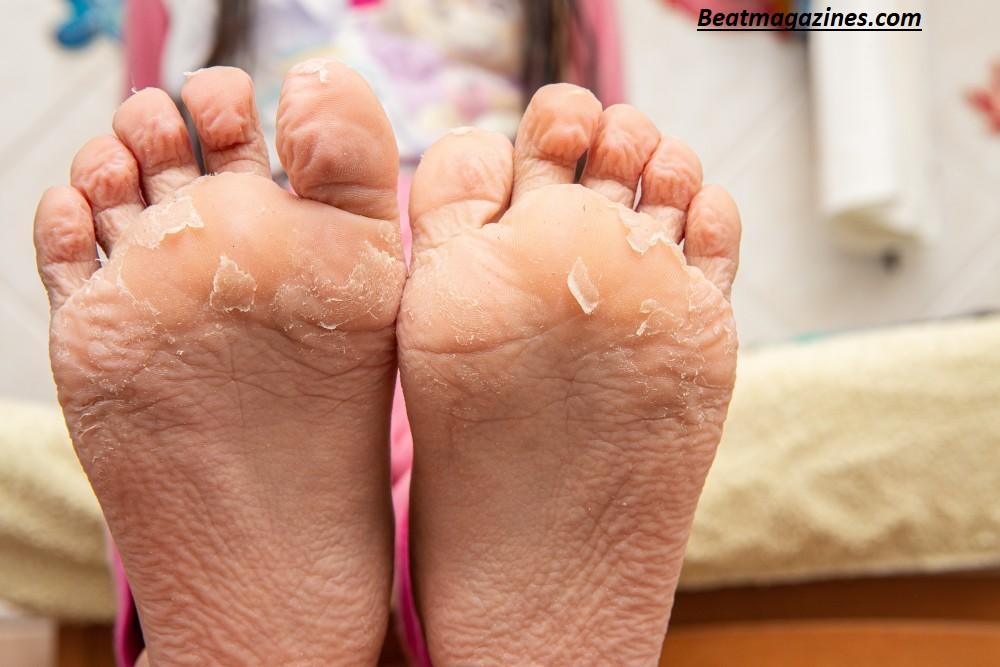
7 Surprising Causes
Peeling feet aren’t always just about dryness. In fact, there are several surprising causes that many people overlook. These include hidden fungal infections, chronic skin conditions, and even dehydration.
Environmental factors like heat, friction from shoes, and excessive sweating can also damage the skin barrier.
Sometimes, your body may even use peeling skin as a signal of internal imbalance, such as immune system reactions seen in psoriasis or eczema. Ignoring these signs can make the condition worse over time.
Let’s break down the 7 most common and surprising causes of peeling skin on feet so you can identify what’s really happening.
Athlete’s Foot
Athlete’s foot is one of the most common causes of peeling feet. It is a type of fungal infection feet that develops in warm, moist environments like sweaty shoes or public showers.
Symptoms include itching, redness, burning, and peeling skin, especially between the toes.
This condition spreads easily and can worsen if not treated promptly. People with hyperhidrosis (sweaty feet) are more prone to developing it. The fungus feeds on the outer layer of skin, causing it to break down and peel.
Treatment usually involves antifungal creams, keeping feet dry, and maintaining proper hygiene.
Extreme Dry Skin
Dry skin feet is a very common reason for peeling. When your skin lacks moisture, it becomes rough, flaky, and prone to cracking. This often leads to cracked heels and visible peeling, especially in colder weather.
Frequent washing, hot showers, and harsh soaps can strip natural oils from your skin, making dryness worse. Unlike infections, dry skin usually doesn’t itch intensely or cause redness.
The solution is simple: use a thick moisturizer, avoid hot water, and follow a consistent foot care routine. Hydrating your skin regularly helps restore its protective barrier and prevents further peeling.
Eczema Flare-Ups
Eczema feet can cause peeling, redness, and intense itching. This skin condition is linked to inflammation and is often triggered by allergens, irritants, or stress. The skin becomes dry, sensitive, and prone to cracking.
Unlike simple dryness, eczema can cause painful flare-ups that require special care. Scratching can worsen peeling and even lead to infection.
Managing eczema involves using gentle skincare products, avoiding triggers, and applying medicated creams when necessary. Keeping the skin moisturized is essential to reduce symptoms and prevent further peeling.
Psoriasis
Psoriasis feet is an autoimmune condition that speeds up skin cell production. This leads to thick, scaly patches that may peel over time. The skin can appear red, inflamed, and covered with silvery scales.
Psoriasis is not contagious, but it can be chronic and require long-term management. Triggers include stress, infections, and environmental factors.
Unlike dry skin or fungal infections, psoriasis often affects other parts of the body as well. Treatment may include topical creams, light therapy, or prescribed medications to control inflammation and reduce peeling.
Sweaty Feet
Excessive sweating, known as hyperhidrosis (sweaty feet), can weaken the skin barrier and lead to peeling. Constant moisture creates the perfect environment for bacteria and fungi, increasing the risk of fungal infection feet.
Sweaty feet may feel damp, smell unpleasant, and develop soft, peeling skin. Wearing tight or non-breathable shoes can make the problem worse.
To manage this, keep your feet dry, use antifungal powders, and choose breathable footwear. Addressing sweat levels is key to preventing peeling and maintaining healthy skin.
Dehydration
Dehydration skin can affect your entire body, including your feet. When your body lacks water, your skin loses elasticity and becomes dry, flaky, and prone to peeling.
Many people overlook hydration as a cause of peeling feet, but it plays a major role in skin health. Without enough fluids, your skin cannot repair itself effectively.
Drinking enough water daily and eating water-rich foods can improve skin hydration. Pair this with a good moisturizing routine to restore balance and reduce peeling.
Skin Damage
Daily wear and tear can cause skin damage on your feet. Friction from tight shoes, long walks, or standing for extended periods can irritate the skin and lead to peeling.
Sunburn, chemical exposure, or harsh skincare products can also damage the outer layer of skin. This results in dryness, redness, and eventual peeling.
Protecting your feet with proper footwear and avoiding harsh conditions is essential. Using soothing creams and maintaining a consistent foot care routine can help repair damaged skin and prevent further issues.
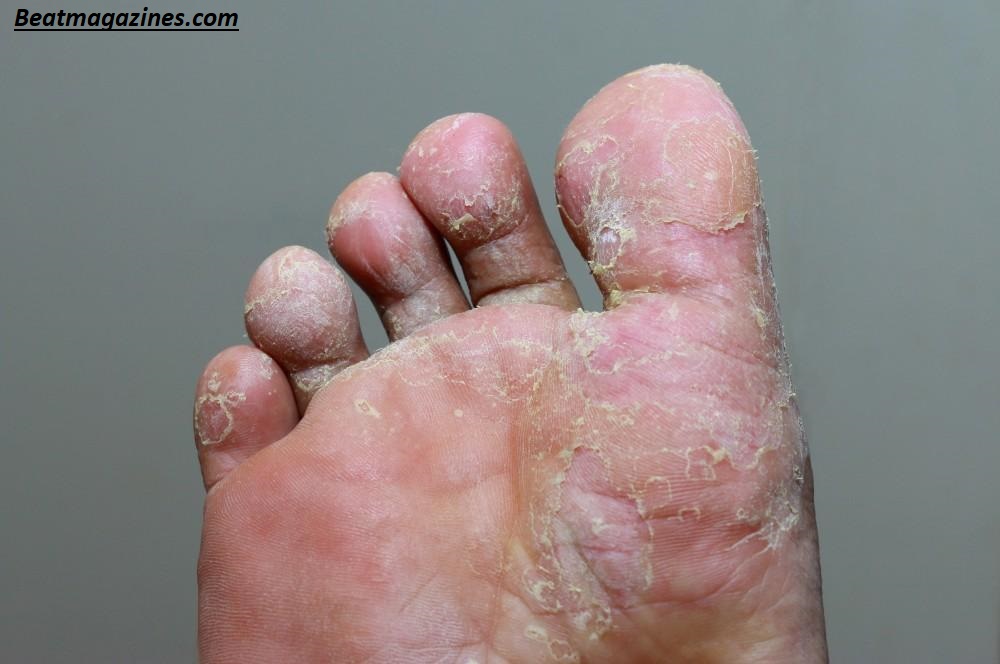
How to Stop Peeling Feet Fast
If you want to stop peeling feet quickly, the first step is identifying the root cause. Whether it’s dry skin feet, eczema feet, or a fungal infection feet, treating the underlying issue is essential.
Start by keeping your feet clean and dry. Wash them daily with mild soap and lukewarm water, then dry thoroughly—especially between the toes.
Moisturizing is crucial for restoring the skin barrier, so use a thick cream designed for cracked heels and dry skin.
If you suspect athlete’s foot, use antifungal treatments consistently. For conditions like psoriasis or eczema, medicated creams may be necessary.
Avoid walking barefoot in public places and wear breathable shoes to reduce moisture buildup. If you have hyperhidrosis (sweaty feet), consider using foot powders or antiperspirants.
Consistency is key. A proper foot care routine that includes cleansing, moisturizing, and protection can significantly reduce peeling within days.
Best Home Remedies
There are several effective home remedies that can help treat peeling feet naturally. One of the best methods is soaking your feet in warm water for 10–15 minutes to soften the skin. You can add salt or mild cleansers to enhance the effect.
After soaking, gently exfoliate using a pumice stone to remove dead skin. Be careful not to overdo it, as this can worsen irritation.
Apply natural oils like coconut oil or olive oil to deeply moisturize dry skin feet. These oils help lock in moisture and repair damaged skin.
Aloe vera is another excellent remedy for soothing inflammation caused by eczema feet or irritation. It cools the skin and promotes healing.
For fungal infection feet, natural antifungal options like tea tree oil may help, but they should be used cautiously.
Staying hydrated is also important. Addressing dehydration skin from within can improve overall skin health.
Consistency with these remedies, combined with a solid foot care routine, can deliver noticeable results over time.
When to See a Doctor
While peeling feet are often harmless, there are times when medical attention is necessary. If your symptoms persist despite home treatment, it may indicate a more serious condition like psoriasis feet or a severe fungal infection feet.
Seek help if you experience:
- Severe itching or burning
- Painful cracks or bleeding (cracked heels)
- Spreading redness or swelling
- Signs of infection (pus, odor)
People with diabetes or weakened immune systems should be especially cautious, as foot problems can escalate quickly.
A doctor can properly diagnose whether the issue is eczema, psoriasis, or another skin condition. They may prescribe stronger treatments such as medicated creams or oral medications.
Early intervention can prevent complications and ensure faster recovery. If you’re unsure about the cause, it’s always better to get a professional opinion.
FAQs
Why are my feet peeling but not itchy?
This is often due to dry skin feet or mild dehydration skin.
Can dehydration cause peeling feet?
Yes, lack of hydration can lead to dry, peeling skin.
Is peeling skin always athlete’s foot?
No, it could also be eczema, psoriasis, or skin damage.
How long does peeling feet last?
It depends on the cause, but usually a few days to weeks.
What’s the fastest way to fix peeling feet?
Moisturize, treat infections, and follow a proper foot care routine.
Conclusion
Peeling feet may seem like a small problem, but it can reveal a lot about your overall skin health.
Whether it’s caused by dry skin feet, eczma feet, psoriasis feet, or a fungal infection feet, understanding the root cause is the key to effective treatment.
In many cases, simple lifestyle changes—like improving hydration, wearing breathable shoes, and following a proper foot care routine—can make a big difference.
Addressing issues like hyperhidrosis (sweaty feet) and preventing cracked heels can also help maintain healthy skin.
What sets this guide apart is its focus on both common and overlooked causes, giving you a complete picture of why your feet may be peeling.
Instead of just treating symptoms, you can now take targeted steps to fix the problem at its source.
If your symptoms persist or worsen, don’t ignore them. Seeking medical advice can prevent complications and ensure proper care.
Healthy feet are not just about appearance—they’re essential for comfort and mobility. Take care of them, and they’ll support you every step of the way.