
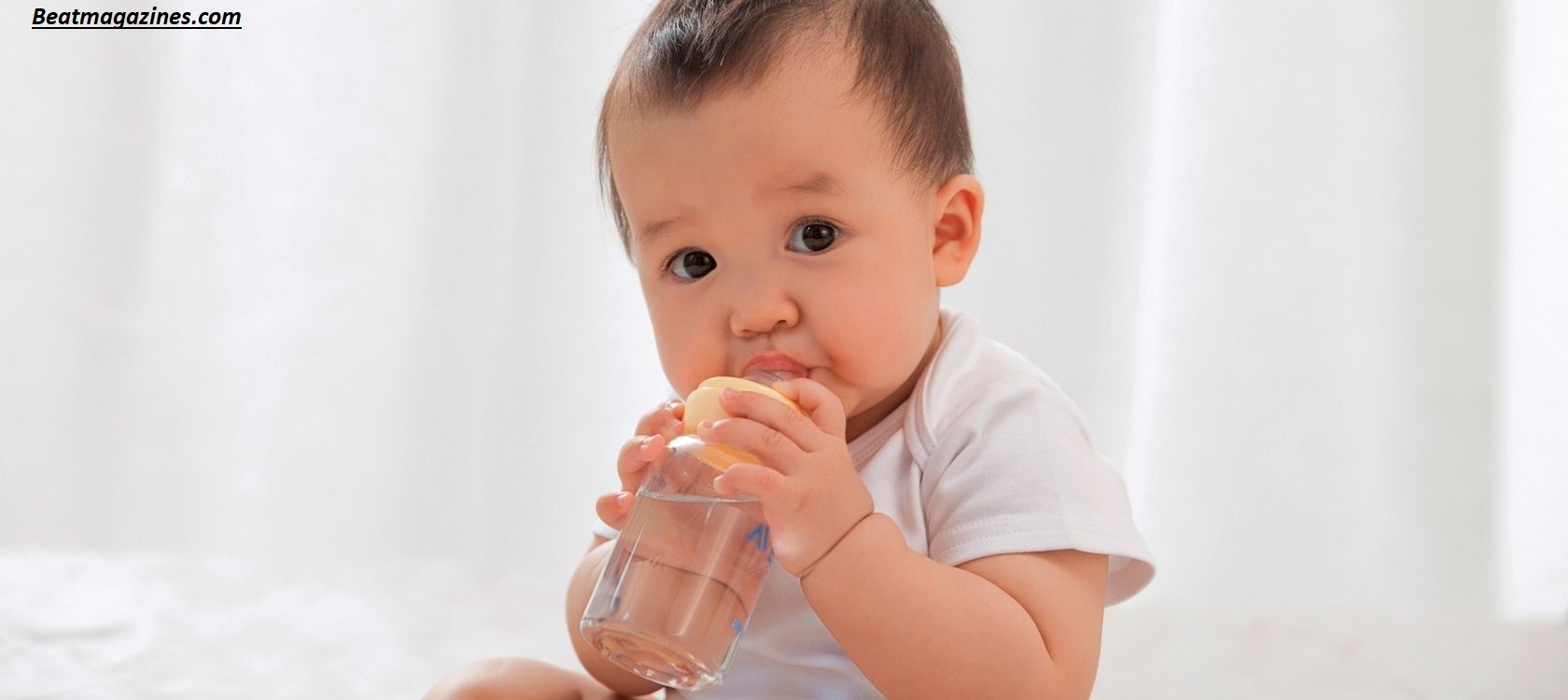
Why Cannot Babies Have Water? Babies can’t have water because their bodies are not ready to handle it safely.
Giving water to infants under six months can lead to a dangerous condition called water intoxication, where excess water dilutes essential nutrients like sodium.
This can disrupt normal body functions and even affect brain activity. Babies get all the hydration they need from breast milk or formula, which also provides vital nutrients.
Their kidneys are still developing, so they cannot process extra water properly.
That’s why health experts recommend avoiding water until around six months of age, when small amounts can be introduced safely.
Table of Contents
Quick Table
| Topic | Key Insight |
|---|---|
| Can newborns drink water? | No, not before 6 months |
| Why can’t babies have water? | Kidneys are immature + risk of water intoxication |
| Main danger | Sodium imbalance (hyponatremia) |
| Baby hydration needs | Met through breast milk or formula |
| When can babies drink water? | Around 6 months (small amounts) |
| How much water is safe? | 2–4 ounces after 6 months |
| Biggest mistake | Replacing milk with water |
Why Can’t Babies Have Water?
Many parents ask, why can’t babies have water, especially in hot weather or when the baby seems thirsty.
The answer is simple but very important: babies under 6 months do not need water, and it can actually be dangerous for them.
A newborn’s body is very different from an adult’s. Their baby kidney development is still incomplete, which means their kidneys cannot properly handle excess water.
When a baby drinks water, it can dilute the sodium levels in their bloodstream, leading to a serious condition called water intoxication or hyponatremia.
Another reason is that babies have very small stomachs.
If you give water, it fills them up quickly and reduces their intake of breast milk or formula, which are packed with essential nutrients. This can affect their growth and overall health.
When it comes to baby hydration needs, both breast milk and formula already contain the perfect amount of water and nutrients your baby requires.
That’s why pediatricians strongly advise against giving water to infants under 6 months.
So, if you’re wondering is water safe for infants, the answer is clear: not in the early months.
What Happens If You Give a Baby Water?
Understanding the giving water to baby risks is crucial for every parent. While a small sip may not always cause harm, regularly giving water to a young baby can lead to serious health problems.
The biggest danger is water intoxication, a condition where excess water dilutes sodium levels in the blood.
This can disrupt brain function and lead to symptoms such as irritability, drowsiness, low body temperature, and even seizures in severe cases.
Another issue is nutritional imbalance. When babies drink water, they consume less breast milk or formula. This means they miss out on essential nutrients like vitamins, fats, and calories needed for growth.
Over time, this can lead to poor weight gain.
Water can also interfere with digestion. Babies’ systems are designed to process milk, not plain water. Introducing water too early can upset their delicate balance.
Parents often think water helps with hydration, but in reality, it does the opposite. It replaces nutrient-rich fluids with something that has no nutritional value.
So, while it may seem harmless, the risks of giving water to a baby are real and should not be ignored.
Why Babies Don’t Need Water
A common concern among parents is understanding baby hydration needs. The truth is, babies get all the hydration they need from breast milk or formula.
Breast milk is about 85–90% water, making it perfectly designed to keep your baby hydrated—even in hot climates. Similarly, infant formula is carefully prepared to provide both hydration and nutrition.
This is why the debate of formula vs water always leans heavily in favor of formula during early months.
Babies also feed frequently, which ensures they are constantly replenishing fluids. Their bodies are naturally adapted to this cycle, so additional water is unnecessary.
Another key factor is baby kidney development. Since their kidneys are still maturing, they cannot regulate water effectively. Giving extra water puts unnecessary stress on their system.
Parents sometimes assume that if they feel thirsty, their baby must feel the same. However, babies’ bodies function differently. Their hydration system is already optimized through milk intake.
So, if you’re wondering can newborns drink water, the answer remains no. Milk alone is more than enough to meet all their hydration and nutritional requirements in the first six months.
When Can Babies Start Drinking Water?
One of the most searched questions is when can babies drink water. According to pediatric experts, babies can start having small amounts of water at around 6 months of age.
This milestone usually совпides with the introduction of solid foods. As babies begin eating solids, their bodies can handle a little extra fluid, and their baby kidney development is more advanced.
However, even after 6 months, water should only be given in small amounts. Breast milk or formula should still remain the primary source of nutrition and hydration.
At this stage, water helps with swallowing solid foods and prevents constipation. But it should never replace milk feeds.
If you’re still asking is water safe for infants, the answer becomes “yes—but only after 6 months and in controlled amounts.”
It’s also important to use clean, safe drinking water. Boiled and cooled water is often recommended for infants in many regions.
Remember, introducing water is a gradual process. Start slow, observe your baby’s response, and always prioritize nutrient-rich feeding over plain water.
How Much Water Is Safe?
After learning when can babies drink water, the next important question is how much is safe.
For babies aged 6–12 months, experts recommend about 2 to 4 ounces (60–120 ml) of water per day. This amount supports digestion without interfering with milk intake.
Even at this stage, baby hydration needs are primarily met through breast milk or formula. Water is only a supplement—not a replacement.
Giving too much water can still be harmful, even after 6 months. It can reduce appetite, leading to lower intake of essential nutrients. It may also disrupt electrolyte balance if consumed in excess.
Parents should offer water in a cup rather than a bottle. This helps develop drinking skills and prevents overconsumption.
The key is moderation. Watch for cues—if your baby is eating solids and seems comfortable, small sips of water are enough.
Avoid adding sugar, honey, or flavoring to water. Plain, clean water is always the safest option.
Understanding safe limits helps reduce the giving water to baby risks and ensures your baby stays healthy and properly nourished.
Common Myths About Babies and Water
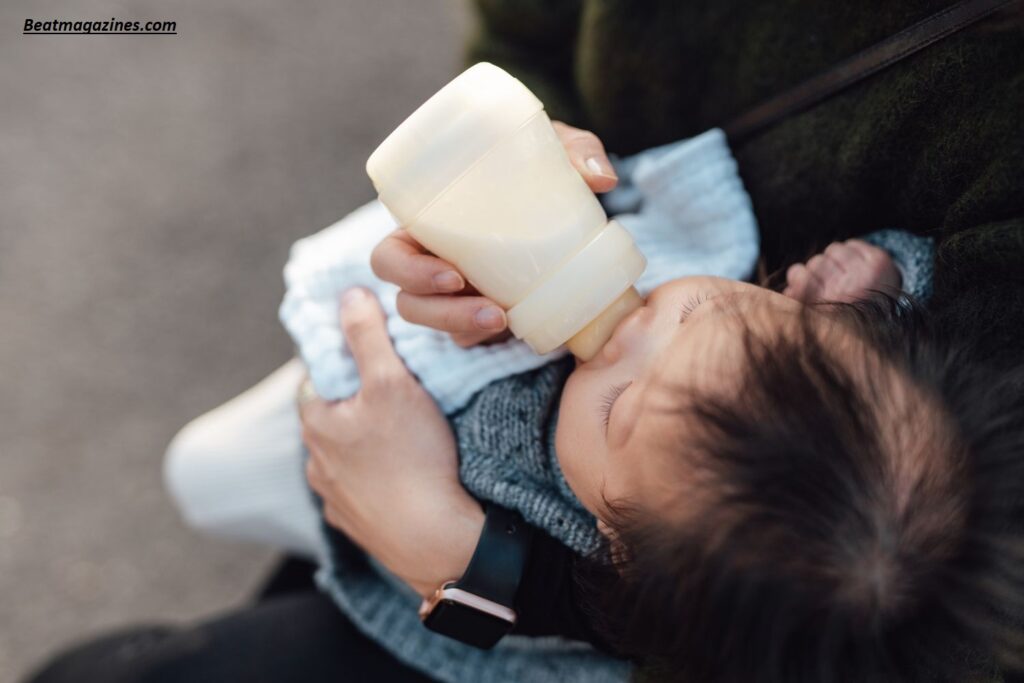
There are many misconceptions about why can’t babies have water, and these myths can sometimes lead to risky decisions.
Myth 1: Babies need water in hot weather
Truth: Breast milk or formula already adjusts to provide hydration, even in heat.
Myth 2: Water helps babies sleep better
Truth: Water does not improve sleep and may actually disrupt feeding routines.
Myth 3: Giving water prevents dehydration
Truth: It can actually increase the risk of dehydration by reducing milk intake.
Myth 4: A little water is always safe
Truth: Even small amounts can be harmful for newborns due to baby kidney development limitations.
Myth 5: Formula vs water—both hydrate equally
Truth: Formula provides essential nutrients; water does not.
Understanding these myths helps parents make better decisions. Many of these beliefs come from outdated practices or cultural habits, but modern pediatric science clearly explains the risks.
So next time you hear advice suggesting water for babies, remember to rely on medical guidance, not myths.
Signs Your Baby Is Getting Too Much Water
Recognizing the warning signs of excessive water intake is critical. Since babies cannot communicate clearly, parents must stay alert.
Common symptoms of water imbalance include:
- Unusual sleepiness
- Irritability
- Swelling (especially face)
- Low body temperature
- Vomiting
- Seizures (in severe cases)
These symptoms are often linked to water intoxication, which occurs when sodium levels drop dangerously low.
Another subtle sign is reduced feeding. If your baby is drinking water and refusing milk, it’s a red flag. This can lead to nutritional deficiencies over time.
Monitoring diaper output can also help. Too much urination may indicate excessive water intake.
Understanding giving water to baby risks allows parents to act quickly if something seems wrong.
If you notice any concerning symptoms, seek medical help immediately. Early intervention can prevent serious complications.
FAQ’s
Can newborns drink water?
No, newborns should not drink water before 6 months.
When can babies drink water safely?
Around 6 months, in small amounts.
Is water safe for infants at all?
Yes, but only after 6 months and in limited quantities.
What are baby hydration needs?
Breast milk or formula fully meets hydration needs.
What is the biggest risk of giving water?
Water intoxication and nutrient dilution.
Conclusion
Understanding why can’t babies have water is essential for every parent who wants to ensure their child’s safety and healthy development.
While it may seem harmless, giving water too early can lead to serious risks, including water intoxication, poor nutrition, and electrolyte imbalances.
In the first six months of life, babies rely entirely on breast milk or formula to meet their baby hydration needs. These sources are perfectly balanced to provide both fluids and nutrients.
Introducing water too soon disrupts this balance and puts unnecessary strain on their developing bodies.
As your baby grows and reaches the six-month milestone, small amounts of water can be introduced safely. However, even then, moderation is key. Milk should always remain the primary source of nutrition.
By understanding when can babies drink water, recognizing the giving water to baby risks, and avoiding common myths, you can make informed decisions that protect your baby’s health.
Parenting comes with many questions, but when it comes to water, the rule is simple: wait, be cautious, and prioritize nutrition first.