
Why Does It Hurt to Swallow? Pain while swallowing, medically known as odynophagia, can result from several causes.
Common reasons include throat infections such as strep throat, tonsillitis, or viral infections, which inflame the throat tissues.
Acid reflux or GERD can irritate the esophagus, causing discomfort. Other causes include swollen tonsils, throat ulcers, allergies, or injuries from sharp foods.
Rarely, more serious conditions like esophageal infections or tumors can make swallowing painful.
Symptoms often include soreness, burning, or a feeling of obstruction. If pain persists, is severe, or is accompanied by fever, difficulty breathing, or vomiting, consult a doctor immediately for proper diagnosis and treatment.
Table of Contents
Quick Table
| Cause | What Happens | Key Symptoms | Severity |
|---|---|---|---|
| Tonsillitis | Infection of tonsils | Fever, swelling, sore throat | Common |
| Postnasal Drip | Mucus drains into throat | Irritation, cough | Mild |
| Acid Reflux (GERD) | Acid irritates throat lining | Burning sensation, hoarseness | Moderate |
| Swollen Lymph Nodes | Immune response to infection | Tender neck, localized pain | Common |
| Peritonsillar Abscess | Pus-filled infection near tonsils | Severe pain, difficulty swallowing | Serious |
| Tooth Infection | Bacterial infection spreads | Jaw pain, ear pain | Moderate |
| Nerve Pain | Nerve irritation (glossopharyngeal neuralgia) | Sharp, stabbing pain | Rare |
What Causes Pain on One Side of the Throat When Swallowing?
Pain on one side of the throat when swallowing—also called localized pain or unilateral odynophagia—is usually caused by inflammation, infection, or irritation affecting a specific area of your throat anatomy.
This includes structures like the tonsils, pharynx, and esophagus.
Unlike general sore throat pain, one-sided discomfort often points to a targeted issue rather than a widespread condition. For example, an infection like tonsillitis may affect one tonsil more than the other.
Similarly, postnasal drip can irritate one side depending on how mucus flows.
Another common cause is acid reflux (GERD), where stomach acid travels up into the throat, causing irritation and swallowing discomfort.
In some cases, the pain may feel worse on one side due to sleeping position or uneven inflammation.
More serious conditions, such as a peritonsillar abscess or even throat cancer, can also lead to persistent one-sided pain. These are less common but should not be ignored.
Understanding the root cause is important because symptoms like fever, ear pain, swelling, or difficulty swallowing can help identify whether the issue is mild or requires medical attention.

7 Possible Reasons
One-sided throat pain when swallowing can come from several underlying causes. Most are related to infection, inflammation, or irritation, but some may involve deeper issues like nerve pain or structural problems.
Tonsillitis
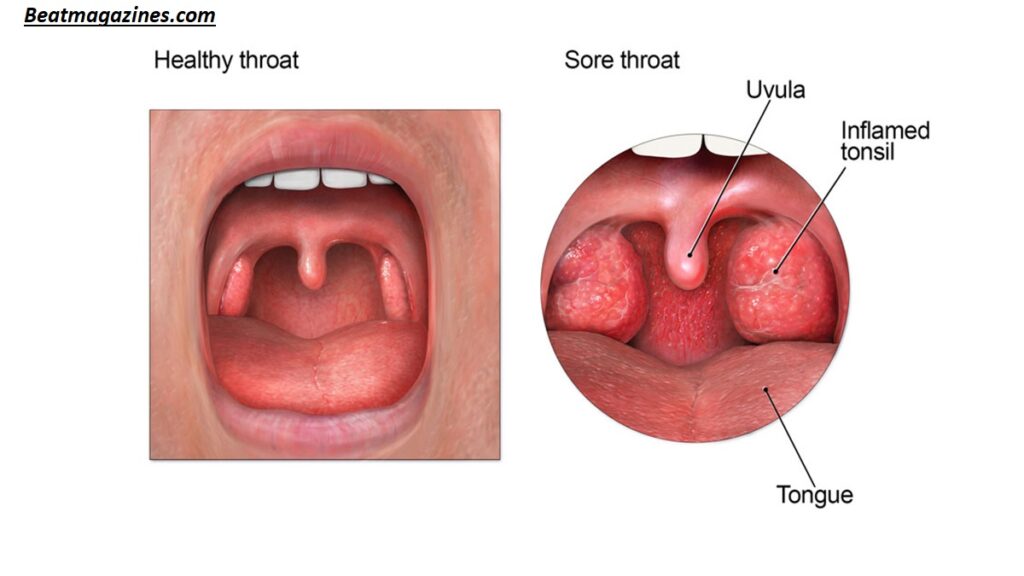
Tonsillitis is one of the most common causes of one-sided throat pain. It occurs when the tonsils become inflamed due to a viral or bacterial infection.
Sometimes, one tonsil is more affected than the other, leading to localized pain. Symptoms include fever, redness, swelling, and difficulty swallowing.
You may also notice white patches or pus on the tonsils. This condition often causes swallowing discomfort and may be accompanied by bad breath. Treatment usually involves rest, fluids, and sometimes antibiotics if bacteria are involved.
Postnasal Drip
Postnasal drip happens when excess mucus from the nose drips down the back of the throat.
This can cause irritation and inflammation on one side, especially if you sleep on one side more often. It often leads to a scratchy throat, coughing, and the feeling of mucus stuck in your throat.
Over time, this irritation can cause pain when swallowing. Allergies, colds, or sinus infections are common triggers. Managing the underlying cause can help reduce symptoms.
Acid Reflux
Acid reflux (GERD) occurs when stomach acid flows back into the esophagus, causing irritation. This can lead to burning throat pain, often worse on one side.
The acid damages the lining of the throat, leading to inflammation and swallowing discomfort. Symptoms may include heartburn, hoarseness, and a sour taste in the mouth.
Chronic GERD can worsen throat irritation and should be managed through diet changes and medication.
Swollen Lymph Nodes
Swollen lymph nodes are part of your immune system’s response to infection. When fighting bacteria or viruses, lymph nodes can become enlarged and tender, often on one side.
This can cause localized pain that worsens when swallowing. You might feel a lump or tenderness in your neck. This condition is usually temporary and resolves once the infection clears.
Peritonsillar Abscess
A peritonsillar abscess is a serious infection where pus forms near one tonsil. It causes severe, sharp pain on one side of the throat and can make swallowing extremely difficult. Other symptoms include fever, swelling, ear pain, and a muffled voice. This condition requires immediate medical treatment, often involving drainage and antibiotics.
Tooth Infection
A tooth infection can spread bacteria to nearby tissues, including the throat. This can cause pain that radiates to one side, especially when swallowing.
Symptoms may include jaw pain, swelling, bad breath, and sensitivity. Because nerves in the mouth and throat are connected, dental issues can easily lead to throat discomfort.
Nerve Pain (Glossopharyngeal Neuralgia)
Nerve pain, specifically glossopharyngeal neuralgia, is a rare condition that causes intense, stabbing pain in the throat. The pain is usually one-sided and triggered by swallowing, talking, or coughing.
Unlike infections, this pain is caused by nerve irritation rather than inflammation. Though uncommon, it can be very painful and may require specialized treatment.
Other Symptoms to Watch
When you experience one-sided throat pain, it’s important to pay attention to other symptoms that may help identify the cause. These symptoms often indicate whether the issue is due to a mild irritation or a more serious infection.
Common symptoms include:
- Fever – suggests infection like tonsillitis or abscess
- Ear pain – shared nerve pathways can cause referred pain
- Swelling – often linked to inflammation or lymph node enlargement
- Difficulty swallowing – may indicate severe irritation or blockage
- Hoarseness or voice changes – common in laryngitis or GERD
- Bad breath – often seen in infections or abscesses
You may also notice canker sores in your mouth, which can cause localized irritation and pain when swallowing. In rare cases, persistent symptoms like unexplained weight loss, ongoing pain, or difficulty swallowing could signal something more serious, such as throat cancer.
Monitoring these signs helps determine whether simple home remedies will work or if you need to seek medical advice.
When to See a Doctor
While many causes of one-sided throat pain are harmless and resolve on their own, certain symptoms require medical attention. You should see a doctor if your pain lasts more than a few days or worsens over time.
Seek medical help if you experience:
- Severe pain when swallowing
- High fever
- Difficulty breathing
- Persistent swelling on one side
- Ear pain that doesn’t go away
- Trouble opening your mouth
- Signs of a peritonsillar abscess
If your symptoms are linked to acid reflux (GERD) and don’t improve with lifestyle changes, a doctor can recommend proper treatment.
In rare cases, long-lasting throat pain may be a sign of throat cancer, especially if accompanied by weight loss, voice changes, or difficulty swallowing. Early diagnosis is important, so don’t ignore persistent symptoms.
A healthcare professional may examine your throat anatomy, check for infection, and recommend tests if needed. Getting the right diagnosis ensures effective treatment and faster relief.
How to Treat One-Sided Throat Pain
Treatment depends on the underlying cause, but many cases can be managed with simple home remedies and lifestyle changes.
Home Remedies
- Drink warm fluids like tea or soup
- Gargle with salt water to reduce inflammation
- Stay hydrated to soothe irritation
- Use throat lozenges for relief
- Rest your voice
Medical Treatments
- Antibiotics for bacterial infections like tonsillitis
- Antihistamines for postnasal drip
- Acid reducers for GERD
- Pain relievers for inflammation
If your pain is caused by a tooth infection, dental treatment is necessary. For more serious issues like a peritonsillar abscess, medical procedures may be required.
Managing triggers like smoking, spicy foods, or allergies can also reduce symptoms. The goal is to reduce inflammation, irritation, and infection while improving overall throat health.

FAQs
Why does only one side of my throat hurt when I swallow?
This usually happens due to localized infection or irritation, such as tonsillitis, postnasal drip, or swollen lymph nodes.
Is one-sided throat pain serious?
Most cases are mild, but severe or long-lasting pain could indicate conditions like a peritonsillar abscess or throat cancer.
Can acid reflux cause pain on one side?
Yes, acid reflux (GERD) can irritate the throat unevenly, causing one-sided discomfort.
How long does one-sided throat pain last?
It depends on the cause. Minor irritation may last a few days, while infections may take longer.
What is odynophagia?
Odynophagia is the medical term for pain when swallowing, often linked to inflammation or infection.
FAQ’S
Can allergies cause one-sided throat pain?
Yes, allergies can lead to postnasal drip and irritation.
Is ear pain related to throat pain?
Yes, shared nerves can cause referred pain.
Can stress cause throat pain?
Not directly, but it may worsen symptoms.
Do canker sores cause pain when swallowing?
Yes, they can cause localized irritation.
When should I worry about throat pain?
If it lasts more than a week or worsens.
Conclusion
One-sided throat pain when swallowing can feel alarming, but in most cases, it’s caused by common conditions like tonsillitis, postnasal drip, or acid reflux (GERD).
These issues lead to inflammation, irritation, and localized pain, making swallowing uncomfortable.
Understanding your symptoms is key. If you notice signs like fever, swelling, ear pain, or difficulty swallowing, it may point to an infection or more serious condition such as a peritonsillar abscess.
In rare cases, persistent pain could be linked to throat cancer, which is why ongoing symptoms should never be ignored.
The good news is that many cases can be treated with simple home remedies, including hydration, warm fluids, and rest. Addressing underlying causes—like allergies, infections, or reflux—can significantly improve your condition.
By recognizing the role of your throat anatomy (tonsils, pharynx, esophagus) and understanding how different conditions affect them, you can take the right steps toward relief.
Always pay attention to your body and seek medical advice if symptoms persist or worsen.
In short, while one-sided throat pain is usually not serious, knowing the cause—and acting early—can make all the difference in your recovery.