
Why Is My Tongue White? A white tongue usually happens when bacteria, food debris, and dead cells get trapped between the small bumps (papillae) on the tongue’s surface.
This buildup can make the tongue appear coated or pale.
Common causes include poor oral hygiene, dehydration, dry mouth, smoking, or eating soft foods that don’t naturally clean the tongue.
Sometimes a white tongue may also be linked to conditions like oral thrush, leukoplakia, or geographic tongue.
Brushing your tongue gently, staying hydrated, and maintaining good oral hygiene often help clear the coating.
If the white color lasts more than two weeks or causes pain, it’s best to see a doctor or dentist.
Table of Contents
Quick Table
| Topic | Key Insight |
|---|---|
| Main Cause | Bacteria buildup & dead cells on tongue |
| Common Condition | Oral thrush (fungal infection caused by Candida) |
| Other Causes | Dehydration, poor oral hygiene, leukoplakia, geographic tongue |
| Symptoms | Bad breath, coated tongue, white patches, dry mouth |
| Risk Level | Usually harmless, sometimes serious |
| Quick Fix | Tongue scraping + better mouth hygiene |
| When to Worry | Pain, thick patches, long-lasting symptoms |
What Does a White Tongue Mean?
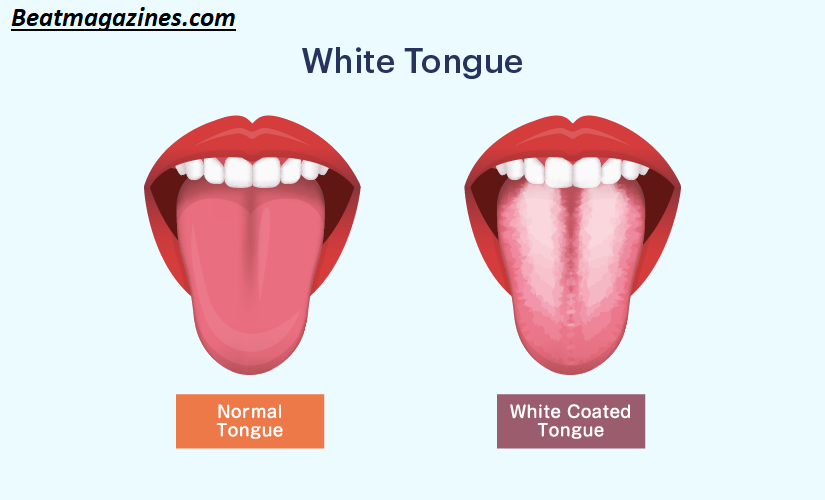
If you’re wondering, “why is my tongue white?”, the answer usually comes down to a buildup of bacteria, debris, and dead cells on the tongue’s surface.
Your tongue is covered in tiny bumps called papillae. When these become inflamed or swollen, they trap particles like food, bacteria, and even fungi.
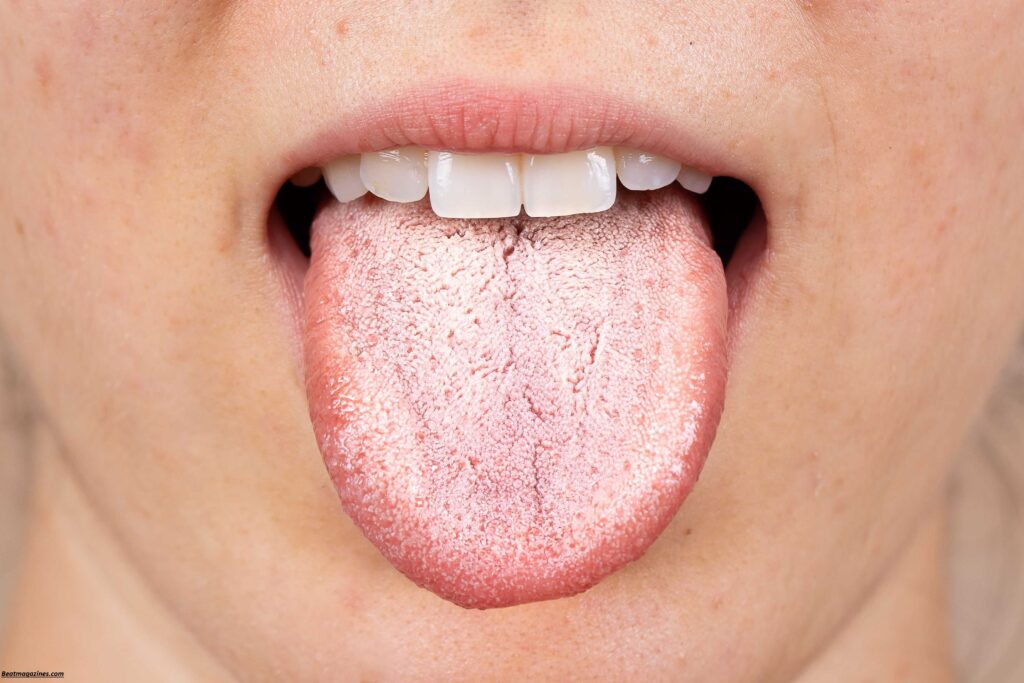
This buildup creates a coated tongue, which often looks white or pale. In many cases, it’s linked to poor oral hygiene or dry mouth, where saliva isn’t effectively cleaning your mouth.
Saliva plays a crucial role in maintaining oral health, so when it’s reduced, bacteria grow more easily.
Sometimes, a white tongue can also indicate a fungal infection, especially oral thrush, caused by an overgrowth of Candida.
This is more common in people with weakened immune systems, those taking antibiotics, or individuals with certain health conditions.
Other times, the condition is harmless and temporary—like waking up with a white tongue due to mild dehydration overnight.
In simple terms, a white tongue is your body signaling that something is off with your mouth hygiene, hydration, or internal balance. Understanding the underlying cause is key to treating it effectively.
7 Common Causes of White Tongue
There are several white tongue causes, ranging from harmless habits to underlying health issues:
1. Poor Oral Hygiene
Not brushing or cleaning your tongue leads to bacteria buildup and dead cells on tongue, forming a white coating.
2. Dehydration
Lack of water reduces saliva production, causing dry mouth and allowing bacteria to thrive.
3. Oral Thrush
A common fungal infection caused by Candida, leading to thick white patches on tongue and sometimes discomfort.
4. Leukoplakia
This condition causes thick, white patches due to irritation, often linked to smoking or alcohol use.
5. Geographic Tongue
An inflammatory condition where patches appear irregular and sometimes white, caused by inflammation of the tongue surface.
6. Smoking or Alcohol Use
These irritate the tongue and contribute to coated tongue formation.
7. Illness or Weak Immune System
A weakened immune system makes it easier for infections like oral thrush to develop.
Understanding these causes helps you identify whether your condition is temporary or needs medical attention.
Is a White Tongue Dangerous?
In most cases, a white tongue is not dangerous. It’s usually a mild issue related to oral hygiene, dehydration, or temporary inflammation. However, there are situations where it could indicate a more serious problem.
For example, oral thrush can cause discomfort and may spread if untreated, especially in people with weakened immune systems.
Similarly, leukoplakia can sometimes be a warning sign of pre-cancerous changes, particularly in smokers.
If your white tongue comes with pain, persistent patches, or difficulty eating, it’s important to take it seriously. Chronic inflammation or untreated infections can worsen over time.
Another factor is duration. A white tongue that lasts more than two weeks, despite improved mouth hygiene, may require medical evaluation.
The key takeaway is this:
- Temporary white coating = usually harmless
- Persistent or painful symptoms = possible health concern
Listening to your body and maintaining good oral health habits can prevent complications.
Symptoms You Shouldn’t Ignore
A white tongue often comes with other symptoms that help identify the underlying issue. Paying attention to these signs can make a big difference.
Common Symptoms:
- Bad breath (caused by bacteria buildup)
- Coated tongue (thick or patchy white layer)
- White patches on tongue or inside cheeks
- Dry mouth or sticky feeling
Warning Signs:
- Pain or burning sensation
- Difficulty swallowing
- Bleeding patches
- Loss of taste
- Persistent symptoms (more than 2 weeks)
These symptoms may indicate oral thrush, infection, or even more serious conditions like leukoplakia.
A healthy tongue should be pink and slightly moist. When it turns white and develops unusual textures, it’s often due to inflammation, poor mouth hygiene, or microbial overgrowth.
Ignoring these symptoms can allow a simple issue to develop into a bigger problem. Early action—like improving hygiene or seeking treatment—can prevent complications.
How to Get Rid of White Tongue Fast
If you’re searching for how to get rid of white tongue, the good news is that most cases are easy to treat.
Effective Treatments:
1. Tongue Scraping
Using a scraper removes bacteria buildup and dead cells on tongue instantly.
2. Improve Oral Hygiene
Brush twice daily and clean your tongue to maintain proper oral health.
3. Stay Hydrated
Drinking water helps prevent dry mouth and flush out bacteria.
4. Antifungal Treatment
For oral thrush, doctors may prescribe antifungal medications to control Candida.
5. Use Mouthwash
Antibacterial rinses improve overall mouth hygiene.
6. Avoid Smoking & Alcohol
These irritate the tongue and worsen symptoms.
7. Eat a Balanced Diet
Support your immune system with healthy foods.
Consistency is key. While some remedies work instantly, lasting results come from maintaining good habits.
When to See a Doctor
Although most cases are harmless, there are times when medical attention is necessary.
See a doctor if:
- The white coating lasts more than 2 weeks
- You experience pain or burning
- There are thick white patches on tongue
- You have difficulty eating or swallowing
- Symptoms worsen despite good oral hygiene
Doctors may examine your tongue and, if needed, perform tests to rule out infections or conditions like leukoplakia or severe fungal infection.
People with weakened immune systems, diabetes, or those taking antibiotics should be especially cautious, as they’re more prone to oral thrush.
Early diagnosis ensures proper treatment and prevents complications.
Prevention Tips
Preventing a white tongue is simple if you maintain proper habits.
Best Prevention Strategies:
- Brush and floss daily
- Clean your tongue regularly
- Stay hydrated to avoid dehydration
- Maintain good mouth hygiene
- Avoid tobacco and alcohol
- Eat a balanced diet to support your immune system
Regular dental checkups also help detect issues early.
Good oral health is not just about teeth—it includes your tongue too. Keeping your mouth clean reduces the risk of bacteria buildup, infections, and inflammation.

FAQ’s
Why is my tongue white in the morning?
Due to dehydration and reduced saliva during sleep.
Is white tongue a sign of illness?
Sometimes, especially if linked to oral thrush or infection.
Can dehydration cause white tongue?
Yes, it leads to dry mouth and bacteria growth.
How do I clean my tongue properly?
Use tongue scraping and brush gently.
Is white tongue permanent?
No, it usually goes away with proper care.
Conclusion
So, why is my tongue white? The answer usually lies in a combination of bacteria buildup, dead cells on the tongue, and lifestyle factors like dehydration or poor oral hygiene.
In most cases, it’s a harmless and temporary condition that can be easily treated with better mouth hygiene, hydration, and simple practices like tongue scraping.
However, it’s important not to ignore persistent symptoms. Conditions like oral thrush, caused by Candida, or issues like leukoplakia, may require medical attention—especially if your immune system is compromised.
Your tongue is a reflection of your overall oral health and sometimes even your general health. Changes in color, texture, or appearance can signal underlying problems such as inflammation or infection.
The good news is that with consistent care, most cases of white tongue can be prevented and treated effectively. Focus on maintaining good habits, staying hydrated, and monitoring any unusual symptoms.
If your white tongue doesn’t improve or comes with discomfort, don’t hesitate to seek professional advice. Early action is always the best approach to protecting your health.