Key Takeaways
- Pest and wildlife pressure changes throughout the year, so prevention should be seasonal rather than a one-time project.
- Food, moisture, clutter, and exterior gaps are common conditions that make a property more inviting.
- Regular checks of attics, basements, yards, gutters, and storage spaces can reveal problems before damage grows.
- Correct identification matters because rodents, insects, bats, and other wildlife require different responses.
- When activity continues, or an animal may be inside the structure, professional inspection is the safer next step.
Seasonal changes in Concord, Massachusetts, can affect how pests and wildlife interact with homes. Warmer months may bring insects and increased outdoor activity, while colder weather can encourage animals to seek shelter indoors. Understanding these seasonal patterns can help homeowners identify potential entry points, reduce attractants, and address concerns before they become more difficult to manage.
A practical prevention plan should consider the needs of each season, from maintaining outdoor areas to checking roofs, vents, foundations, and other vulnerable areas. Homeowners can also explore Concord wildlife control programs for long-term prevention when recurring animal activity requires a more structured approach. With consistent maintenance and timely attention, seasonal pest and wildlife management can become a proactive part of protecting a comfortable home.
Why a Seasonal Plan Works
Cold weather can push rodents toward protected indoor spaces, while spring rain may expose drainage issues and create wet areas. Summer brings more outdoor activity, including mosquitoes, ants, flies, ticks, and stinging insects. In the fall, animals may look for sheltered places to spend the winter.
A yearly routine is more effective than waiting for a visible infestation. The seasonal gardening and property-care topics covered in research-based home and garden articles are a useful reminder that maintenance needs change as weather, plants, and outdoor conditions change.
Winter Prevention Tasks
Winter is a good time to inspect quiet, enclosed parts of the house. Check the attic, basement, crawl space, garage, utility room, and cabinets around plumbing for droppings, gnawing, nesting material, stains, or unfamiliar odors. Store birdseed, pet food, and pantry goods in sturdy sealed containers rather than bags or open bins.
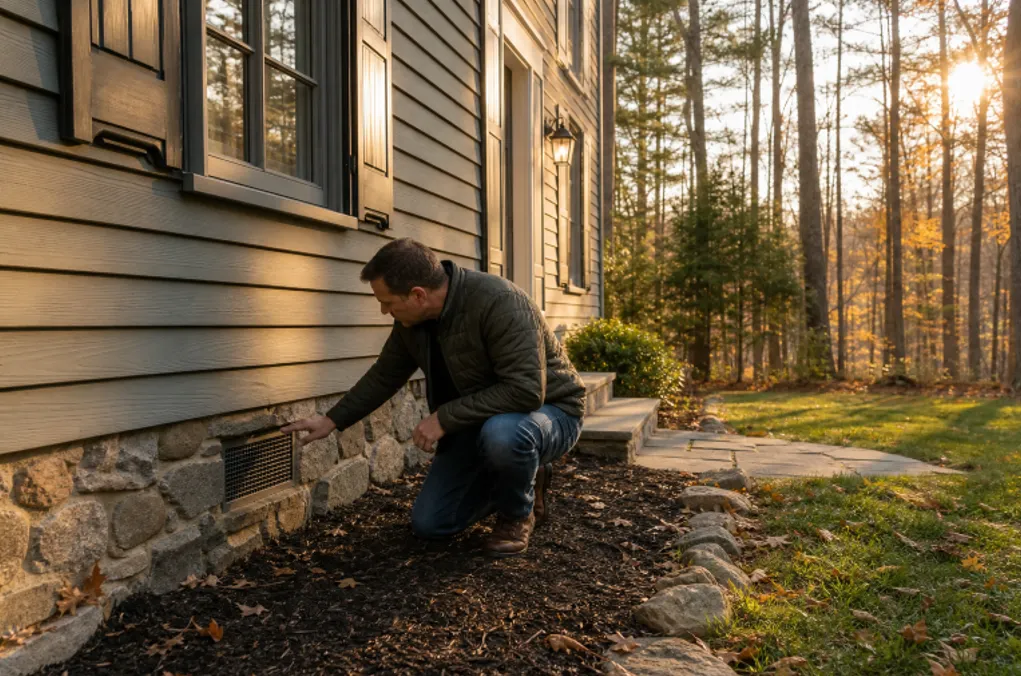
Outside, inspect door sweeps, garage door edges, dryer vents, foundation openings, and where pipes or cables enter the building. Clear snow and ice away from exterior vents when it is safe to do so. A covered vent still needs to move air freely, and a damaged cover can create an opening for pests.
Spring Inspection and Cleanup
After snowmelt and heavy spring rain, walk the entire exterior. Look closely at roof edges, gutters, siding, window frames, foundation joints, decks, sheds, and outdoor storage. Water stains, loose flashing, clogged gutters, and settling soil can point to maintenance needs that also create pest-friendly conditions.
Empty containers that collect rainwater, correct clogged drainage areas, and remove debris from low spots when practical. Trim branches and shrubs that touch the roof or walls, but inspect first for active nests. Spring is also the right time to check beneath decks, around woodpiles, and near sheds for burrows or fresh digging.
Summer Pest and Wildlife Risks
Concord summers encourage more time on patios, porches, lawns, and trails, which makes routine outdoor housekeeping especially useful. Keep trash-can lids closed, clean grills after cooking, pick up fallen fruit, and avoid leaving pet food outdoors. Repair torn screens on windows, doors, and porch enclosures.
Standing water deserves regular attention after rain. Buckets, toys, planters, tarps, clogged gutters, and pool covers can all hold water. Massachusetts public health guidance advises residents to remove standing water and repair damaged screens to reduce mosquito exposure around the home.
When working outside, pay attention to tall grass, stone walls, leaf litter, brush, woodpiles, and shaded edges where ticks or insects may be encountered. Check children and pets after time in brushy areas, and avoid disturbing a nest of wasps, hornets, or bees near a doorway or play space.
Fall Preparation Before Cold Weather
Fall is the most important season for exclusion work. Seal cracks around foundations, doors, windows, vents, and utility lines after confirming that no animal is using the opening. Replace worn door sweeps, repair damaged screens, and inspect soffits, rooflines, and attic vents before wildlife begins searching for winter shelter.
Move firewood away from the house and keep it raised from the ground if possible. Rake or remove leaf buildup from gutters, drains, and window wells. Reduce outdoor food sources by cleaning up fallen apples and other fruit, securing compost, and storing excess birdseed indoors.
Common Entry Points to Check
- Roof vents, soffits, fascia boards, and chimney openings.
- Gaps beside pipes, cables, and utility lines.
- Garage-door corners, basement windows, and bulkhead doors.
- Foundation cracks, damaged siding, and loose trim.
- Gaps beneath decks, porches, sheds, and additions.
Do not simply seal an opening because it looks suspicious. If an animal remains in a wall, attic, chimney, or crawl space, closing its exit can cause odor, noise, contamination, or another attempt to enter elsewhere. Observe activity first and use a species-appropriate plan.
Food, Water, and Shelter Attractants
Most prevention work comes back to a simple question: what is available on the property? Uncovered garbage, accessible compost, leaking hoses, dripping faucets, spilled seed, outdoor pet food, dense brush, cluttered sheds, and stored materials against the foundation can all provide resources or cover.
Keep indoor and outdoor storage orderly, clean up spills promptly, fix moisture problems, and maintain a clear inspection zone near exterior walls. These steps do not eliminate all pest risks, but they reduce opportunities for pests and wildlife to settle near the house.
Safe Responses to Pest Signs
- Identify the sign before selecting a treatment or repair.
- Record where it appeared, when it was noticed, and whether the activity is increasing.
- Remove nearby food, water, and hiding places.
- Keep children and pets away from droppings, nests, traps, and unknown materials.
- Avoid handling bats, approaching wildlife, or disturbing stinging-insect nests.
- Follow all product labels when using a household pest-control product.
- Reinspect after cleanup or repairs to confirm activity has stopped.
When to Seek Professional Help
Professional help is appropriate when signs continue after basic prevention, animals may be inside the structure, contamination is present, structural damage is visible, or the species cannot be identified. It is also wise to seek assistance for nests near busy entrances, repeated rodent sightings, and any situation involving bats or potentially sick wildlife.
Before hiring help, ask what evidence was found, which species is suspected, how the proposed method addresses entry points, what safety steps are needed, and whether follow-up monitoring or repairs are included.
Simple Year-Round Checklist
- Monthly: Check food storage, trash areas, moisture sources, screens, and visible gaps.
- Seasonally: Inspect the yard, roofline, attic, basement, garage, and outdoor storage.
- After storms: Look for standing water, fallen branches, damaged vents, loose siding, and new openings.
- Before travel: Remove food waste, check for leaks, and secure windows and doors.
- After repairs: Monitor the area for fresh droppings, noise, damage, or renewed activity.
Conclusion
A reliable pest and wildlife plan does not need to be complicated. It needs to be consistent. For Concord homeowners, seasonal inspections, moisture control, clean storage, and careful exclusion can reduce many common risks before they become expensive repairs. Address early signs promptly, document what you find, and get qualified help when the situation calls for it.


