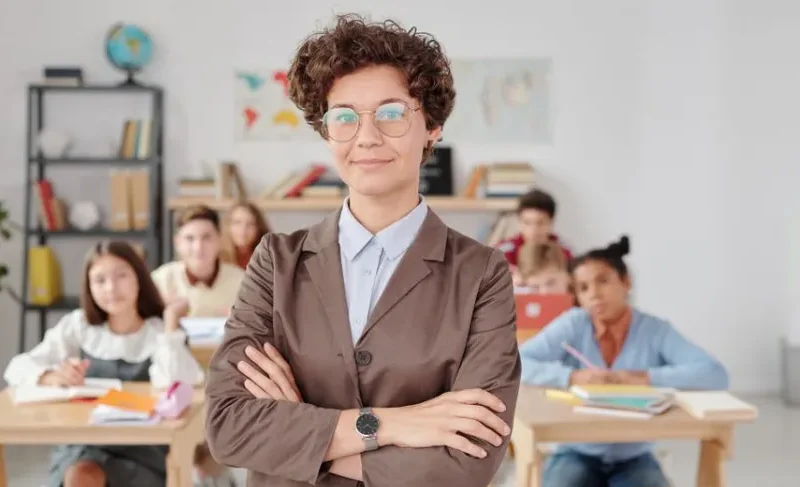
Engaging students in learning is one of the most important challenges educators face today. With distractions everywhere—from smartphones to social media—capturing and maintaining students’ attention requires creativity, strategy, and adaptability. Whether in a traditional classroom or an online environment, engagement is the key to improving understanding, retention, and overall academic success.
Student engagement goes beyond simply paying attention. It involves active participation, emotional involvement, and a genuine interest in the learning process. When students are engaged, they are more likely to ask questions, think critically, and apply what they learn in real-life situations. This article explores practical and effective ways to engage students in learning and create a more dynamic educational experience.
Why Student Engagement Matters
Student engagement plays a critical role in academic achievement. Engaged learners are more motivated, confident, and willing to explore new ideas. They are also less likely to feel bored or disconnected from the material.
When students actively participate in lessons, they develop better problem-solving skills and deeper understanding. Engagement also fosters a positive classroom environment where students feel valued and encouraged to contribute. Ultimately, it leads to improved performance and a lifelong love of learning.
Create a Student-Centered Learning Environment
One of the most effective ways to engage students is by shifting from a teacher-centered approach to a student-centered one. Instead of simply delivering information, teachers should encourage students to take an active role in their learning.
This can be achieved by:
- Encouraging discussions and debates
- Allowing students to share opinions and ideas
- Giving students choices in assignments or topics
When students feel heard and respected, they are more likely to stay engaged and invested in the learning process.
Use Interactive Teaching Methods
Traditional lectures alone are no longer enough to keep students engaged. Incorporating interactive teaching methods can significantly boost participation and interest.
Some effective techniques include:
- Group activities and collaborative projects
- Role-playing and simulations
- Problem-based learning
- Hands-on experiments
These methods allow students to learn by doing, which enhances understanding and retention. Interactive lessons also make learning more enjoyable and memorable.
Integrate Technology in the Classroom
Technology can be a powerful tool for student engagement when used effectively. Digital tools can make lessons more interactive, personalized, and accessible.
Examples of technology integration include:
- Educational apps and online quizzes
- Virtual reality experiences
- Interactive presentations
- Online discussion platforms
Technology also allows teachers to cater to different learning styles, making it easier to reach all students. However, it should be used thoughtfully to enhance learning, not distract from it.
Connect Learning to Real Life
Students are more engaged when they see the relevance of what they are learning. Connecting lessons to real-world situations helps students understand the importance and application of their knowledge.
Teachers can:
- Use real-life examples and case studies
- Relate lessons to current events
- Invite guest speakers or industry professionals
- Assign practical projects
When students understand how their education applies to real life, they become more motivated and interested in learning.
Encourage Active Participation
Active participation is essential for engagement. Instead of passive listening, students should be encouraged to interact with the material and each other.
Ways to promote participation include:
- Asking open-ended questions
- Encouraging peer discussions
- Using think-pair-share activities
- Providing opportunities for presentations
These strategies help students develop communication skills and build confidence while keeping them actively involved in the lesson.
Build Positive Relationships
A strong teacher-student relationship is a key factor in student engagement. When students feel supported and respected, they are more likely to participate and take risks in learning.
Teachers can build relationships by:
- Showing genuine interest in students’ lives
- Providing positive feedback and encouragement
- Being approachable and supportive
- Creating a safe and inclusive environment
A positive classroom atmosphere makes students feel comfortable expressing themselves and engaging in learning activities.
Use Gamification Techniques
Gamification involves incorporating game elements into learning to make it more engaging and fun. This approach can motivate students and increase participation.
Examples of gamification include:
- Reward systems and points
- Leaderboards and challenges
- Educational games and quizzes
- Interactive competitions
Gamification taps into students’ natural desire for achievement and recognition, making learning more exciting and interactive.
Differentiate Instruction
Every student learns differently, so it’s important to adapt teaching methods to meet diverse needs. Differentiated instruction ensures that all students can engage with the material at their own level.
Strategies include:
- Offering multiple ways to complete assignments
- Using visual, auditory, and kinesthetic learning methods
- Providing additional support or challenges as needed
- Allowing flexible pacing
By addressing different learning styles, teachers can keep all students engaged and prevent frustration or boredom.
Provide Immediate Feedback
Timely feedback is essential for keeping students engaged. It helps them understand their progress and identify areas for improvement.
Effective feedback should be:
- Clear and constructive
- Timely and consistent
- Encouraging and supportive
When students receive feedback quickly, they stay motivated and are more likely to stay involved in the learning process.
Encourage Collaboration
Collaboration is a powerful tool for engagement. Working with peers allows students to share ideas, learn from each other, and develop teamwork skills.
Teachers can promote collaboration by:
- Assigning group projects
- Encouraging peer teaching
- Creating discussion groups
- Using collaborative problem-solving activities
Collaborative learning fosters a sense of community and keeps students actively involved in their education.
Set Clear Goals and Expectations
Students are more engaged when they understand what is expected of them. Clear goals provide direction and help students stay focused.
Teachers should:
- Clearly outline learning objectives
- Break tasks into manageable steps
- Provide rubrics and guidelines
- Set achievable challenges
When students know what they are working toward, they are more likely to stay motivated and engaged.
Make Learning Fun and Dynamic
Engagement increases when learning is enjoyable. Adding variety and creativity to lessons can make a significant difference.
Ideas include:
- Incorporating storytelling
- Using humor appropriately
- Changing teaching styles regularly
- Including creative assignments
A dynamic learning environment keeps students interested and eager to participate.
Conclusion
Engaging students in learning requires a combination of creativity, adaptability, and understanding. By creating a student-centered environment, using interactive methods, integrating technology, and building strong relationships, educators can significantly improve student engagement.
The key is to make learning meaningful, relevant, and enjoyable. When students are actively involved and motivated, they not only perform better academically but also develop a lifelong passion for learning. In today’s fast-paced world, fostering engagement is not just an option—it is a necessity for effective education.
Also Read: Remote Learning vs Classroom Learning: Which Is Better for Modern Education?