Selling a home quickly in Houston can be practical when a move, inherited property, repair issue, or financial deadline is involved. The key is to choose a process that matches the home’s condition and your timeline, rather than making a rushed decision. Homeowners considering house buying companies in Houston, TX, should still compare the expected net proceeds, closing terms, and responsibilities against other selling options.
Why Houston Sellers Need a Local Plan
Houston is not a single, uniform housing market. A renovated bungalow in The Heights may appeal to a very different buyer than a larger home in Katy, Spring, East Houston, or Southwest Houston. School preferences, commute routes, lot sizes, homeowners association rules, property condition, and nearby development can all affect how buyers view a home.
Local weather also matters. Heat, humidity, heavy rain, and seasonal storms can draw attention to a roof’s condition, drainage, gutters, foundation movement, and signs of prior water intrusion. A seller who understands those likely questions can prepare documents and set realistic expectations before negotiations begin.
Step 1: Define What a Successful Sale Means
Before choosing a listing agent, selling on your own, or considering a direct buyer, decide what matters most. Your priority may be the highest possible price, the shortest closing window, avoiding repairs, limiting showings, or staying in the home until a certain date. For homeowners comparing a direct-sale option, https://www.homebuyinghounds.com/ can provide a starting point for evaluating how that type of process may work.
For example, a homeowner relocating for a new job may value a predictable closing date and fewer showings. Someone who has already moved out and has time to prepare the property may be more willing to list traditionally and wait for a stronger offer. Neither approach is automatically better. The right choice depends on the trade-offs you are prepared to make.
Step 2: Review the Home’s Condition Before Spending Money
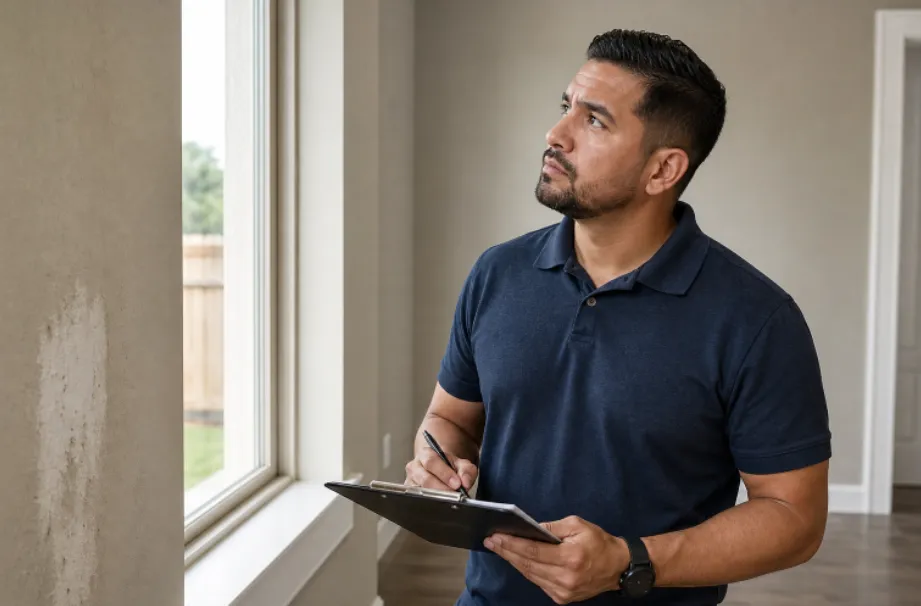
Walk through the property with a practical eye. Check the roof, HVAC equipment, plumbing, electrical system, foundation, windows, doors, ceilings, flooring, and exterior surfaces. Look for active leaks, water stains, drainage problems, mold, wood damage, or safety concerns. Gather warranties, invoices, surveys, permits, and receipts for completed work.
Separate urgent issues from cosmetic ones. An active roof leak or exposed wiring deserves more attention than outdated cabinet hardware. If a major concern is unclear, a qualified inspection or contractor opinion may help you estimate the scope of work before making promises to buyers.
Step 3: Focus Repairs Where They Matter Most
- Correct immediate safety hazards.
- Stop active leaks and prevent additional water damage.
- Address defects that could interfere with financing, insurance, or an inspection negotiation.
- Complete affordable presentation work, such as deep cleaning, basic landscaping, fresh caulk, and neutral paint touch-ups.
- Avoid major remodeling unless the likely benefit clearly outweighs the cost and delay.
A simple repair test is useful: will this work meaningfully improve buyer interest, the expected offer, or the certainty of closing? If the answer is no, disclose the issue honestly and consider pricing the home accordingly instead of over-improving it.
Step 4: Price With Evidence, Not Emotion
An accurate price helps attract serious attention early. Review recently sold homes that are similar in location, square footage, age, lot type, condition, and upgrades. Then compare active listings competing for the same buyers. Online estimates can be a useful reference point, but they do not replace a close review of the home’s condition, needed repairs, and neighborhood-level sales activity.
Be especially realistic about factors that may affect a buyer’s costs after closing, including repair needs, insurance availability, homeowners association fees, and property taxes. A home that sits too long can invite questions from buyers, so revisit the strategy promptly if the response is limited.
Step 5: Compare Your Main Selling Paths
Traditional Listing
A traditional listing may provide broad exposure to buyers, but it commonly involves preparation, photographs, showings, inspections, appraisal considerations, and negotiations. It can be a strong fit for a well-maintained home and a seller with flexibility.
For Sale by Owner
Selling without an agent gives the owner direct control, but it also requires handling marketing, screening, disclosures, contracts, negotiations, and scheduling. Professional legal and title guidance can be particularly valuable when reviewing unfamiliar paperwork.
Direct or Cash Sale
A direct sale may reduce showings and financing-related uncertainty, which can appeal to sellers with a tight timeline or a property needing work. Convenience can affect the offer amount, so compare the final net result against other realistic options.
Calculate Net Proceeds, Not Just the Offer
Compare every proposal using the same framework: sale price minus mortgage payoff, commissions or fees, repair credits, seller-paid closing costs, tax adjustments, title charges, moving expenses, and the cost of holding the property longer. The highest offer is not always the offer that leaves the seller with the most money or the fewest risks.
Estimated Net Proceeds = Sale Price − Mortgage Payoff − Selling Costs − Repairs − Other Closing Expenses
Houston Details That Deserve Extra Attention
Flood history and drainage deserve careful review. Sellers can use the flood map resources maintained by FEMA to better understand mapped flood hazards, while remembering that a map does not replace honest disclosure of known property conditions. Keep records of drainage improvements, roof repairs, foundation work, insurance claims, and storm-related repairs.
Texas sellers should also provide the required information accurately. The Seller’s Disclosure Notice published by the Texas Real Estate Commission is designed to communicate the seller’s knowledge of property conditions. Do not guess. If information is unknown, say so and provide available records when appropriate.
How to Review a Fast-Sale Offer
- Verify the buyer’s identity, business name, and contact information.
- Ask whether the purchase depends on financing, inspections, appraisal, or assignment to another party.
- Request every fee, deduction, deadline, and possession term in writing.
- Confirm who chooses the title company and how earnest money will be handled.
- Review cancellation rights and what happens if the buyer does not close.
- Use a reputable title company or a qualified real estate attorney before signing unclear documents.
A Simple 10-Day Seller Preparation Checklist
- Set a desired closing date and minimum acceptable net amount.
- Collect the deed, mortgage details, tax records, survey, permits, and repair receipts.
- Check major systems and document visible concerns.
- Remove clutter, secure valuables, and clarify what personal property will remain.
- Get a local pricing opinion and compare at least two sales paths.
- Review the offers line by line before making a decision.
Final Thoughts
A fast Houston home sale does not have to mean accepting the first offer or making expensive repairs without a plan. Clear priorities, accurate property information, realistic pricing, and careful contract review can help you choose a selling path that fits both the house and your next move.