Core Pillars of Advanced Wellness and Performance
In September 2026, the quest for optimal health and peak capability has reached new heights. We’re moving past traditional wellness to embrace Advanced Wellness and Performance. This isn’t just about feeling better; it’s about systematically enhancing every aspect of your physical and mental being to perform at your best, consistently.
This comprehensive guide will take you through the core pillars of this exciting field. We will explore cutting-edge strategies, from optimizing your cellular health to fine-tuning your body’s recovery mechanisms. Understanding how to fuel these advanced processes, often with the support of premium performance supplements, is crucial for unlocking sustained excellence.
Join us as we explore the innovations shaping the future of human potential.
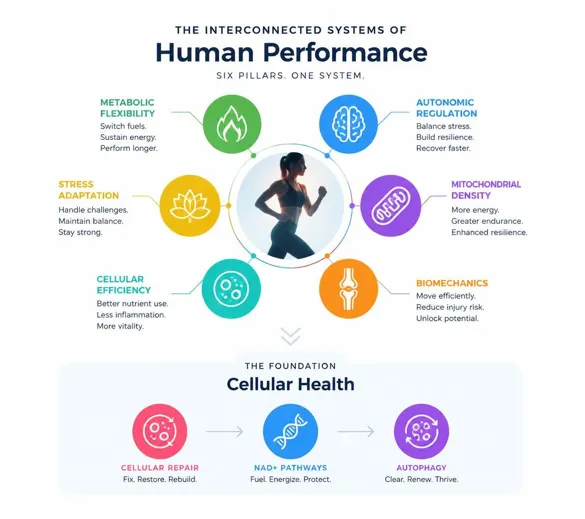
To truly achieve advanced wellness and performance, we must look beyond superficial metrics and delve into the fundamental biological and physiological systems that govern our health and capacity. This holistic approach centers on several interconnected pillars: metabolic flexibility, autonomic regulation, mitochondrial density, biomechanics, cellular efficiency, and stress adaptation. Each of these elements plays a critical role in our ability to generate energy, respond to challenges, and maintain optimal function.
Metabolic flexibility refers to our body’s capacity to efficiently switch between different fuel sources—primarily carbohydrates and fats—for energy. In a state of high metabolic flexibility, our bodies can readily adapt to varying nutritional inputs and energy demands, leading to more stable energy levels, improved endurance, and enhanced recovery. This adaptability is key for athletes and individuals seeking sustained high performance, as it prevents energy crashes and optimizes fuel utilization during prolonged activity or periods of fasting.
Autonomic regulation involves the intricate balance between our sympathetic (fight-or-flight) and parasympathetic (rest-and-digest) nervous systems. Optimal autonomic regulation means our body can appropriately respond to stressors, then efficiently return to a state of calm and recovery. Metrics like Heart Rate Variability (HRV) are increasingly used to gauge this balance, providing insights into our readiness to train, adapt to stress, and recover effectively. A well-regulated autonomic nervous system is foundational for both mental resilience and physical performance.
Mitochondrial density refers to the number of mitochondria within our cells, often dubbed the “powerhouses” of the cell. These organelles are responsible for generating adenosine triphosphate (ATP), the primary energy currency of the body. Higher mitochondrial density and efficiency translate to greater energy production, improved endurance, and enhanced cellular resilience. Strategies to boost mitochondrial health, such as specific types of exercise and nutritional interventions, are central to advanced performance protocols.
Biomechanics focuses on the mechanics of body movement. Optimizing biomechanics means moving with maximum efficiency and minimal risk of injury. This involves analyzing gait, posture, and movement patterns to identify and correct imbalances or inefficiencies. Advanced performance coaching often incorporates detailed biomechanical assessments to refine technique, enhance power output, and extend an individual’s athletic career by preventing overuse injuries.
Cellular efficiency encompasses how effectively our cells perform their functions, from nutrient uptake to waste removal and energy production. This pillar is deeply intertwined with mitochondrial health and metabolic flexibility. It’s about ensuring every cell operates at its peak, contributing to the overall vitality and performance of the organism. When cellular processes are efficient, we experience better recovery, reduced inflammation, and enhanced cognitive function.
Finally, stress adaptation is our body’s ability to respond to and recover from physical, mental, and environmental stressors. Advanced wellness protocols aim not to eliminate stress, but to enhance our capacity to adapt positively to it. This involves understanding the concept of allostatic load—the wear and tear on the body from chronic stress—and implementing strategies to build resilience, such as mindful practices, controlled exposure to stressors (e.g., cold therapy), and adequate recovery. Together, these pillars form the bedrock upon which true advanced wellness and performance are built.
Integrating Cellular Health into Advanced Wellness and Performance
At the heart of advanced wellness and performance lies the intricate world of cellular health. Our ability to perform at an elite level, recover swiftly, and maintain long-term vitality is fundamentally dictated by the efficiency and resilience of our cells. Key processes like cellular repair, the activation of NAD+ pathways, and autophagy are crucial for maintaining this cellular integrity.
Cellular repair mechanisms are constantly at work, mending damage caused by daily stressors, intense training, and environmental factors. Supporting these processes is paramount for preventing cellular senescence and maintaining tissue function. Similarly, NAD+ pathways are gaining significant attention. Nicotinamide adenine dinucleotide (NAD+) is a coenzyme vital for hundreds of metabolic processes, including energy production and DNA repair. As we age, NAD+ levels naturally decline, impacting cellular function. Strategies to boost NAD+ levels, such as specific nutritional precursors or lifestyle interventions, are becoming cornerstones of longevity and performance protocols.
Autophagy, a cellular “self-eating” process, is another critical component. It’s how cells clean out damaged components and recycle them, promoting cellular renewal and efficiency. Inducing autophagy through practices like intermittent fasting or certain types of exercise can significantly enhance cellular health and resilience.
However, even with optimal cellular processes, the effectiveness of these systems heavily relies on nutrient absorption. It’s not just about what we consume, but what our bodies can actually utilize at the cellular level. This is where advanced nutritional strategies and delivery systems come into play. For individuals pushing their limits, ensuring that essential vitamins, minerals, and performance-enhancing compounds reach their cellular targets is non-negotiable. Many are now turning to specialized formulations, such as those found in premium performance supplements, to bridge potential nutritional gaps and optimize physiological function. These supplements often incorporate cutting-edge delivery methods.
One such method is liposomal delivery, which encapsulates nutrients in lipid bilayers, protecting them from degradation in the digestive system and enhancing their bioavailability. This allows for superior absorption and intracellular transport, ensuring that vital micronutrients and active compounds, such as certain vitamins, antioxidants, or NAD+ precursors, are delivered more effectively to where they are needed most. This advanced approach to micronutrient timing and delivery ensures that the body receives the right support at the right time, maximizing its capacity for recovery, adaptation, and peak output. By focusing on these cellular-level interventions, we can unlock profound improvements in overall health and performance.
Neuromuscular Adaptations and Somatic Training
Beyond the biochemical intricacies of cellular health, advanced wellness and performance deeply integrate the sophisticated interplay between our nervous system and muscles. This domain, often explored through neuromuscular adaptations and somatic training, focuses on refining how our brain communicates with our body, leading to more efficient movement, greater control, and enhanced resilience.
Motor recruitment is a fundamental aspect, referring to the activation of muscle fibers by the nervous system. Advanced training techniques aim to improve the efficiency and coordination of motor unit recruitment, allowing for greater force production and sustained effort. This isn’t just about building bigger muscles; it’s about teaching the nervous system to activate those muscles more effectively and synchronously.
Somatic regulation delves into the conscious and unconscious control of bodily functions and movements. Through somatic practices, individuals learn to become more attuned to their internal sensations, improving body awareness and control. This heightened proprioception and interoception are crucial for refining movement patterns, reducing tension, and enhancing overall physical presence and coordination.
The brain’s remarkable capacity for change, known as neuroplasticity, is a key driver in these adaptations. Through consistent, targeted practice, neural pathways can be rewired, leading to improved motor learning, enhanced skill acquisition, and greater resilience to physical and mental stress. This means that with the right training, we can literally reshape our brains to better support our performance goals.
Eccentric overload training, where muscles are lengthened under tension, is a powerful method for inducing significant neuromuscular adaptations. This type of training not only builds strength and power but also enhances muscle elasticity and reduces injury risk by strengthening connective tissues. It challenges the nervous system to control movement under high load, leading to superior adaptations compared to concentric (muscle shortening) contractions alone.
Achieving nervous system balance is paramount for sustained performance. This involves modulating the sympathetic and parasympathetic branches of the autonomic nervous system. Techniques that promote parasympathetic activation, such as breathwork, meditation, and specific movement practices, help to reduce chronic stress, improve recovery, and enhance cognitive function, allowing for optimal decision-making under pressure.
All these elements converge to improve movement economy. This refers to the efficiency with which we perform physical tasks, minimizing energy expenditure for a given output. Whether it’s a runner improving their stride, a weightlifter perfecting their lift, or an executive maintaining focus through a demanding day, superior movement economy means less fatigue, greater endurance, and a higher capacity for sustained high-level performance. By consciously integrating neuromuscular and somatic training, we empower our bodies to move, adapt, and perform with unparalleled efficiency and grace.
Next-Generation Recovery and Regenerative Modalities
In the relentless pursuit of advanced wellness and performance, the adage “you don’t get stronger in the gym, you get stronger recovering from the gym” rings truer than ever. Next-generation recovery and regenerative modalities are no longer afterthoughts but integral components of any high-performance protocol. These cutting-edge techniques aim to accelerate systemic recovery, mitigate inflammation, and promote tissue regeneration, allowing individuals to train harder, adapt faster, and maintain peak condition.
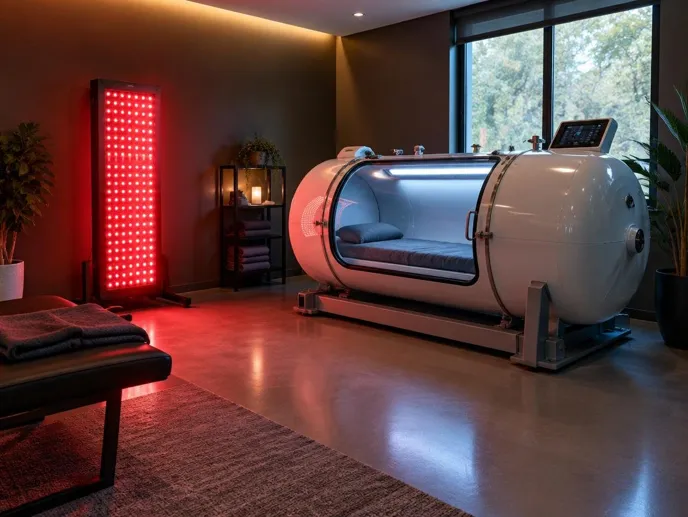
Systemic recovery encompasses the restoration of physiological balance across all body systems—muscular, nervous, endocrine, and immune. While traditional methods like rest and nutrition remain foundational, advanced modalities provide targeted support. Cryotherapy, for instance, involves brief exposure to extremely cold temperatures, which can reduce inflammation, alleviate muscle soreness, and stimulate endorphin release, promoting faster recovery and improved mood.
Photobiomodulation (PBM), commonly known as red light therapy, uses specific wavelengths of light to stimulate cellular function. PBM can enhance mitochondrial activity, reduce oxidative stress, promote collagen production, and accelerate wound healing, making it a valuable tool for muscle repair and skin health. Similarly, hyperbaric oxygen therapy (HBOT) involves breathing pure oxygen in a pressurized chamber. This increases oxygen delivery to tissues, promoting healing, reducing inflammation, and potentially enhancing cognitive function, particularly beneficial for recovery from intense exertion or injury.
Beyond internal physiological recovery, external care also plays a significant role in overall well-being and performance. While not directly performance-enhancing in the athletic sense, maintaining skin health and appearance contributes to overall confidence, stress reduction, and a holistic sense of advanced wellness. For those seeking to rejuvenate and maintain their outward vitality, non-invasive skin treatments offer sophisticated solutions that support tissue health and aesthetic goals, reinforcing the idea that wellness is multifaceted. These treatments often leverage advanced technologies to promote cellular regeneration and improve skin integrity, aligning with the principles of tissue rejuvenation.
Tissue rejuvenation is a broad concept encompassing various strategies to repair and renew damaged tissues, from muscles and joints to skin and organs. This area is rapidly evolving, with research exploring everything from stem cell therapies to advanced nutritional compounds designed to support cellular turnover and regeneration. By integrating these diverse modalities, we create a comprehensive recovery strategy that addresses both the internal and external demands of high performance.
Technology Protocols Driving Advanced Wellness and Performance
The landscape of advanced wellness and performance is being revolutionized by sophisticated technology protocols that provide unprecedented insights into our bodies. These tools move us beyond subjective feelings, offering objective data to personalize and optimize every aspect of training and recovery.
Biometric tracking has evolved far beyond simple step counts. Wearable devices now continuously monitor a vast array of physiological parameters, providing a real-time snapshot of our health and readiness. This includes detailed sleep stages, skin temperature, respiratory rate, and activity levels.
HRV monitoring (Heart Rate Variability) stands out as a powerful indicator of autonomic nervous system balance and recovery status. By analyzing the tiny fluctuations in time between heartbeats, HRV devices can signal whether an individual is adequately recovered from training, under stress, or approaching overtraining. This data allows for dynamic adjustments to training loads and rest periods, preventing burnout and optimizing adaptation.
Continuous Glucose Monitoring (CGM), once primarily for diabetes management, is now a game-changer for performance nutrition. CGM provides real-time feedback on how different foods, exercise, and stress impact blood sugar levels. This allows for precise dietary adjustments to maintain stable energy, optimize fuel utilization, and prevent metabolic crashes, crucial for sustained performance and metabolic flexibility.
Understanding sleep architecture is another critical technological frontier. Advanced sleep trackers provide detailed analyses of sleep cycles (light, deep, REM), disturbances, and overall sleep quality. Since sleep is the ultimate recovery tool, optimizing its quantity and quality based on this data is paramount for cognitive function, physical repair, and hormonal balance.
Neurofeedback is a non-invasive brain training technique that uses real-time displays of brain activity (EEG) to teach self-regulation of brain function. By providing feedback on specific brainwave patterns, individuals can learn to enhance focus, reduce anxiety, improve sleep, and optimize cognitive performance, directly impacting mental resilience and decision-making under pressure.
Finally, integrating all this data allows for the creation of targeted recovery protocols. Instead of a one-size-fits-all approach, technology enables highly individualized recovery strategies based on an individual’s unique physiological responses, training load, and lifestyle factors. This data-driven approach ensures that recovery efforts are maximally effective, leading to faster adaptation, reduced injury risk, and sustained peak performance.
Active Recovery Modalities Passive Recovery Modalities Low-intensity cardio (e.g., walking, cycling) Sleep (prioritizing quality and duration) Dynamic stretching and mobility drills Massage and foam rolling Yoga and Pilates Hot/cold therapy (e.g., cryotherapy, sauna) Myofascial release (e.g., self-massage) Nutrition (targeted macronutrients, hydration) Light resistance training Compression garments Mindful movement and breathwork Electrical muscle stimulation (EMS) Hydrotherapy (e.g., swimming, water walking) Meditation and mindfulness practices Operational Strategies for Sustained Peak Output
Achieving advanced wellness and performance isn’t solely about physiological optimization; it’s also about establishing robust operational strategies that support sustained peak output in all aspects of life. This involves a conscious design of our environment, routines, and mental frameworks to minimize friction and maximize efficiency, ensuring that our high-performance capabilities are consistently accessible.
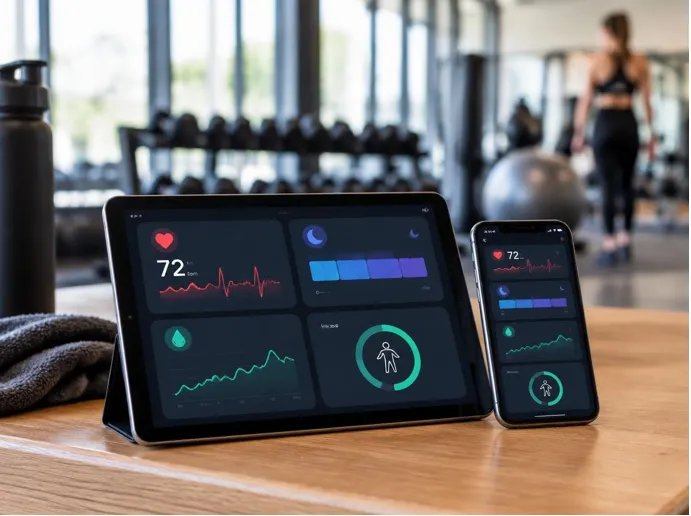
A key component is the intelligent use of a personalized digital biometric and performance dashboard. In September 2026, these dashboards integrate data from wearables, CGM, and other tracking devices, providing a unified, actionable overview of our health, recovery status, and performance readiness. This allows for data-driven decision-making, from adjusting training intensity to optimizing nutrition and sleep schedules, ensuring we operate within our optimal zone.
Workflow ergonomics extends beyond physical workstation setup to encompass the design of our entire daily routine. This includes optimizing task sequencing, minimizing cognitive switching costs, and creating environments that foster focus and productivity. For instance, structuring work blocks to align with natural energy peaks and troughs can significantly enhance output and reduce mental fatigue.
Circadian scheduling is a powerful strategy that aligns our daily activities with our natural biological clock. Understanding our individual chronotype and structuring sleep, meals, exercise, and demanding cognitive tasks according to our circadian rhythms can optimize energy levels, hormone regulation, and cognitive function. This prevents “chronodisruption” and supports sustained vitality.
Managing allostatic load is crucial. This refers to the cumulative wear and tear on the body from chronic stress. Operational strategies focus on proactive stress mitigation techniques, such as scheduled recovery blocks, mindfulness practices, and ensuring adequate social connection. By actively managing stress rather than just reacting to it, we prevent the physiological and psychological costs of chronic overload.
Finally, developing strong habit structuring is the bedrock of sustained high performance. This involves designing routines that make desired behaviors (e.g., exercise, healthy eating, meditation) easy to initiate and maintain, while making undesirable behaviors more difficult. Leveraging principles of behavioral science, we can build robust systems that support our long-term wellness and performance goals, turning intentional actions into automatic, effortless practices. By integrating these operational strategies, we create a supportive ecosystem that allows our advanced physiological capabilities to flourish consistently.
Frequently Asked Questions About High-Performance Health
How do advanced wellness protocols differ from traditional fitness routines?
Advanced wellness protocols represent a significant evolution beyond traditional fitness routines by adopting a deeply personalized, data-driven, and holistic approach. While traditional fitness often focuses on general exercise and diet recommendations, advanced protocols delve into individual biomarker tracking, utilizing data from blood tests, genetic profiling, continuous glucose monitors, and wearable biometrics to understand unique physiological responses. This allows for precise interventions tailored to an individual’s specific needs and goals.
Furthermore, advanced protocols prioritize cellular optimization, addressing health at the foundational level through strategies like enhancing mitochondrial function, supporting NAD+ pathways, and promoting autophagy. They also place a much greater emphasis on personalized recovery, integrating cutting-edge modalities such as cryotherapy, photobiomodulation, and hyperbaric oxygen therapy, alongside sophisticated sleep architecture analysis and nervous system regulation techniques. Finally, a core differentiator is the integration of longevity science, aiming not just for short-term performance gains but for sustained vitality, resilience, and healthspan extension, viewing performance as a lifelong endeavor.
What role does nutrient delivery technology play in athletic output?
Nutrient delivery technology is a critical component in maximizing athletic output by ensuring that the body receives and effectively utilizes essential compounds. The primary challenge with traditional supplements is often poor bioavailability—meaning a significant portion of the nutrient may be degraded in the digestive tract or not efficiently absorbed by cells. Advanced delivery systems, such as liposomal absorption, overcome these limitations.
Liposomal technology encapsulates nutrients in protective lipid spheres, shielding them from stomach acids and enzymes, and allowing for enhanced absorption directly into the bloodstream and then into the cells. This significantly improves intracellular transport and ensures that a higher concentration of the active compound reaches its target, where it can contribute to energy production, muscle repair, and immune function. This optimized nutrient utilization directly translates to improved athletic output by supporting faster recovery, reducing inflammation, enhancing energy levels, and maintaining overall physiological balance. By maximizing the systemic bioavailability of crucial vitamins, minerals, and performance enhancers, athletes can experience more pronounced benefits from their nutritional strategies.
How does nervous system regulation impact physical recovery?
Nervous system regulation profoundly impacts physical recovery by orchestrating the body’s repair and regenerative processes. The autonomic nervous system, comprising the sympathetic (“fight or flight”) and parasympathetic (“rest and digest”) branches, dictates our physiological state. Intense training or chronic stress can lead to prolonged sympathetic modulation, keeping the body in a heightened state of alert. While necessary for performance, sustained sympathetic dominance hinders recovery.
Effective nervous system regulation aims to promote parasympathetic activation, which initiates processes vital for repair. This includes slowing heart rate, improving digestion for nutrient absorption, reducing inflammation, and facilitating deep, restorative sleep. Metrics like Heart Rate Variability (HRV) are used to assess this balance, with higher HRV generally indicating better parasympathetic tone and recovery capacity.
Furthermore, strengthening vagal tone—the activity of the vagus nerve, a key component of the parasympathetic system—is crucial. A robust vagal tone enables quicker shifts from stress to relaxation, improving the body’s ability to recover from physical exertion and adapt to stressors. Imbalances can lead to elevated cortisol regulation, the primary stress hormone. Chronic high cortisol can impair muscle repair, suppress the immune system, and disrupt sleep, significantly hindering physical recovery and long-term performance. By actively regulating the nervous system through techniques like breathwork, meditation, and controlled exposure to stressors, we optimize the body’s innate capacity for healing and regeneration.
Conclusion
As we navigate the complexities of September 2026, the paradigm of wellness and performance has undeniably shifted. We’ve moved beyond fragmented approaches, embracing a future where systemic integration is the cornerstone of human potential. This extensive guide has illuminated the core pillars of advanced wellness and performance, from optimizing cellular health and refining neuromuscular control to leveraging next-generation recovery modalities and establishing smart operational strategies.
The journey to peak capability is now a sophisticated interplay of biology, technology, and intentional lifestyle design. It’s about harnessing data-driven vitality, using objective insights to tailor every aspect of our health and training. It’s about pursuing physical longevity, not just fleeting performance peaks, ensuring that our bodies and minds remain resilient and capable for years to come.
The innovations we’ve explored—from liposomal nutrient delivery and advanced biometric tracking to neurofeedback and circadian scheduling—are not merely trends; they are foundational elements shaping the future innovations in human optimization. By understanding and applying these principles, we empower ourselves to unlock unprecedented levels of health, resilience, and sustained performance, truly living at the forefront of human potential.


