
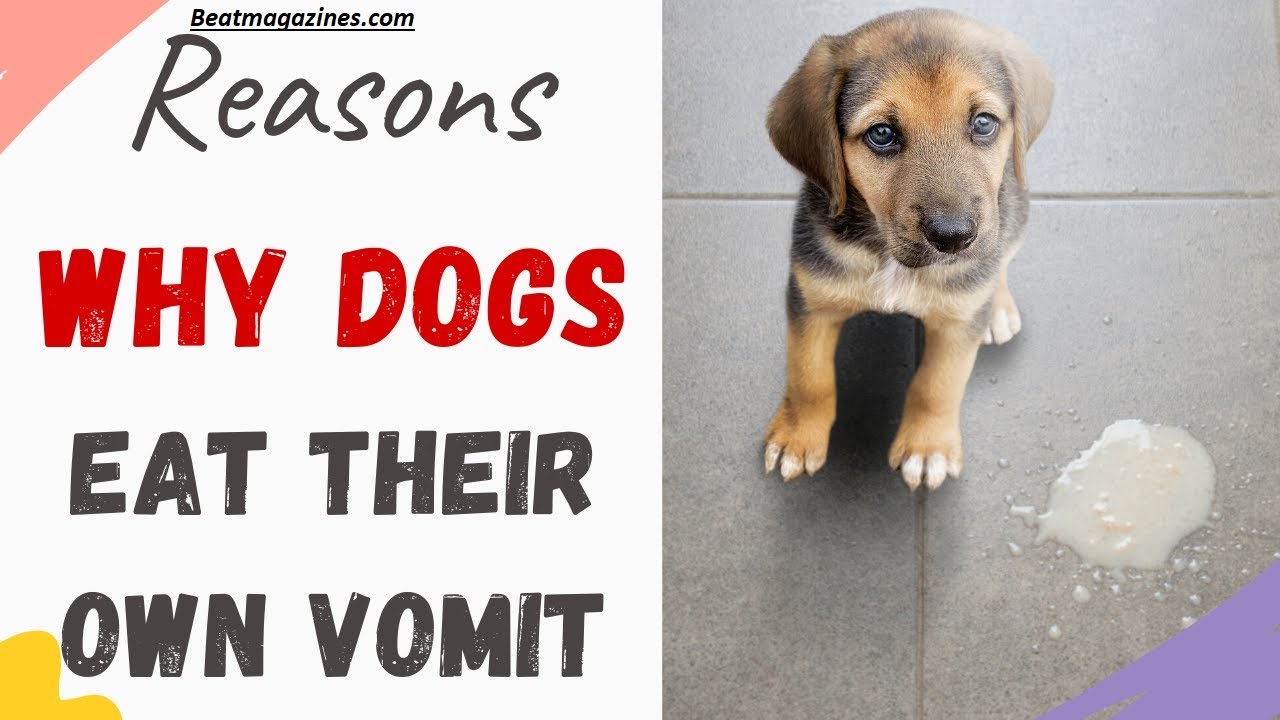
Why Do Dogs Eat Their Vomit? Dogs sometimes eat their vomit due to instinct, hunger, or curiosity.
Their ancestors, like wolves, would re-eat regurgitated food to avoid waste and protect their territory from predators.
Vomit may still smell like food to dogs, especially if it wasn’t fully digested, making it appealing. Some dogs also do this out of boredom or learned behavior.
In certain cases, it can signal issues like poor diet or digestive problems. Occasional behavior is usually normal, but frequent vomiting or eating it may need a vet check.
Table of Contents
Quick Table
| Topic | Key Insight |
|---|---|
| Is it normal? | Yes, often linked to instinct / natural behavior |
| Main causes | Smell of food, scavenger instinct, eating too fast |
| Vomit vs regurgitation | Regurgitation = undigested food, vomiting = digested |
| Dangerous? | Usually no, but can involve toxins / poisoning |
| When to worry | Frequent vomiting, lethargy, gastrointestinal issues |
| How to stop | Training, feeding changes, vet advice |
| Prevention | Slow feeding, diet quality, routine care |
Is It Normal?
If you’ve ever caught your dog eating its own vomit, you’re probably shocked—and maybe even disgusted. But here’s the surprising truth: this behavior is often completely normal.
Dogs are naturally wired with instincts that may seem strange to humans but make perfect sense in the animal world.
Dogs have a strong scavenger instinct, meaning they evolved to survive by eating whatever food they could find. In the wild, wasting food—even partially digested food—was not an option.
This explains why eating vomit can be considered a form of natural behavior rooted in survival.
Another factor is their incredibly strong sense of smell. Dogs can detect food particles in vomit that humans would never notice.
If the vomit contains undigested food, your dog may simply see it as a second meal rather than waste.
Also, in some cases, this behavior relates to nutrients recovery. If the food wasn’t fully digested, your dog may instinctively try to reclaim those lost nutrients.
So while it may seem gross, eating vomit is often not abnormal. However, context matters—frequency, health, and surrounding symptoms determine whether it’s harmless or something more serious.
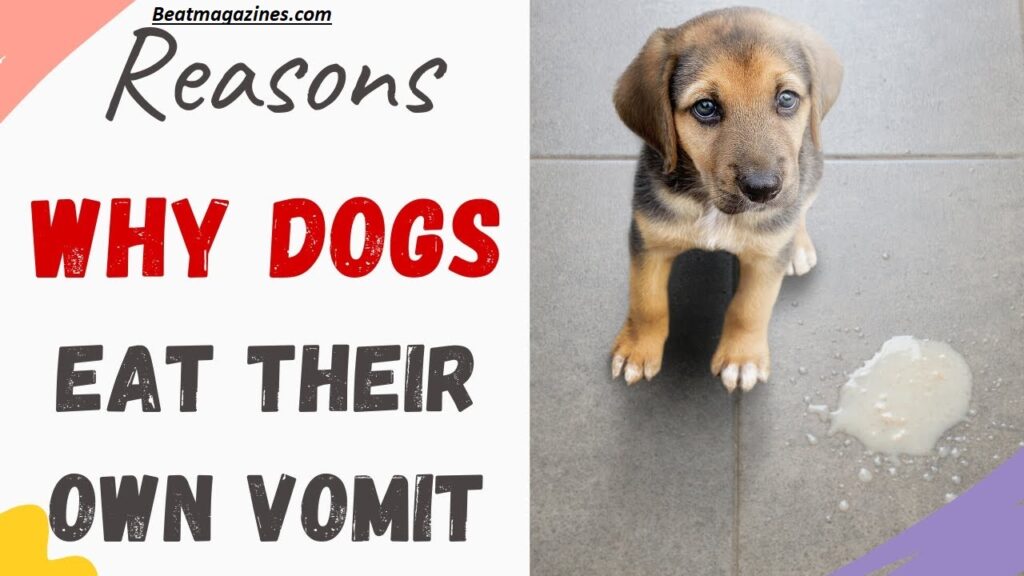
Reasons Why Dogs Eat Vomit
There are several reasons why dogs engage in this behavior, and most of them tie back to instinct and biology.
Dogs may eat vomit due to their evolutionary behavior, seeing it as a potential food source rather than waste.
The presence of undigested food makes it appealing, especially given their strong sense of smell. Some dogs eat vomit due to eating too fast, which causes regurgitation.
Others learn it as a habit during puppyhood through maternal feeding (puppies). In certain cases, it may also relate to gastrointestinal issues or anxiety, making it important to observe patterns.
Smell of Food
Dogs experience the world primarily through their noses. Their strong sense of smell is thousands of times more powerful than that of humans.
When a dog vomits, especially if it contains undigested food, it still smells like a meal to them.
To your dog, vomit isn’t “waste”—it’s simply food that hasn’t been fully processed. This is particularly true if the vomiting happened shortly after eating.
The scent of partially digested kibble or meat can trigger their scavenger instinct, prompting them to eat it again.
This behavior isn’t about being dirty; it’s about how dogs interpret smells and food sources.
Instinct / Evolution
Dogs’ ancestors survived in harsh environments where food was scarce. Their evolutionary behavior taught them to waste nothing. This is why modern dogs still display a strong scavenger instinct.
In the wild, eating regurgitated food could help prevent predators from tracking scents. It also allowed animals to maximize calorie intake.
This instinct is deeply embedded in your dog’s DNA, even if they now live comfortably at home.
So when your dog eats vomit, it’s not random—it’s a reflection of ancient survival strategies. This natural behavior has simply carried over into modern domesticated life.
Eating Too Fast
Some dogs eat so quickly that their bodies don’t have time to properly process the food. This often leads to regurgitation vs vomiting confusion. Regurgitation happens when food comes back up shortly after eating and is still largely undigested food.
When this happens, dogs may immediately re-eat it because it still looks and smells like food. Fast eating can also contribute to mild gastrointestinal issues, making this behavior more frequent.
Using slow feeders or feeding smaller portions can help reduce this problem. Addressing the root cause—fast eating—often decreases the likelihood of your dog eating vomit again.
Puppies & Regurgitation
In the wild, mother dogs feed their young through maternal feeding (puppies) by regurgitating food. Puppies naturally learn to eat this regurgitated food as part of their early development.
This is why some dogs grow up associating regurgitated food with nourishment. The distinction between regurgitation vs vomiting doesn’t exist for them—they simply see it as food provided or available.
As a result, this learned behavior can continue into adulthood. While it may seem unpleasant to us, it’s completely normal from a biological standpoint.
Understanding this origin helps explain why some dogs never grow out of the habit.

Is It Dangerous?
In most cases, eating vomit is not harmful. However, there are situations where it can pose dog health risks. The key factor is understanding what caused the vomiting in the first place.
If your dog vomited due to something harmless, like eating too fast, then eating it again is unlikely to cause serious issues. But if the vomit contains toxins / poisoning, spoiled food, or harmful substances, re-eating it can worsen the problem.
Frequent vomiting combined with this behavior may also indicate underlying gastrointestinal issues such as infections, food intolerance, or digestive disorders. In such cases, the behavior is a symptom rather than the problem itself.
There’s also a risk of reinforcing the habit. If your dog repeatedly eats vomit, it may become a learned behavior that’s harder to stop over time.
So while occasional incidents are usually safe, repeated occurrences or signs of illness should not be ignored.
Monitoring your dog’s overall health and behavior is essential to determining whether the situation is harmless or requires intervention.
When to See a Vet
Knowing when to seek vet advice is crucial. While occasional vomiting followed by eating it may not be alarming, certain signs indicate a more serious issue.
You should consult a veterinarian if your dog vomits frequently or shows symptoms of gastrointestinal issues such as diarrhea, bloating, or loss of appetite.
Lethargy, dehydration, or weight loss are also red flags.
If you suspect your dog has ingested something toxic, such as chemicals or spoiled food, immediate attention is necessary.
In cases involving toxins / poisoning, eating vomit can reintroduce harmful substances into the body.
Another concern is behavioral changes. If your dog suddenly starts eating vomit more often, it could signal stress, anxiety, or food guarding tendencies.
Puppies and older dogs are especially vulnerable and should be monitored closely. When in doubt, it’s always better to seek professional vet advice rather than assume the behavior is harmless.
Early intervention can prevent minor issues from becoming serious health problems and ensure your dog stays safe and healthy.
How to Stop It
Stopping this behavior requires a combination of management, training, and understanding the root cause. The first step is to interrupt the behavior immediately.
If your dog vomits, calmly remove them from the area before they can eat it.
Training commands like “leave it” can be very effective. Consistent reinforcement helps your dog understand that eating vomit is not acceptable.
Addressing triggers like food guarding or anxiety can also reduce the behavior.
If your dog eats too quickly, consider using a slow feeder bowl. This helps prevent regurgitation vs vomiting caused by rapid eating.
Smaller, more frequent meals can also improve digestion and reduce undigested food.
Improving diet quality may help as well. Poor nutrition can contribute to gastrointestinal issues, increasing the likelihood of vomiting.
In some cases, consulting a vet or behaviorist for professional vet advice is necessary. They can identify underlying causes and recommend targeted solutions.
Consistency is key. With proper training and care, most dogs can unlearn this habit over time.
Prevention Tips
Preventing this behavior is often easier than stopping it once it becomes a habit. Start by ensuring your dog eats at a healthy pace. Using slow feeders or puzzle bowls can reduce eating too fast and prevent regurgitation vs vomiting.
Maintain a balanced, high-quality diet to minimize gastrointestinal issues. Sudden diet changes can upset your dog’s stomach, so transitions should always be gradual.
Regular exercise and mental stimulation help reduce stress-related behaviors. Dogs with anxiety may be more likely to engage in unusual habits, including eating vomit.
Supervision is also important. If your dog vomits, clean it up quickly to remove temptation. This prevents reinforcement of the scavenger instinct.
Routine veterinary checkups ensure early detection of health problems. Following professional vet advice can help you address issues before they worsen.
Lastly, train commands like “leave it” and reward good behavior consistently. Prevention is about creating an environment where the behavior is less likely to occur.

FAQ’s
Why do dogs eat their vomit immediately?
Because of their strong sense of smell and presence of undigested food.
Is eating vomit a sign of illness?
Not always, but frequent cases may indicate gastrointestinal issues.
What’s the difference between regurgitation vs vomiting?
Regurgitation is undigested food; vomiting involves partially digested food.
Can eating vomit harm my dog?
Only if it contains toxins / poisoning or harmful substances.
How can I stop my dog from doing this?
Use training, slow feeding, and follow vet advice if needed.
Conclusion
So, why do dogs eat their vomit? While it may seem shocking, the answer lies in their biology, instincts, and environment.
This behavior is often driven by natural behavior, scavenger instinct, and evolutionary behavior that helped their ancestors survive.
Factors like undigested food, a strong sense of smell, and habits formed during maternal feeding (puppies) all contribute to this action. In many cases, it’s harmless and simply part of how dogs interact with their surroundings.
However, it’s important to stay alert. Repeated vomiting, signs of illness, or exposure to toxins / poisoning can turn a normal behavior into a serious concern.
Monitoring your dog’s health and seeking vet advice when necessary ensures their safety.
The good news is that this behavior can often be managed or prevented. By addressing issues like eating too fast, improving diet, and reinforcing training, you can reduce or eliminate the habit.
At the end of the day, understanding your dog’s instincts helps you respond appropriately. What seems gross to us is often perfectly logical to them—and with the right approach, you can keep your furry friend healthy and happy.