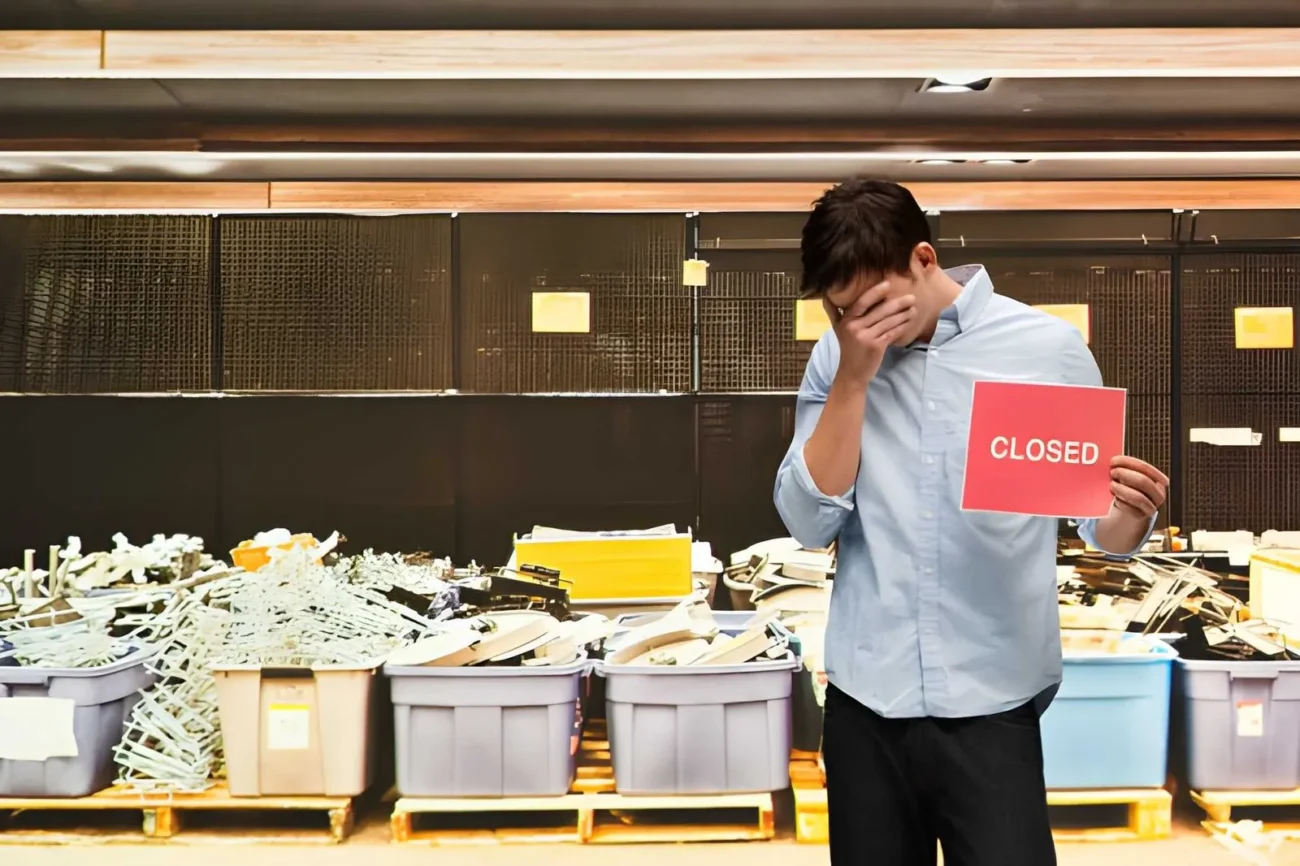
Somewhere in most organisations there is a cupboard, and in that cupboard there are boxes, and in those boxes there is promotional merchandise that will never be used. Stress balls ordered for an event that has long passed, tote bags in a colour that no longer matches the brand, gadgets that seemed clever at the time and turned out to be useless, all of it bought with good intentions and now quietly depreciating in the dark. That cupboard is a monument to a common and expensive mistake, and auditing it honestly is one of the most useful things a marketing team can do.
The exercise is worth taking seriously, and it is the kind of hard-nosed thinking that GoPromotional brings to businesses buying promotional merchandise. The value here is not in buying more; it is in understanding why so much of what businesses already bought went to waste. Almost always, the cupboard full of unused merchandise traces back to a handful of avoidable errors, and naming them is the first step to never filling that cupboard again.
The most common error is buying without a distribution plan. Merchandise gets ordered because there is budget, or because an event is looming, or because a supplier had a deal, and only afterwards does anyone ask how, exactly, it will all be given out. Without a concrete plan for where every unit will go, over-ordering is almost guaranteed, and the surplus ends up in the cupboard. The fix is simple but disciplined: never order a quantity you cannot map to an actual distribution, event by event, audience by audience.
The second error is choosing items nobody actually wants. A great deal of wasted merchandise is wasted not because too much was bought but because what was bought was undesirable, the kind of thing that gets left on the table at an event and swept into a box at the end. An item that people genuinely want to take and keep clears itself; an item they do not gets returned to the cupboard by default. Choosing for genuine desirability rather than for novelty or lowest price is what keeps merchandise moving rather than accumulating.
The third error is tying merchandise too tightly to a fleeting moment. Items branded for a specific dated event, a particular campaign slogan, or a design that will soon look dated have a short shelf life by construction, and any surplus is instantly obsolete. Choosing more timeless items, or ordering dated items in tighter quantities matched precisely to the moment, prevents the awkward situation of boxes full of merchandise that cannot be used because the moment they referenced has passed.
There is a real financial cost to all of this that rarely appears on any report. The money spent on unused merchandise is simply gone, delivering zero return, and to that you can add the cost of the storage space it occupies and the eventual cost of disposing of it. A cupboard full of dead stock is not a neutral thing; it is a quiet, ongoing drain, and the fact that it is out of sight is exactly why it is so easily tolerated. Bringing it into the light is uncomfortable and clarifying in equal measure.
The principle that emerges from the audit is that good promotional merchandise buying is disciplined buying: driven by a distribution plan, focused on items people genuinely want, and cautious about tying stock to fleeting moments. Merchandise that follows those rules gets used, which means it does its job; merchandise that ignores them ends up in the cupboard, which means the money spent on it was wasted regardless of how good the unit price looked.
So the practical exercise is to open the cupboard, count honestly what is in it, and work out for each item why it ended up there rather than in someone’s hand. The patterns that emerge will teach you more about buying merchandise well than any catalogue can, because they show you, in physical form, exactly what going wrong looks like, and how straightforwardly it could have been avoided. The cupboard, in that sense, is the best teacher a marketing team has, because it shows in physical form exactly what happens when merchandise is bought without a plan, and how easily that waste could have been turned into impact.


